
Marian Anderson
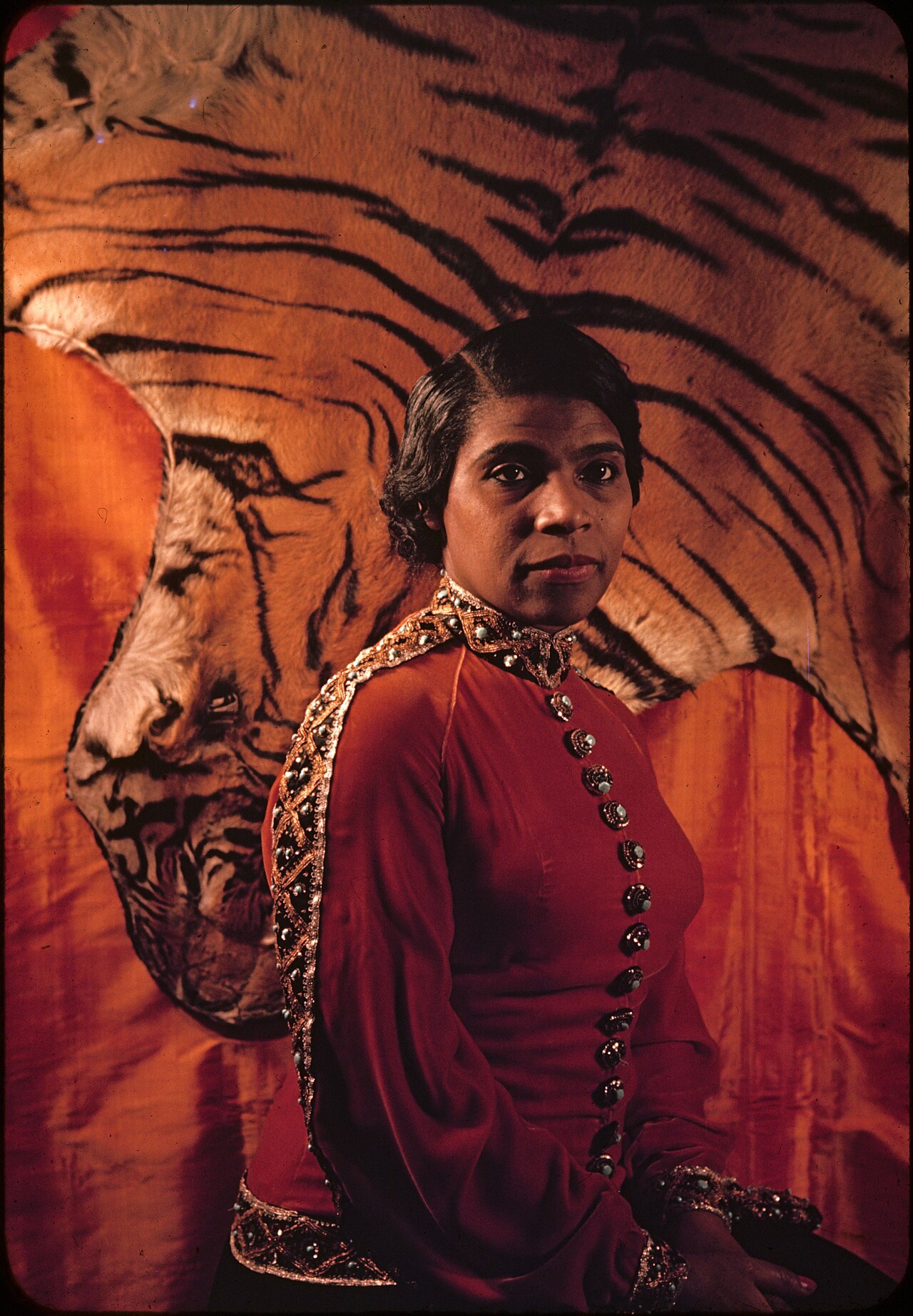
American contralto who broke racial barriers in classical music.

via Wikipedia: Marian Anderson · see source
Marian Anderson was born on February 27, 1897, in Philadelphia, the eldest of three daughters. Her father sold ice, coal, and later liquor, while her mother, who had briefly studied at a Virginia seminary and worked as a teacher, could not teach in Philadelphia due to a law that applied only to Black teachers. She instead earned money caring for children. Anderson’s parents were devout Christians, and the family was active in the Union Baptist Church. Her aunt Mary, a key musical influence, encouraged her to join the junior choir at age six and took her to concerts and community events. By age six, Anderson was paid small amounts to sing at local functions; by her early teens, she earned up to five dollars per performance. At ten, she joined the People’s Chorus of Philadelphia, often as a soloist.
When Anderson was twelve, her father died after a head injury at work. The family moved in with her paternal grandparents; her grandfather, born enslaved and emancipated in the 1860s, died a year later. Anderson graduated from Stanton Grammar School in 1912. Unable to afford music lessons or high school, she continued performing and learning from anyone willing to teach. Church and community leaders raised money for singing lessons with Mary Saunders Patterson and for her to attend South Philadelphia High School, graduating in 1921. She applied to the Philadelphia Music Academy but was rejected due to its all-white policy. Undeterred, she studied privately with Agnes Reifsnyder and then Giuseppe Boghetti, who was moved to tears by her audition. A 1924 recital at New York’s Town Hall drew a small audience and poor reviews. In 1923, she made her first recordings for the Victor Talking Machine Company.
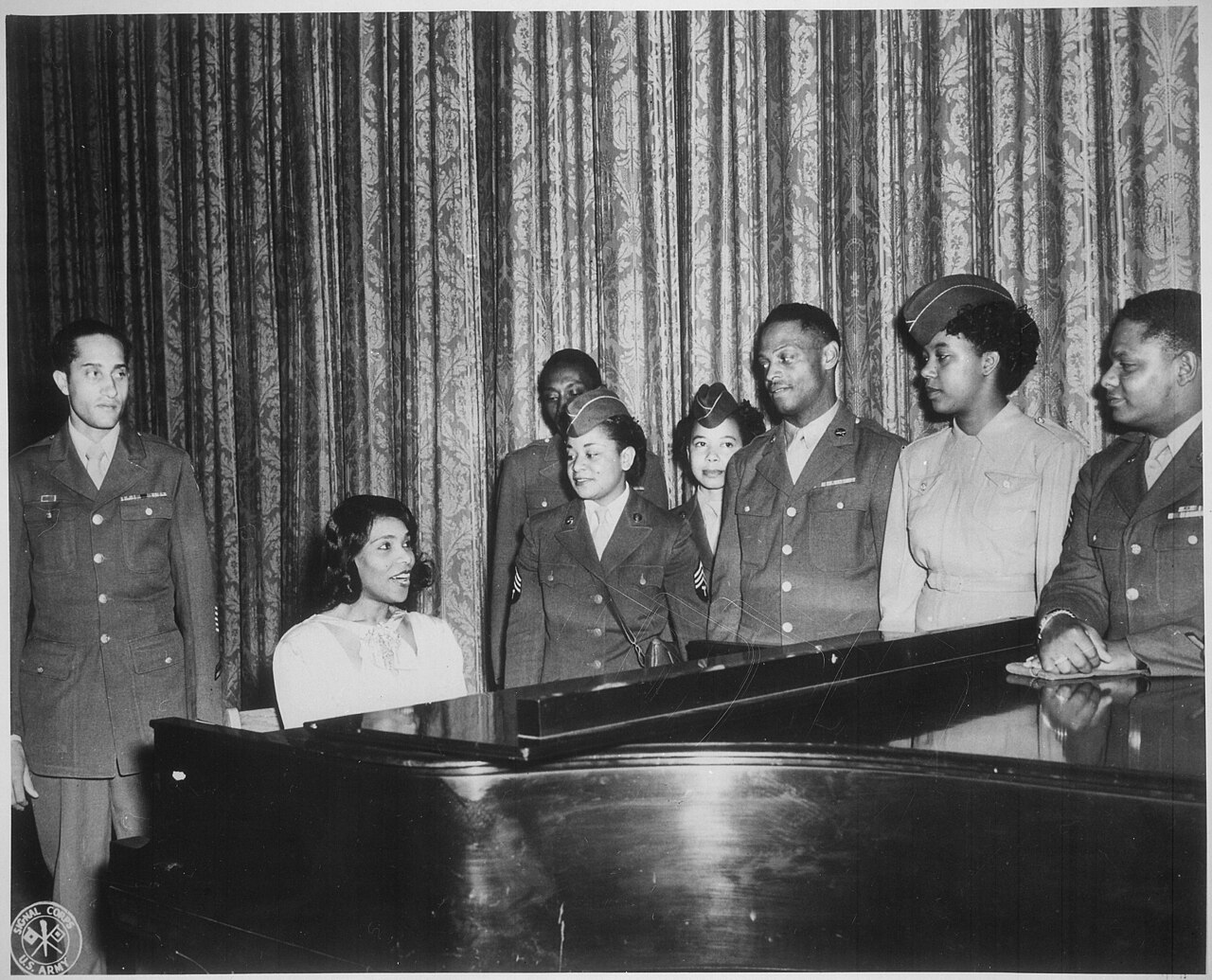
Between 1925 and 1965, Anderson performed a wide range of music—from opera to spirituals—with major orchestras in concert halls across the United States and Europe. She became a key figure in the fight against racial prejudice for African-American artists. In 1939, the Daughters of the American Revolution barred her from singing to an integrated audience at Constitution Hall in Washington, D.C. With help from First Lady Eleanor Roosevelt and President Franklin D. Roosevelt, Anderson gave a critically acclaimed open-air concert on Easter Sunday, April 9, 1939, on the steps of the Lincoln Memorial. She sang before an integrated crowd of over 75,000 people, with millions more listening on the radio. The event was documented in the film *Marian Anderson: The Lincoln Memorial Concert*.
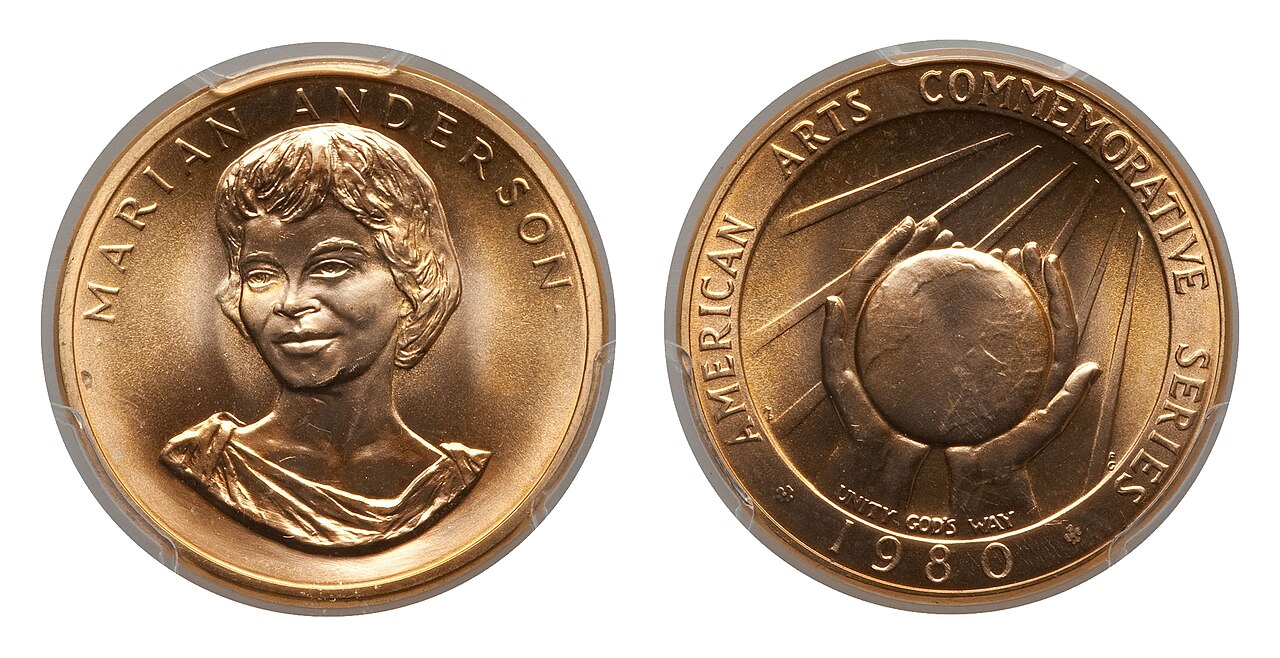
On January 7, 1955, Anderson became the first African-American singer to perform at the Metropolitan Opera. She also served as a delegate to the United Nations Human Rights Committee and as a Goodwill Ambassador for the U.S. State Department, giving concerts worldwide. She participated in the civil rights movement, singing at the March on Washington for Jobs and Freedom in 1963. Anderson received numerous honors: the first Presidential Medal of Freedom in 1963, the Congressional Gold Medal in 1977, the Kennedy Center Honors in 1978, the National Medal of Arts in 1986, and a Grammy Lifetime Achievement Award in 1991. She died on April 8, 1993.
- born
- February 27, 1897, Philadelphia
- died
- April 8, 1993
- field
- Classical and operatic contralto
- nationality
- American
- known_for
- First African-American singer to perform at the Metropolitan Opera (1955); 1939
Verified Timeline
Lore & Background
Marian Anderson was born in Philadelphia on February 27, 1897, to John Berkley Anderson and Annie Delilah Rucker. Her father sold ice and coal at the Reading Terminal; her mother earned an income caring for small children. Marian was the eldest of three sisters, Alyse and Ethel, who also became singers. At age six, encouraged by her aunt Mary, she joined the junior church choir at Union Baptist Church and began performing solos and duets. By her early teens, she earned as much as four or five dollars for singing. After her father died from heart failure at age 37 when she was 12, the family moved in with her paternal grandparents; her grandfather had been born a slave and was emancipated in the 1860s. Anderson graduated from Stanton Grammar School in 1912 and later attended South Philadelphia High School for Girls, though she left before graduating, supported by community fundraising. She was refused admission to the Philadelphia Music Academy, likely due to racial prejudice, but studied privately with Agnes Reifsnyder and then Giuseppe Boghetti, who was moved to tears by her audition of 'Deep River.' In 1923, she made her first recordings for the Victor Talking Machine Company.
Reader's Guide
Marian Anderson's significance lies in her role as a pioneering African-American classical singer who challenged racial segregation. The 1939 refusal by the Daughters of the American Revolution to let her perform at Constitution Hall, and the subsequent open-air concert at the Lincoln Memorial on Easter Sunday, April 9, 1939, with the aid of First Lady Eleanor Roosevelt and President Franklin D. Roosevelt, drew international attention. She sang before an integrated crowd of more than 75,000 people and a radio audience in the millions. On January 7, 1955, Anderson became the first African-American singer to perform at the Metropolitan Opera. She also worked as a delegate to the United Nations Human Rights Committee and as a Goodwill Ambassador for the United States Department of State, giving concerts all over the world. She participated in the civil rights movement in the 1960s, singing at the March on Washington for Jobs and Freedom in 1963. She received the first Presidential Medal of Freedom in 1963, the Congressional Gold Medal in 1977, the Kennedy Center Honors in 1978, the National Medal of Arts in 1986, and a Grammy Lifetime Achievement Award in 1991.
Did You Know?
- Anderson's grandfather was born a slave and emancipated in the 1860s.
- At age six, she joined the junior church choir at Union Baptist Church and began performing solos and duets.
- In 1923, she made her first recordings for the Victor Talking Machine Company in Camden, New Jersey.
- Conductor Arturo Toscanini told her she had a voice 'heard once in a hundred years' after a 1935 Salzburg concert.
- She was awarded the first Presidential Medal of Freedom in 1963.
Gallery
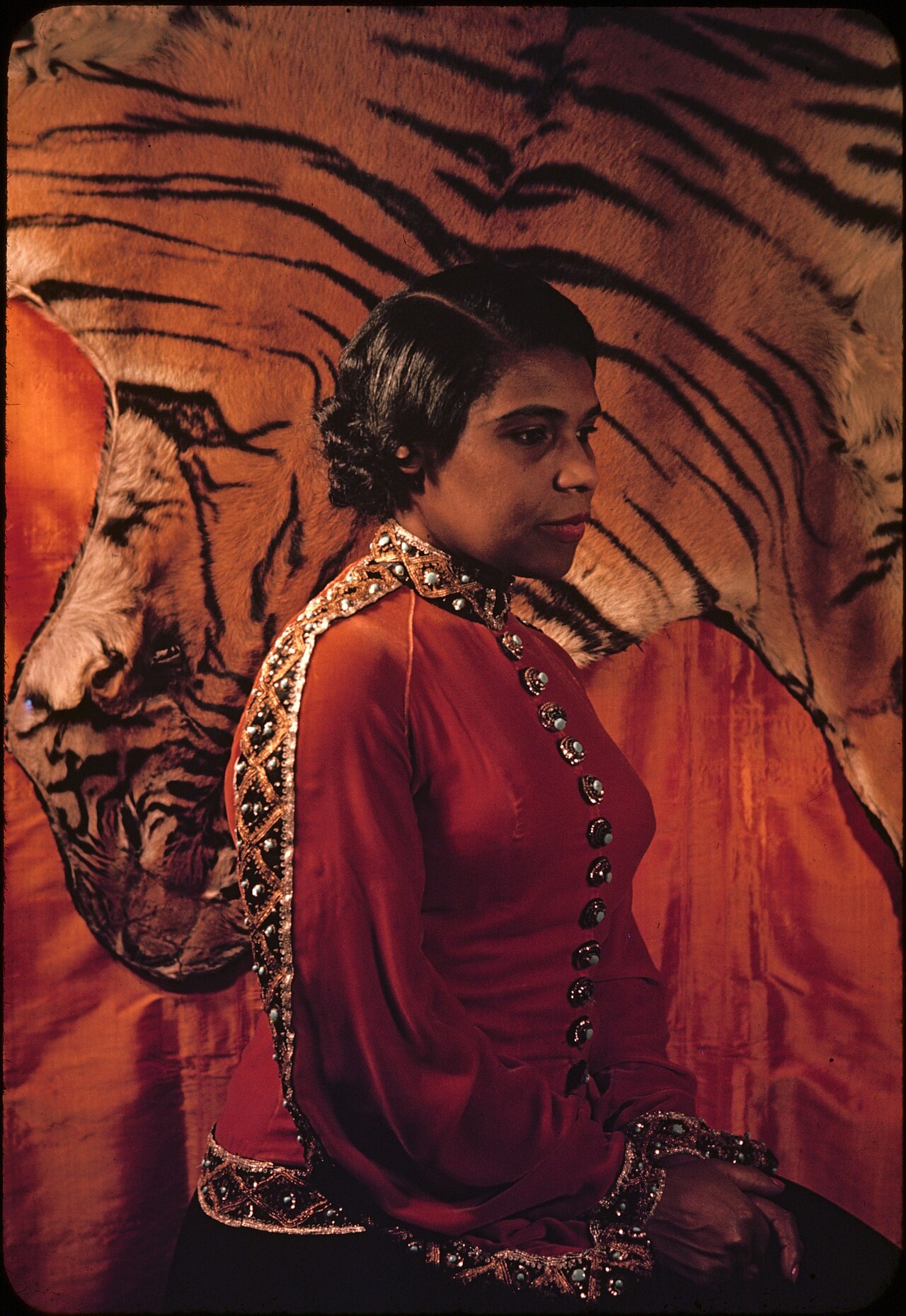
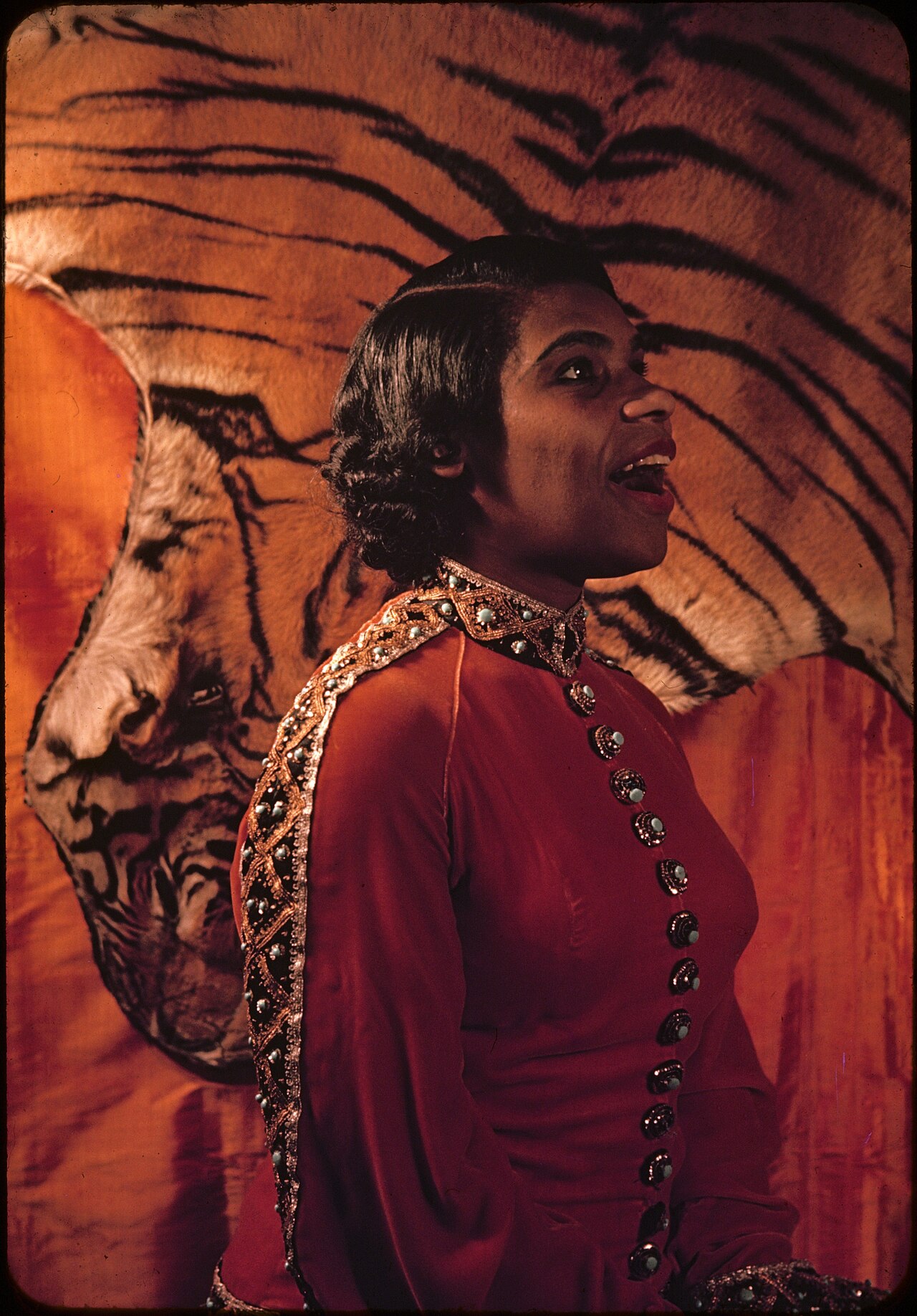
Frequently Asked Questions
Who is Marian Anderson?
Marian Anderson was an American contralto born in Philadelphia in 1897 who became one of the most celebrated classical and operatic voices of the twentieth century. She performed with major orchestras and in leading concert halls across the United States and Europe from the 1920s through the 1960s.
What was the 1939 Constitution Hall incident?
In 1939, the Daughters of the American Revolution barred Anderson from giving a recital at Constitution Hall in Washington, D.C., because she planned to accept an integrated audience. The event became a landmark moment in the fight against racial segregation in American public life.
Why is Marian Anderson important in music history?
She is widely recognized as the first African-American singer to appear at the Metropolitan Opera, debuting there in 1955. Her career demonstrated that a Black artist could command the highest stages of classical and operatic performance during an era of widespread racial exclusion.
What kind of voice and repertoire did Marian Anderson have?
Anderson sang as a contralto and was equally at home in opera, art song, and African-American spirituals. Her warm, rich lower register and expressive phrasing made her a favorite in both concert recital and staged opera settings.
When did Marian Anderson live and where did she die?
She was born on February 27, 1897, in Philadelphia, Pennsylvania, and passed away on April 8, 1993, at the age of 96. Her nearly seven-decade lifespan gave her a career that spanned from the early jazz era through the civil-rights movement.
More in Opera & Vocal Legends 1-18
Spotted an error? Know more?
This is a living reference — every entry is fact-audited, and reader corrections feed straight into our audit queue. Suggest an edit · See this site's audit record