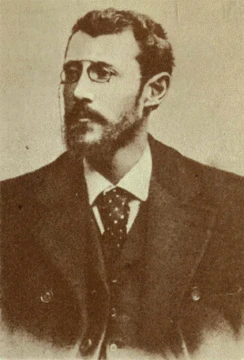
Godfrey Morgan
Wealthy young man marooned on a Pacific island.

Godfrey Morgan is the protagonist of an 1882 adventure novel by French writer Jules Verne, also published as School for Crusoes. The novel follows a wealthy young Californian who, with his deportment instructor, is cast away on an uninhabited Pacific island and must learn to survive.
Quick Facts
- Title Orig
- L'École des Robinsons
- Author
- Jules Verne
- Illustrator
- Léon Benett
- Country
- France
- Language
- French
- Series
- The Extraordinary Voyages #22
- Genre
- Adventure novel
- Publisher
- Pierre-Jules Hetzel
- Release Date
- 1882
- English Release Date
- 1883
- Media Type
- Print (Hardback)
- Isbn
- 978-1515089131
Facts from the source article.
Lore & Background
Later, Godfrey rescues an African slave named Carefinotu from Polynesian warriors visiting the island. The three work together to survive. By the story's end, Godfrey discovers the value of independent effort, gains poise and courage, and is rescued and returned to San Francisco. He reunites with Phina, and they agree to marry before continuing his world tour together. The novel is a robinsonade, a play on Daniel Defoe's Robinson Crusoe.
Reader's Guide
Godfrey Morgan is significant as a representative of Jules Verne's robinsonade tradition, exploring themes of rational self-sufficiency and personal growth through adversity. The novel, published in 1882, reflects the era's practice of wealthy young men undertaking travel as an educational rite of passage, similar to the European Grand Tours of Leland Stanford, Jr. The story's plot—a castaway learning to survive and mature—echoes Verne's earlier work The Mysterious Island (1874). Though less known than some of Verne's other novels, Godfrey Morgan has been adapted into a 1981 film, Jules Verne's Mystery on Monster Island, which loosely follows the plot but adds monsters absent from the book. The novel remains a minor but illustrative example of Verne's adventure fiction and the robinsonade genre.
Did You Know?
- The novel was originally published in French as L'École des Robinsons, literally 'The School for Robinsons'.
- The fictional Spencer Island, where Godfrey is marooned, is located 460 miles off the California coast at 32°15′N 145°18′W.
- The villain J. R. Taskinar introduces non-indigenous carnivores to the island to take revenge on Godfrey's uncle for winning an auction.
More in Novels by Jules Verne 1-24
Spotted an error? Know more?
Reader corrections go straight into our review queue. Suggest an edit · How this site is sourced