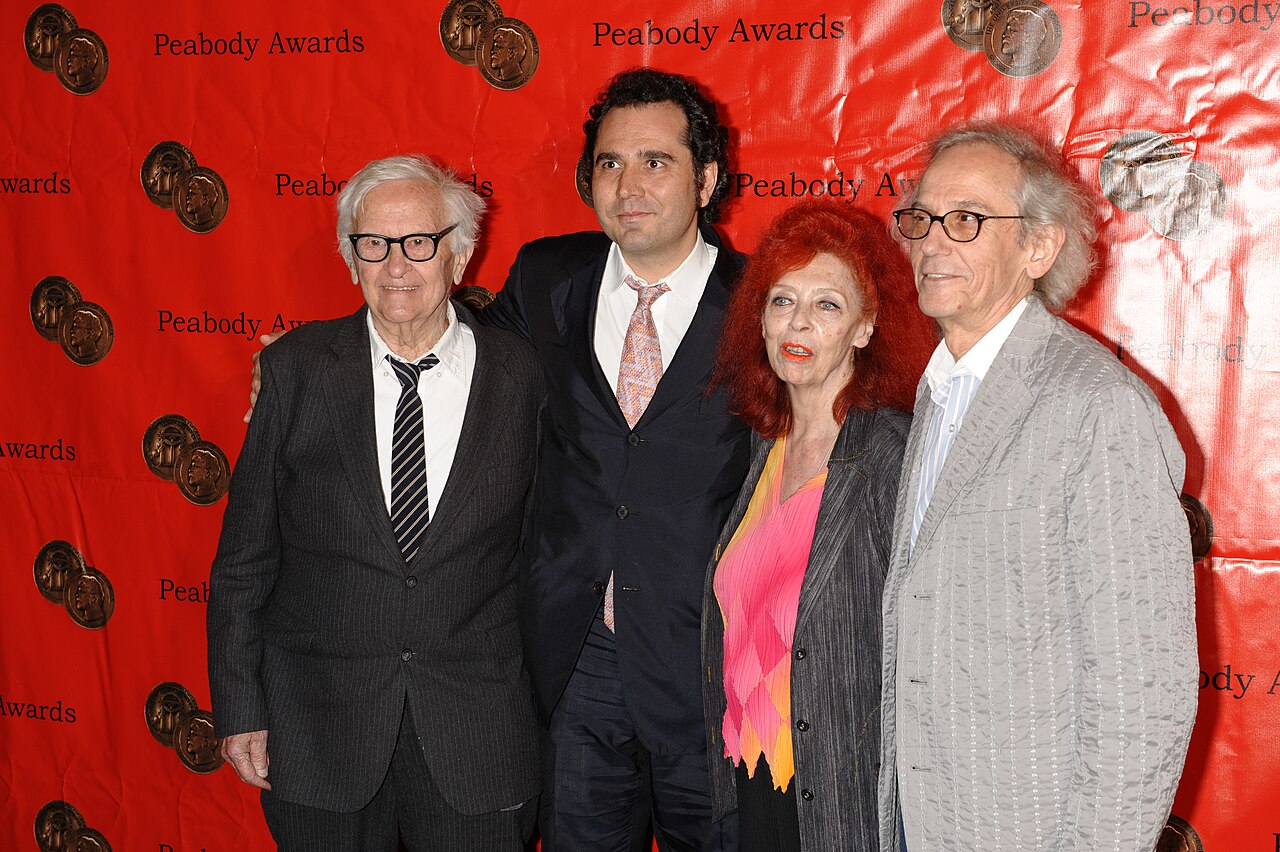
Christo and Jeanne-Claude
Artists of large-scale, fabric-wrapped environmental installations.

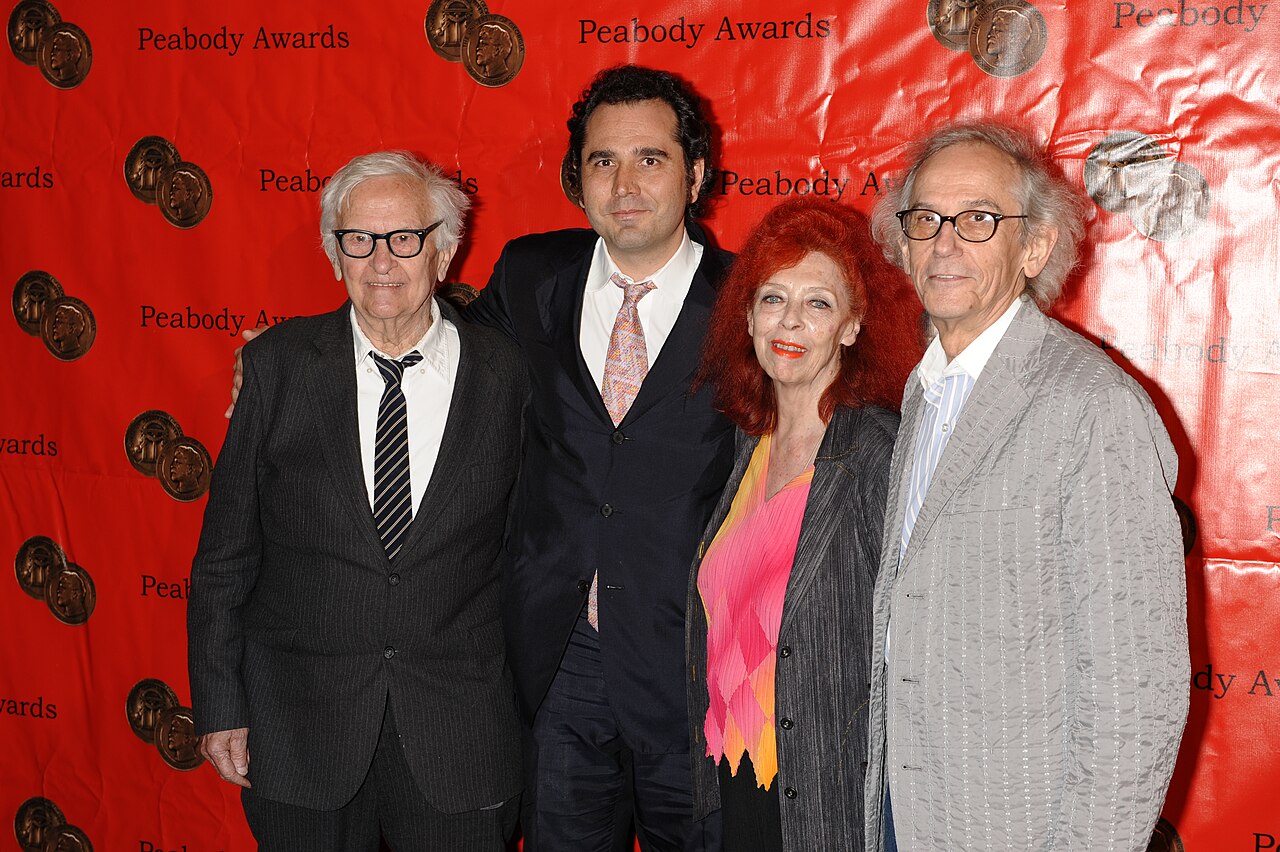
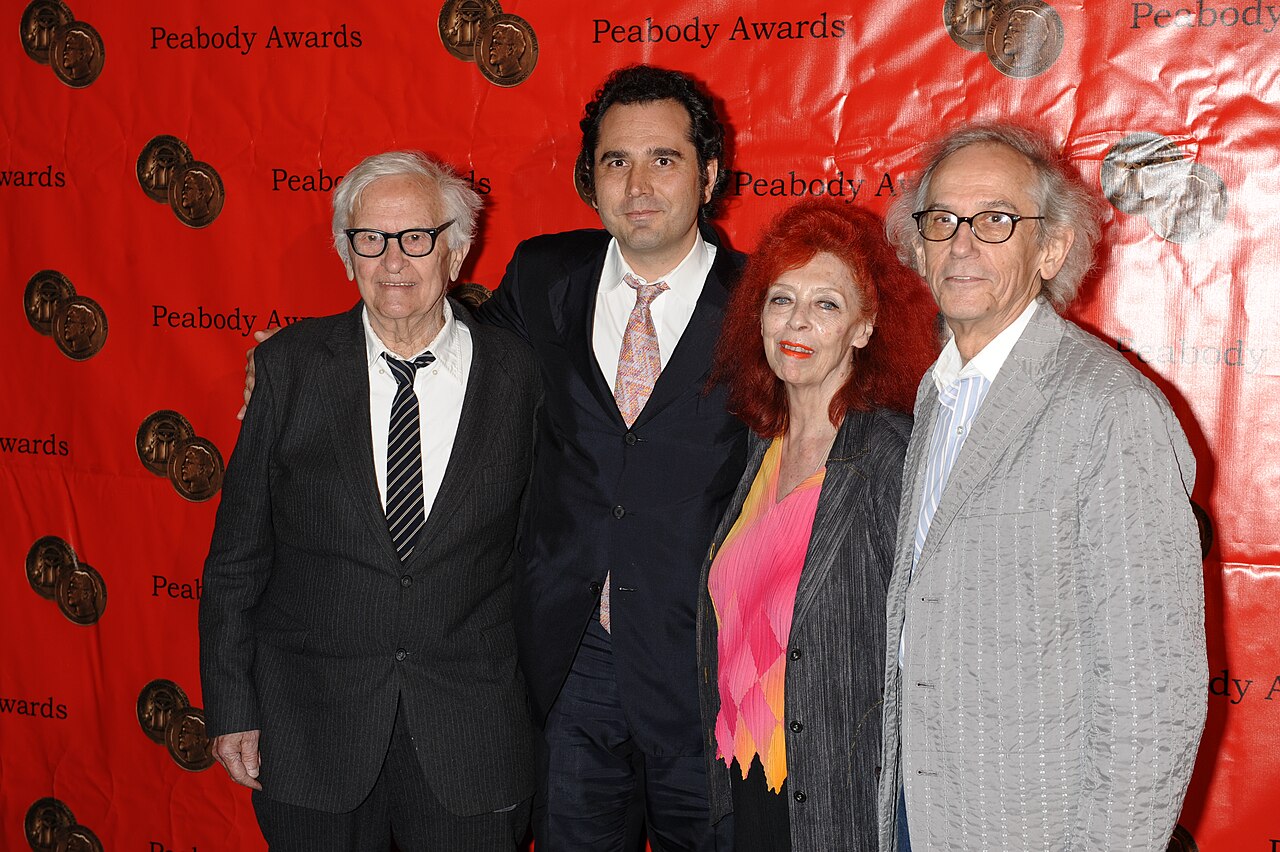
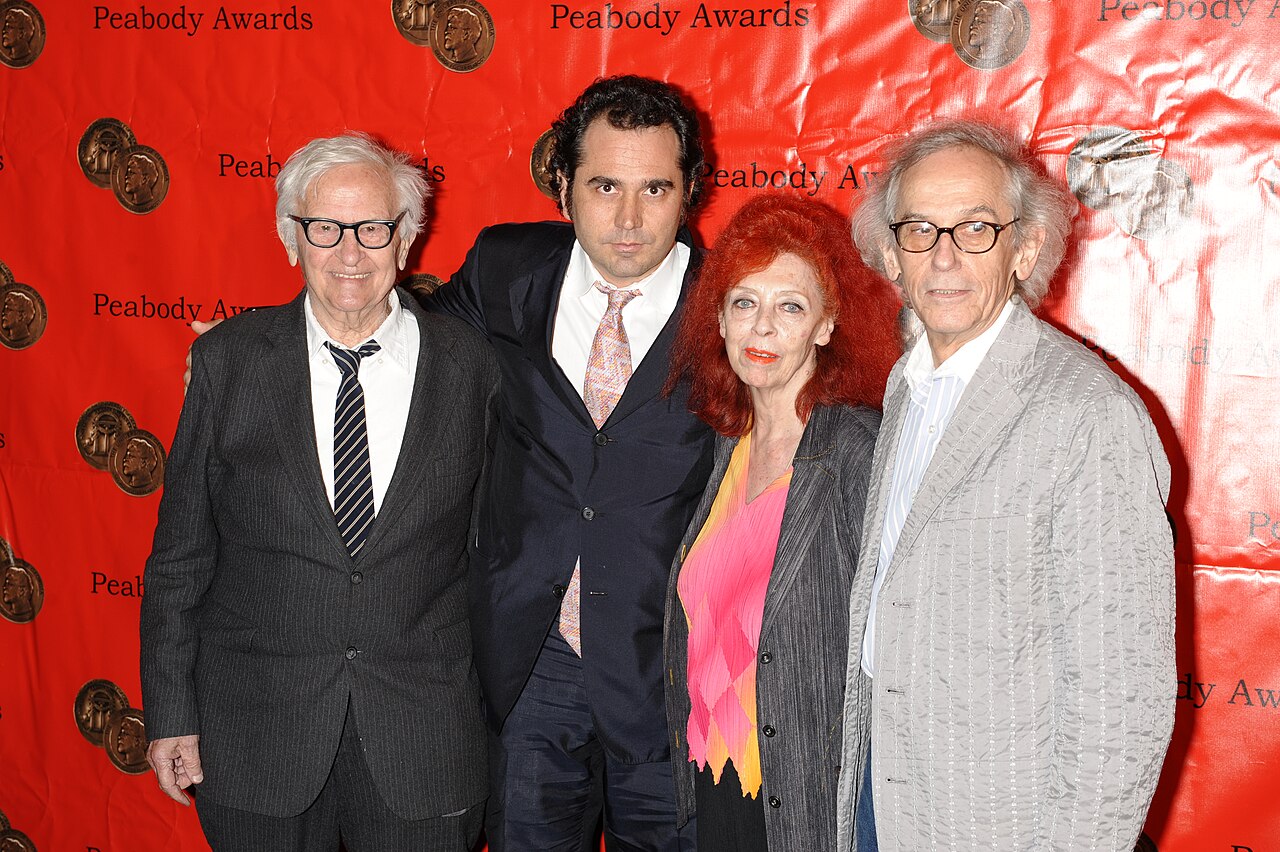
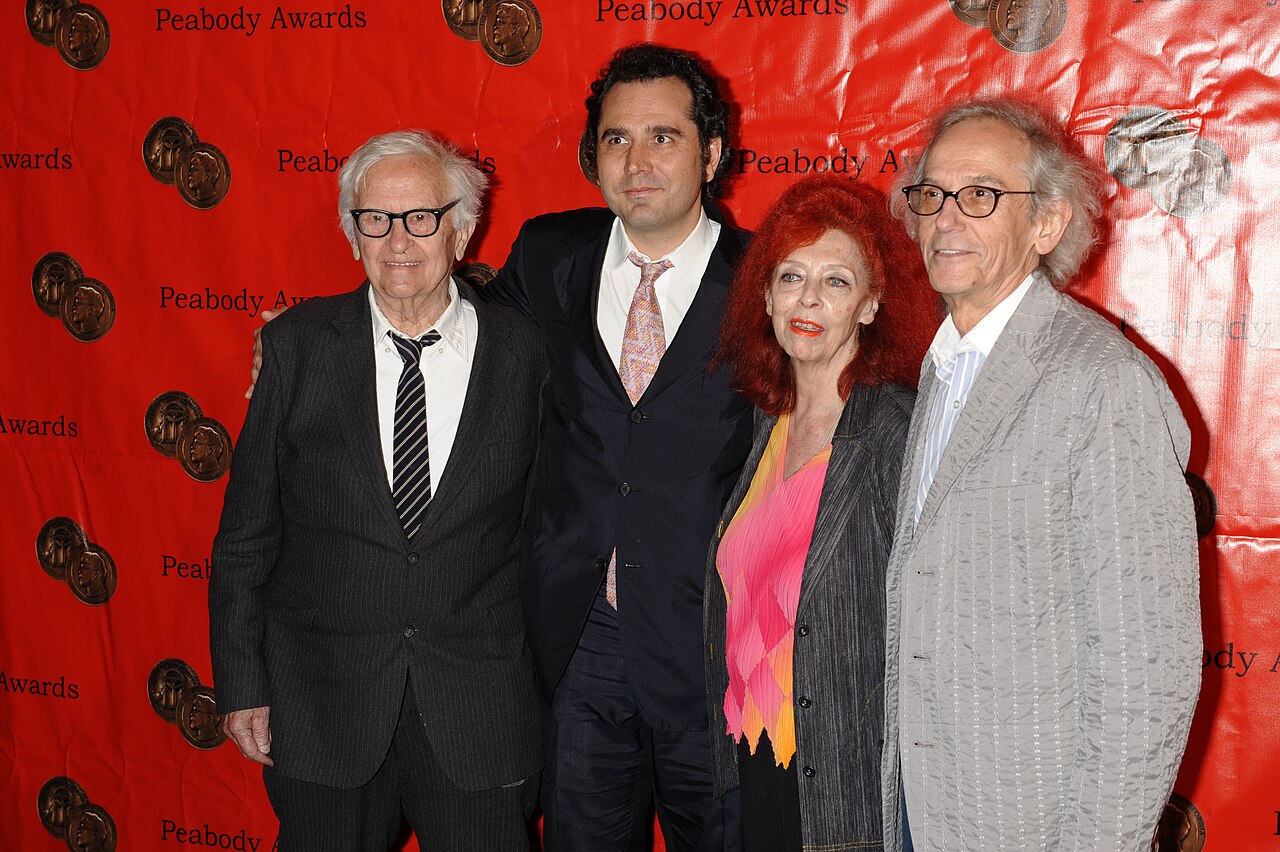
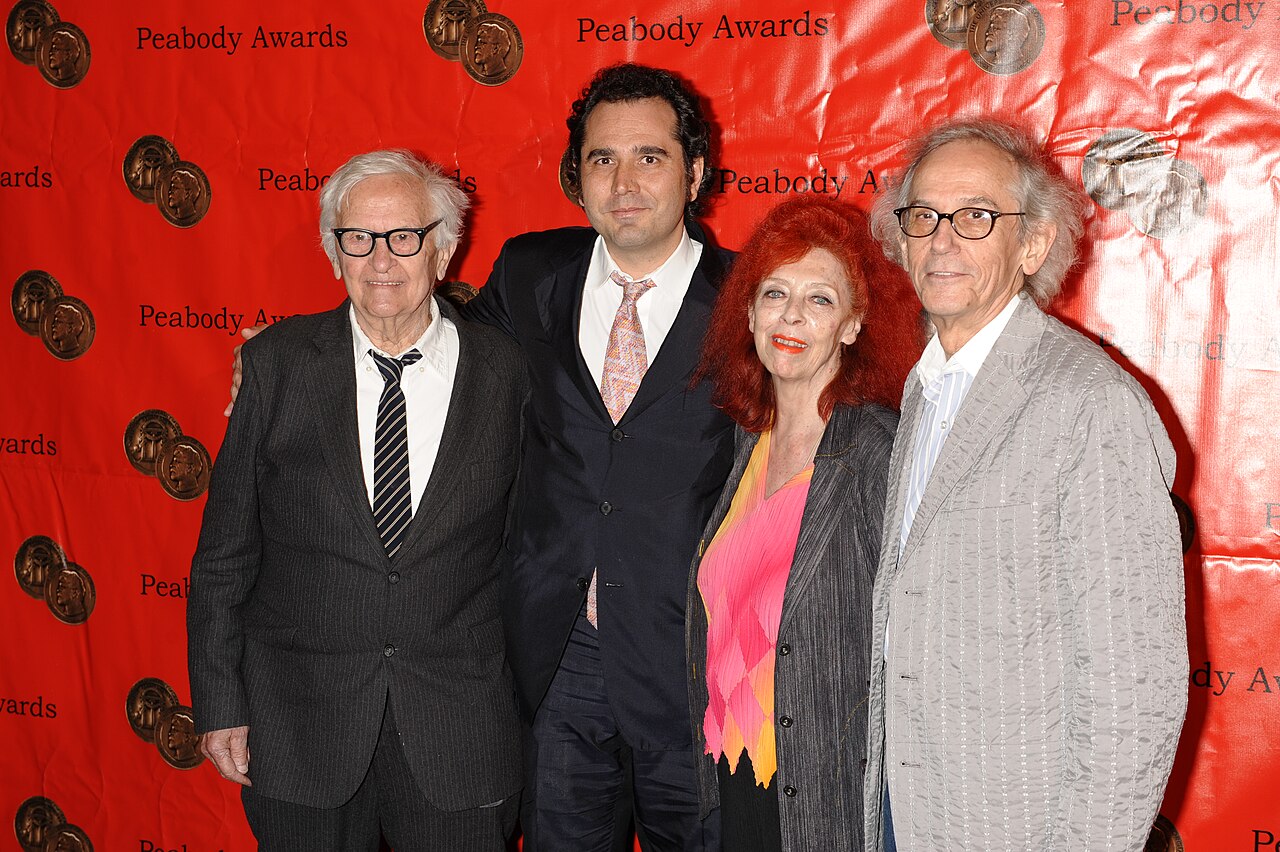
Peabody Awards · CC BY 2.0
Christo Vladimirov Javacheff (1935–2020) and Jeanne-Claude Denat de Guillebon (1935–2009), known as Christo and Jeanne-Claude, created massive, temporary environmental works that wrapped landmarks and landscapes in fabric—such as the Wrapped Reichstag, The Pont Neuf Wrapped, Running Fence, and The Gates in Central Park. Both born on June 13, 1935—Christo in Bulgaria, Jeanne-Claude in Morocco—they met in Paris in the late 1950s when he was hired to paint her mother’s portrait, and they married. Early on, they worked under Christo’s name alone, partly due to biases against female artists, but later credited their large outdoor pieces to both. After Jeanne-Claude’s death in 2009, Christo continued planning and executing projects until his own death in 2020.
Their installations were visually striking and often controversial, requiring years or decades of preparation involving technical challenges, political negotiations, permits, environmental reviews, hearings, and public persuasion. They never accepted grants, scholarships, donations, or public funds, instead financing everything by selling Christo’s preparatory sketches and works. Christo explained in 2018 that while he was anti-corporation, he was not anti-capitalist, and they worked closely with banks like Citibank and Credit Suisse. The artists considered the entire process of bringing a project to life—including the bureaucracy and labor—as part of the artwork itself. They insisted their pieces had no deeper meaning beyond their immediate aesthetic impact, existing simply for joy, beauty, and fresh perspectives on the familiar.
Their first joint show in Cologne in 1961 featured the three types of work they would become known for: wrapped objects, oil barrels, and temporary large-scale pieces. In 1962, they blocked a Paris alley with 240 barrels for several hours in *Iron Curtain*, a poetic response to the Berlin Wall. They hired assistants to do the actual wrapping, and Christo created sketches and preparatory works to sell for funding. To ensure their work could continue if one of them died, they flew on separate planes. After moving to New York in 1964, Christo made *Store Fronts* for four years, and his largest piece appeared at Documenta 4 in 1968. In the mid-1960s they created *Air Packages*—inflated, wrapped research balloons. In 1969, they wrapped the Chicago Museum of Contemporary Art while it remained open; the public panned it, and the fire department ordered it removed, but the order was ignored. With Australian collector John Kaldor and 100 volunteers, they wrapped Sydney’s Little Bay coast as *Wrapped Coast*, the first Kaldor Public Art Project.
In the early 1970s, they worked on *Valley Curtain*, an orange fabric curtain hung across a Colorado highway. They also attempted *Wrapped Walk Ways* (Tokyo and Holland) and *Wrapped Island* (South Pacific), neither of which succeeded. They formed a corporation to manage tax and liability issues, a model used for later projects. After a failed attempt in 1971, a new engineer and builder raised the curtain in August 1972, but it stood only 28 hours before wind destroyed it. This project, their most expensive to date and their first to involve construction workers, was documented by David and Albert Maysles; their film *Christo’s Valley Curtain* was nominated for an Academy Award in 1974. The Maysles went on to film many later projects.
Inspired by a snow fence, in 1972 they began planning *Running Fence*: a 24.5-mile white nylon fence on steel posts and cables running through California into the ocean. They paid ranchers for temporary land use and gave them the deconstructed materials afterward. The project faced 18 public hearings and three state court challenges. Construction started in April 1976, and the fence stood for two weeks in September before being taken down. In 1978, *Wrapped Walk Ways* covered 12,540 square meters of paths in Kansas City’s Loose Park with saffron-colored nylon fabric.
In the 1980s, they realized Jeanne-Claude’s idea to surround eleven islands in Miami’s Biscayne Bay with 603,850 square meters of pink polypropylene floating fabric. *Surrounded Islands* was completed on May 7, 1983, with 430 workers, and remained on view for two weeks. Workers wore pink long-sleeved shirts with pale blue text reading “Christo Surrounded Islands” and the designer’s name.
- died
- Jeanne-Claude: 2009; Christo: 2020
- field
- Environmental installation art
- known_for
- Large-scale wrapped landmarks and landscape elements
Verified Timeline
Lore & Background
Christo and Jeanne-Claude met in October 1958 when he was commissioned to paint a portrait of her mother. Near Christo's first solo show in Paris, in 1962, the pair blocked an alley with 240 barrels for several hours in a piece called Iron Curtain, a poetic reply to the Berlin Wall. They originally worked under the name 'Christo' to simplify dealings and their brand, given the difficulties of establishing an artist's reputation and the prejudices against female artists, but they would later retroactively credit their large-scale outdoor works to both 'Christo and Jeanne-Claude'. They eventually flew in separate planes such that, in case one crashed, the other could continue their work. The Gates, Central Park, New York, 1979–2005, refers to the time elapsed between the year of the artists' initial proposal and the year they were allowed to proceed, having received permission from the newly elected mayor Michael R. Bloomberg. The project cost an estimated US$21 million, which the artists planned to recoup by selling project documentation.
Reader's Guide
Christo and Jeanne-Claude described the myriad elements that brought the projects to fruition as integral to the artwork itself, and said their projects contained no deeper meaning than their immediate aesthetic impact; their purpose being simply for joy, beauty, and new ways of seeing the familiar. They refused grants, scholarships, donations or public money, instead financing the work via the sale of their own artwork. Christo stated in 2018, 'I studied Karl Marx in school and, though I may be anti-corporation, I am not anti-capitalist – in fact, we work closely with banks; Citibank, Credit Suisse, so many others.' The artists formed a corporation to benefit from tax and other liabilities, a form they used for later projects. Their work was typically large, visually impressive, and controversial, often taking years and sometimes decades of careful preparation – including technical solutions, political negotiation, permitting and environmental approval, hearings and public persuasion. Despite controversy and occasional accidents, their works attracted millions of visitors. The couple's collaboration, maintained even after Jeanne-Claude's death in 2009, produced iconic installations that remain benchmarks of environmental art.
Did You Know?
- Christo and Jeanne-Claude were both born on June 13, 1935, in Bulgaria and Morocco, respectively.
- In 1962, they blocked an alley with 240 barrels for several hours in a piece called Iron Curtain, a poetic reply to the Berlin Wall.
- They flew in separate planes so that if one crashed, the other could continue their work.
- The Gates in Central Park took 26 years from initial proposal in 1979 to installation in 2005.
- Christo's Valley Curtain was nominated for Best Documentary Short in the 1974 Academy Awards.
Career & Major Works
With the help of Australian collector John Kaldor, Christo and Jeanne-Claude and 100 volunteers wrapped the coast of Sydney's Little Bay as Wrapped Coast, the first piece for Kaldor Public Art Projects. Their 1978 Wrapped Walk Ways covered paths within Kansas City, Missouri's Loose Park in 12,540 square meters (135,000 square feet) of saffron-colored nylon fabric covering 4.4 kilometers (2.7 miles) of the park's formal garden walkways and jogging paths. Surrounded Islands was completed on May 7, 1983, with the aid of 430 workers and could be admired for two weeks. The Pont Neuf Wrapped attracted three million visitors. Wrapped Reichstag's 100,000 square meters of silver fabric draped the building, fastened with blue rope. The Gates was open to the public from February 12–27, 2005. A total of 7,503 gates made of saffron-colored fabric were placed on paths in Central Park. They were five meters (16 ft) high and had a combined length of 37 km (23 mi).
Defining Moments & Landmark Projects
Valley Curtain: an orange curtain of fabric to be hung across the mountainous Colorado State Highway 325. Following a failed attempt to mount the curtain in late 1971, a new engineer and builder-contractor raised the fabric in August 1972. The work only stood for 28 hours before the wind again destroyed the fabric. Running Fence: a 24.5-mile fence of white nylon, supported by steel posts and steel cables, running through the California landscape and into the ocean. In exchange for temporary use of ranch land, the artists agreed to offer payment and use of the deconstructed building materials. Others challenged its construction in 18 public hearings and three state court sessions. The fence began construction in April 1976 and the project culminated in a two-week display in September, after which it was deconstructed.
Philosophy & Self-Financing
The pair consistently insisted that their installations carried no hidden message or deeper conceptual layer beyond the immediate visual and emotional impact on the viewer. Their stated purpose was pure: to create joy, beauty, and fresh ways of perceiving familiar surroundings. They regarded every element of the process—the sketches, the technical problem-solving, the political negotiations, the permitting battles, the public hearings—as an integral part of the finished artwork rather than mere logistics. Financially, they operated on a strict principle of independence. They refused all grants, scholarships, donations, and public funding, instead covering the enormous costs of each project by selling their own preparatory paintings and drawings. Christo explained in 2018 that although he had studied Karl Marx in school and remained skeptical of corporate power, he was not opposed to capitalism; in practice, they worked closely with major banks including Citibank and Credit Suisse to structure their financing. They also formed a corporation to manage tax obligations and legal liabilities, a structure they carried through subsequent projects.
Partnership & Working Methods
For years they worked publicly under Christo's name alone, a practical choice shaped by the difficulty of building an artist's reputation and the prevailing prejudices against women in the art world. They later retroactively credited their major outdoor works to both names. Their division of labor was consistent: together they conceived each project, Christo produced the sketches and preparatory pieces that were sold to fund the installation, and they hired teams of assistants to carry out the physical wrapping. They even flew in separate planes so that if one crashed, the other could continue. After her death in 2009, Christo continued planning and executing new projects until his own passing in 2020, carrying forward the collaborative vision they had built over five decades.
Gallery
More in Modern & Contemporary Artists 1-24
Spotted an error? Know more?
This is a living reference — every entry is fact-audited, and reader corrections feed straight into our audit queue. Suggest an edit · See this site's audit record