Castle Sinister
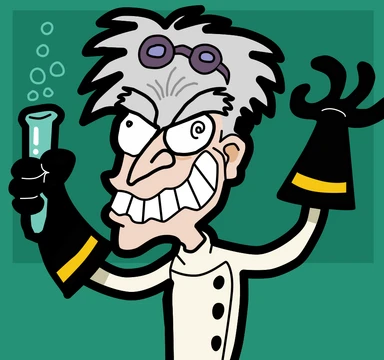
Lost 1932 British horror film about a mad scientist.

Castle Sinister is a lost 1932 British horror film produced, written and directed by Widgey R. Newman. It was produced by Delta Pictures and distributed by Filmophone, and starred Haddon Mason and Eric Adeney. The film is notable as a lost work from the early sound era, with no known surviving prints or materials.
Quick Facts
- Director
- Widgey R. Newman
- Starring
- Haddon Mason / Eric Adeney / Wally Patch
- Studio
- Delta Pictures
- Distributor
- Filmophone
- Released
- 1932 · 03
- Runtime
- 50 minutes
- Country
- United Kingdom
- Language
- English
Facts from the source article.
Lore & Background
The cast included Haddon Mason as Roland Kemp, Eric Adeney as Professor Bandov, Wally Patch as Jorkins, Ilsa Kilpatrick as Jean, and Edmund Kennedy as father. Contemporary reviews were largely negative. The Bioscope described the film as 'theatrically staged, poorly mounted and lighted and acted with such amateurism that it never for a moment convinces.' Kine Weekly noted that 'action is decidedly jerky, and except for its opening sequences at no time convincing,' though it acknowledged a 'short-lived thrill' from the ape-like man's makeup. The Daily Film Renter found the story 'somewhat meagre' but noted that a 'mystery atmosphere pervades throughout.' Ivan Patrick Gore in The Stage called it 'a praiseworthy effort to get away from the usual melodramatic material.'
Reader's Guide
Castle Sinister is significant primarily as a lost film from the early years of British sound horror. Its disappearance underscores the fragility of film preservation, especially for low-budget quota quickies produced to meet the Cinematograph Act's requirements. The British Film Institute has classed the film as lost, and its National Archive holds no ephemera, stills, or film or video materials. The film's reception reveals the critical standards of the time: reviewers uniformly criticized its amateurish production, wooden acting, and unconvincing story, while noting the effective makeup of the monster and the light relief provided by Wally Patch. The film's Frankenstein-like theme of glandular rejuvenation and brain grafting places it within the early horror cycle influenced by Universal's Frankenstein (1931). Its legacy is that of a cautionary example of how many early sound films have been lost entirely, leaving only trade paper reviews and plot summaries to document their existence.
Did You Know?
- The British Film Institute has classed Castle Sinister as a lost film, with no surviving prints, stills, or ephemera.
- The film was trade shown in six UK cities in 1932: London, Liverpool, Manchester, Newcastle, Nottingham, and Glasgow.
- The Bioscope described the film as 'for indulgent patrons only.'
- Wally Patch's Cockney expressions were noted as a 'bright spot' in an otherwise poorly received film.
More in Mad scientist films 1-24
Spotted an error? Know more?
Reader corrections go straight into our review queue. Suggest an edit · How this site is sourced