
Interview with the Vampire (film)
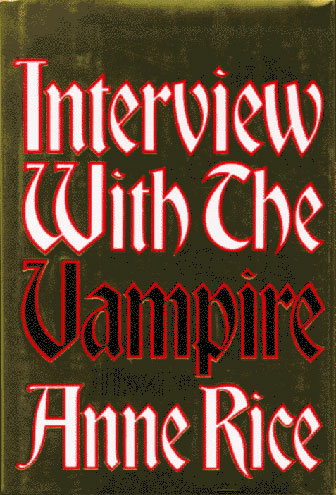
A 1994 horror film based on Anne Rice's novel.

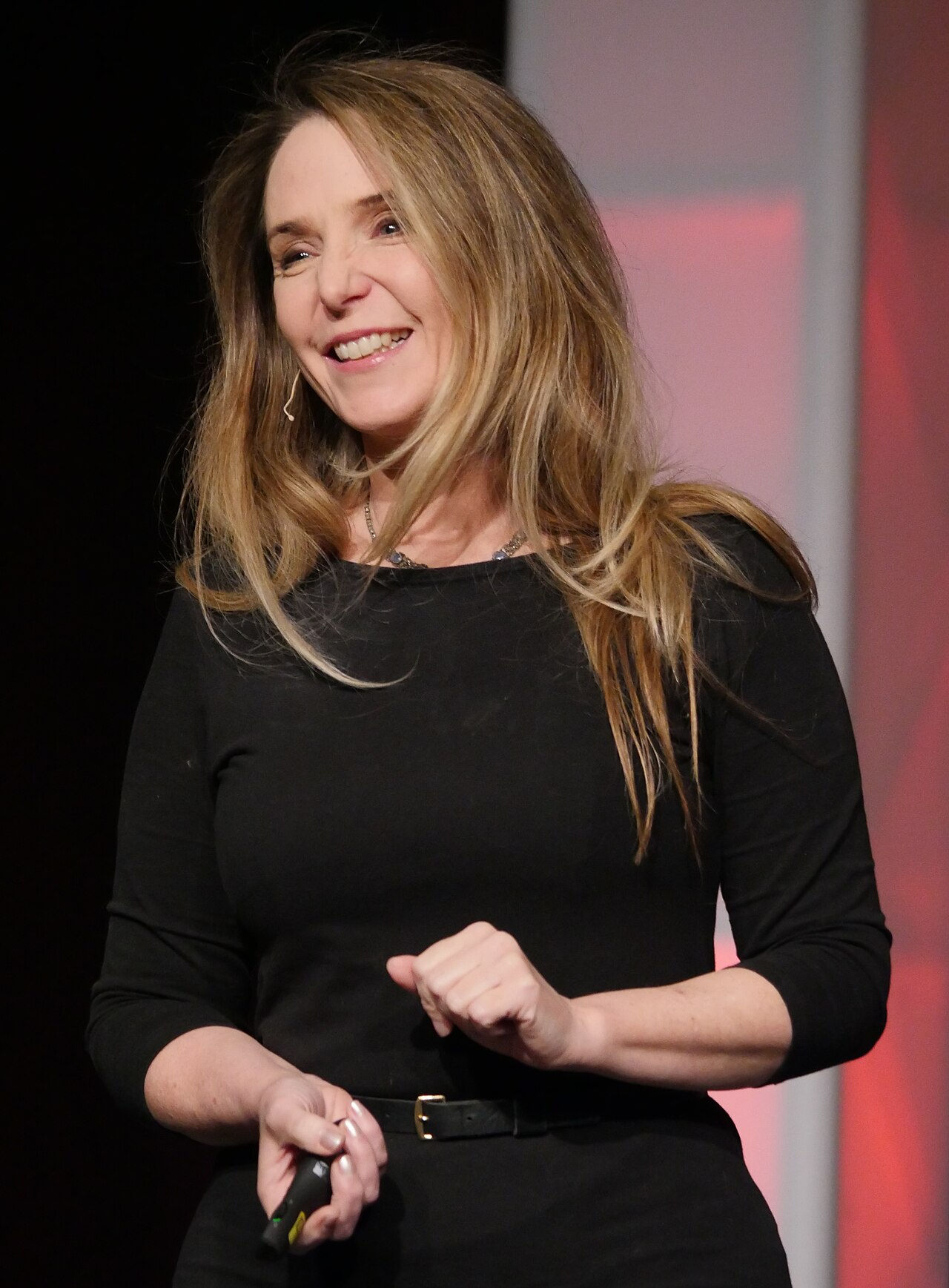
Rob Young from United Kingdom · CC BY 2.0
Interview with the Vampire is a 1994 American horror film directed by Neil Jordan and written by Anne Rice, based on her 1976 novel of the same name. It stars Tom Cruise as Lestat and Brad Pitt as Louis, beginning with Louis' transformation into a vampire in 1791. The film chronicles their time together and their turning of young Claudia into a vampire, framed by a modern-day interview in which Louis tells his story to a San Francisco reporter.
Quick Facts
- Director
- Neil Jordan
- Producer
- David Geffen / Stephen Woolley
- Screenplay
- Anne Rice
- Based On
- Interview with the Vampire · Anne Rice
- Starring
- Tom Cruise / Brad Pitt / Stephen Rea / Antonio Banderas / Christian Slater / Kirsten Dunst
- Music
- Elliot Goldenthal
- Cinematography
- Philippe Rousselot
- Editing
- Mick Audsley / Joke van Wijk
- Studio
- The Geffen Film Company
- Distributor
- Warner Bros.
- Released
- 11 November 1994
- Runtime
- 122 minutes
Facts from the source article.
Lore & Background
The film focuses on Lestat (Cruise) and Louis (Pitt), beginning with Louis' transformation into a vampire by Lestat in 1791. Louis resists killing humans, drinking animal blood instead, until Lestat turns the dying girl Claudia into a vampire to keep Louis with him. After thirty years, Claudia, furious at never aging, tricks Lestat into drinking dead blood and slits his throat, but Lestat survives. Louis and Claudia flee to Europe, settling in Paris in September 1870, where they encounter the vampire coven Théâtre des Vampires led by Armand. The coven punishes them for Lestat's murder, killing Claudia and her companion Madeleine by sunlight. Louis burns the theater in revenge and rejects Armand. Decades later, Louis returns to New Orleans in 1988 and finds a weakened Lestat, but declines to rejoin him. In the framing story, reporter Daniel Molloy interviews Louis, and after Louis attacks him, Lestat appears on the Golden Gate Bridge and offers Molloy the choice to become a vampire.
Reader's Guide
Interview with the Vampire was released by Warner Bros. to generally positive reviews and commercial success, grossing $223.7 million against a $60 million budget. It received two Academy Award nominations for Best Art Direction and Best Original Score, and Kirsten Dunst was nominated for a Golden Globe for Best Supporting Actress. The film's production was notable for its unprecedented budget for a vampire movie, with producer David Geffen pouring money into an epic scale. Director Neil Jordan was influenced by Francis Ford Coppola's Dracula in bringing opulence and theatricality to the genre. The casting of Tom Cruise as Lestat was initially criticized by author Anne Rice, who later changed her mind after seeing the completed film. A stand-alone sequel, Queen of the Damned, was released in 2002 with Stuart Townsend and Matthew Newton replacing Cruise and Banderas, respectively.
Did You Know?
- The film is based on Anne Rice's 1976 novel of the same name.
- Tom Cruise received a record $10 million salary plus a percentage of the profits.
- Anne Rice initially criticized Cruise's casting but later called him to compliment him after seeing the film.
A Story Framed by Confession
The film structures its narrative as a modern-day confession: in 1991 San Francisco, a reporter named Daniel Molloy sits down with a self-identified vampire, Louis de Pointe du Lac, and records his life story onto cassette tapes. Louis's tale stretches back to 1791 Louisiana, where he was a wealthy plantation owner plunged into despair after the death of his pregnant wife. That grief draws him to the New Orleans waterfront, where Lestat de Lioncourt senses his dissatisfaction with mortality and offers him eternal life. What follows is a study in contrasting vampiric philosophies—Lestat revels in the hunt while Louis resists killing, sustaining himself on animal blood. Their dynamic shifts when, during a plague outbreak, they turn a dying little girl named Claudia, creating a fractured family. Claudia's eventual maturation of mind while her body remains that of a child sets in motion a chain of betrayal, murder, and vengeance that carries Louis through Paris, Europe, and decades of solitary wandering before he returns to New Orleans in 1988 to find a diminished Lestat. The interview concludes with Molloy's desperate request to be turned, and Lestat's chilling appearance on the Golden Gate Bridge.
From Development Hell to a Landmark Budget
The path from Anne Rice's 1976 novel to the silver screen was anything but straightforward. Paramount Pictures acquired the film rights in April 1976, barely before the book hit shelves, but the project stalled in development hell for years. The rights eventually migrated through Lorimar before landing at Warner Bros. Pictures, which brought in director Neil Jordan following the massive critical success of The Crying Game in 1992. Jordan described the screenplay as "really interesting and slightly theatrical," and after reading Rice's novel himself, he became particularly drawn to the undercurrents of Catholic guilt that permeate the story, calling it a profound meditation on the weight of guilt. He agreed to helm the project on one condition: he would write his own adaptation, though he never received a writing credit. Producer David Geffen attached himself to the project and secured a budget of seventy million dollars—a figure that was, as Jordan noted, unprecedented for a film in the vampire genre, which had traditionally been produced on shoestring budgets with rudimentary sets. This financial backing allowed the production to realize a far more ambitious, dark, and theatrical vision than the genre had previously seen.
A Triad of Eternal Conflict
At the heart of the film is a three-way dynamic that drives every major turn of the plot. Tom Cruise embodies Lestat de Lioncourt, the charismatic, pleasure-seeking vampire who created Louis and views the hunt as a joy. Brad Pitt portrays Louis de Pointe du Lac, a guilt-ridden, moralistic vampire who resists the killing instinct and sustains himself on animal blood, a choice that annoys his creator. Kirsten Dunst plays Claudia, the little girl turned into a vampire during a New Orleans plague outbreak to bind Louis to Lestat. Louis loves Claudia as a daughter, while Lestat treats her as a pupil to be trained into a merciless killer. This fundamental disagreement over Claudia's purpose fractures the trio. After thirty years, Claudia's mind matures while her body remains that of a child, and her fury at her eternal stasis leads her to orchestrate Lestat's murder using the dead blood of twin boys she killed. The supporting cast extends this web of conflict: Antonio Banderas and Stephen Rea appear as Santiago and Armand, members of the Théâtre des Vampires coven in Paris, whose theatrical horror performances for human audiences and their unforgiving punishment for Lestat's murder deepen the film's exploration of loyalty, betrayal, and the cost of immortality.
Box Office Triumph and a Fractured Legacy
Warner Bros. released the film on November 11, 1994, and it was met with generally positive critical reception. Commercially, it was a significant success, grossing approximately $223.7 million worldwide against a production budget of $60 million. The film earned two Academy Award nominations, in the categories of Best Art Direction and Best Original Score, acknowledging the production's visual and musical ambition. Kirsten Dunst received a Golden Globe nomination for Best Supporting Actress for her portrayal of Claudia, a role that showcased her ability to convey profound emotional depth while appearing as a child. Despite this critical and commercial achievement, the film's legacy as a franchise proved complicated. A stand-alone sequel, Queen of the Damned, arrived in 2002, but it replaced both Cruise and Banderas with new actors—Stuart Townsend took over the role of Lestat and Matthew Newton assumed the part of Armand. This casting overhaul, combined with the sequel's mixed reception, meant that the original 1994 film remains the definitive screen adaptation of Rice's novel, a singular achievement in the vampire genre that has not been meaningfully followed.
Gallery

Frequently Asked Questions
What is Interview with the Vampire (1994)?
It is a 1994 American horror film directed by Neil Jordan, adapted from Anne Rice's 1976 novel of the same name. Tom Cruise plays the charismatic vampire Lestat while Brad Pitt portrays the tormented Louis, whose transformation into a vampire takes place in 1791.
What is the LGBTQ connection in Interview with the Vampire (1994)?
The film's emotional core is the intense, ambiguous bond between two male vampires, exploring desire, identity, and the pain of being an 'other' in a world that rejects you. Though neither character is explicitly labeled queer, fans and scholars widely read their relationship as queer-coded, and the film became a touchstone for LGBTQ audiences navigating fantasy narratives.
Who wrote and directed Interview with the Vampire (1994)?
Neil Jordan directed the film, and Anne Rice adapted her own 1976 novel into the screenplay. The production carried a $60 million budget and ultimately grossed roughly $223.7 million at the worldwide box office.
How does the story of Interview with the Vampire (1994) end?
The narrative is framed by a modern-day interview in which Louis recounts his centuries of vampire life to a San Francisco reporter. The film closes with Louis finishing his long confession, leaving his ultimate fate deliberately open-ended.
Why is Interview with the Vampire (1994) significant to LGBTQ fantasy fans?
Released in a period when same-sex desire was rarely centered in mainstream genre cinema, it gave queer audiences a fantasy story built around longing, self-identity, and the cost of living outside accepted norms. It helped pave the way for later vampire and dark-fantasy narratives that treat queer desire as a legitimate emotional core rather than a subplot.
More in LGBTQ-related fantasy films 1-24
Spotted an error? Know more?
Reader corrections go straight into our review queue. Suggest an edit · How this site is sourced