
Celia Cruz
Cuban singer who performed at the 1988 Carnival of Santa Cruz de Tenerife.

via Wikipedia: Carnival of Santa Cruz de Tenerife · see source
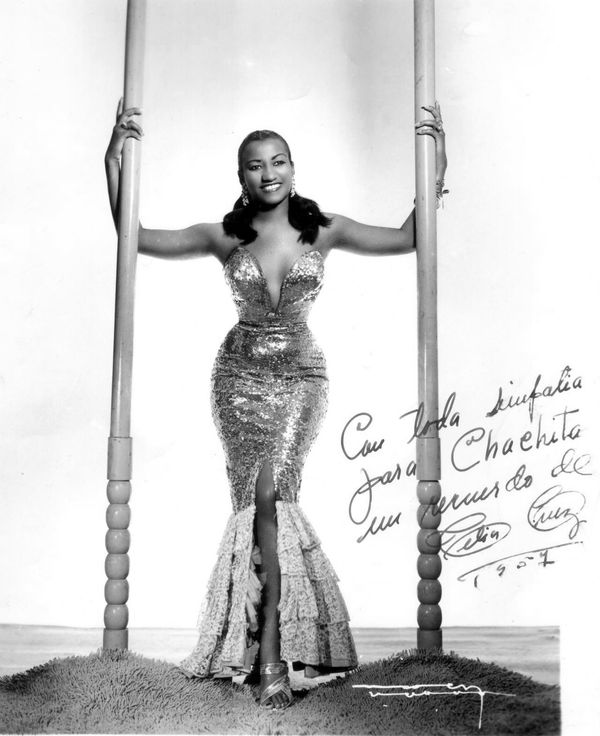
Celia Caridad Cruz Alfonso, known worldwide as Celia Cruz, was a Cuban-American singer who became one of the most celebrated Latin music artists of the 20th century. Born on 21 October 1925 in Havana’s Santos Suárez neighborhood, she was the eldest of four siblings among a household of fourteen children. Her father worked as a railway stoker, while her mother cared for the extended family. Cruz began singing as a very young child, often lulling her cousins and siblings to sleep with cradle songs. She performed in school and with a local neighborhood ensemble called Botón de oro. Growing up in the diverse musical environment of 1930s Cuba, she absorbed influences from musicians such as Fernando Collazo, Abelardo Barroso, and Arsenio Rodríguez. Despite her Catholic upbringing, she learned Santería songs from a neighbor and later studied Yoruba-language religious music with the singer Merceditas Valdés. As a teenager, she sang in cabarets with her aunt and cousin, though her father encouraged her to become a teacher. She attended a teachers’ normal school with that goal, but a teacher noted that entertainers could earn in a day what teachers earned in a month. From 1947, she studied music theory, voice, and piano at Havana’s National Conservatory of Music. Her first public performance came on an amateur radio program, where she sang the tango “Nostalgia” and won a cake as first prize. She continued winning contests on other radio shows, once splitting a prize with fellow competitor Vilma Valle. In the 1940s, declassified US State Department papers later revealed that Cruz had been linked to Cuba’s pre-Revolution communist party, the Popular Socialist Party, joining its youth wing at age twenty and assisting with a secret meeting in South America. She was denied a US visa in 1952 and 1955 due to suspected communist affiliations. Cruz rose to fame in the 1950s as a vocalist for the group Sonora Matancera, a partnership lasting fifteen years. She mastered Afro-Cuban styles including rumba, afro, and bolero, recording for Seeco Records. After the Cuban Revolution nationalized the music industry in 1960, she left Cuba, becoming a symbol of the exiled Cuban community. She settled in the United States, collaborating with Tito Puente and later signing with Fania Records, where she became the “Queen of Salsa” with hits like “Quimbara.” She sold over thirty million recor
- died
- 16 July 2003
Verified Timeline
Quick Facts
- Birth Name
- Celia Caridad Cruz Alfonso
- Birth Date
- df=yes · 1925 · 10 · 21
- Birth Place
- Havana, Republic of Cuba
- Death Date
- df=yes · 2003 · 7 · 16 · 1925 · 10 · 21
- Death Place
- Fort Lee, New Jersey, U.S.
- Occupation
- Singer / actress
- Years Active
- 1948–2003
- Spouse
- Pedro Knight · 14 July 1962
- Instrument
- Vocals
- Label
- Seeco / Tico / Fania / Barbaro / RMM / Sony Discos
- Past Member Of
- Sonora Matancera
Facts from the source article.
Lore & Background
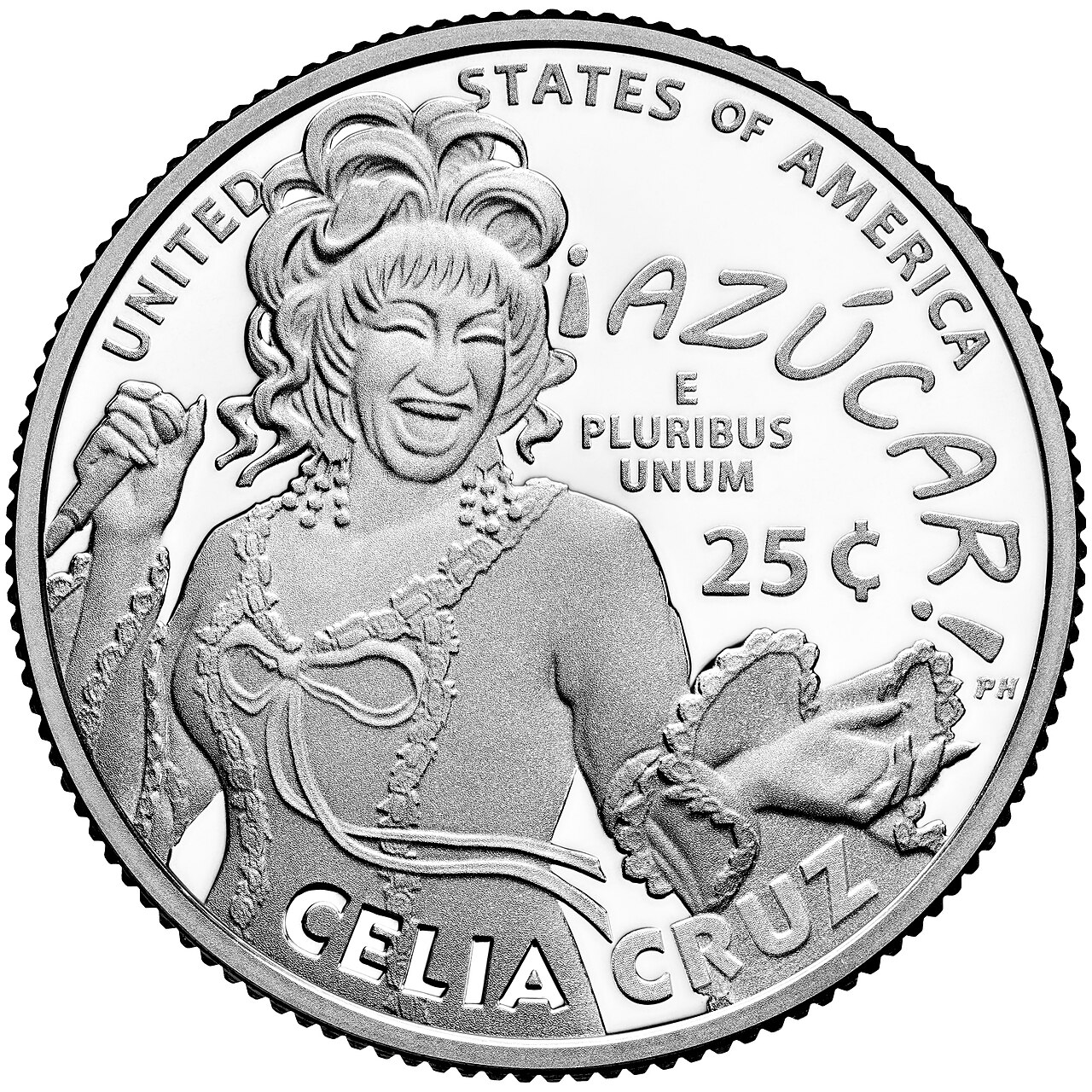
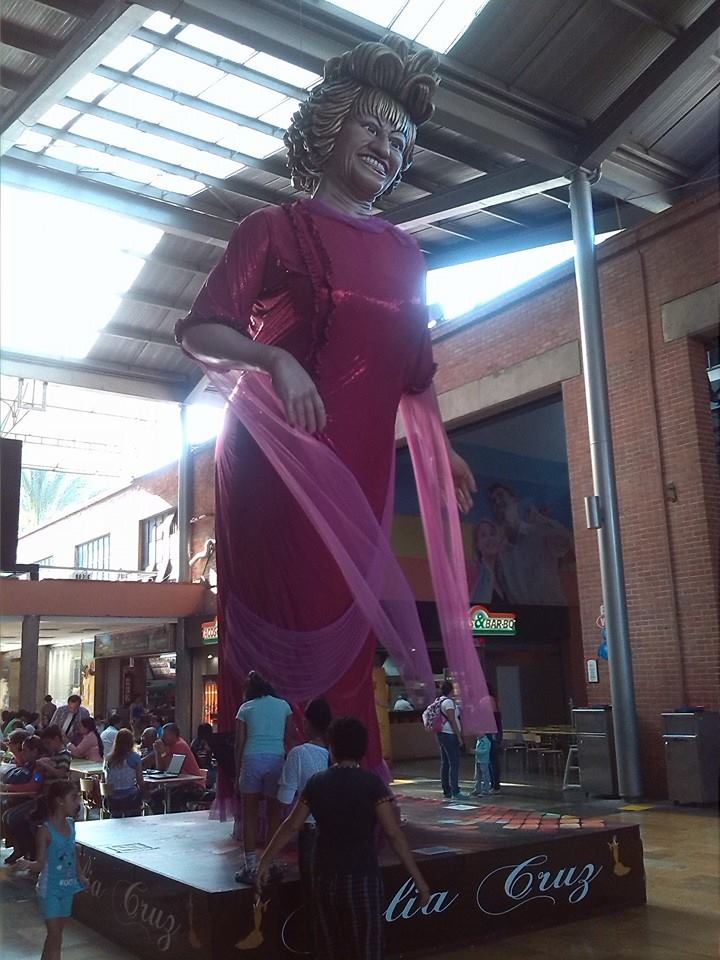
Celia Cruz possessed a striking stage presence, often performing in flamboyant, brightly colored costumes and towering wigs that became part of her visual identity. Her voice was powerful and versatile, capable of navigating complex Afro-Cuban rhythms. She was born in the Santos Suárez neighborhood of Havana, Cuba, and grew up in a household with many cousins and siblings, where she began singing as a very young child. As a teenager, she sang in cabarets with her aunt and cousin, and she later studied music theory, voice, and piano at Havana’s National Conservatory of Music. Her career began in earnest when she won amateur radio contests, including a performance of the tango "Nostalgia" that earned her a cake as a prize. She rose to fame as the lead vocalist of the popular group Sonora Matancera, a role she held for fifteen years. Cruz mastered a wide array of styles, including rumba, afro, and bolero. After leaving Cuba following the revolution, she settled in the United States, where she became a symbol for the Cuban exile community. Her signature catchphrase, "¡Azúcar!" ("Sugar!"), became an iconic element of her performances and of salsa music.
Reader's Guide
Celia Cruz's 1987 performance at the Carnival of Santa Cruz de Tenerife is a key moment in the carnival's history. The concert, held with Billo's Caracas Boys, achieved a Guinness World Record for the largest outdoor plaza concert attendance, with 250,000 people. This event is part of the carnival's tradition of hosting major musical acts; in 2019, Juan Luis Guerra surpassed that attendance with over 400,000 dancers, though without official notarization. The carnival itself is held each February–March in Santa Cruz de Tenerife, the capital of the largest island of the Canary Islands, Spain, and is considered the second most important carnival internationally after Rio de Janeiro. The city is twinned with Rio de Janeiro partly for this reason.
Did You Know?
- Celia Cruz performed at the 1988 Carnival of Santa Cruz de Tenerife.
- Her 1988 concert drew 250,000 people.
- The Carnival of Santa Cruz de Tenerife is considered the second most important carnival internationally, after Rio de Janeiro.
Gallery


Frequently Asked Questions
Who is Celia Cruz?
Celia Cruz was a Cuban-born singer widely celebrated as the Queen of Salsa. She became one of the most recognizable voices in Latin music through decades of vibrant, high-energy performances.
What is Celia Cruz's role in Latin music?
She is regarded as a defining figure in salsa and Latin popular music, known for her powerful voice and electrifying stage presence. Her career spanned multiple decades and genres, from son cubano to salsa.
What happened at the 1988 Carnival of Santa Cruz de Tenerife?
Celia Cruz headlined the carnival that year in front of a crowd of roughly 250,000 spectators. It remains one of the most cited live performances of her career.
When did Celia Cruz die?
Celia Cruz passed away on 16 July 2003. She continued performing up until her final years, maintaining her signature energy on stage.
Why is Celia Cruz important to Latin music history?
Her decades-long career helped elevate salsa to a global phenomenon and inspired generations of Latin artists. She broke barriers as a Cuban woman in the music industry and remains a cultural icon across the Spanish-speaking world.
More in Latin Music Icons 1-24
Spotted an error? Know more?
This is a living reference — every entry is fact-audited, and reader corrections feed straight into our audit queue. Suggest an edit · See this site's audit record