
Amália Rodrigues
Portuguese fado singer who popularised the genre globally.

via Wikipedia: 2025 in Latin music · see source
Amália da Piedade Rodrigues, widely known as the Queen of Fado, was a Portuguese singer born in the Lisbon parish of Pena on 23 July 1920, though she herself maintained her birthday was 1 July 1920. Her father, Albertino de Jesus Rodrigues, hailed from the Castelo Branco district, while her mother, Lucinda da Piedade Rebordão, came from Fundão parish, also in Castelo Branco. Raised in poverty, Rodrigues worked odd jobs such as selling fruit on Lisbon’s quays. She began singing around 1935, and her first professional fado venue engagement occurred in 1939. Classically trained composer Frederico Valério recognized her potential and wrote numerous melodies for her, including “Fado do Ciúme” and “Ai Mouraria.” By the early 1940s, she was a famous singer in Portugal, debuting in film with *Capas Negras* in 1946 and starring in her best-known movie, *Fado*, in 1947. She gained popularity in Spain, Brazil, and Paris, and in 1950 introduced “April in Portugal” (originally “Coimbra”) to international audiences at Marshall Plan benefit shows. The early 1950s saw a new phase when leading poets like David Mourão-Ferreira began writing specifically for her. Rodrigues traveled internationally from 1943, performing in Madrid, Brazil, Berlin, Mexico, and France, and became the first Portuguese artist on American TV in 1953. She performed at Hollywood’s Mocambo club and appeared in Henri Verneuil’s film *The Lovers of Lisbon*. In France, she was nearly as popular as in Portugal, performing at the Parisian Olympia hall for ten seasons between 1956 and 1992. Charles Aznavour wrote a fado in French for her. Her 1962 comeback album with French composer Alain Oulman established signature songs like “Povo Que Lavas no Rio” and “Maria Lisboa.” Oulman, a left-wing intellectual, was arrested by Portugal’s political police in 1966 and forced into exile but continued contributing. Rodrigues resumed her stage career in 1966, singing in Israel, the UK, France, the US, the USSR, and Romania. She continued acting in films such as *Sangue Toureiro* and *Fado Corrido*, and starred in the 1964 arthouse film *The Enchanted Islands*. Her 1965 recording of poems by Luís de Camões sparked newspaper polemics. Her 1968 single “Vou dar de beber à dor” broke sales records, and her 1970 album *Com que voz* won international awards. She was awarded Portugal’s Film Award for Best Actress for *Fado* in 1
- field
- Fado singer (fadista), actress
- nationality
- Portuguese
- known_for
- Popularising fado worldwide; best-selling Portuguese artist in recorded music history
Lore & Background
Amália Rodrigues was a Portuguese fado singer, widely known as the “Queen of Fado.” She was born in the Pena parish of Lisbon, though she maintained her birthday was 1 July 1920, contrary to official records. Her father, Albertino de Jesus Rodrigues, came from the Castelo Branco district, and her mother, Lucinda da Piedade Rebordão, was from the Fundão parish in the same district; her maternal grandfather worked as a blacksmith in Souto da Casa. Raised in poverty, she worked odd jobs, including selling fruit on Lisbon’s quays. She began singing around 1935, with her first professional fado venue engagement in 1939. Her early career included stage revues and a meeting with composer Frederico Valério, who wrote melodies for her such as “Fado do Ciúme” and “Ai Mouraria.” By the early 1940s, she was famous in Portugal. She debuted in film in 1946 with *Capas Negras*, followed by her best-known movie, *Fado* (1947), for which she won Portugal’s Film Award for Best Actress. Her international reach expanded to Spain, Brazil, and Paris, and in 1950 she introduced “April in Portugal” (originally “Coimbra”) at Marshall Plan benefit shows. In the early 1950s, poet David Mourão-Ferreira began writing for her, marking a new phase. She performed in Berlin, Mexico, France, and was the first Portuguese artist on American TV (ABC, 1953). She sang at Hollywood’s Mocambo club in 1954 and appeared in Henri Verneuil’s film *The Lovers of Lisbon*. In France, she was nearly as popular as in Portugal, performing at the Olympia hall for ten seasons between 1956 and 1992. Her 1962 comeback album, with composer Alain Oulman, established signature songs like “Povo Que Lavas no Rio” and “Abandono.” She also sang her own poems and those by other poets. In the 1960s, she performed in Israel, the UK, the US (including New York and the Hollywood Bowl), the USSR, and Romania. She recorded with jazz saxophonist Don Byas and released an album of American songs, *Amália On Broadway*. Her 1968 single “Vou dar de beber à dor” broke sales records, and her 1970 album *Com que voz* won international awards. She remains the best-selling Portuguese artist in recorded music history.
Reader's Guide
Amália Rodrigues is central to the history of fado, having transformed it from a local Portuguese genre into an internationally recognised art form. Her extensive international travel and performances—from Madrid and Paris to the US, Brazil, Japan, and the USSR—brought fado to global audiences. Her voice, which changed over time to a lower pitch with new intensity, and her signature songs remain emblematic of Portuguese culture. Her career began in the late 1930s, and by the early 1940s she was already famous in Portugal. A classically trained composer created melodies for her, and later, leading poets wrote lyrics specifically for her, marking a new artistic phase. She introduced the song "April in Portugal" to international audiences in 1950. Her recordings included poems by 16th-century poet Luís de Camões, which sparked public debate. She also recorded an album with a jazz saxophonist and another of American songs. Her 1970 album won several international awards. She acted in films, winning Portugal’s Best Actress award for a 1947 film and again in 1965 for a non-singing role. Her comeback album in the early 1960s, created with a French composer, established signature songs and a new fado sub-genre. This composer was arrested by the political police and forced into exile but continued to work with her. She performed at the Parisian Olympia hall for ten seasons over several decades.
Did You Know?
- She recorded an album of American songs with Norrie Paramor's orchestra, titled Amália On Broadway, including a rendition of 'Summertime'.
Gallery
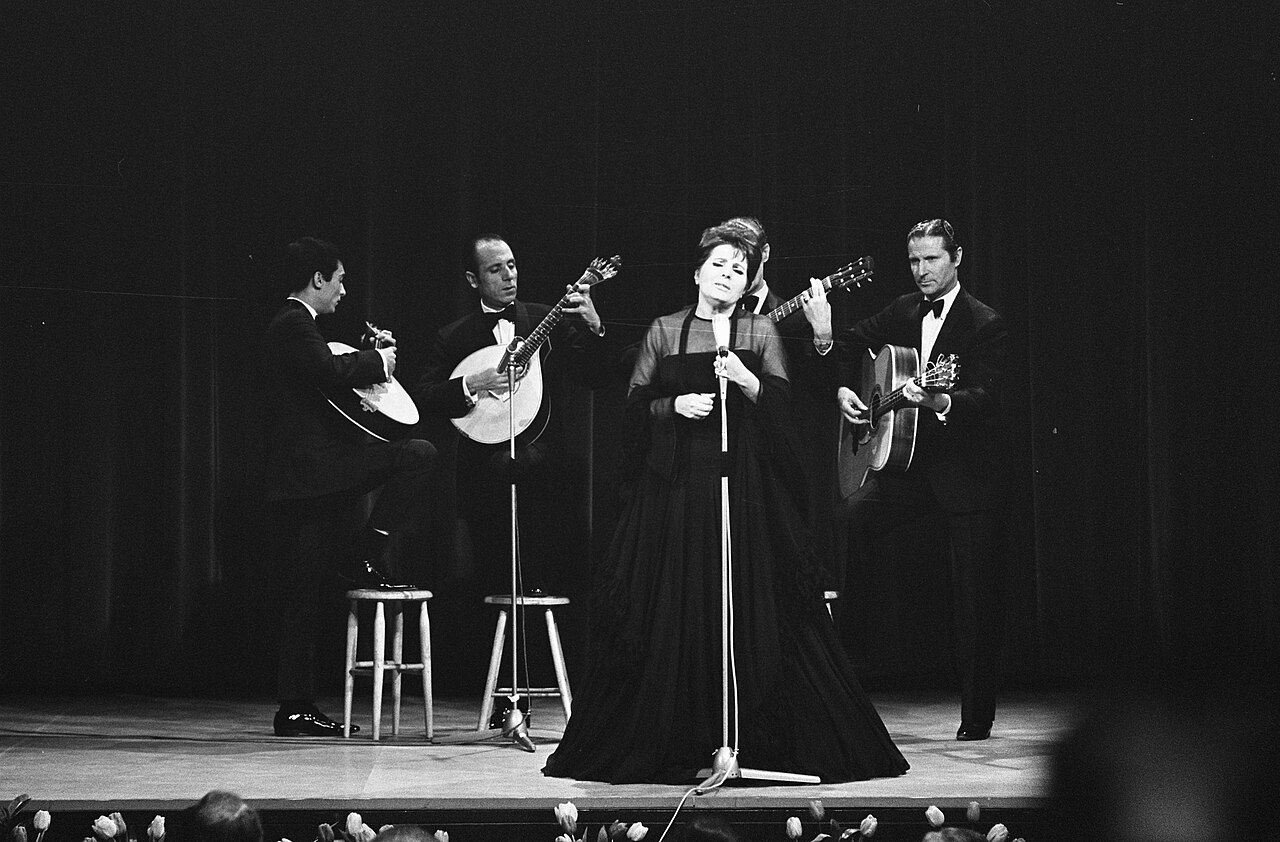
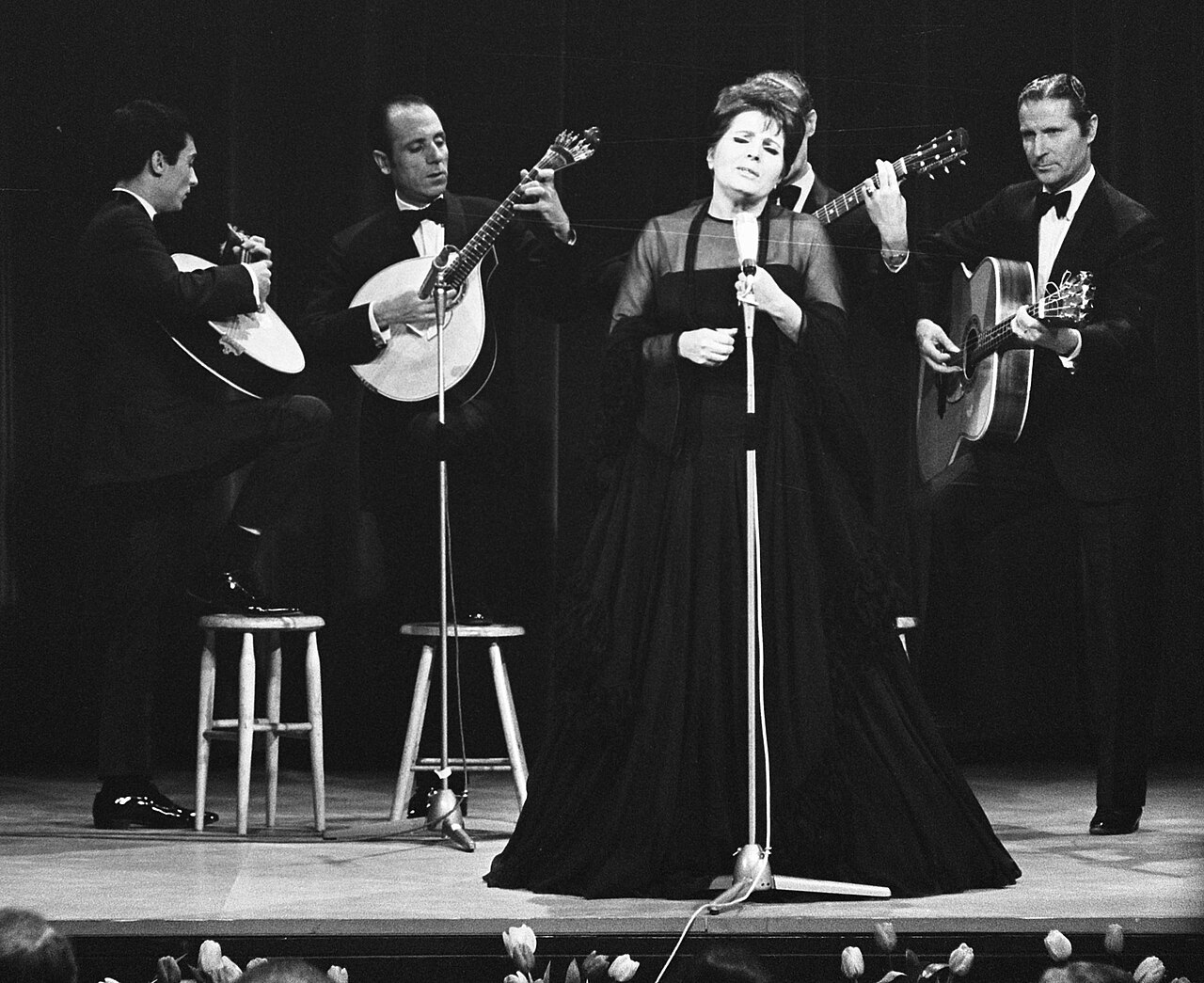
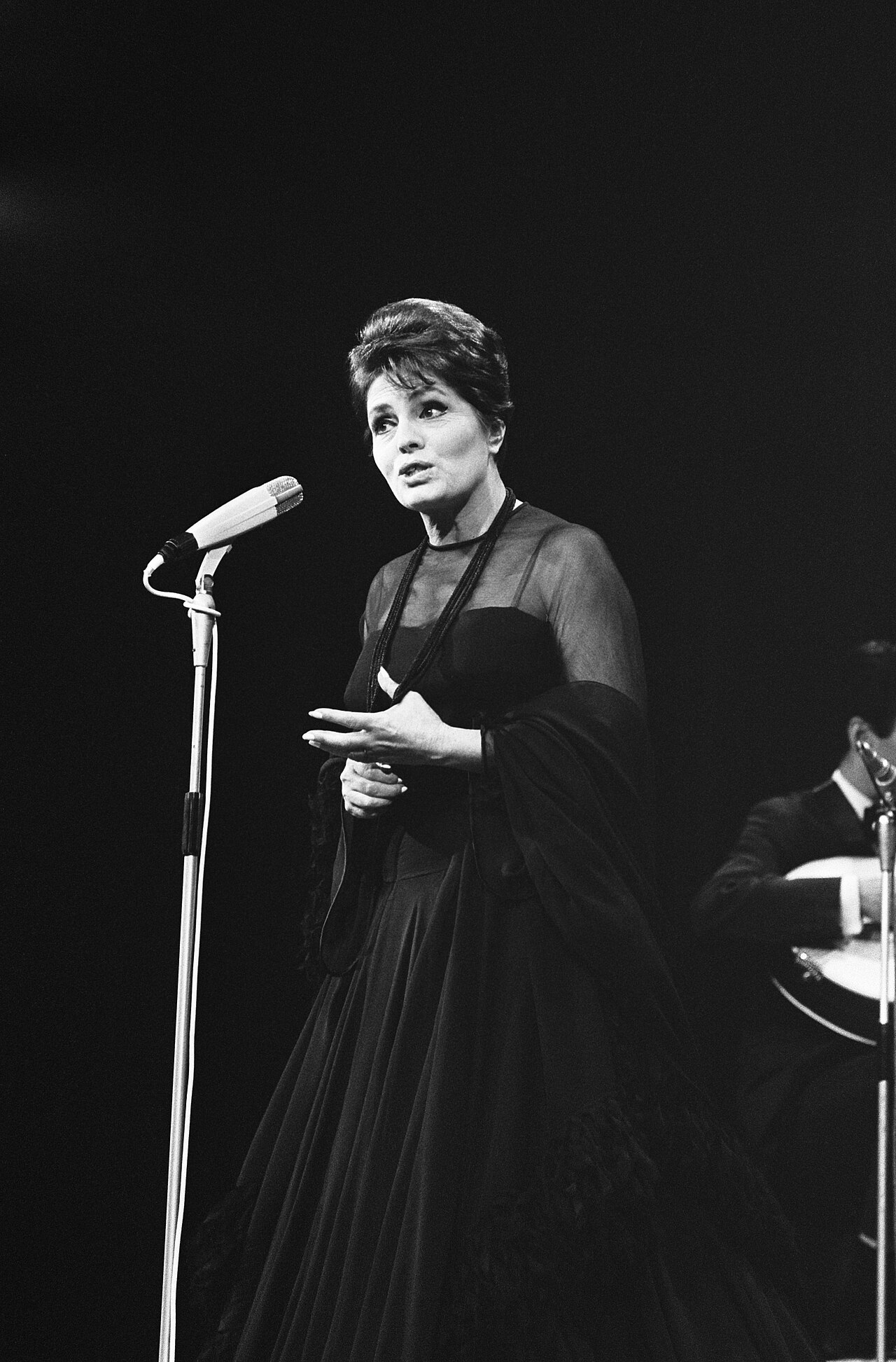
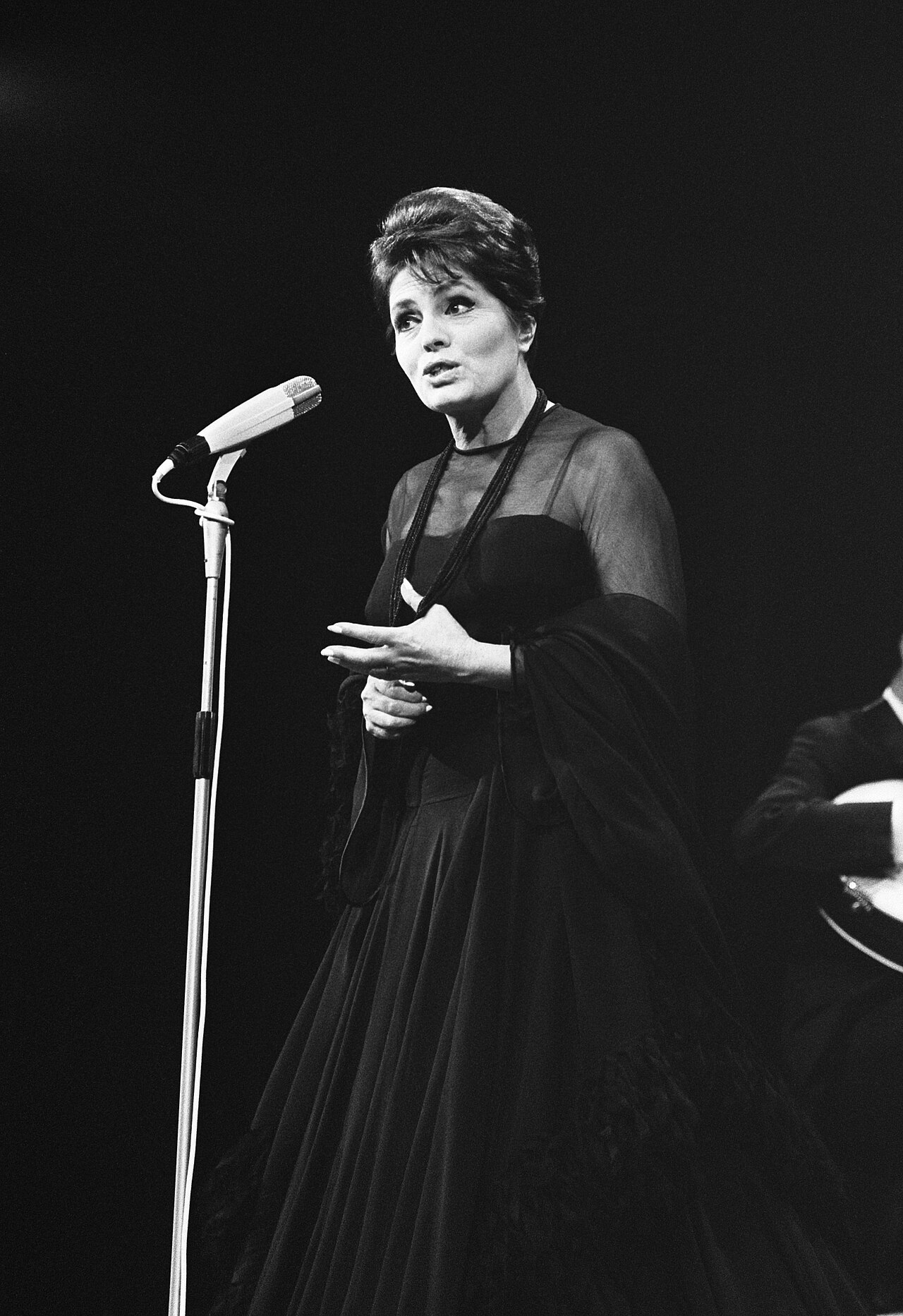
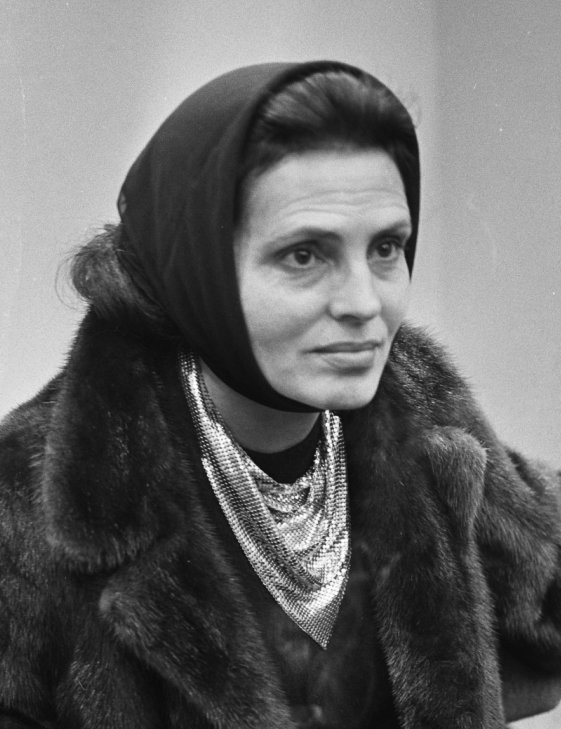
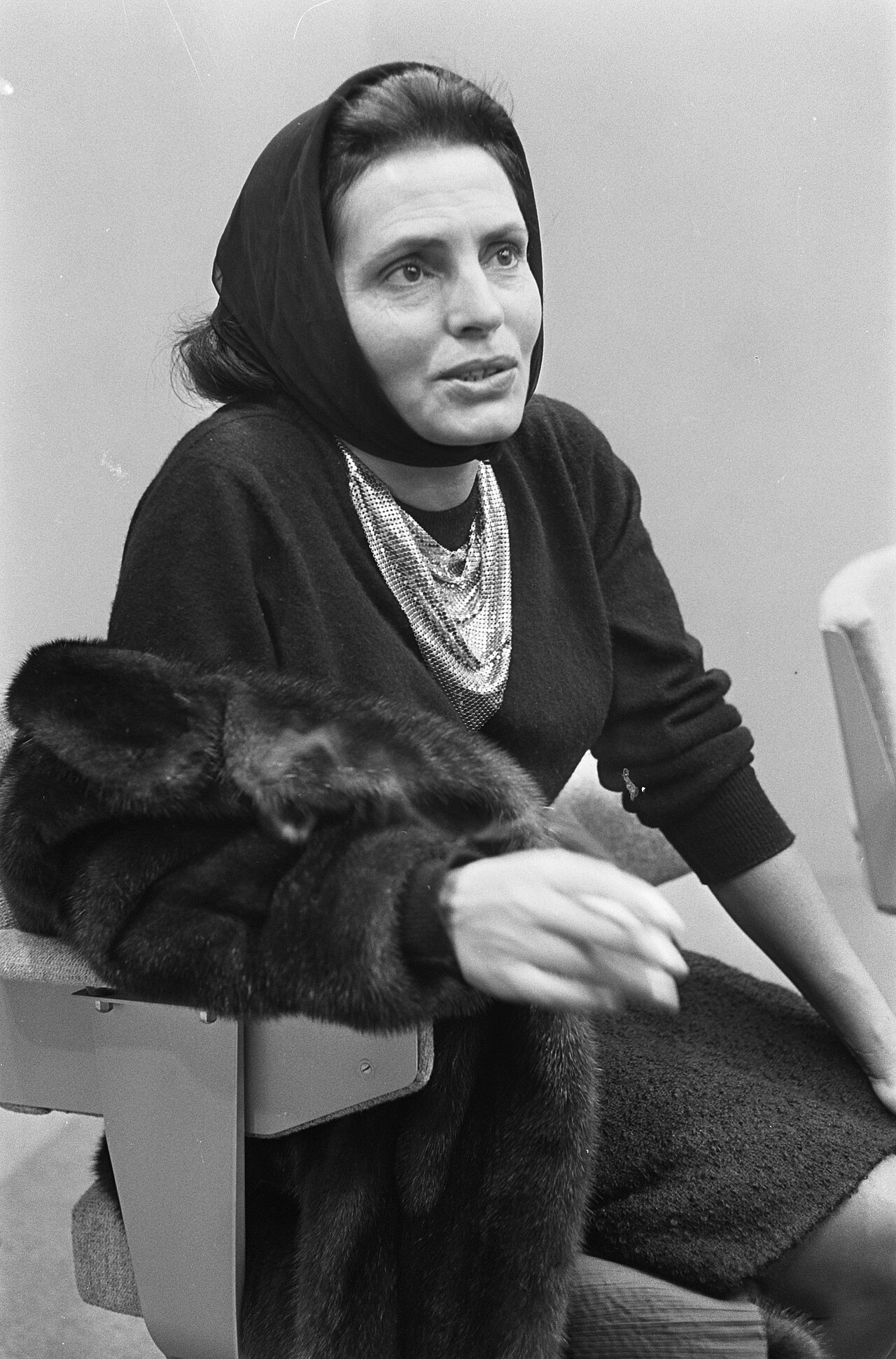
Frequently Asked Questions
Who is Amália Rodrigues?
She was a Portuguese fadista and actress who became the most iconic voice of the fado tradition. Her recordings and live performances carried the genre far beyond Portugal's borders.
What genre is Amália Rodrigues associated with?
She specialized in fado, a deeply emotional Portuguese musical tradition rooted in saudade and storytelling. She also appeared in film as an actress alongside her singing career.
Why is Amália Rodrigues important in music history?
She holds the record as the best-selling Portuguese artist in the entire history of recorded music. Her global tours and recordings introduced millions of listeners to fado for the very first time.
How did Amália Rodrigues change the world's perception of fado?
Before her career, fado was largely a local Lisbon phenomenon, but her international work turned it into a recognized world music genre. She made the tradition's melancholic themes and guitar-driven sound accessible to audiences across the globe.
What is Amália Rodrigues's lasting legacy?
She remains the definitive reference point for anyone studying or performing fado today. Her recordings set both the commercial and artistic benchmark that later fadistas still measure themselves against.
More in Latin Music Icons 1-24
Related in Latin Music Icons
Links follow this subject's own source article.
Spotted an error? Know more?
This is a living reference — every entry is fact-audited, and reader corrections feed straight into our audit queue. Suggest an edit · See this site's audit record