
Andrés Segovia
Spanish classical guitarist who revived the guitar as a concert instrument.

via Wikipedia: Violeta Parra · see source
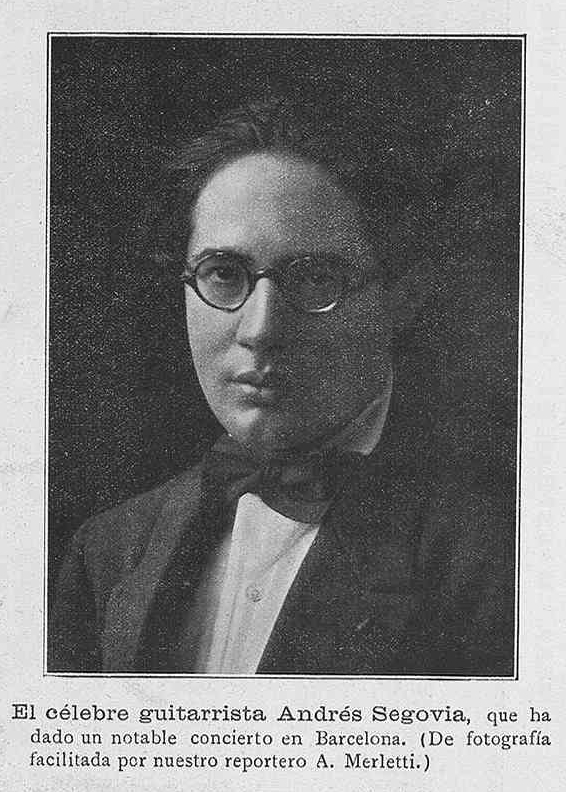
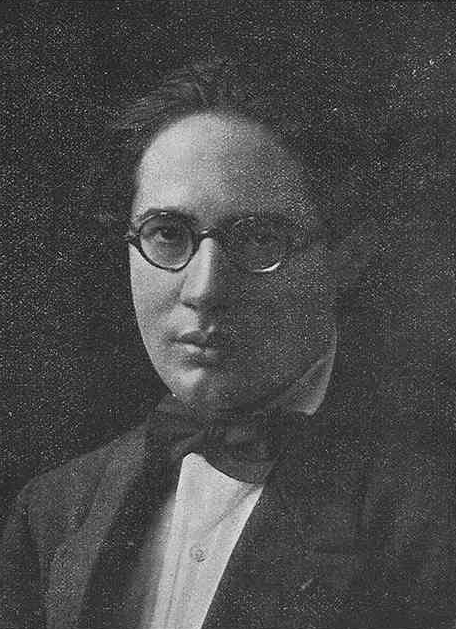
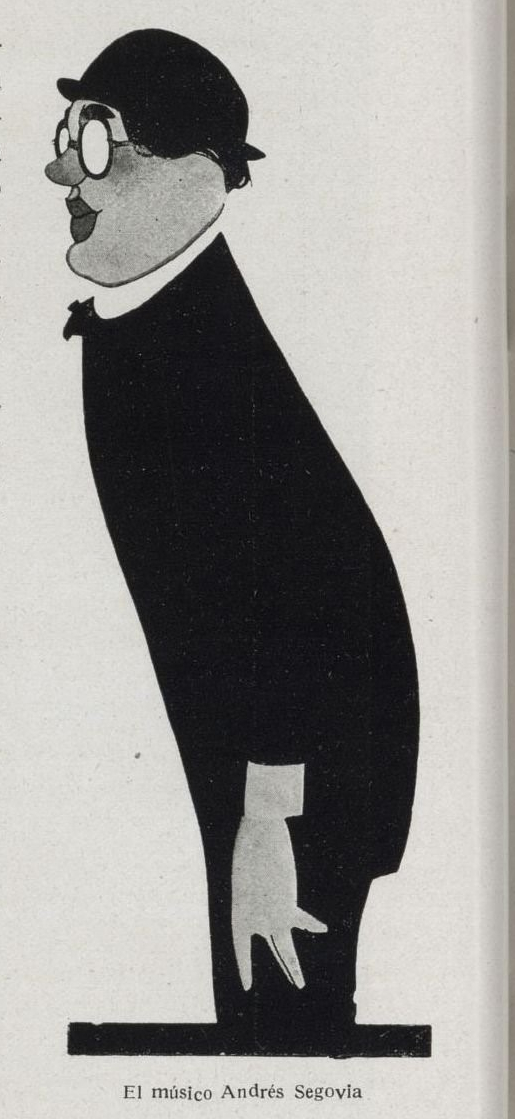
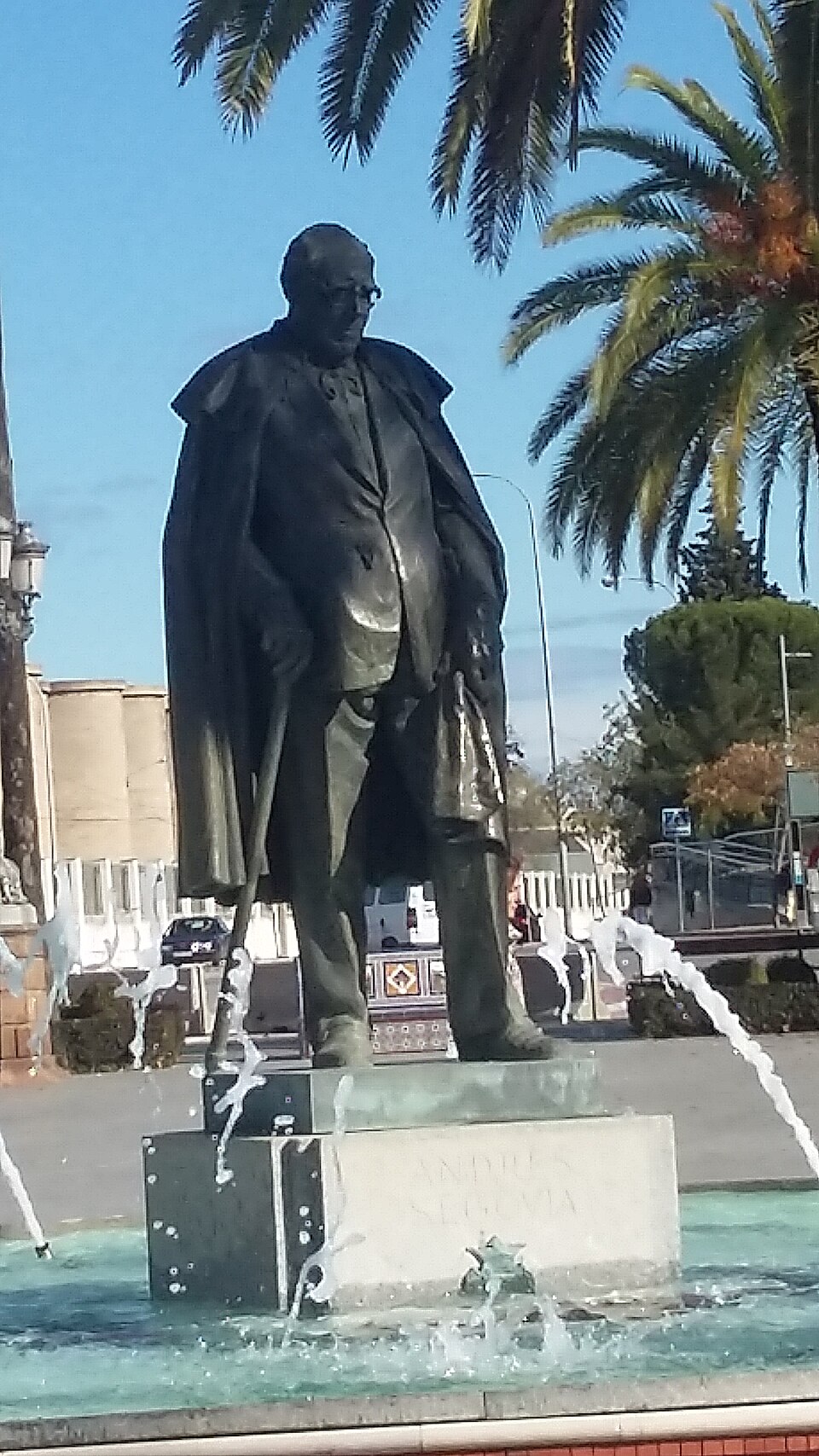
Andrés Segovia Torres, 1st Marquis of Salobreña (21 February 1893 – 2 June 1987), was a Spanish virtuoso classical guitarist. A vast number of professional classical guitarists can trace their training back to Segovia himself or to his students. He shaped the modern-romantic repertoire by commissioning new works and by making his own transcriptions of classical and baroque pieces. He is remembered for his expressive performances, marked by a wide tonal palette and a distinctive musical personality, phrasing, and style.
Born in Linares, Jaén, Segovia was sent as a very young child to live with his uncle Eduardo and aunt María. Recognizing Segovia’s musical aptitude, Eduardo arranged for his first lessons with a violin teacher, but the teacher’s strict methods made this an unhappy introduction to music, and the lessons stopped. His uncle then moved the family to Granada for a better education, where Segovia resumed his musical studies. During his formative years, he was aware of flamenco but said he “did not have a taste” for it, preferring instead the works of Fernando Sor, Francisco Tárrega, and other classical composers. Tárrega agreed to give the self-taught Segovia lessons but died before they could meet, leaving Segovia to describe his early education as “the double function of professor and pupil in the same body.”
Segovia gave his first public performance in Granada at age 16 in 1909. A few years later, he played his first professional concert in Madrid, featuring works by Tárrega and his own guitar transcriptions of Johann Sebastian Bach. Despite his family’s wish for him to become a lawyer and criticism from some of Tárrega’s pupils over his idiosyncratic technique, he continued his studies. He performed again in Madrid in 1912, at the Paris Conservatory in 1915, and in Barcelona in 1916, followed by a successful tour of South America in 1919. His rise on the international stage coincided with a revival of the guitar as a concert instrument, largely driven by Miguel Llobet. In this changing environment, Segovia’s strength of personality and artistry, along with advances in recording and broadcasting, helped restore the guitar’s popularity.
In 1921 in Paris, he met Alexandre Tansman, who later wrote several guitar works for him, including *Cavatina*, which won a prize at the Siena International Composition contest in 1952. That same year, he met Agustín Barrios in Buenos Aires and was impressed by Barrios’s Bach-inspired *La Catedral*, arguably his magnum opus. In 1922, Segovia became associated with the Concurso de Cante Jondo in Granada, promoted by Manuel de Falla to preserve pure flamenco from modern popular music. Though Segovia had developed as a fine flamenco guitarist, his direction was now classical. Invited to open the Concurso at the Alhambra, he played Falla’s *Homenaje a Debussy*.
Visiting Mexico for the first time in 1923, Segovia so impressed Manuel Ponce that Ponce wrote a review in *El Universal* and later composed many works for him, including several sonatas. In 1924, Segovia visited German luthier Hermann Hauser Sr. after hearing his instruments in a Munich concert. Hauser provided him with a guitar in 1928, which Segovia used on his U.S. tour and other concerts until 1933. He later ordered another guitar from Hauser and passed the 1928 model to his American representative Sophocles Papas, who gave it to his student Charlie Byrd, who used it on several records.
Segovia’s first American tour was arranged in 1928 after violinist Fritz Kreisler persuaded Francis Charles Coppicus of the Metropolitan Musical Bureau to present him in New York. Following that debut tour, Heitor Villa-Lobos composed his *Twelve Études* and dedicated them to Segovia. Their lasting relationship led Villa-Lobos to continue writing for him. Segovia also transcribed many classical pieces and revived transcriptions by predecessors like Tárrega.
In 1932, Segovia met composer Mario Castelnuovo-Tedesco in Venice. Since Castelnuovo-Tedesco did not play guitar, Segovia provided him with compositions to study, such as Ponce’s *Folias variations* and Sor’s *Mozart Variations*. Castelnuovo-Tedesco went on to compose many guitar works dedicated to Segovia, including the *Concerto Op. 99* of 1939—the first guitar concerto of the 20th century and his last work in Italy before emigrating to the United States. Segovia premiered it in Uruguay that year. In 1935, he gave his first public performance of Bach’s Chaconne, a notoriously difficult piece. He moved to Montevideo and performed many concerts in South America through the 1930s and early 1940s.
After World War II, Segovia recorded more frequently and maintained a regular schedule of tours across Europe and America for 30 years. In 1954, Joaquín Rodrigo dedicated *Fantasía para un gentilhombre* to him. Segovia won the 1958 Grammy Award for Best Classical Performance, Instrumentalist for his recording *Segovia Golden Jubilee*.
- field
- Classical guitar
- nationality
- Spanish
- known_for
- Expressive performances, wide tonal palette, reviving the guitar as a concert instrument
Verified Timeline
Quick Facts
- Honorific Prefix
- The Most Illustrious
- Birth Name
- Andrés Segovia Torres
- Birth Date
- 1893-02-21
- Birth Place
- Linares, Jaén, Spain
- Death Date
- 1987-06-02
- Death Place
- Madrid, Spain
- Occupation
- Guitarist
- Years Active
- 1909–1987
- Website
- http: · www.segoviaguitar.com
Facts from the source article.
Lore & Background
Segovia was born in Linares, Jaén, and sent to live with his uncle Eduardo and aunt María. Eduardo arranged violin lessons after recognizing Segovia's musical aptitude, but the teacher's strict methods ended the lessons. The family moved to Granada for better education, where Segovia resumed music studies. Tárrega agreed to give lessons but died before they could meet, leaving Segovia self-taught, acting as both professor and pupil. His first professional concert in Madrid included works by Tárrega and his own guitar transcriptions of Bach. Despite family discouragement and criticism from Tárrega's pupils, he continued. He died in Madrid of a heart attack at age 94.
Reader's Guide
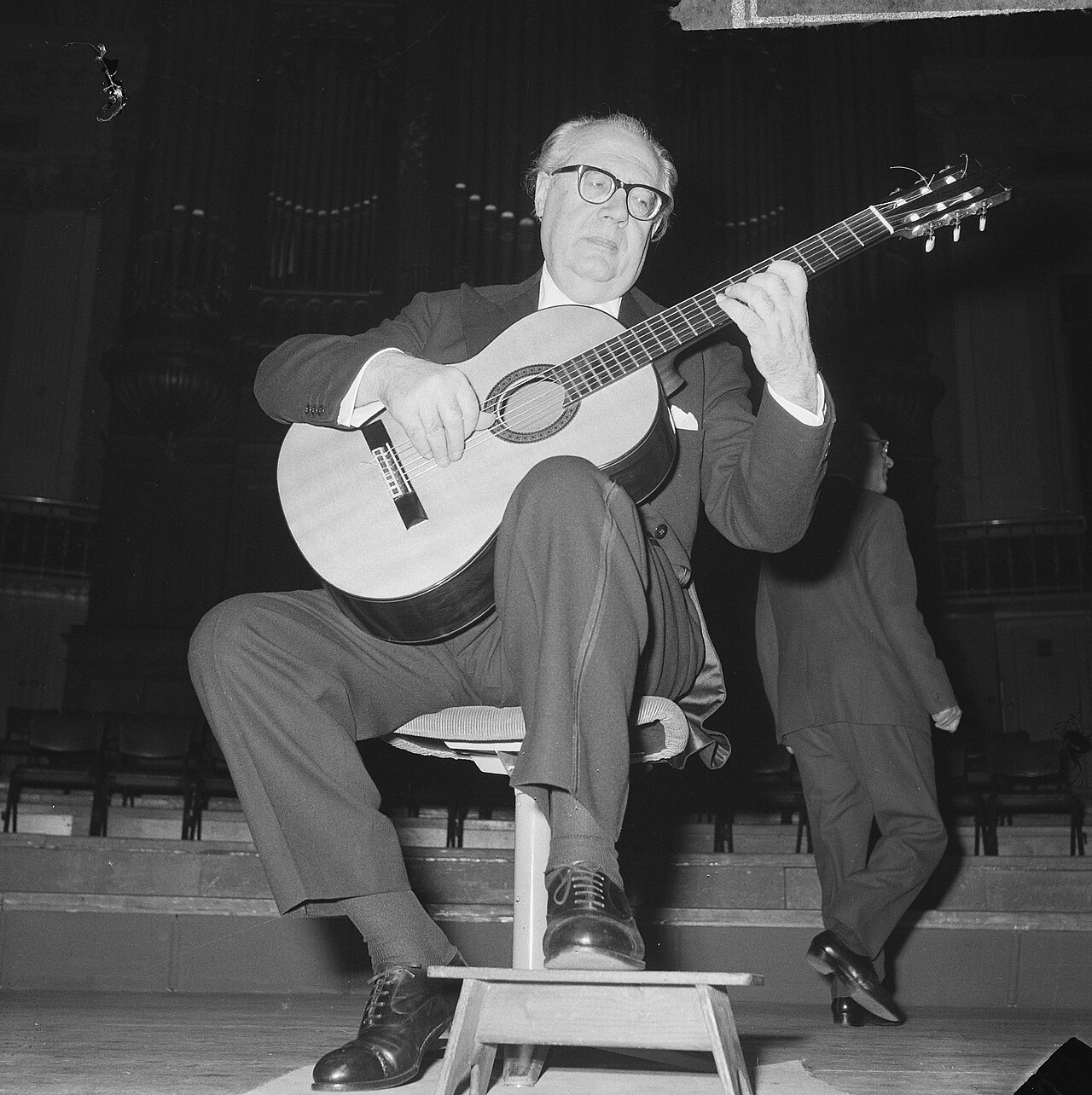
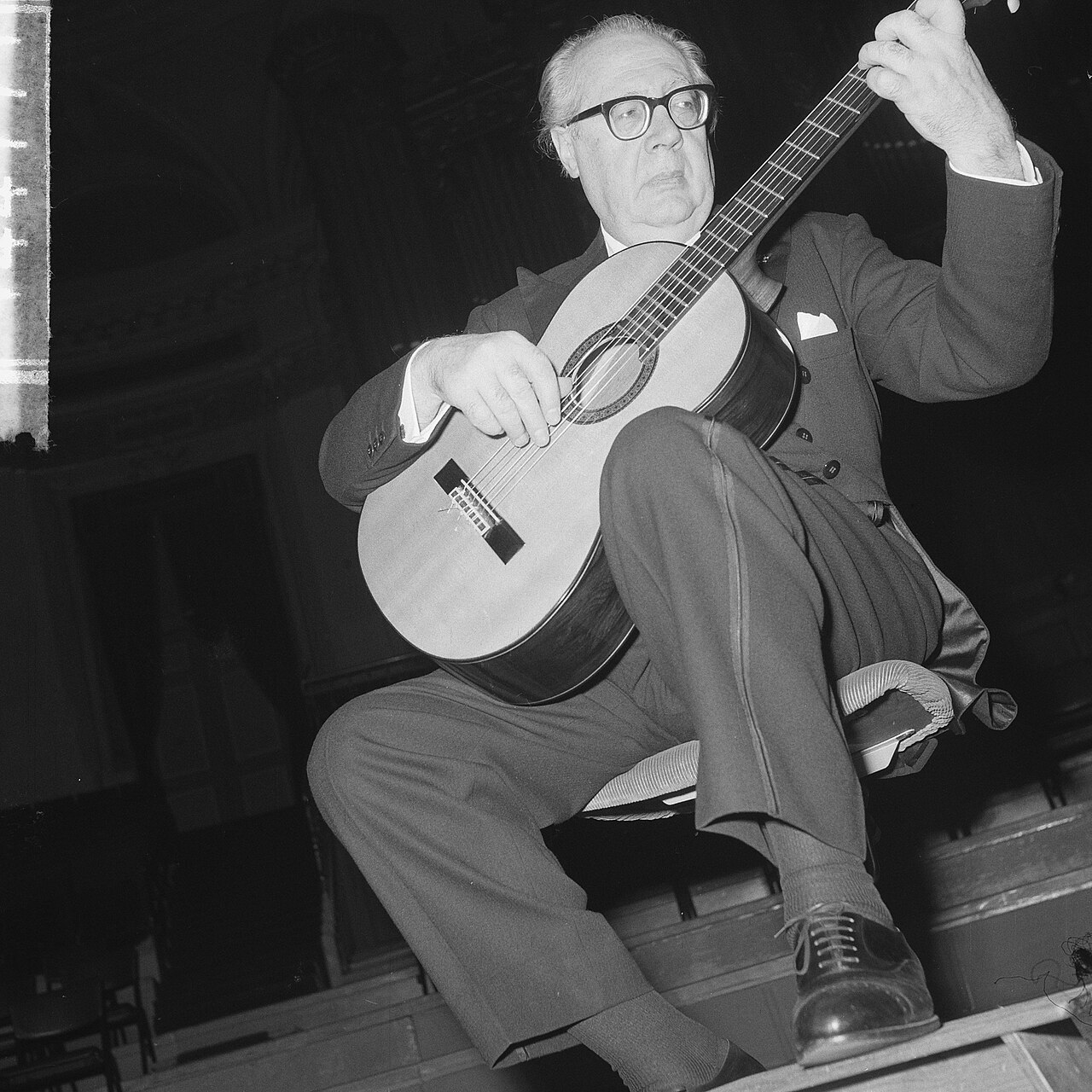
Andrés Segovia's significance lies in his role in reviving the guitar as a concert instrument during the 20th century. His technique, using only the nails to pluck the strings and placing his right hand further to the right side of the soundhole, produced a strong, voluminous sound suitable for large concert halls, distinguishing him from the Tárrega school. Many professional classical guitarists were either his students or students of his students, ensuring his legacy. He continued performing into old age, and two films were made of his life and work.
Did You Know?
- Segovia was self-taught, acting as both professor and pupil after Francisco Tárrega died before they could meet.
- He plucked the strings only with his nails, not a combination of fingertip and nail as was commonly thought.
Gallery
Frequently Asked Questions
Who is Andrés Segovia?
He was a Spanish classical guitarist widely credited with elevating the guitar from a modest parlor instrument to a respected concert-hall presence. His expressive playing and rich tonal palette helped define the modern identity of the instrument.
Why is Andrés Segovia important to classical guitar?
His influence runs so deep that a large share of today's professional guitarists trace their training directly to him or to one of his former students. In practical terms, he built much of the modern pedagogical lineage of the instrument.
What did Andrés Segovia contribute to the guitar repertoire?
Beyond performing, he commissioned new works and produced his own transcriptions of classical and baroque pieces for the modern-romantic guitar repertoire. This expanded the range of music considered suitable for the instrument in a concert setting.
What is Andrés Segovia most known for?
He is remembered for his deeply expressive performances, his remarkably wide tonal palette, and for reviving the guitar as a serious concert instrument. These three qualities together became the benchmark against which later guitarists are measured.
What nationality was Andrés Segovia?
He was Spanish, and his career became closely intertwined with Spain's broader musical heritage.
More in Latin Music Icons 1-24
Spotted an error? Know more?
This is a living reference — every entry is fact-audited, and reader corrections feed straight into our audit queue. Suggest an edit · See this site's audit record