
Ibn Hajar al-Asqalani
Foremost fifteenth-century scholar and final summation of hadith science.
Last updated

Fouad GM · CC BY 2.0
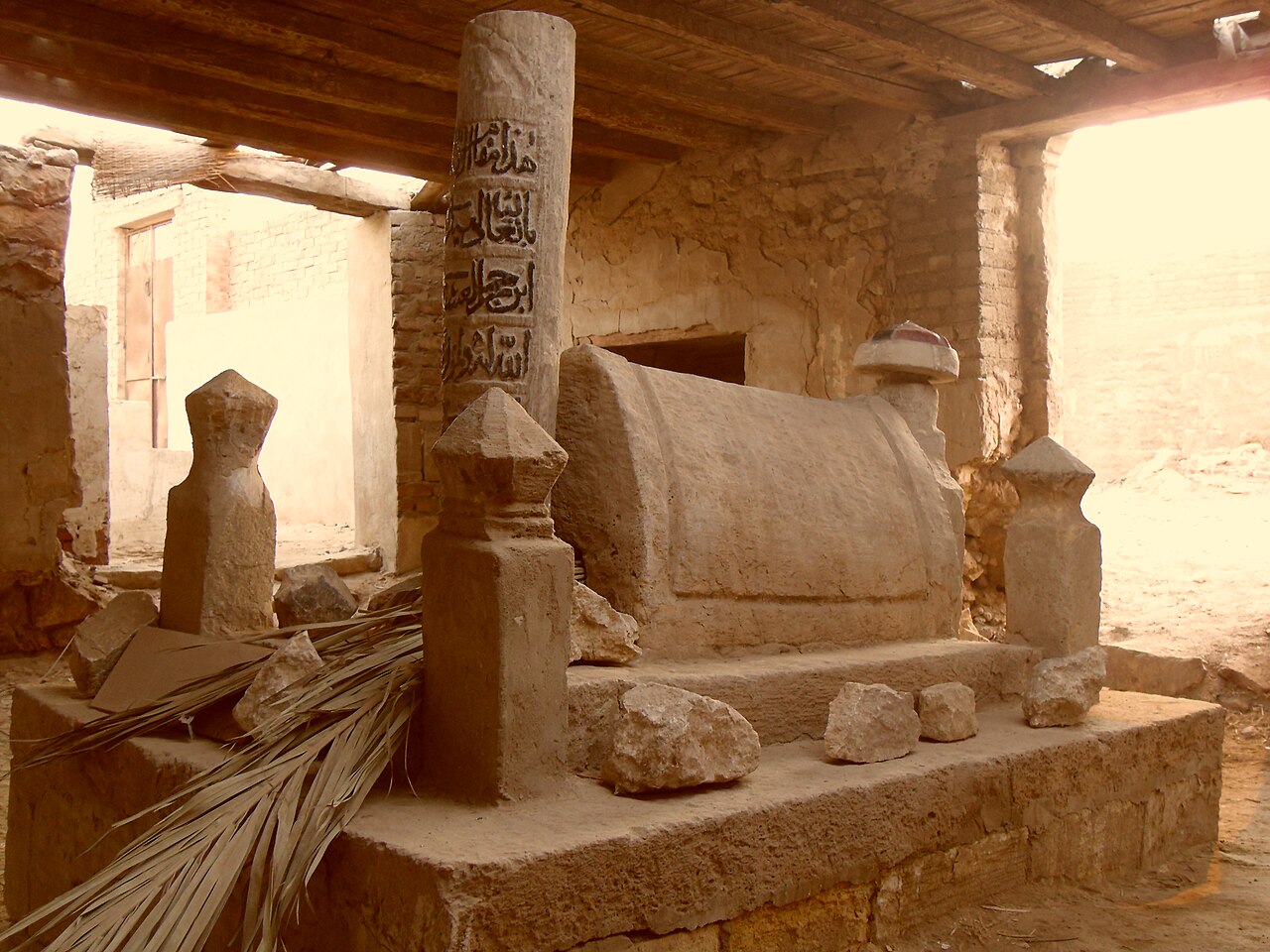
Ibn Hajar al-Asqalani was a classic Islamic scholar whose life work constitutes the final summation of the science of hadith.[1] He authored some 150 works on hadith, history, biography, exegesis, poetry, and Shafi'i jurisprudence.[1] In the fifteenth century, Ibn Hajar al-Asqalani was considered the leading authority on all branches of Islamic jurisprudence.[2]
Life and work
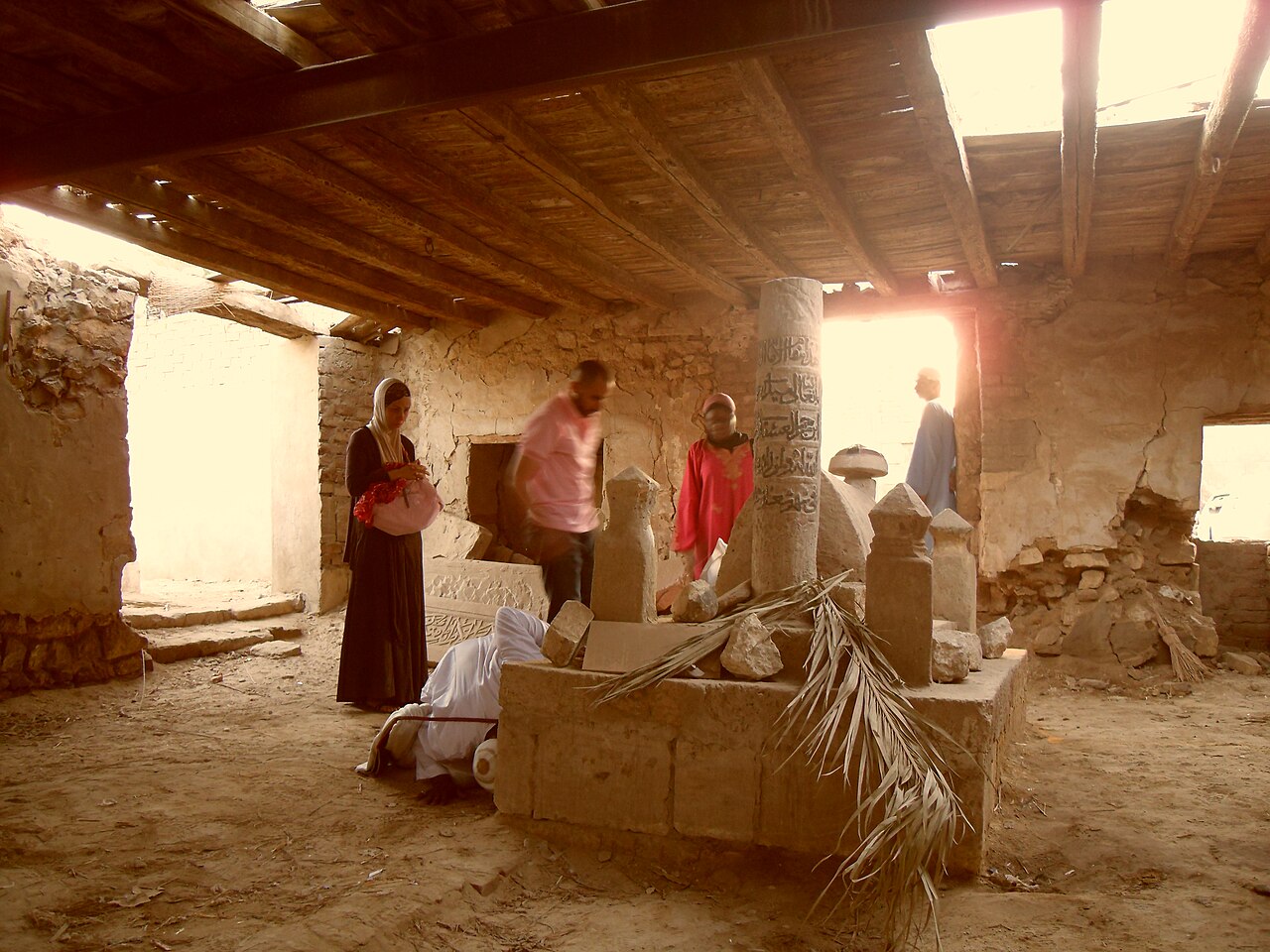
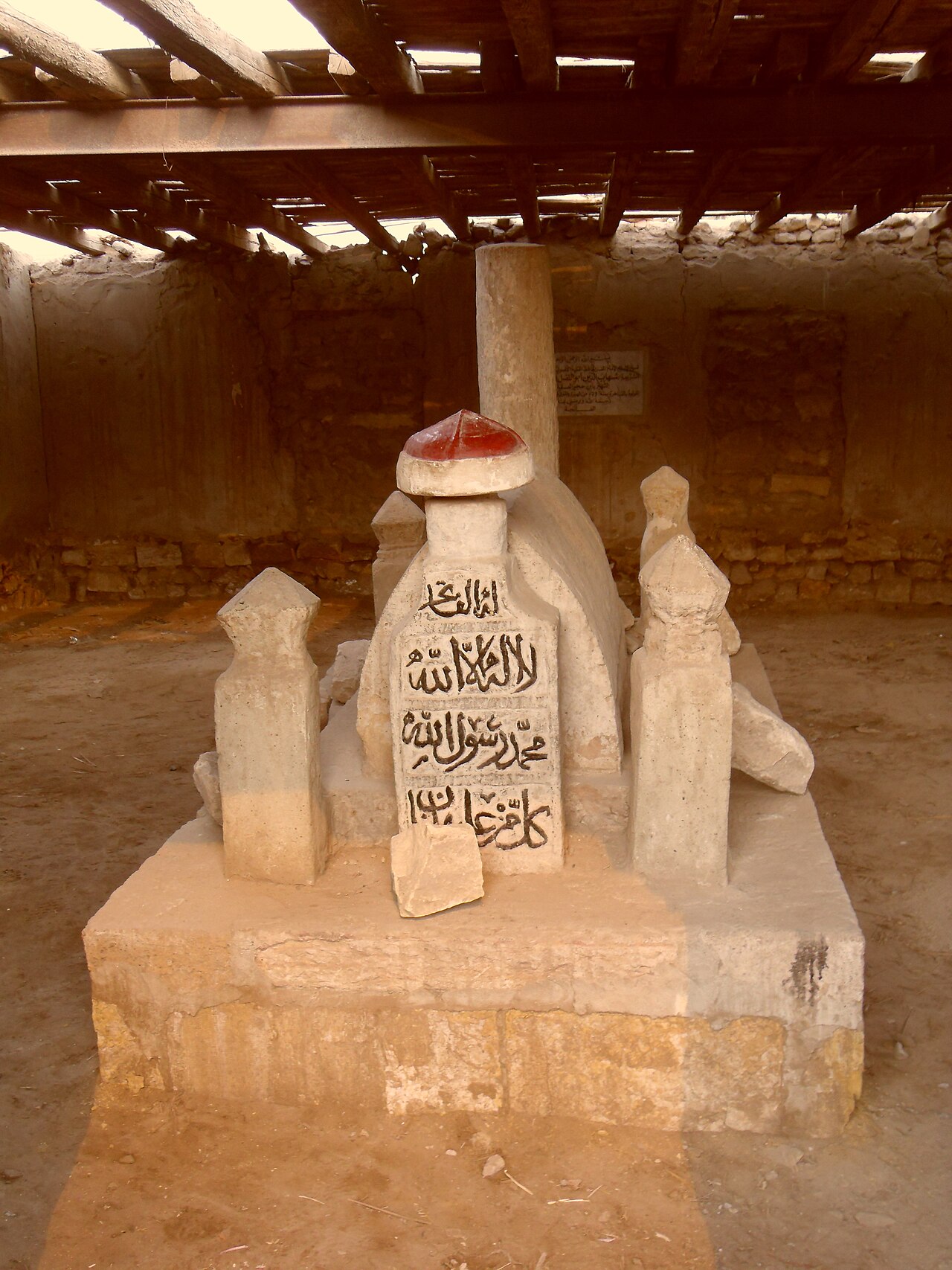
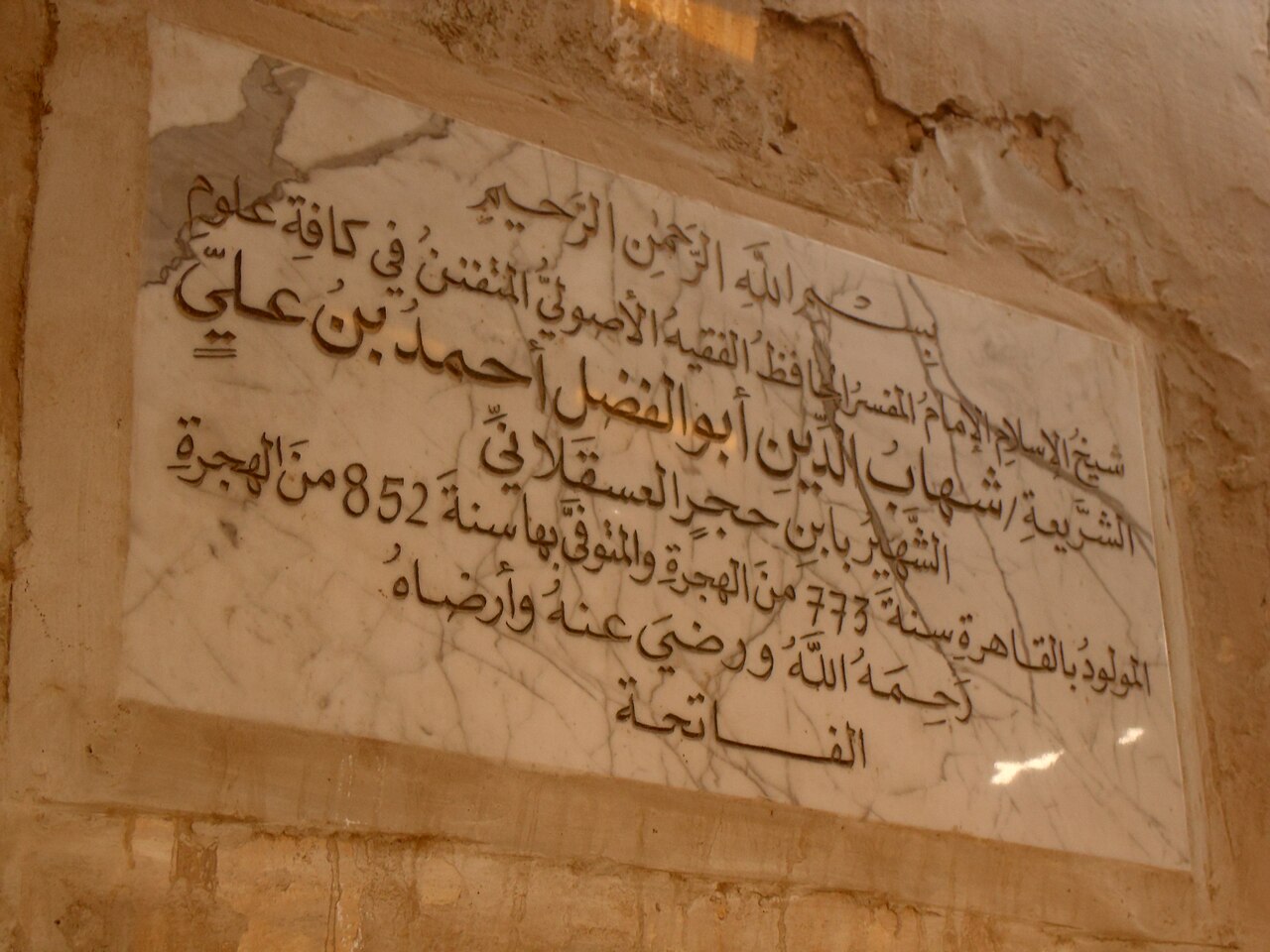
He memorized the entire Qur'an by the age of 9.[3] Ibn Ḥajar benefited from 628 teachers, 55 of them women.[4] On 22 Shaʿbān 773 AH (which is February 28th 1372), a son was born in Cairo to an Arab family from the Kinani tribe.[5] Following the death of both parents while he was still a young child, Ibn Hajar and his sister were taken in by the brother of his father's first wife.[6]
At twenty-five years of age, in 1397, Ibn Hajar married Uns Khatun, a well-known hadith authority who possessed ijazat and delivered public lectures.[7][8] He subsequently held the office of Egyptian qadi on multiple occasions.[9]

What the cited sources add
The Nur.nu account states that Ibn Hajar's family originated in the district of Qabis in Tunisia.[8] After marriage, Ibn Hajar moved into his wife's house, where he lived until his death.[8] He taught in the Sufi lodge of Baybars for some twenty years, and then in the hadith college Dar al-Hadith al-Kamiliyya.[8] In 817, Ibn Hajar commenced the enormous task of assembling his Fath al-Bari.[8]

References
- Wikipedia, "Ibn Hajar al-Asqalani" (CC BY-SA 4.0), which cites: Oruç, "An Evaluation of Ṣāliḥ ibn Ṭarīf's Claims", Ilahiyat Studies, 2022; "USC-MSA Compendium of Muslim Texts", Usc.edu; Rosenthal, "Encyclopedia of Islam: New Edition", Brill, 1913, p. 776; Ludwig W. Adamec (2009), Historical Dictionary of Islam, p.136. Scarecrow Press. . (original not read by us) en.wikipedia.org
- Wikipedia, "Ibn Hajar al-Asqalani" (CC BY-SA 4.0), which cites: Levanoni, "Who Were "the Salt of the Earth" of Fifteenth-Century Egypt?", Mamluk Studies Review, 2010 (original not read by us) en.wikipedia.org
- Wikipedia, "Ibn Hajar al-Asqalani" (CC BY-SA 4.0), which cites: Lewis, "Encyclopaedia of Islam", Brill, 1986, p. 776 (we also read that source) en.wikipedia.org
- Wikipedia, "Ibn Hajar al-Asqalani" (CC BY-SA 4.0), which cites: KANDEMİR, "İBN HACER el-ASQALÂNÎ", islamansiklopedisi, 1999, p. 514-531 (original not read by us) en.wikipedia.org
- Wikipedia, "Ibn Hajar al-Asqalani" (CC BY-SA 4.0), which cites: Levanoni, "Who Were "the Salt of the Earth" of Fifteenth-Century Egypt?", Mamluk Studies Review, 2010; KANDEMİR, "İBN HACER el-ASQALÂNÎ", islamansiklopedisi, 1999, p. 514-531 (original not read by us) en.wikipedia.org
- Wikipedia, "Ibn Hajar al-Asqalani" (CC BY-SA 4.0), which cites: zaryab khuii, "Ibn Hajar al-Asqalani", Encyclopaedia Islamica (original not read by us) en.wikipedia.org
- Wikipedia, "Ibn Hajar al-Asqalani" (CC BY-SA 4.0), which cites: "Imam Ibn Hajar Al Asqalani", Tauhidahmed; "Imam Ibn Hajar Al-Asqalani", Nur.nu (we also read that source) en.wikipedia.org
- "Imam Ibn Hajar Al-Asqalani", Nur.nu. facts only, no text reused. damas-original.nur.nu
- Wikipedia, "Ibn Hajar al-Asqalani" (CC BY-SA 4.0), which cites: Al-'Ayni, 'Iqd al-Jumān, 372. (original not read by us) en.wikipedia.org
Each numbered sentence above was checked against the source it cites before publication. Sentences citing Wikipedia adapt text from the English Wikipedia article Ibn Hajar al-Asqalani (contributors), used under CC BY-SA 4.0; this entry is available under the same licence. Other sources were used for facts only; no text or images are copied from them.
Also in the Codexery
More in Islamic Scholars & Mystics
Sources
Compiled from Wikipedia and the sources listed below. Text from Wikipedia is available under CC BY-SA 4.0; this entry is adapted from it.
- Wikipedia: Ibn Hajar al-Asqalani (CC BY-SA 4.0).
Spotted an error? Know more?
Reader corrections go straight into our review queue. Suggest an edit · How this site is sourced