Hydride
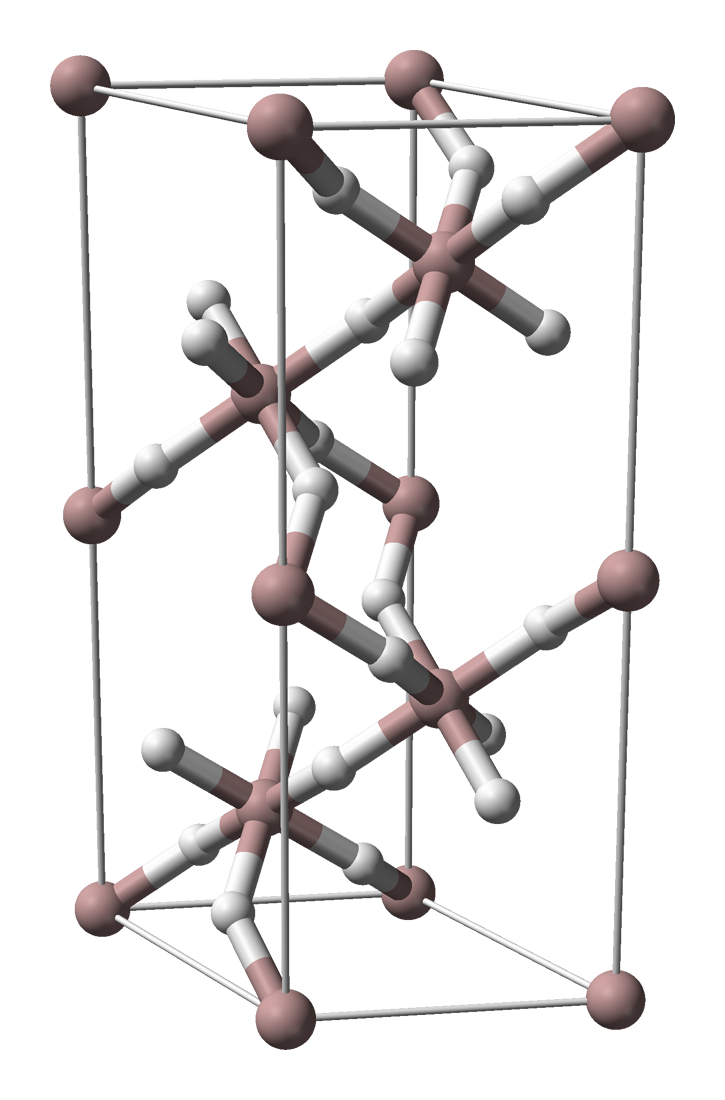
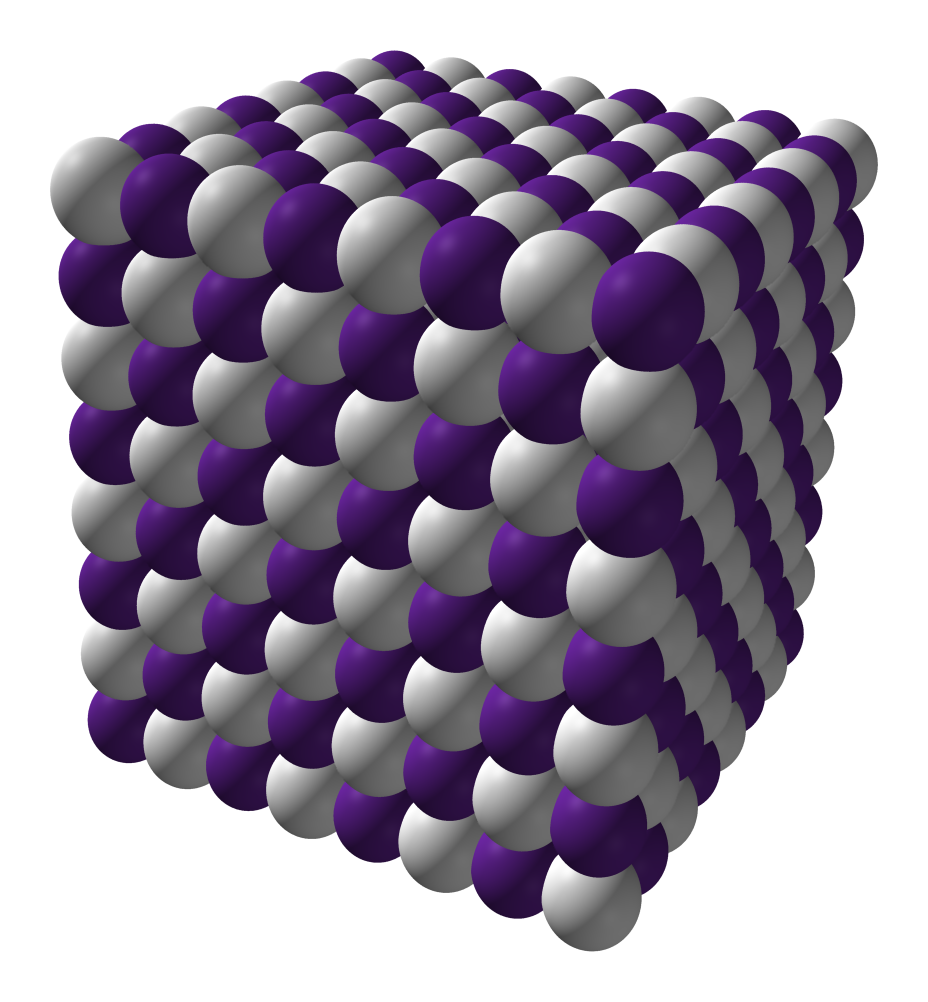
Hydrides: from ionic salts to interstitial storage materials.

CCoil ( talk ) · CC BY-SA 3.0
In chemistry, a hydride is technically the hydrogen anion (H⁻), a hydrogen ion carrying two electrons. Today, this term is mostly reserved for compounds with ionic bonds, though it has historically—and sometimes still—been applied more broadly to any compound with covalently bonded hydrogen. Under that older, looser definition, water counts as a hydride of oxygen, ammonia as a hydride of nitrogen, and so on. For covalent compounds, the label implies that hydrogen is bonded to a less electronegative element, giving the hydrogen center a nucleophilic character—the opposite of the protic behavior seen in acids. The free hydride anion itself is extremely rare.
Nearly every element up to californium forms binary compounds with hydrogen, with the exceptions being helium, neon, argon, krypton, promethium, radon, francium, and radium. Unusual molecules like positronium hydride have also been created.
Bonds between hydrogen and other elements range from highly ionic to somewhat covalent. Some hydrides, such as boron hydrides, don’t follow standard electron-counting rules and instead involve multi-centered bonds, while interstitial hydrides often exhibit metallic bonding. Hydrides can exist as discrete molecules, oligomers, polymers, ionic solids, chemisorbed monolayers, bulk metals (interstitial), or other forms. Although hydrides traditionally act as Lewis bases or reducing agents, certain metal hydrides donate hydrogen atoms and behave as acids.
Hydrides like sodium borohydride, lithium aluminium hydride, diisobutylaluminium hydride (DIBAL), and super hydride are common reducing agents in chemical synthesis, adding to electrophilic centers—typically unsaturated carbon. Sodium hydride and potassium hydride serve as strong bases in organic synthesis, reacting with weak Brønsted acids to release hydrogen gas. Calcium hydride is used as a drying agent to remove trace water from organic solvents; it reacts with water to produce hydrogen and a hydroxide salt, after which the dry solvent can be distilled or vacuum-transferred. Hydrides are also important in nickel-metal hydride batteries, and various metal hydrides are being studied for hydrogen storage in fuel-cell vehicles and other hydrogen economy applications. In catalysis, hydride complexes act as catalysts or intermediates in processes like hydrogenation, hydroformylation, hydrosilylation, and hydrodesulfurization. Even the enzyme hydrogenase operates via hydride intermediates, and the energy carrier nicotinamide adenine dinucleotide functions as a hydride donor or equivalent.
Free hydride anions exist only under extreme conditions and are not relevant in homogeneous solution; instead, many compounds contain hydrogen centers with hydridic character. Aside from the electride, the hydride ion is the simplest anion, consisting of two electrons and a proton. Hydrogen has a relatively low electron affinity (72.77 kJ/mol) and reacts exothermically with protons as a strong Lewis base (ΔH = −1676 kJ/mol). The low electron affinity and the strength of the H–H bond (ΔHBE = 436 kJ/mol) make the hydride ion a powerful reducing agent (E° = −2.25 V).
By the general definition, every element except some noble gases forms one or more hydrides. These are classified into three main types based on bonding: ionic hydrides (significant ionic character), covalent hydrides (including hydrocarbons and other covalently bonded hydrogen compounds), and interstitial hydrides (metallic bonding). Though not universally used, these categories help clarify differences among hydrides.
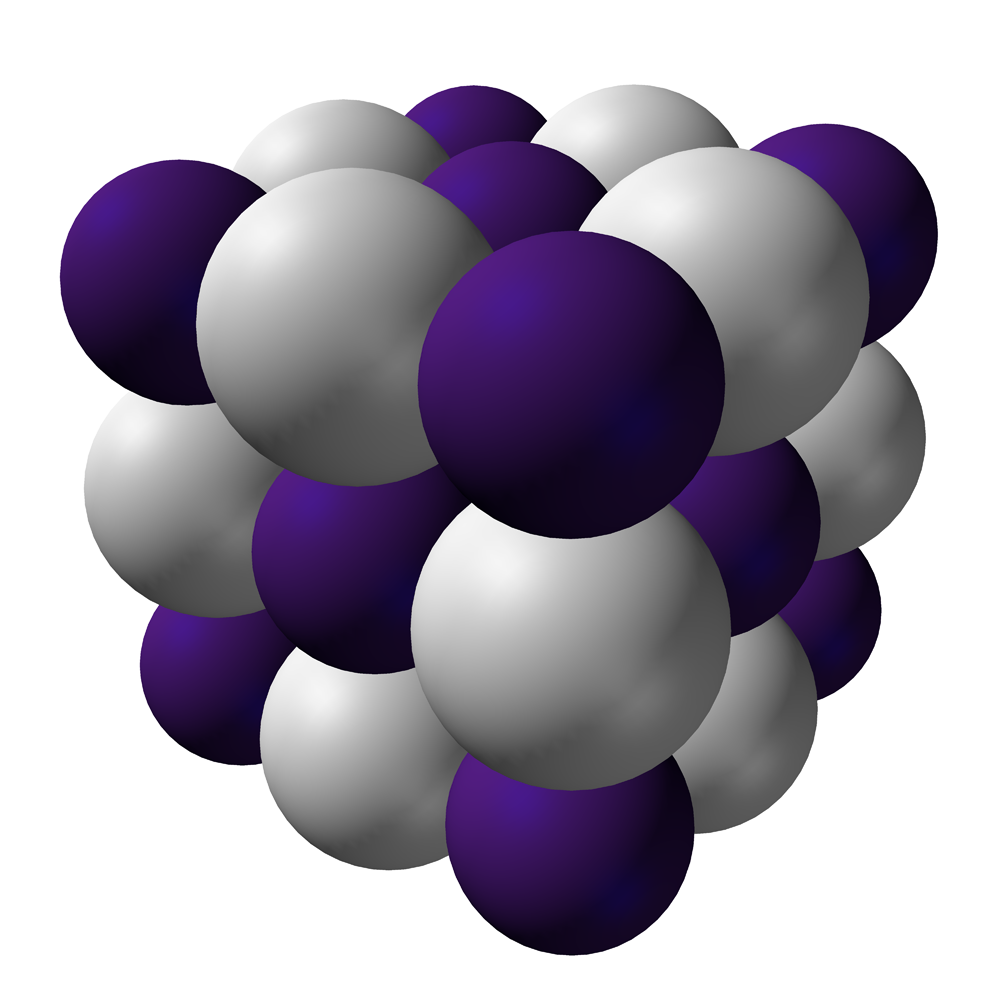
Ionic hydrides are stoichiometric compounds of hydrogen with an electropositive metal, typically an alkali or alkaline earth metal. Divalent lanthanides like europium and ytterbium form similar compounds. In these materials, the hydride acts as a pseudohalide. Saline hydrides are insoluble in conventional solvents due to their non-molecular structures and are used as bases and reducing agents in organic synthesis. Typical solvents for these reactions are ethers; water and other protic solvents cannot be used because the hydride ion is a stronger base than hydroxide. Hydrogen gas is released in a standard acid-base reaction (ΔH = −83.6 kJ/mol, ΔG = −109.0 kJ/mol). Alkali metal hydrides often react with metal halides; for example, lithium aluminium hydride (LAH) is produced from lithium hydride and aluminium chloride.
Covalent hydrides, by some definitions, include all other hydrogen-containing compounds, though other definitions restrict the term to hydrogen centers that formally react as hydrides (nucleophilic) or to hydrogen bound to metal centers. These hydrides are formed by all true nonmetals (except noble gases) and by elements like Be, Zn, Cd, Hg, Al, Ga, In, Tl, Sn, Pb, Bi, and Po—elements normally metallic in nature. In these substances, the hydride bond is formally covalent.
Quick Facts
- Field
- Chemistry
- Types
- Ionic hydrides
- covalent hydrides
- interstitial hydrides
Facts from the source article.
Lore & Background
Almost all of the elements up to Cf form binary compounds with hydrogen, the exceptions being He, Ne, Ar, Kr, Pm, Rn, Fr, and Ra. Exotic molecules such as positronium hydride have also been made. Bonds between hydrogen and the other elements range from being highly ionic to somewhat covalent. Some hydrides, e.g. boron hydrides, do not conform to classical electron counting rules and the bonding is described in terms of multi-centered bonds, whereas the interstitial hydrides often involve metallic bonding. Hydrides can be discrete molecules, oligomers or polymers, ionic solids, chemisorbed monolayers, bulk metals (interstitial), or other materials. While hydrides traditionally react as Lewis bases or reducing agents, some metal hydrides behave as hydrogen-atom donors and act as acids.
The Elusive Free Hydride Anion
The free hydride anion — a bare proton cradling two electrons — sits at the very bottom of the anion hierarchy, second only to electride in structural simplicity. Yet this minimal particle is extraordinarily difficult to isolate. In practice, chemists almost never encounter a truly free H⁻ in homogeneous solution; instead, the hydridic character is distributed across molecular frameworks where hydrogen carries a partial negative charge. Hydrogen's electron affinity is modest at roughly 73 kJ/mol, which means the anion is thermodynamically eager to shed those extra electrons. This dual identity makes H⁻ simultaneously a powerful Lewis base, reacting exothermically with protons to release hydrogen gas with a ΔH near −1676 kJ/mol, and a potent reducing agent, as reflected in the highly negative standard potential of about −2.25 V for the two-electron reduction of H₂. The strength of the H–H bond, around 436 kJ/mol, further underscores why the free anion is so transient: the instant it forms, the system is driven to recombine or transfer its electrons elsewhere.
A Spectrum of Bonding
Hydrides defy a single bonding description. Depending on the partner element, the hydrogen–element interaction slides along a continuum from deeply ionic to distinctly covalent, and in some cases into the realm of metallic or multi-centred bonding. Boron hydrides, for instance, break classical two-electron, two-centre rules entirely, requiring descriptions in terms of delocalised multi-centred bonds. Interstitial hydrides, where hydrogen atoms lodge within a metal lattice, are better understood through metallic bonding models. The physical forms are equally varied: discrete small molecules, oligomers, extended polymers, crystalline ionic solids, chemisorbed surface monolayers, and bulk interstitial phases. Even the functional behaviour is not uniform. While many hydrides serve as Lewis bases or reducing agents, certain metal hydrides flip the script, donating hydrogen atoms and behaving as acids. This extraordinary range means that "hydride" is less a single chemical species than a family of materials united by the presence of hydrogen bonded to a less electronegative partner.
Workhorse Roles in Synthesis and Industry
In the laboratory and on the factory floor, hydrides are indispensable workhorses. Sodium borohydride, lithium aluminium hydride, diisobutylaluminium hydride, and super hydride are among the most widely deployed reducing agents in organic synthesis, delivering hydride to electrophilic centres such as unsaturated carbon atoms. Alkali-metal hydrides like sodium hydride and potassium hydride serve as exceptionally strong bases, stripping protons from weak Brønsted acids and liberating hydrogen gas. Calcium hydride finds a quieter but vital role as a desiccant, scavenging trace water from organic solvents before distillation or vacuum transfer. Beyond the bench, metal hydrides underpin nickel-metal hydride storage batteries and are actively explored as hydrogen reservoirs for fuel-cell electric vehicles and broader hydrogen-economy infrastructure. In catalysis, hydride complexes act as key intermediates in hydrogenation, hydroformylation, hydrosilylation, and hydrodesulfurization cycles. Even biology taps into this chemistry: hydrogenase enzymes and the coenzyme NADH both operate through hydride-transfer steps, linking inorganic hydride chemistry to the energy metabolism of living cells.
Reach Across the Periodic Table
The scope of hydride chemistry is nearly as broad as the periodic table itself. Virtually every element up to californium forms at least one binary compound with hydrogen; the notable absences are helium, neon, argon, krypton, promethium, radon, francium, and radium. Exotic constructs such as positronium hydride have even been synthesised, pushing the concept into territory that blends atomic physics with chemistry. Historically, the term "hydride" was applied far more liberally: under that broad, now somewhat archaic usage, water counts as a hydride of oxygen and ammonia as a hydride of nitrogen. Modern convention has narrowed the label, reserving it primarily for ionic hydrogen compounds or for covalent species in which hydrogen is bonded to a less electronegative element and carries nucleophilic character — a deliberate contrast to the protic, acidic behaviour of hydrogen in, say, water or alcohols. This definitional tightening has clarified what hydride chemistry means in practice, even as the underlying bonding landscape remains as diverse as the elements it touches.
Gallery

Frequently Asked Questions
What types of hydrides are there?
Hydrides fall into three principal families: ionic hydrides, covalent hydrides, and interstitial hydrides. Each category reflects a different way hydrogen bonds to, or is trapped within, a metal or non-metal framework.
What are hydrides actually used for?
In the lab they serve as powerful reducing agents, strong bases, and desiccants. On a larger scale they are central to hydrogen-storage materials and battery technologies, making them a cornerstone of clean-energy research.
More in Inorganic Compounds & Materials
Spotted an error? Know more?
Reader corrections go straight into our review queue. Suggest an edit · How this site is sourced