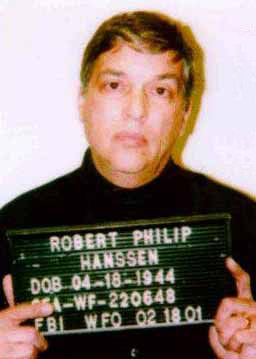
Robert Hanssen
FBI agent who spied for the Soviet Union and Russia.
Last updated

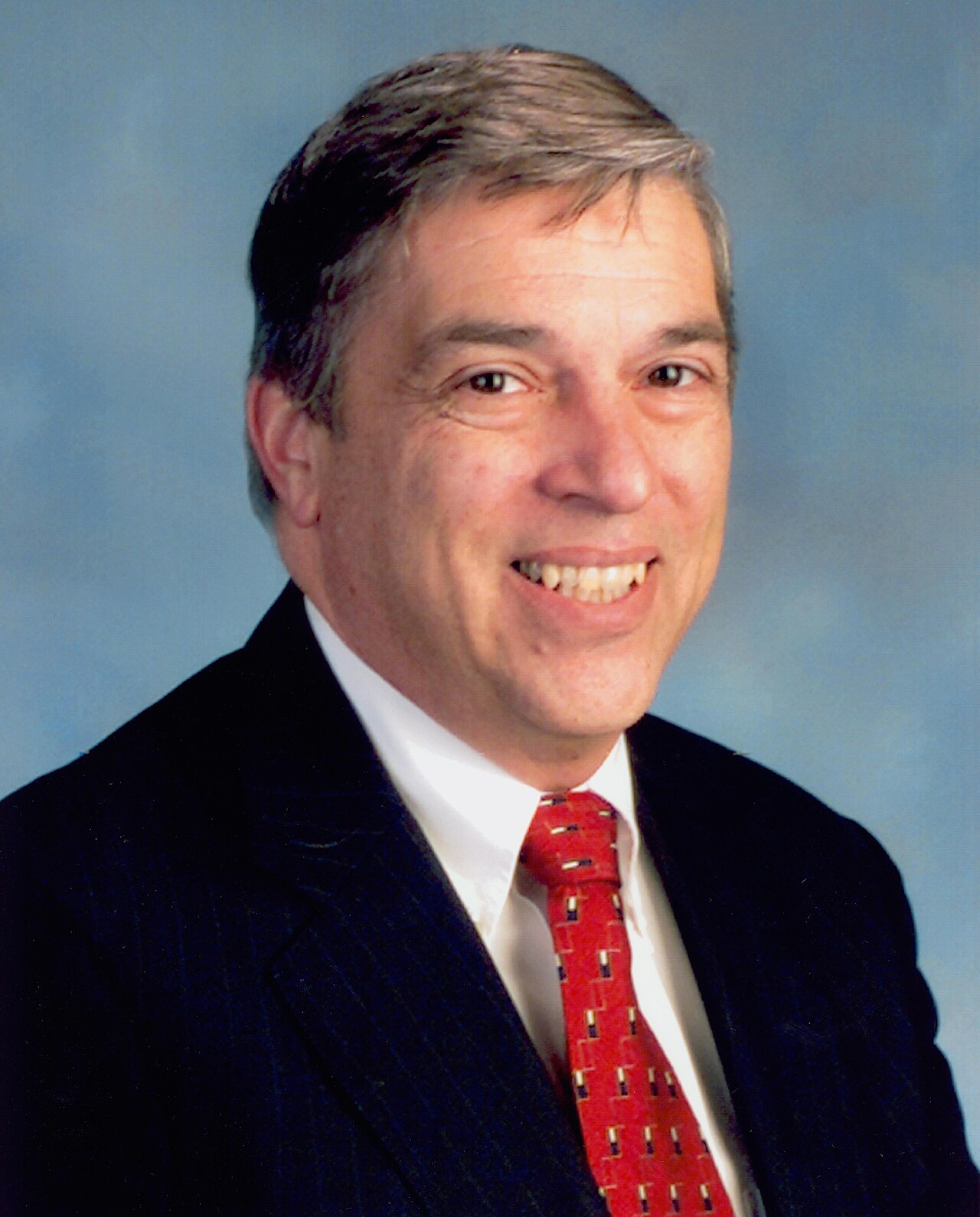
Federal Bureau of Investigation. The source gives no specific photo credit. · Public domain
Robert Philip Hanssen was an FBI agent who betrayed his country by spying for Soviet and Russian intelligence, off and on, from 1979 until his arrest in 2001. The U.S. Department of Justice called his actions “possibly the worst intelligence disaster in U.S. history.” Over those years, he handed over roughly six thousand classified documents to the KGB, revealing American plans for nuclear war, advances in military weapons, and details of U.S. counterintelligence efforts. He also exposed the identities of KGB agents who were secretly working for the United States; some of those agents were later executed.
Early life
Hanssen was born in Chicago on April 18, 1944, into a Lutheran family. His father, a Chicago police officer, was reportedly emotionally abusive. After graduating from high school in 1962, Hanssen earned a bachelor’s degree in chemistry from Knox College in 1966. He applied for a cryptography job at the NSA but was turned down due to budget cuts.
He then spent three years in dental school at Northwestern University before switching to business, earning an MBA in accounting and information systems in 1971. He worked briefly at an accounting firm, then joined the Chicago Police Department as an internal affairs investigator specializing in forensic accounting. In January 1976, he left the police to join the FBI.
While in dental school, Hanssen met Bernadette “Bonnie” Wauck, a devout Roman Catholic. They married in 1968, and Hanssen converted from Lutheranism to Catholicism. The couple eventually had six children.
FBI career and first espionage activities (1976–1981)
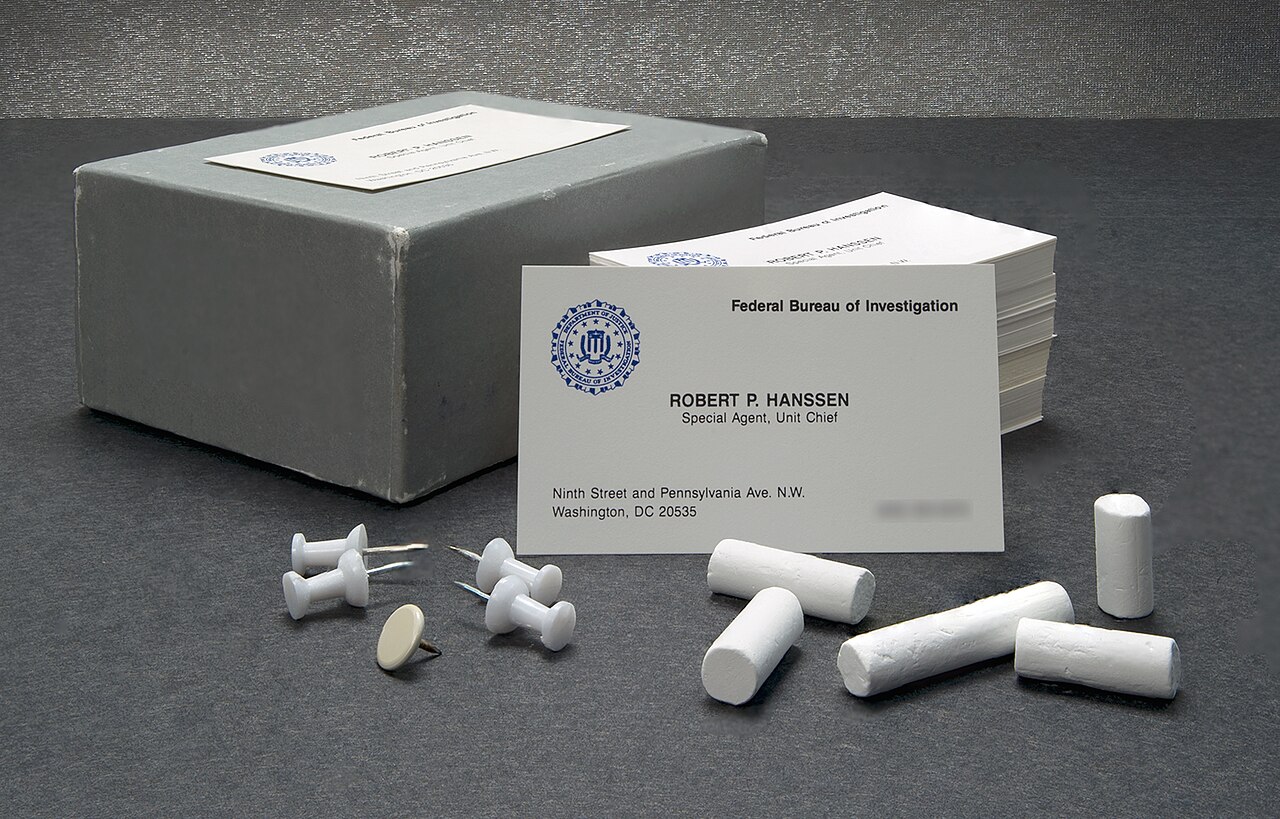
Hanssen became an FBI special agent on January 12, 1976, and was first assigned to the field office in Gary, Indiana. In 1978, he moved with his family to New York City when the bureau transferred him there. The next year, he was assigned to counterintelligence, where he built a database of Soviet intelligence. In 1979, he approached the Soviet KGB and offered his services, saying later that his only motive was money, not ideology.
During this first spying period, which lasted until 1981, he gave the KGB information about FBI bugging operations and lists of suspected Soviet agents. His most damaging leak was betraying Dmitri Polyakov, a high-ranking Soviet general who was a CIA informant. Polyakov was arrested in 1986 and executed in 1988, after a second betrayal by CIA mole Aldrich Ames. For years, Ames was blamed for Polyakov’s exposure; Hanssen’
Lore & Background
Robert Hanssen was born in Chicago to a Lutheran family. His father, a Chicago police officer, was allegedly emotionally abusive. Hanssen graduated from William Howard Taft High School in 1962 and earned a bachelor's degree in chemistry from Knox College in 1966.
He later earned an MBA in accounting and information systems from Northwestern University in 1971, worked briefly as an accountant, then joined the Chicago Police Department as an internal affairs investigator. In January 1976, he joined the FBI. He married Bernadette 'Bonnie' Wauck, a staunch Roman Catholic, in 1968, and converted from Lutheranism to Catholicism.
Hanssen began spying in 1979, approaching the Soviet KGB. He spied in three cycles: 1979–1981, 1985–1991, and 1999 until his arrest in 2001. He remained anonymous to his handlers.
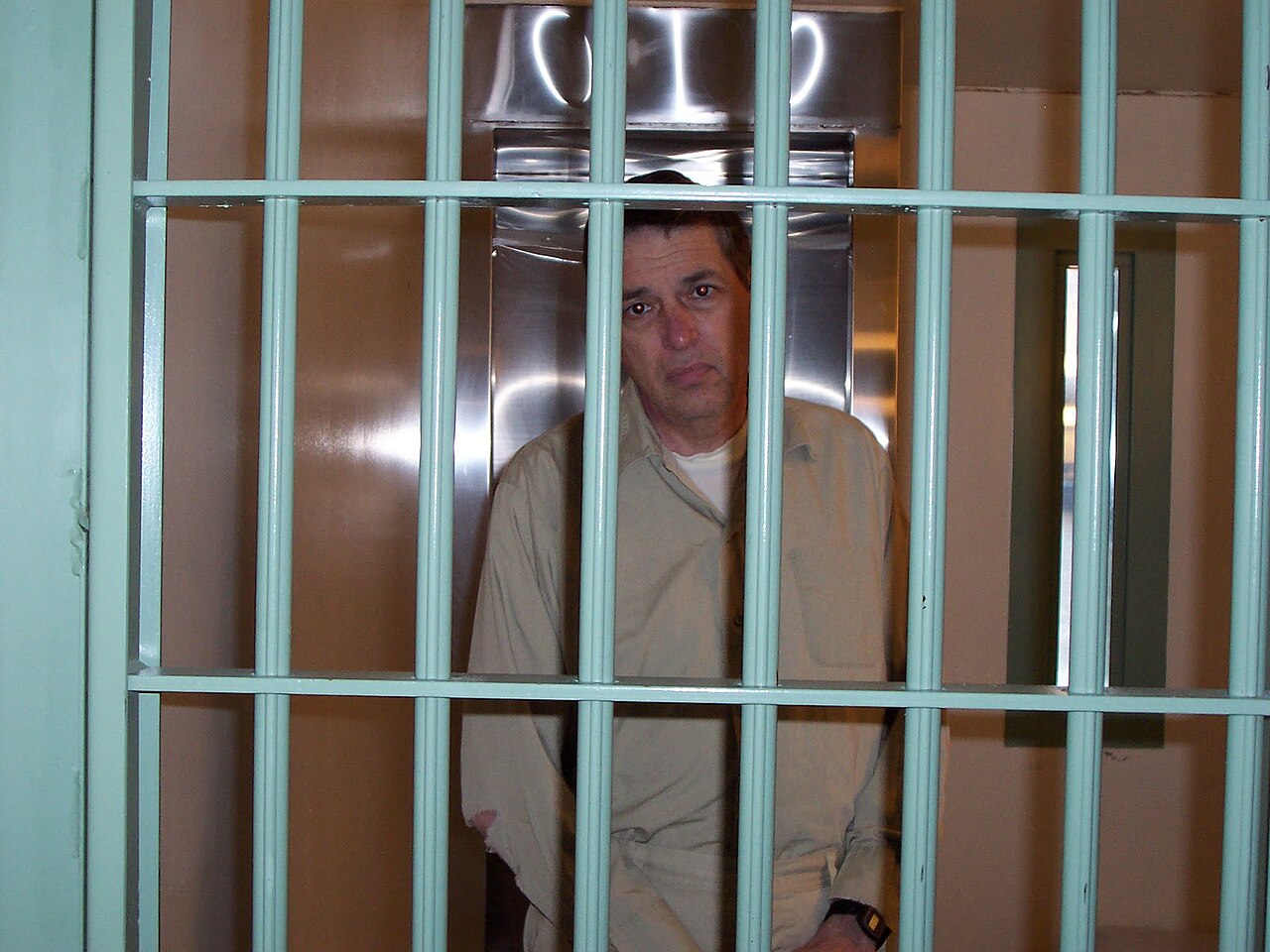
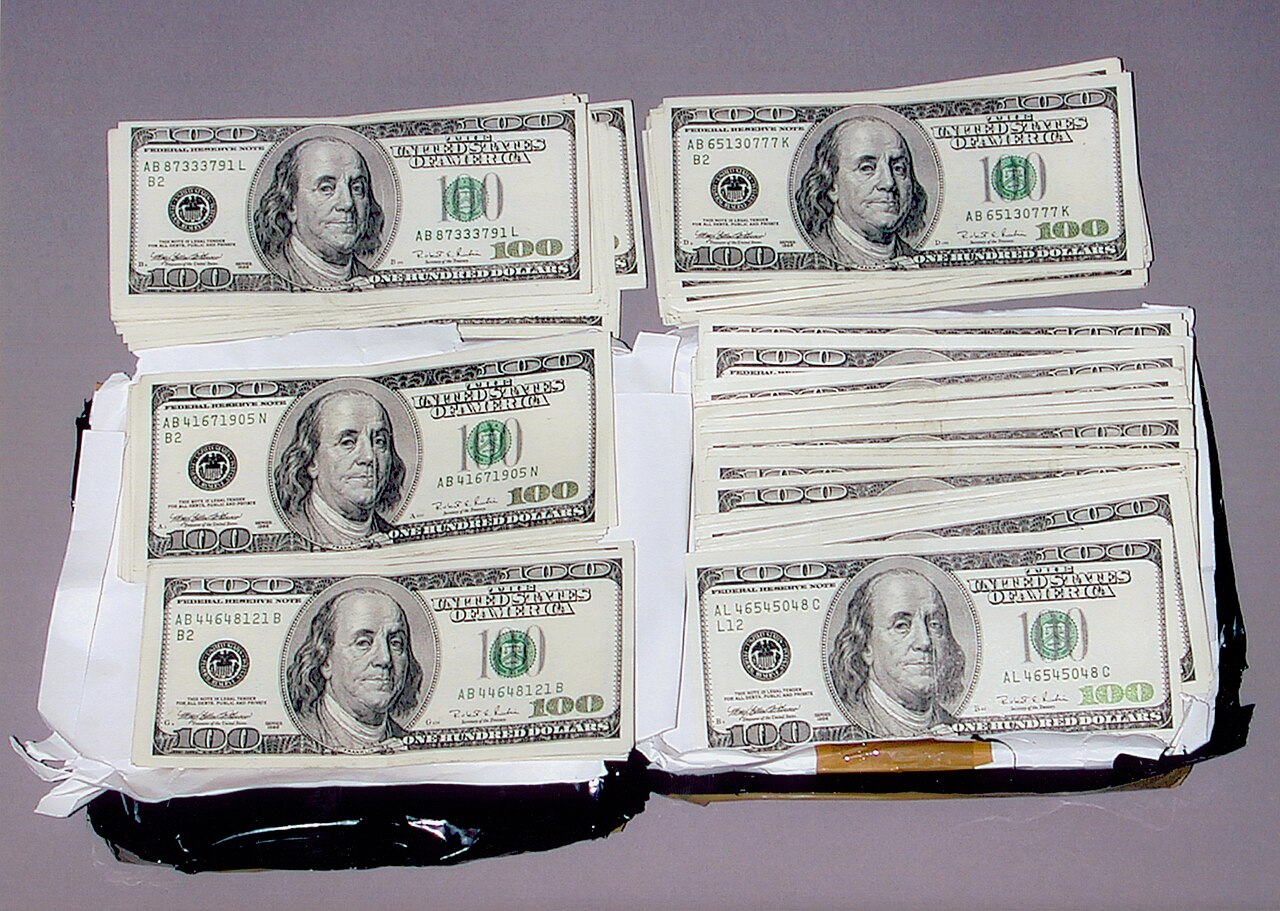
He compromised the FBI's bugging activities, lists of suspected Soviet agents, and revealed the identities of KGB agents secretly working for the U.S., including Valery Martynov, Sergei Motorin, and a third agent, in an anonymous letter sent in 1985. He did not reveal the FBI/NSA eavesdropping tunnel under the Soviet Embassy; that was attributed to another spy. A $7 million payment was made to a former KGB officer, not an active KGB agent.
Reader's Guide
Robert Hanssen's significance lies in the extraordinary damage he inflicted on U.S. national security over 22 years, as described by the Department of Justice as 'possibly the worst intelligence disaster in U.S. history.' His espionage overlapped with that of CIA mole Aldrich Ames, and both were run by the same KGB officer, Victor Cherkashin. Hanssen's leaks included U.S. nuclear war strategies, military weapons technologies, and counterintelligence programs, as well as the identities of KGB agents working for the U.S., leading to executions. He also compromised the FBI's investigation of Felix Bloch and revealed a secret eavesdropping tunnel. The FBI paid $7 million to a KGB agent to obtain a file on an anonymous mole, later identifying Hanssen through fingerprint and voice analysis.
His case highlighted vulnerabilities in the FBI's internal security and the difficulty of detecting a spy who was actively investigating himself. Hanssen's motivation was purely financial, as he never indicated any political or ideological motive. His legacy is a cautionary tale of insider threat and the long-term consequences of undetected espionage.
Frequently Asked Questions
Who is Robert Hanssen?
Robert Philip Hanssen was an FBI counterintelligence agent who secretly worked as a spy for Soviet and then Russian intelligence from 1979 until his 2001 arrest. Born on April 18, 1944, in the United States, he is remembered as one of the most damaging domestic traitors in American history.
How was Hanssen finally caught?
In February 2001, the FBI planted a listening device in his car and followed him to a dead-drop exchange in Maryland, where they recorded him handing a microdot to a Russian handler. He was arrested at the scene and later convicted on 15 counts of espionage.
What was his sentence and how did his life end?
In 2002 he received a life sentence without the possibility of parole for his espionage crimes. He died in federal custody on June 5, 2023, at the age of 79.
More in Infamous Criminals & Outlaws
Test yourself
Three questions drawn from this entry’s sources. Pick an answer to check it.
Answers checked against the source article
Sources
Compiled from Wikipedia and the sources listed below. Text from Wikipedia is available under CC BY-SA 4.0; this entry is adapted from it.
- Wikipedia: Robert Hanssen (CC BY-SA 4.0).
Spotted an error? Know more?
Reader corrections go straight into our review queue. Suggest an edit · How this site is sourced