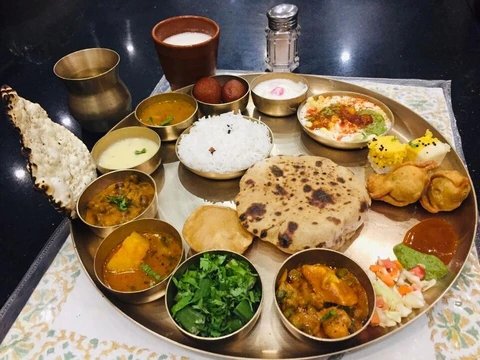
Balaghat Chinnor rice
A ceremonial aromatic rice from Madhya Pradesh with a GI tag.

Balaghat Chinnor is a non-Basmati aromatic rice grown primarily in Madhya Pradesh, concentrated in the Balaghat district across tehsils such as Balaghat, Baihar, Birsa, Paraswada, Katangi, Waraseoni, Lalbarra, Khairlanji, Lanji, and Kirnapur. The name comes from the region, while "Chinnor" (or "Chinnaur") is a traditional local variety name, not a constructed acronym. Locally, it is called Balaghat Chinnor rice or simply Chinnor rice.
This traditional, ceremonial variety is endemic to Madhya Pradesh and known for its strong aroma, taste, and softness, making it a fixture at marriage feasts and religious events. The grains have a distinctive shape with a tip like a sword’s point, and they are soft, shiny, and slightly sticky when cooked. The scent is noticeable both raw and cooked. It cooks quickly and can form a smooth dough when mixed with warm water. Its unique taste suits dishes like Kheer (giving a creamy texture and distinct flavor without added flavorings), as well as Puri, Anarsa, roti, and cooked rice. In Balaghat temples, priests offer Chinnor Kheer as Prasad Bhog, valued for its aroma, sweetness, and ability to thicken milk.
A notable by-product is the rice bran, which has an oil content of 20–21%, higher than the 18–19% in regular rice bran. The rice received a Geographical Indication (GI) tag on 14 September 2021, valid until 2 October 2029. The Balaghat Chinnor Utpadak Sahkari Samiti Maryadit Balaghat from Waraseoni filed the application in October 2019, and the tag was granted by the Geographical Indication Registry in Chennai. This made it the 12th type of goods from Madhya Pradesh to earn a GI tag, though other rice varieties from the state, such as Vishnubhog rice, received GI tags earlier. The tag protects the rice from illegal marketing and gives it legal protection and a unique identity.
Quick Facts
- Description
- Balaghat Chinnor is an aromatic rice cultivated in Madhya Pradesh
- Area
- Balaghat district
- Country
- India
- Registered
- 14 September 2021
- Official Website
- https: · search.ipindia.gov.in/GirPublic/Application/Details/663 · ipindia.gov.in
Facts from the source article.
Lore & Background
Balaghat Chinnor rice is named after the Balaghat district where it is widely cultivated. The term 'Chinnor' or 'Chinnaur' is a traditional local variety name, not a constructed acronym.
The rice has a strong scent both cooked and uncooked, with cooked grains that are soft, shiny, and slightly sticky. Its grain shape is distinctive, with the apex resembling the tip of a sword. It is ideal for dishes like Kheer, Puri, Anarsa, roti, and cooked chawal, and has a quick cooking time. In Balaghat temples, priests offer Chinnor Kheer as Prasad Bhog, leveraging its aroma, sweetness, and milk-thickening properties.
Reader's Guide
Balaghat Chinnor rice holds significant cultural and economic importance in the Balaghat region of Madhya Pradesh. It is a common and widely cultivated crop across multiple tehsils, including Balaghat, Baihar, Birsa, Paraswada, Katangi, Waraseoni, Lalbarra, Khairlanji, Lanji, and Kirnapur. Its GI tag, awarded in September 2021, makes it the first rice variety from Madhya Pradesh and the 12th type of goods from the state to earn such recognition. This legal protection prevents illegal selling and marketing, giving the rice a unique identity. The rice is notable for its by-product: its bran contains 20-21% oil content, higher than the 18-19% found in regular rice varieties. Its culinary uses range from sweet dishes like Kheer to savory items like roti, and its quick cooking time and ability to form a smooth dough with warm water add to its versatility. The rice is deeply embedded in local traditions, especially in temple offerings and ceremonial feasts.
The Name Behind the Grain
Balaghat Chinnor rice takes its identity from two sources: the district of Madhya Pradesh where it thrives and a cleverly constructed Hindi acronym. The word 'Chinnor'—sometimes written as 'Chinnaur'—is not a random label but a compressed description of the grain's defining traits. It stands for 'Chiknaiyukt Nokdaar Sugangdhit Chavur,' a phrase that translates to rice with oily content, a sharp tip, and a rich aroma. Breaking it down further, the syllable 'Chi' points to the grain's high oil content, 'Nau' references the pointed, sword-tip shape of each kernel, and the final 'R' simply denotes rice itself. In local parlance across the ten tehsils of Balaghat district where this crop is cultivated, farmers and consumers know it by its full Hindi name, बालाघाट चिन्नौर चावल, or simply as Chinnor rice. The naming convention thus encodes sensory and physical qualities directly into the variety's identity, making the name itself a kind of quality descriptor passed down through regional usage.
Sensory Character and Kitchen Versatility
Balaghat Chinnor is a non-Basmati aromatic rice whose sensory profile sets it apart from mainstream Indian varieties. Whether raw or cooked, the grain carries a pronounced fragrance that fills the kitchen and the dining space. Once prepared, the kernels turn soft, glossy, and slightly sticky, while their natural shape tapers to a sharp, sword-tip apex that distinguishes them visually from rounder grains. In the kitchen, Chinnor cooks quickly and, when mixed with warm water, yields a smooth, workable dough—a property that makes it adaptable across preparations. It is considered ideal for kheer, where its creamy texture and inherent rice flavor require no additional flavorings. It also lends itself well to puri, anarsa with a sweet-and-sour character, roti, and everyday cooked rice known locally as bhatt. Beyond the grain itself, the bran holds a notable advantage: its oil content sits at twenty to twenty-one percent, exceeding the eighteen to nineteen percent typical of ordinary rice bran, making it a valuable by-product in its own right.
Ritual, Ceremony, and Temple Tradition
Far beyond a mere food staple, Balaghat Chinnor rice occupies a sacred and ceremonial niche in the cultural life of Madhya Pradesh. As an endemic variety of the state, it is regarded as a traditional crop reserved for the most significant occasions—marriage feasts, religious observances, and community gatherings where the aroma and taste of the rice carry symbolic weight. In the temples of Balaghat district, priests prepare Chinnor kheer and offer it as Prasad Bhog, the blessed food distributed to devotees. This ritual use is no accident: the variety's natural sweetness, its rich fragrance, and its remarkable ability to thicken milk make it uniquely suited to the preparation of sacred kheer. The rice thus bridges the domestic and the divine, appearing on wedding mandaps and in temple kitchens alike. Its status as a ceremonial grain reinforces the idea that in Balaghat, certain foods are not simply consumed but are woven into the fabric of spiritual and social life, marking transitions and honoring the sacred.
Geographical Indication and Regional Protection
The journey of Balaghat Chinnor rice to formal legal recognition began in October 2019, when the Balaghat Chinnor Utpadak Sahkari Samiti Maryadit, based in Waraseoni, filed a Geographical Indication application with the GI Registry in Chennai. On 14 September 2021, the registry granted the tag, valid through 2 October 2029, making the name 'Balaghat Chinnor rice' the exclusive property of grain grown within the defined tehsils of Balaghat district. This milestone marked a first: it became the very first rice variety from Madhya Pradesh to receive GI status, and the twelfth category of goods from the state to earn such recognition. The practical effect of the tag is protection—shielding the rice from unauthorized commercial use, illegal marketing, and misrepresentation in distant markets. For the farmers across ten tehsils who cultivate this aromatic crop, the GI tag transforms a local tradition into a legally defended identity, ensuring that the name carries the same weight of authenticity whether the grain is sold in a Balaghat bazaar or a metropolitan supermarket.
Frequently Asked Questions
What is Balaghat Chinnor rice?
Balaghat Chinnor is a traditional, non-Basmati aromatic rice variety native to Madhya Pradesh, India. It is locally known simply as Chinnor rice and is prized for its strong fragrance, soft texture, and distinctive sharp-tipped grains.
Where exactly is Balaghat Chinnor rice grown?
Production is concentrated in the Balaghat district of Madhya Pradesh, spanning tehsils including Baihar, Birsa, Paraswada, Katangi, Waraseoni, Lalbarra, Khairlanji, Lanji, and Kirnapur. The name itself derives from this specific region of central India.
What makes Balaghat Chinnor rice different from other aromatic rices?
It carries a notably high bran oil content of 20–21%, which contributes to its rich flavor and softness when cooked. Unlike Basmati, it is a shorter, sharp-tipped grain with a stronger local aroma profile and a traditional ceremonial heritage.
When did Balaghat Chinnor rice receive its GI tag?
The Geographical Indication tag was officially awarded on 14 September 2021, protecting the name for this specific Madhya Pradesh variety. The registration is valid until 2 October 2029.
What is Balaghat Chinnor rice traditionally used for?
It is a staple ceremonial grain in the Balaghat region, most commonly served at marriage feasts and other important family gatherings. Its softness and aroma make it a preferred choice for celebratory meals in local households.
More in Indian cuisine 1-24
Spotted an error? Know more?
Reader corrections go straight into our review queue. Suggest an edit · How this site is sourced