Arunachal Pradesh Khaw Tai rice
Aromatic sticky rice traditionally cultivated by Khampti farmers in Arunachal Pradesh.

Arunachal Pradesh Khaw Tai, also called Khamti rice, is a local, non-Basmati variety with short, bold grains and a strong aroma. It is primarily cultivated in the Indian state of Arunachal Pradesh, where Khampti tribe farmers in the Namsai, Changlang, and Lohit districts have traditionally grown it as a common crop. Its official Geographical Indication name is "Arunachal Pradesh Khaw Tai (Khamti Rice)."
The name combines several elements: "Arunachal Pradesh" identifies the state of cultivation; "Khaw" or "Khao" means rice in the local Khamti language; "Tai" refers to the Tai ethnic group and also means heavenly; and "Khamti" denotes the Khamti ethnic tribe, the primary growers, who call themselves Tai Khampti. It is also simply known as Khaw Tai rice or Khamti rice.
The Khampti people, who live in the Namsai region, traditionally farm this crop. Their name "Khampti" translates to "a land full of gold." Their staple food is the chewy, sticky Khaw Tai rice, which has a strong aroma, bold grains, and is considered healthier with medicinal properties. The rice is grown in either irrigated or rain-fed environments. Historically, ancestors used this rice as a protective jacket during wars and jungle expeditions, offering both protection and nourishment.
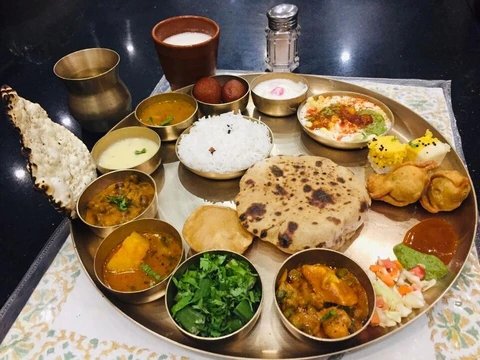
In Khampti cuisine, the rice is used in boiled rice cakes wrapped in leaves, and simple meals of rice mixed with boiled green leafy vegetables. Specific recipes include Tongtep (cakes made from ground rice), Khawlam (boiled rice with sesame seeds), Paasa (fresh river fish soup with special herbs), as well as Paa-som and Nam-Som.
The rice received its Geographical Indication (GI) tag from the Geographical Indications Registry, under the Union Government of India, on 3 October 2023, with validity until 12 December 2031. The application was filed in December 2021 by Namsai Organic Spices and Agricultural Producer Company Limited from Lohit, and the GI tag was granted in 2023 by the registry in Chennai. This makes "Arunachal Pradesh Khaw Tai (Khamti Rice)" an exclusive name for rice grown in that region. It is the first rice variety from Arunachal Pradesh and the third type of good from the state to earn a GI tag, which provides legal protection and a unique identity, preventing illegal selling and marketing.
Quick Facts
- Description
- Arunachal Pradesh Khaw Tai (Khamti Rice) is an aromatic rice cultivated in Arunachal Pradesh
- Area
- Namsai, Changlang, and Lohit districts
- Country
- India
- Registered
- 3 October 2023
- Official Website
- https: · search.ipindia.gov.in/GirPublic/Application/Details/803 · ipindia.gov.in
Facts from the source article.
Lore & Background
The name 'Arunachal Pradesh Khaw Tai (Khamti Rice)' combines several terms: 'Arunachal Pradesh' refers to the state where it is cultivated; 'Khaw' or 'Khao' means rice in the local Khamti language; 'Tai' refers to the Tai ethnic group and also means heavenly; and 'Khamti' refers to the Khamti ethnic tribe, the primary cultivators, who call themselves Tai Khampti. It is simply known as Khaw Tai rice or Khamti rice.
The Khampti farmers, inhabiting the Namsai region of Arunachal Pradesh, traditionally cultivate crops. 'Khampti' means 'a land full of gold'. Their staple food includes the chewy sticky Khaw Tai rice, which has a strong aroma, bold size, and is much healthier with many medicinal values. The sources of water for growing rice create rice environments either irrigated or rain-fed. This rice was once used by their ancestors as a protective jacket during wars and jungle expeditions, providing both protection and sustenance.
The Khampti people also enjoy boiled rice cakes wrapped in leaves and a simple meal of rice mixed with boiled green leafy vegetables. Their rice food recipes include Tongtep (cakes made of ground rice), Khawlam (boiled rice and sesame seeds), Paasa (fresh river fish soup with special herbs), as well as Paa-som and Nam-Som.
Reader's Guide
Arunachal Pradesh Khaw Tai (Khamti Rice) holds significance as a traditional staple of the Khampti tribe, deeply tied to their identity and history. Its GI tag, awarded on 3 October 2023, makes it the first rice variety from Arunachal Pradesh and the third type of goods from the state to earn such protection. The tag, proposed by Namsai Organic Spices and Agricultural Producer Company Limited from Lohit, was granted by the Geographical Indications Registry in Chennai, following an application filed in December 2021. This legal protection prevents illegal selling and marketing, giving the rice a unique identity. The variety's historical use as a protective jacket during wars and jungle expeditions highlights its cultural and practical importance. Its cultivation in rain-fed or irrigated environments, along with its medicinal values, underscores its role in the region's agriculture and cuisine. The GI status ensures that only rice grown in the designated districts can bear the name, preserving the heritage of the Khampti farmers who have traditionally cultivated it.
Did You Know?
- The name 'Khaw Tai' combines 'Khaw' (rice in Khamti language) and 'Tai' (referring to the Tai ethnic group and meaning heavenly).
- It became the first rice variety from Arunachal Pradesh to receive a Geographical Indication tag.
- The GI tag was awarded on 3 October 2023 and is valid until 12 December 2031.
Cultural Roots & the Meaning Behind the Name
The full designation "Arunachal Pradesh Khaw Tai (Khamti Rice)" is a linguistic tapestry woven from several layers of identity. "Arunachal Pradesh" anchors the grain to its state of origin, while "Khaw" (also rendered as "Khao") is the Khamti-language word for rice itself. The term "Tai" carries a dual resonance: it identifies the Tai ethnic group and simultaneously translates to "heavenly," lending the grain a spiritual dimension. "Khamti" points to the Khamti tribe, the primary cultivators who refer to themselves as Tai Khampti. Together, these elements form a name that is essentially a declaration of belonging—this is the rice of a specific people, in a specific place, carrying a specific meaning. In everyday usage, the variety is simply called Khaw Tai rice or Khamti rice, a shorthand that still preserves the ethnic and geographic identity embedded in its full designation.
A Grain with a History of Survival
For the Khampti farmers of the Namsai region, Khaw Tai rice is far more than a crop—it is a living archive of survival. The variety is a non-Basmati, short-grained, bold aromatic grain that has sustained communities across Namsai, Changlang, and Lohit districts for generations. Its chewy, sticky texture and strong aroma make it a dietary staple, while its bold size and numerous medicinal properties set it apart nutritionally. Perhaps most striking is its wartime legacy: Khamti ancestors reportedly used the rice as a protective jacket during conflicts and jungle expeditions, a practical garment that offered both physical shielding and a reliable source of sustenance in the field. The rice thrives in both irrigated and rain-fed environments, shaped by the water sources available in the region. The Khampti people, whose name translates to "a land full of gold," have cultivated this grain as a cornerstone of their agricultural identity, passing down knowledge of its growth and preparation through the generations.
A Table Steeped in Tradition
The culinary world of the Khampti people revolves around Khaw Tai rice in ways that reflect both simplicity and ingenuity. Beyond plain boiled rice, the tradition includes rice cakes wrapped in leaves and a humble yet nourishing dish of rice mixed with boiled green leafy vegetables. The recipe repertoire extends to Tongtep, a cake made from ground rice; Khawlam, a preparation combining boiled rice with sesame seeds; and Paasa, a fresh river fish soup seasoned with special herbs. Paa-som and Nam-Som round out the list of traditional preparations that showcase the grain's versatility. Each of these dishes is rooted in the local landscape—river fish, forest herbs, leafy greens, and sesame seeds all feature alongside the rice. The result is a cuisine deeply tied to the terrain of Namsai, Changlang, and Lohit, where ingredients are foraged, harvested, and prepared in ways that have remained largely unchanged. The rice is not merely an ingredient here; it is the structural foundation upon which every meal is built.
Earning Legal Recognition
On 3 October 2023, the Geographical Indications Registry in Chennai, acting under the Union Government of India, granted the GI tag to Arunachal Pradesh Khaw Tai (Khamti Rice), a designation valid until 12 December 2031. The application was proposed by Namsai Organic Spices and Agricultural Producer Company Limited, based in Lohit, and filed in December 2021. The two-year journey from filing to approval culminated in a milestone: Khaw Tai became the first rice variety from Arunachal Pradesh to receive GI status, and the third type of goods from the state to earn the distinction. The tag legally binds the name to grain grown within the specified region, shielding it from unauthorized selling and marketing elsewhere. For the Khampti farmers who have cultivated this rice for generations, the GI tag transforms a traditional crop into a legally protected identity, ensuring that the name carries the weight of its origin and that the community's heritage receives formal recognition under Indian law.
Frequently Asked Questions
What is Arunachal Pradesh Khaw Tai rice?
It is an indigenous, non-Basmati rice variety known for its short, bold grains and a distinctly strong aroma. The name 'Khaw' (or 'Khao') simply means rice in the Khamti language, while 'Tai' points to the Tai ethnic heritage behind the crop. It is sometimes referred to as Khamti rice in everyday usage.
Where and by whom is Khaw Tai rice traditionally grown?
Khampti tribe farmers cultivate it across the Namsai, Changlang, and Lohit districts of Arunachal Pradesh, India. It has long served as a staple, common crop for these hill communities rather than a commercial export variety.
What does Khaw Tai rice taste and feel like when cooked?
The grains come out chewy and sticky with a noticeable aromatic punch, setting it apart from the long, slender profile of Basmati. Its short, bold shape gives it a hearty, satisfying bite that pairs well with the hearty stews and curries typical of northeastern Indian cooking.
When did Khaw Tai rice receive its Geographical Indication tag?
The variety was officially granted the GI designation 'Arunachal Pradesh Khaw Tai (Khamti Rice)' on 3 October 2023, and the registration remains valid through 12 December 2031. Notably, it is the first rice variety from Arunachal Pradesh to earn this protected status.
Why is Khaw Tai rice considered important to Indian cuisine?
It preserves a centuries-old grain tradition tied to the Khampti people and the specific terroir of northeastern Arunachal Pradesh. The GI tag helps safeguard that heritage from generic labeling and supports the smallholder farmers who continue to grow it using traditional methods.
More in Indian cuisine 1-24
Spotted an error? Know more?
Reader corrections go straight into our review queue. Suggest an edit · How this site is sourced