
The Cosby Show
A sitcom about an upper middle-class Black family in Brooklyn.

Steven Friederich · CC BY-SA 4.0
The Cosby Show, an American sitcom created by Bill Cosby alongside Ed. Weinberger and Michael J. Leeson, aired on NBC from September 20, 1984, to April 30, 1992. It ran for eight seasons, totaling 201 half-hour episodes, including an outtakes special. The series centers on the Huxtables, an upper middle-class Black American family in Brooklyn, New York, and drew from Cosby’s stand-up comedy routines, which themselves were inspired by his own family life. The show produced a spin-off, A Different World, which aired from September 24, 1987, to July 9, 1993, spanning six seasons and 144 episodes.
TV Guide called the series "TV's biggest hit in the 1980s," noting it "almost single-handedly revived the sitcom genre and NBC's ratings fortunes." It ranked 28th on the magazine’s list of the 50 Greatest Shows, and in 2014, Cliff Huxtable was named the "Greatest Television Dad." In May 1992, Entertainment Weekly stated that The Cosby Show paved the way for a broader range of shows with predominantly Black casts, such as In Living Color and The Fresh Prince of Bel-Air.
The Cosby Show was the top-rated television show for five consecutive seasons, making it one of only two sitcoms in Nielsen ratings history—alongside All in the Family—to hold the number-one spot for five consecutive seasons. It remained in the top 20 for its entire run. It is also the only scripted TV show with a predominantly African-American cast to top the Nielsen ratings, and to do so multiple times. Its spin-off, A Different World, was a ratings success, ranking in the top five for four of its six seasons. The show launched its extended cast into stardom, and Cosby, already successful in television, film, and stand-up, became the highest-paid actor on television.
Internationally, the show was a hit, gaining a global following and becoming a regular presence in markets previously difficult for African-American leads, such as Europe, where it achieved strong ratings and commercial success, cementing its status as an international icon of 1980s pop culture. Its impact on Black American portrayal and gender politics on TV was significant. Phylicia Rashad’s portrayal of Clair Huxtable, the family matriarch, sparked an international wave of working mothers on television, known as the "Clair Huxtable effect." Bill Cosby was nicknamed "America's Dad" for his celebrated role as Cliff Huxtable.
Quick Facts
- Genre
- Sitcom
- Creator
- Bill Cosby / Ed. Weinberger / Michael J. Leeson
- Starring
- Bill Cosby / Phylicia Rashad / Sabrina Le Beauf / Geoffrey Owens / Lisa Bonet / Joseph C. Phillips / Malcolm-Jamal Warner / Tempestt Bledsoe / Keshia Knight Pulliam / Raven-Symoné / Erika Alexander
- Director
- Jay Sandrich
- Composer
- Stu Gardner / Arthur Lisi
- Theme Music Composer
- Stu Gardner / Bill Cosby
- Open Theme
- "Kiss Me"; performed by: / Bobby McFerrin (season 4) / James DePreist performed by The Oregon Symphony Orchestra (season 5) / Craig Handy (seasons 6–7) / Lester Bowie (season 8)
- End Theme
- "Kiss Me" (instrumental; various versions)
- Country
- United States
- Language
- English
- Num Seasons
- 8
- Num Episodes
- 201 (and outtakes special)
Facts from the source article.
Lore & Background
The Cosby Show was created by Bill Cosby with Ed. Weinberger and Michael J. Leeson. The series focuses on the Huxtable family: father Cliff Huxtable, an obstetrician; mother Clair Huxtable, a lawyer; and their five children: Sondra, Denise, Theo, Vanessa, and Rudy. The show was based on Cosby's stand-up comedy routines, which drew from his own family life. The pilot episode originally featured only four children; the eldest daughter Sondra was added after the pilot. Bill Cosby originally wanted Vanessa Williams for the role of Sondra, but pageant officials would not permit it, and Whitney Houston was considered for Denise but could not commit to a full-time television schedule.
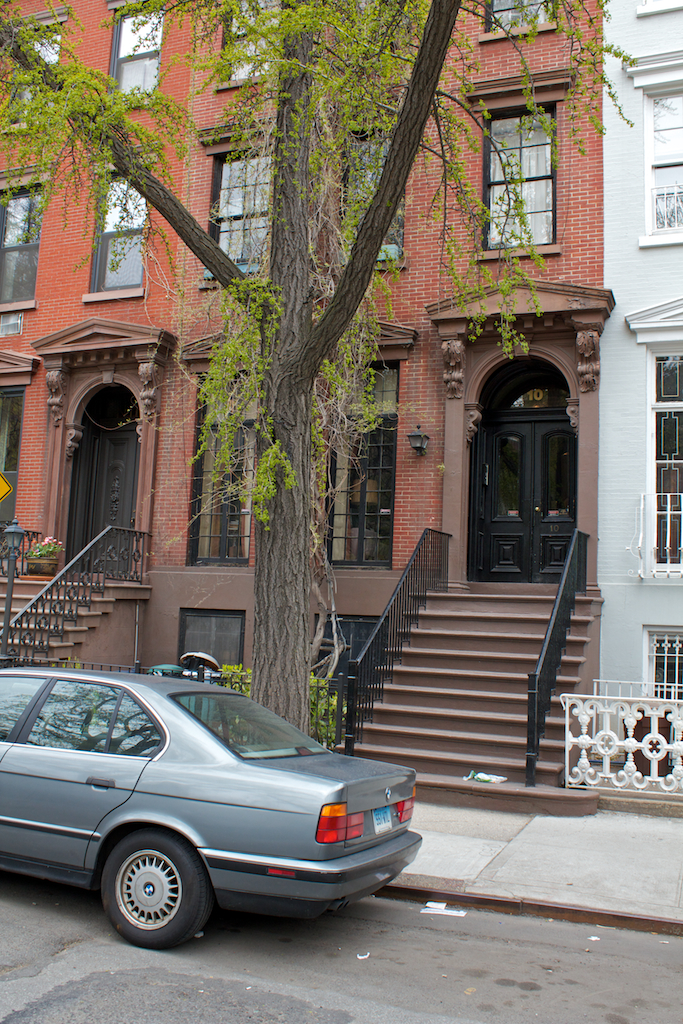
The show was produced by Carsey-Werner, a production company founded by former ABC executives Marcy Carsey and Tom Werner. ABC passed on the show, so it was pitched to NBC. Cosby originally proposed the parents have blue-collar jobs, but on advice from his wife Camille Cosby, the concept was changed so the family was well-off, with the mother a lawyer and the father a physician. Cosby insisted the program be taped in New York City rather than Los Angeles. The Huxtable home exterior was filmed at 10 St. Luke's Place in Manhattan's Greenwich Village, though the show used the fictional address 10 Stigwood Avenue.
Reader's Guide
The Cosby Show is significant as the top-rated television show for five consecutive seasons, one of only two sitcoms in Nielsen ratings history—the other being All in the Family—to finish at number one for five seasons. It remains the only scripted TV show with a predominantly African-American cast to top the Nielsen ratings, and to do so more than once. TV Guide listed the series as 'TV's biggest hit in the 1980s,' adding it 'almost single-handedly revived the sitcom genre and NBC's ratings fortunes.' In May 1992, Entertainment Weekly stated that The Cosby Show helped make possible a larger variety of shows with a predominantly black cast, from In Living Color to The Fresh Prince of Bel-Air.
The show was an international hit, becoming a regular fixture in markets previously considered unattainable for African-American leads, such as Europe. Its effects on Black American portrayal and gender politics on television were a major part of its success. The portrayal of Clair Huxtable by Phylicia Rashad sparked an international wave of working mothers on television dubbed the 'Clair Huxtable effect,' and Bill Cosby was nicknamed 'America's Dad' for his portrayal of Cliff Huxtable. The colorful sweaters Cosby wore as Cliff became a fashion trend. The show spawned a spin-off, A Different World, which also became a ratings hit. Since 2014, reruns of The Cosby Show have been pulled from several networks and venues as a result of the Bill Cosby sexual assault cases.
Did You Know?
- The Cosby Show is one of only two sitcoms in Nielsen ratings history to finish at number one for five seasons, the other being All in the Family.
- The show's spin-off, A Different World, ran for six seasons and featured in the top 5 of the ratings for four of its six seasons.
- Bill Cosby originally wanted Vanessa Williams to play Sondra Huxtable, but pageant officials would not permit it while she was representing the Miss America pageant.
Ratings Dominance & Industry Impact
The Cosby Show achieved a level of broadcast dominance that remains virtually unmatched in television history. For five straight seasons it held the top spot in Nielsen ratings, a feat shared by only one other sitcom ever, All in the Family. Throughout its entire eight-season run the series never fell outside the top twenty. It also stands as the sole scripted program with a predominantly African-American cast to claim the number-one position more than once. TV Guide later described the show as the biggest hit of the 1980s, crediting it with nearly single-handedly resurrecting both the sitcom genre and NBC's struggling ratings. In 2014 the same publication ranked it twenty-eighth among its fifty greatest shows and named Cliff Huxtable the Greatest Television Dad. The spinoff, A Different World, carried the momentum forward, landing in the top five ratings for four of its six seasons and launching its extended cast into stardom, while Cosby himself became the highest-paid actor on television.
Cultural & Social Legacy
The show's influence extended far beyond its ratings numbers. Phylicia Rashad's portrayal of Clair Huxtable, a successful attorney and working mother, triggered what observers called the Clair Huxtable effect, an international wave of working-mother characters appearing across television. Bill Cosby, meanwhile, earned the nickname America's Dad for his warm, authoritative depiction of Cliff, and the colorful sweaters he wore in the role became a genuine fashion trend that saw a brief revival in the early 2010s. Entertainment Weekly noted in 1992 that the series helped open the door for a wider range of shows with predominantly Black casts, pointing to In Living Color and The Fresh Prince of Bel-Air as direct beneficiaries. The show also became a regular fixture in European markets, regions previously considered unattainable for African-American leads, where it achieved both ratings and commercial success and cemented its status as an international icon of 1980s pop culture.
Creation & Production Story
The series was born from the ambitions of Marcy Carsey and Tom Werner, former ABC executives who had overseen hits like Mork and Mindy and Three's Company. After leaving the network to found their own production company, Carsey-Werner, they recognized they needed a major name to anchor a new sitcom. They turned to Bill Cosby, whose stand-up comedy and family-based routines offered ideal material, even though his career had grown somewhat static by the early 1980s. Despite Carsey and Werner's existing ties to ABC, the network's entertainment president passed on the project, prompting a pitch to rival NBC, which picked it up. The pilot episode, drawn largely from Cosby's 1983 film Bill Cosby: Himself, featured only four children before the eldest daughter Sondra was added. Cosby originally envisioned Vanessa Williams for that role, but her Miss America obligations prevented it, and Whitney Houston was briefly considered for Denise before committing to a full-time music career.
The Huxtable Family & Narrative
At its core, the series follows the Huxtables, an upper-middle-class African-American family residing in a Brooklyn Heights brownstone at 10 Stigwood Avenue. Cliff, an obstetrician whose father was a prominent jazz trombonist, and his wife Clair, a lawyer, raise five children: Sondra, Denise, Theo, Vanessa, and Rudy. While the show maintained a comedic tone, it was not afraid to tackle weighty topics. Theo's struggle with dyslexia was directly inspired by Cosby's own son Ennis, and the series addressed teenage pregnancy through the storyline of Denise's friend Veronica. The family's dynamics and the show's emphasis on a successful, aspirational Black household were central to its broad appeal. The series ran from September 1984 through April 1992, producing 201 half-hour episodes across eight seasons including an outtakes special. A later sitcom, simply titled Cosby, brought the same two leads together on CBS from 1996 to 2000, drawing positive reviews while differing notably from its predecessor.
Gallery

Frequently Asked Questions
What is The Cosby Show?
It is an American sitcom that follows the Huxtable family, an upper-middle-class Black household based in Brooklyn, New York. Bill Cosby co-created the series with Ed Weinberger and Michael J. Leeson, and it broadcast on NBC from 1984 through 1992.
Who are the main characters in The Cosby Show?
The show revolves around Cliff Huxtable, a lawyer, and Clair Huxtable, a physician, along with their four children. Much of the family dynamic was pulled from Cosby's stand-up routines, which he originally built around his own household.
How many seasons and episodes did The Cosby Show have?
The series ran for eight seasons, producing a total of 201 half-hour episodes that included one outtakes special. Its final episode aired on NBC on April 30, 1992.
Did The Cosby Show spawn a spin-off?
Yes, the show gave rise to A Different World, which tracked Denise Huxtable's college years at Haverford. That follow-up series lasted six seasons and 144 episodes between 1987 and 1993.
Why is The Cosby Show considered a landmark in television history?
It became the highest-rated sitcom of the 1980s and is broadly credited with breathing new life into the sitcom format after a yearslong slump. Its depiction of a prosperous, professional Black family was a major cultural first for mainstream American TV.
More in Iconic Tv Sitcoms 1-18
Spotted an error? Know more?
Reader corrections go straight into our review queue. Suggest an edit · How this site is sourced