
Taxi (TV series)
A sitcom about New York taxi drivers and their dispatcher.

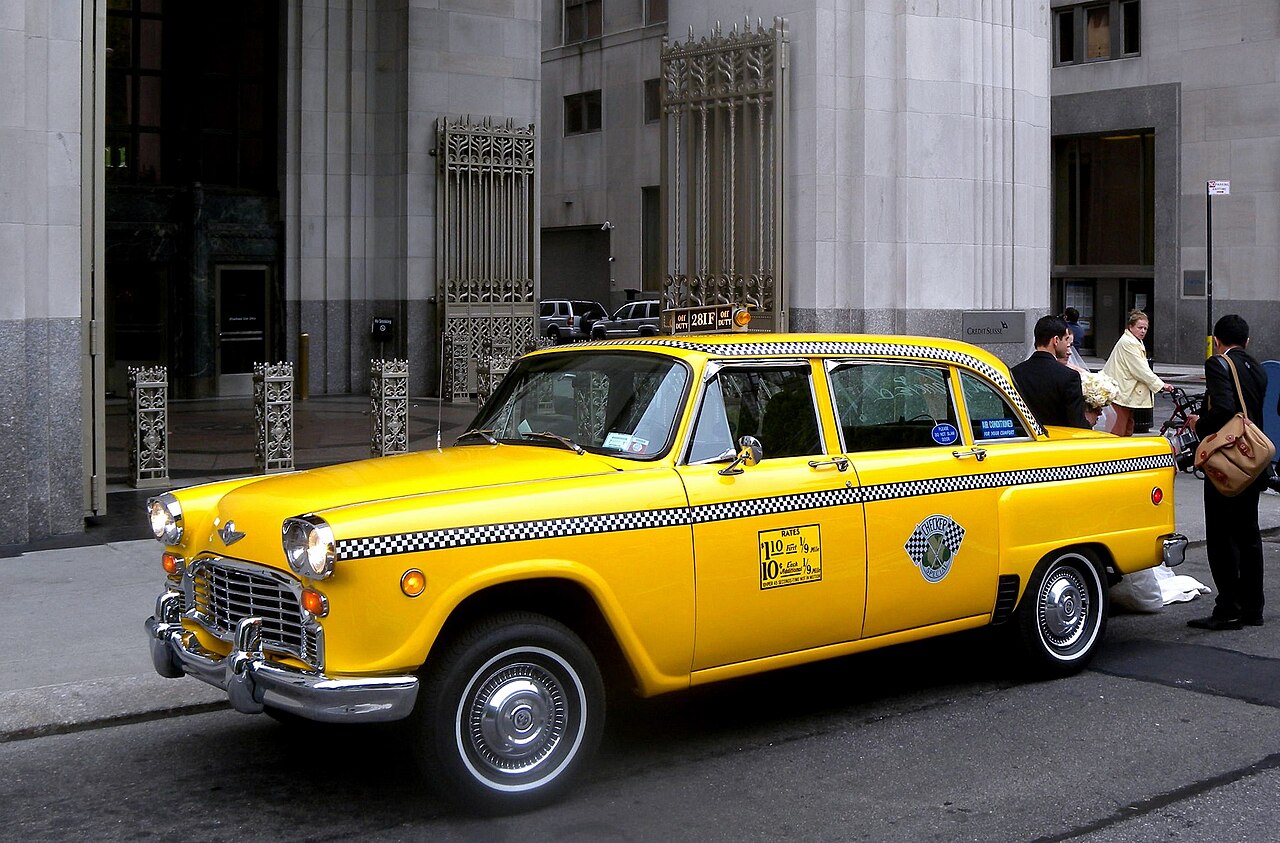
CEphoto, Uwe Aranas · CC BY-SA 3.0
Taxi is an American sitcom that aired on ABC from September 12, 1978, to May 6, 1982, then moved to NBC from September 30, 1982, to June 15, 1983. The series follows a group of New York City cab drivers and their cruel dispatcher through their daily lives. The main cast, for most of the show’s run, included drivers Alex Reiger (Judd Hirsch), Bobby Wheeler (Jeff Conaway), Elaine Nardo (Marilu Henner), Tony Banta (Tony Danza), and “Reverend” Jim Ignatowski (Christopher Lloyd), along with dispatcher Louie De Palma (Danny DeVito) and mechanic Latka Gravas (Andy Kaufman). The John Charles Walters Company produced the show in association with Paramount Network Television. James L. Brooks, Stan Daniels, David Davis, and Ed. Weinberger created it; all had previously worked on *The Mary Tyler Moore Show*, which ended in 1977.
The series earned both critical praise and commercial success, and it is often considered one of the best television shows ever. It received 31 Primetime Emmy Award nominations and won 18, including three consecutive wins for Outstanding Comedy Series. Since its original run ended, the show has continued to air in syndicated reruns.
**Premise and themes** The story centers on night-shift employees of the fictional Sunshine Cab Company, with the main setting being the company’s Manhattan garage. Among the drivers, only Alex Reiger—a disillusioned man—treats cab driving as his career. The others see it as temporary or part-time work. Elaine Nardo is a single mother who also works as a receptionist at an art gallery. Tony Banta is a boxer with a poor record. Bobby Wheeler is an aspiring actor. John Burns, written out after the first season, is a college student. The drivers take pity on “Reverend” Jim Ignatowski, a burned-out former hippie minister, and help him become a cabbie. The cast also includes Latka Gravas, an innocent, naive mechanic from an unnamed foreign country, and Louie De Palma, the tyrannical dispatcher. Many episodes involve a character getting a chance to pursue a dream, only to have it taken away. Otherwise, the cabbies cope with their unfulfilling lives and Louie’s constant abuse and contempt, even though he was once a driver himself. Louie’s assistant, Jeff Bennett, is initially a minor character but gains more screen time in later seasons.
Quick Facts
- Genre
- Sitcom
- Creator
- James L. Brooks / Stan Daniels / David Davis / Ed. Weinberger
- Starring
- Judd Hirsch / Jeff Conaway / Danny DeVito / Marilu Henner / Tony Danza / Randall Carver / Andy Kaufman / Christopher Lloyd / Carol Kane
- Director
- James Burrows (seasons 1–4) / Various (seasons 2–5)
- Theme Music Composer
- Bob James
- Open Theme
- "Angela"
- Country
- United States
- Language
- English
- Num Seasons
- 5
- Num Episodes
- 114
- List Episodes
- List of Taxi episodes
- Executive Producer
- James L. Brooks / Stan Daniels / Ed. Weinberger / David Davis
Facts from the source article.
Lore & Background
The show focuses on the employees who work the night shift at the fictional Sunshine Cab Company, and its principal setting is the company's fleet garage in Manhattan. Among the drivers, only Alex Reiger, who is disillusioned with life, considers cab driving his profession. The others view it as a temporary or part-time occupation. Elaine Nardo is a single mother working as a receptionist at an art gallery. Tony Banta is a boxer with a losing record. Bobby Wheeler is a struggling actor. John Burns (written out after the first season) is working his way through college. All take pity on 'Reverend Jim' Ignatowski, an aging hippie minister burnt out from drugs, so they help him become a cabbie. The characters also include Latka Gravas, their innocent, wide-eyed mechanic from an unnamed foreign country, and Louie De Palma, the despotic dispatcher.
A number of episodes involve a character having an opportunity to realize their dream to move up in the world, only to see it yanked away. Otherwise, the cabbies deal on a daily basis with their unsatisfying lives and with Louie's abusive behavior and contempt. Despite the humor, Taxi often tackles such dramatic life issues as presenteeism, victimization, adultery, pre-marital pregnancy, drug addiction, single parenthood, blindness, obesity, dissociative identity disorder, animal abuse, homosexuality, racism, teenage runaways, divorce, nuclear war, sexual harassment, premenstrual mood disorders, gambling addiction, and grief.
Reader's Guide
Taxi was produced by the John Charles Walters Company, in association with Paramount Network Television, and was created by James L. Brooks, Stan Daniels, David Davis, and Ed. Weinberger, all of whom were brought on board after working on The Mary Tyler Moore Show. The show was nominated for 34 Primetime Emmy Awards and won 18, including wins in three consecutive years for Outstanding Comedy Series. It has remained in syndicated reruns ever since the series ended. The ensemble cast consisted of taxi drivers Alex Reiger (Judd Hirsch), Bobby Wheeler (Jeff Conaway), Elaine Nardo (Marilu Henner), Tony Banta (Tony Danza), and 'Reverend' Jim Ignatowski (Christopher Lloyd), along with dispatcher Louie De Palma (Danny DeVito) and mechanic Latka Gravas (Andy Kaufman). The show is widely regarded as one of the greatest television shows of all time, and its characters have been recognized by TV Guide, which ranked Louie De Palma first and Reverend Jim Ignatowski 32nd on its list of the 50 greatest TV characters.
Did You Know?
- Taxi originally aired on ABC from 1978 to 1982, then moved to NBC for its final season from 1982 to 1983.
- The show won 18 Primetime Emmy Awards, including three consecutive wins for Outstanding Comedy Series.
- Louie De Palma was ranked first on TV Guide's 1999 list of the 50 greatest TV characters of all time.
- The character Latka Gravas was an adaptation of Andy Kaufman's 'Foreign Man' stage character.
Origins & Production
Taxi emerged directly from the creative team behind The Mary Tyler Moore Show. After that series wrapped in 1977, James L. Brooks, Stan Daniels, David Davis, and Ed. Weinberger came together to develop a new sitcom. The production was handled by the John Charles Walters Company in partnership with Paramount Network Television. The show premiered on ABC on September 12, 1978, and continued on that network until May 6, 1982. When ABC dropped the series, NBC stepped in, and Taxi ran from September 30, 1982, until its final episode aired on June 15, 1983. The principal setting is the fleet garage of the fictional Sunshine Cab Company in Manhattan, where the night-shift crew gathers between runs. The show centers on the daily routines of a small group of taxi drivers and their notoriously abusive dispatcher, grounding its comedy in the unglamorous rhythms of working-class New York life.
Ensemble Cast & Character Dynamics
The ensemble at the heart of Taxi was a carefully constructed family of misfits bound together by a shared garage. Judd Hirsch played Alex Reiger, the compassionate, level-headed anchor to whom everyone turned for guidance, though he privately resented the weight of that responsibility. Jeff Conaway portrayed Bobby Wheeler, a vain struggling actor who became Louie's favorite target for ridicule. Marilu Henner played Elaine Nardo, a divorced mother of two who moonlighted as a cabbie while working at an art gallery. Tony Danza brought Tony Banta, a boxer with a losing record. Christopher Lloyd played Reverend Jim Ignatowski, an aging, drug-burned hippie minister the others helped transition into cab driving. Danny DeVito was Louie De Palma, the despotic dispatcher who spent his days belittling and bullying the drivers from his caged-in office. Andy Kaufman played Latka Gravas, the innocent, wide-eyed mechanic from an unnamed foreign country. Each character carried a distinct personal struggle, weaving a rich tapestry of working-class New York life.
Thematic Ambition & Dramatic Depth
What set Taxi apart from its sitcom peers was its willingness to weave genuinely serious subject matter into weekly episodes. Beyond the surface humor, the show confronted issues such as drug addiction, single parenthood, blindness, obesity, dissociative identity disorder, animal abuse, homosexuality, racism, teenage runaways, divorce, nuclear war, sexual harassment, premenstrual mood disorders, gambling addiction, and grief. A recurring narrative pattern involved a character seizing what appeared to be a real opportunity to improve their life, only to watch it snatched away at the last moment. Alex had once held an office job with genuine prospects for advancement but lost it after refusing to conform to company policy. Bobby was signed by a famous manager who turned out to want him as a lover rather than a client, and a soap opera role was recast before production began. These repeated disappointments underscored the show's central meditation on unsatisfying lives and the small cruelties of everyday existence, all filtered through Louie's constant abuse and contempt toward his workers.
Legacy & Cultural Impact
Taxi achieved both critical acclaim and commercial success during its original run, and its reputation has only grown since. The series accumulated 34 Primetime Emmy Award nominations and won 18, including Outstanding Comedy Series in three consecutive years. It has remained in syndicated reruns continuously since the series concluded in 1983, keeping its characters in the cultural conversation for decades. In 1999, TV Guide ranked Louie De Palma first on its list of the 50 greatest television characters of all time, a testament to the depth DeVito brought to what was ostensibly a comedic antagonist. The show is widely regarded as one of the greatest television programs ever produced. Its influence extended to casting and creative decisions as well: Robin Williams was considered for the role of Bobby Wheeler but was unavailable due to his commitment to Mork & Mindy. The creative team's proven track record from The Mary Tyler Moore Show lent Taxi an immediate credibility, and the show's blend of sharp comedy with genuine emotional resonance established a template that would influence ensemble sitcoms for generations to come.
Gallery





Frequently Asked Questions
What is Taxi (TV series) about?
It is an American sitcom centered on a group of New York City cab drivers and their abrasive dispatcher at a shared cab company. The show depicts their daily interactions, personal struggles, and workplace comedy across five seasons.
Who are the main characters in Taxi (TV series)?
The core ensemble features drivers Alex Reiger, Bobby Wheeler, Elaine Nardo, Tony Banta, and 'Reverend' Jim Ignatowski, along with dispatcher Louie De Palma and mechanic Latka Gravas. These roles were played by Judd Hirsch, Jeff Conaway, Marilu Henner, Tony Danza, Christopher Lloyd, Danny DeVito, and Andy Kaufman.
How long did Taxi (TV series) run?
The series aired for five seasons totaling 114 episodes, debuting on ABC in September 1978 and wrapping on NBC in June 1983. It spent its first four seasons on ABC before switching networks for the final year.
Why did Taxi (TV series) move from ABC to NBC?
After completing its fourth season on ABC, the show was picked up by NBC for a fifth and final season that began in September 1982. The network change allowed the series to continue for one more year before its eventual cancellation.
Why is Taxi (TV series) considered a classic?
The show is celebrated for its sharp ensemble writing, memorable character dynamics, and for putting major comedic talents like Andy Kaufman, Christopher Lloyd, and Danny DeVito in front of the camera together. It remains a touchstone for workplace sitcoms set in a single location.
More in Iconic Tv Sitcoms 1-18
Spotted an error? Know more?
Reader corrections go straight into our review queue. Suggest an edit · How this site is sourced