
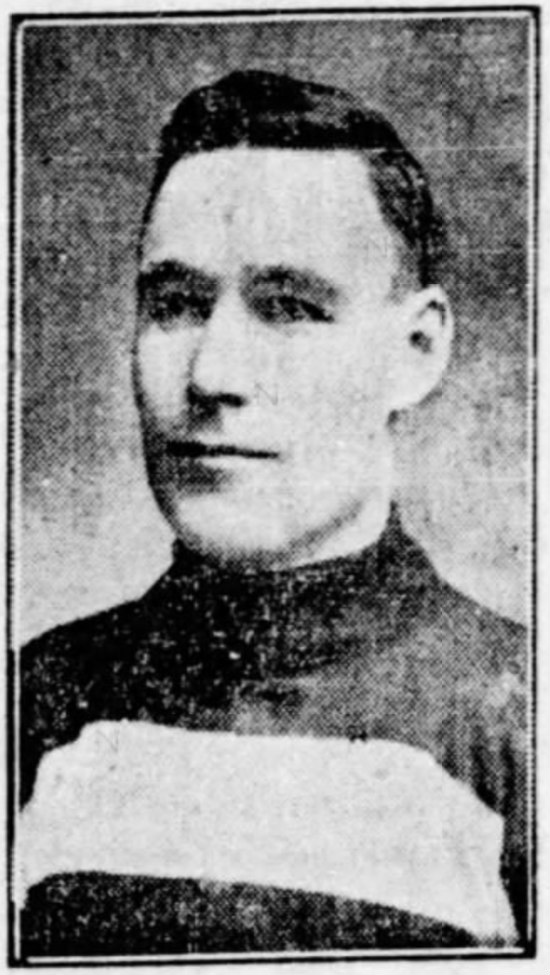
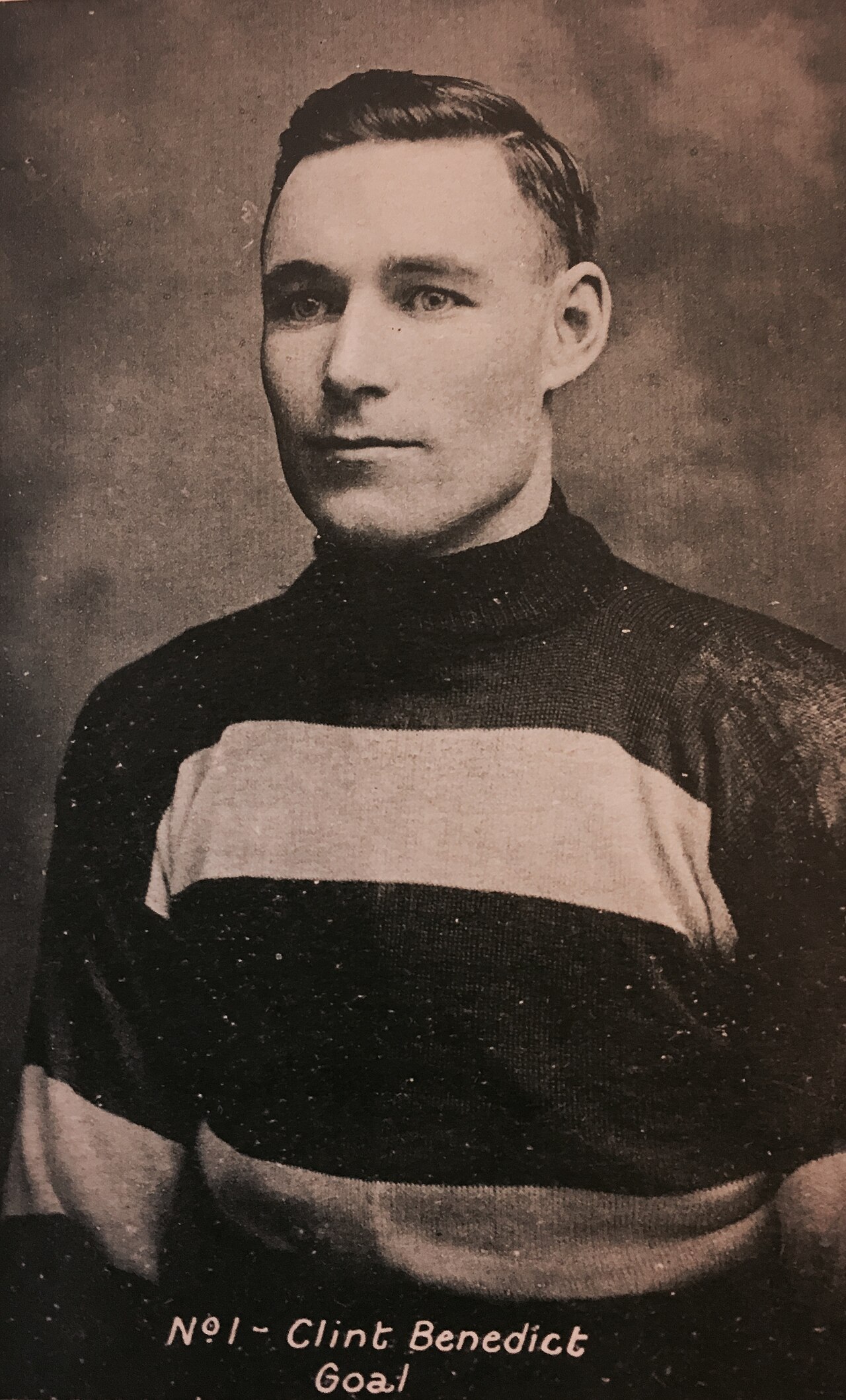
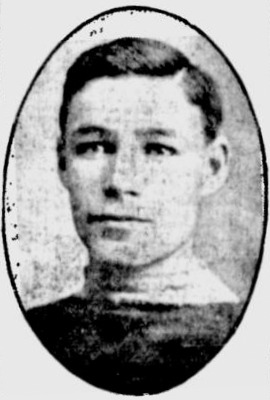
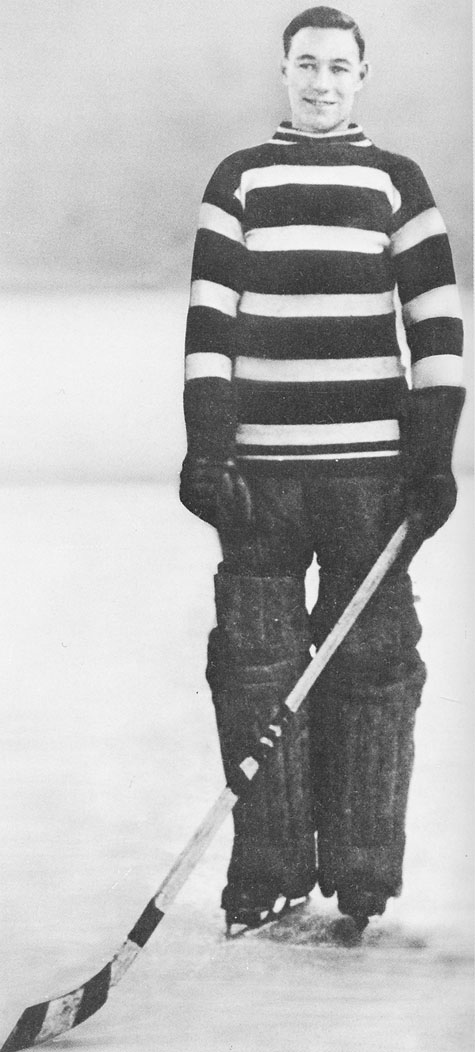
Clint Benedict
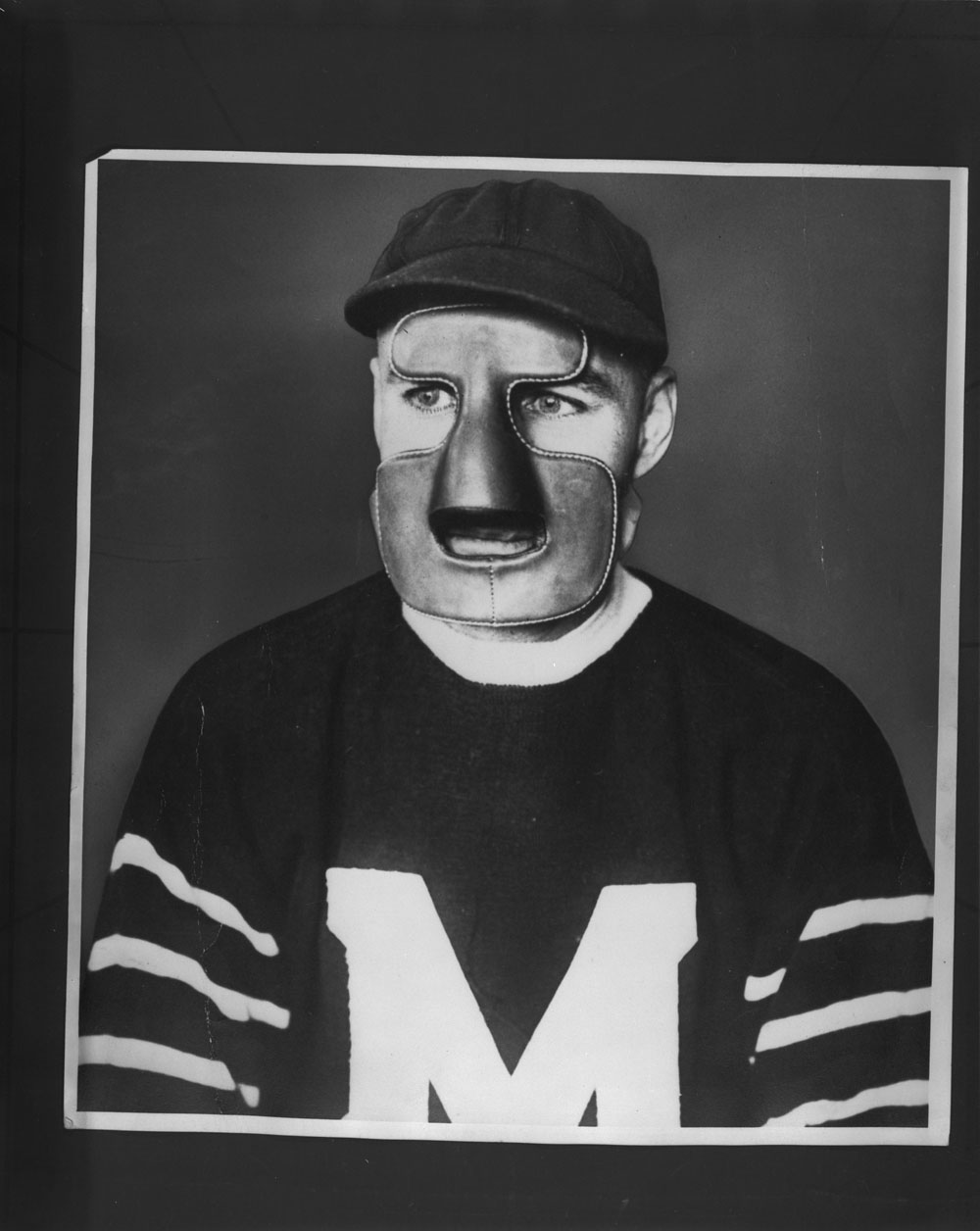
First NHL goalie to wear a face mask.

Ross Dunn · CC BY-SA 2.0
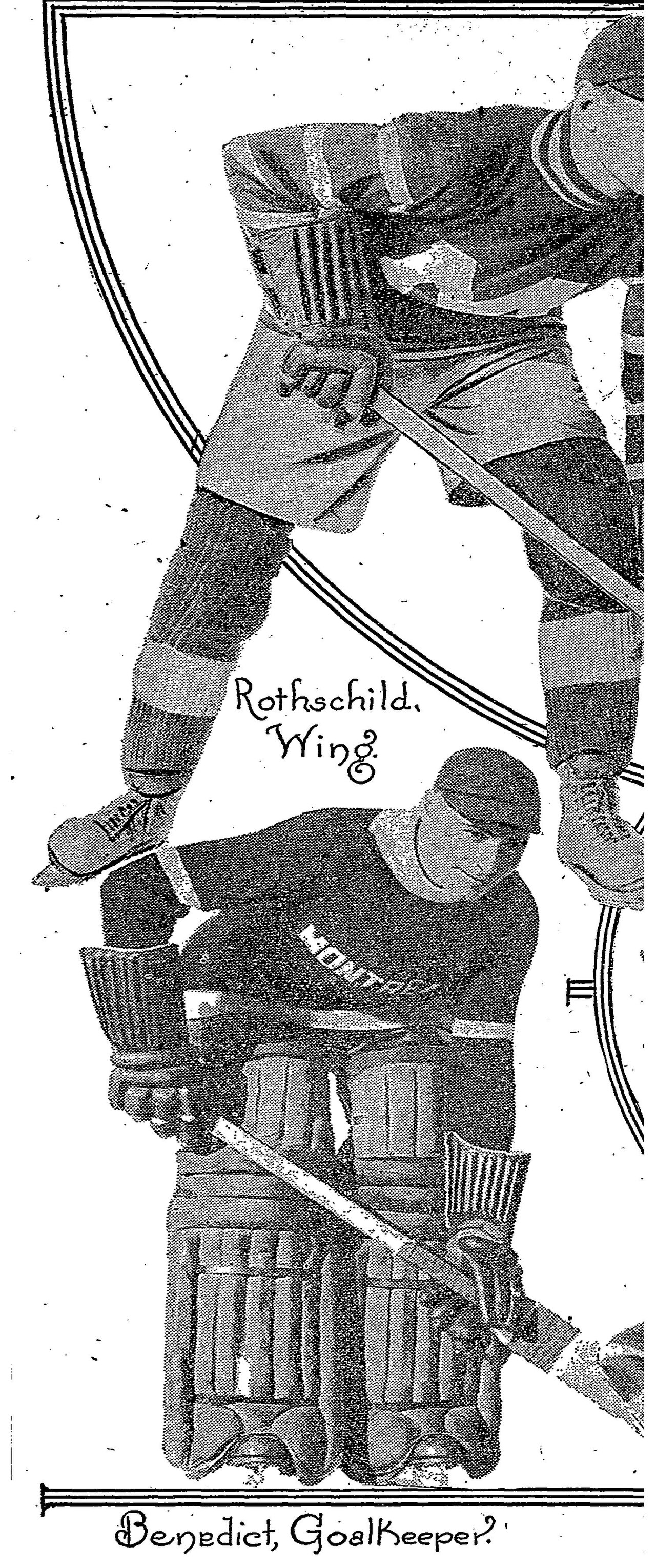
Clint Benedict was a Canadian professional ice hockey goaltender who played for the Ottawa Senators and the Montreal Maroons. He was one of the first great goalies in professional hockey and a notable innovator, being the first goaltender in the NHL to wear a face mask and the first to drop to his knees to stop the puck, a style that was initially illegal but later legalized by a rule change.
Quick Facts
- Halloffame
- 1965
- Position
- Goaltender
- Catches
- Left
- Height Ft
- 6
- Height In
- 0
- Weight Lb
- 165
- Played For
- Ottawa Senators / Montreal Maroons
- League
- NHL
- Birth Date
- 1892-09-26
- Birth Place
- Ottawa, Ontario, Canada
- Death Date
- 1976-11-12
- Career Start
- 1912
Facts from the source article.
Lore & Background
Benedict began his senior-level hockey at age 17, playing for the Ottawa Stewartons in 1909–10. He joined the Ottawa Senators of the NHA in 1912–13 as a backup to Percy LeSueur, taking over as starter in 1914–15. He led the league in goals against average in his first three seasons. After winning three Stanley Cups with the Senators, his career was affected by a drinking problem that became public through a court case in 1924. He was traded to the Montreal Maroons in October 1924, where he won another Stanley Cup in 1926 after recording three shutouts in the final.
Reader's Guide
Benedict's significance lies in his innovations and longevity. He was the first goaltender to drop to his knees to stop low pucks, a move that was illegal at the time but later legalized by the NHL, earning him the nickname 'Praying Benny.' He also pioneered facial protection, wearing a leather mask with a large nosepiece for five games in the 1929–30 season after breaking his nose from a shot by Howie Morenz. The mask was abandoned because the nosepiece obscured his vision. Benedict led NHL goaltenders in shutouts seven times and won four Stanley Cups. He was inducted into the Hockey Hall of Fame in 1965, later than expected, possibly due to the 1924 drinking scandal.
Did You Know?
- Clint Benedict was the first NHL goaltender to wear a face mask, using it for five games in the 1929–30 season.
- He was the first goalie to drop to his knees to stop the puck, a move that was illegal at the time.
- Benedict led league goaltenders in shutouts seven times over his professional career.
- He won four Stanley Cups: three with the Ottawa Senators and one with the Montreal Maroons.
Career & Achievements
Clint Benedict's path to the top of professional goaltending began in the Ottawa amateur scene, where he was playing senior hockey by age seventeen for the Ottawa Stewartons in the 1909-10 season. After a year with the New Edinburghs, he caught the eye of the Ottawa Senators in the National Hockey Association, where he spent twelve seasons—five under the NHA banner and seven after the league rebranded as the NHL. Though he initially backed up Percy LeSueur, Benedict seized the starting role in 1914-15 and immediately dominated, leading the league in goals-against average for three straight seasons. Over his career he recorded the most shutouts in the league on seven separate occasions and lifted the Stanley Cup four times—three with Ottawa and one with the Montreal Maroons. His tenure with the Senators also saw him serve as Art Ross's goaltender of choice for the NHA All-Stars in exhibition play against the PCHA squad. After his NHL career wound down, he still led the Windsor Bulldogs to an IHL title and went on to manage the Saint John Beavers in the Maritime Senior Hockey League for two seasons.
Innovation & the Praying Position
Benedict is widely regarded as one of the earliest great innovators in professional goaltending. His signature move—dropping to his knees to stop a puck sliding along the ice—was actually illegal when he first employed it. The league's very first rule change was made specifically to legalize the technique he had pioneered, and it is this very image that earned him the enduring nickname "Praying Benny." Decades before Jacques Plante made the goalie mask a standard piece of equipment, Benedict donned facial protection in the NHL during the 1929-30 season. After a Howie Morenz shot broke the bridge of his nose on January 7, 1930, he sat out six weeks before returning on February 20 against the New York Americans wearing a leather mask with a prominent nosepiece. He experimented with modifications across five games, but a final face-hit during a goal-mouth scramble on March 4 ended the experiment, blood pouring from his nose. Reflecting on the brief period, Benedict noted the nosepiece had obscured his vision.
The Fall and the Second Act
The 1923-24 season shattered what had been a pristine reputation. Benedict developed a drinking problem that the Senators initially tried to keep quiet, yet he occasionally took the ice while still under the influence. The team's playoff collapse and his poor showing in those games made the situation untenable. Management docked part of his salary, prompting Benedict to sue the club. The Senators countersued, and the court filings laid bare the full scope of his behavior. When Ottawa newspapers caught wind of the litigation, the truth became public knowledge, and both sides rushed to a settlement to limit further publicity. His career with the Senators was effectively over. On October 20, 1924, he was dealt alongside Punch Broadbent to the expansion Montreal Maroons. The move proved to be a genuine second act. Benedict spent six seasons in Montreal, and in 1926 he captured his fourth Stanley Cup, recording three shutouts in the Final against the Victoria Cougars.
Legacy & Life Beyond the Rink
Benedict's contributions to the sport extend well beyond his statistics. His early days in lacrosse—winning the Ottawa City Championship with the Stars in 1911 and later earning a reputation for tenacity under pressure with the professional Ottawa Capitals—shaped the grit he brought to hockey. In recognition of his overall impact, he was inducted into the Hockey Hall of Fame in 1965, a delay that some observers attributed to the shadow of the 1924 controversy. The following year, NHL historian Charles Coleman named him the All-Star goaltender for the entire 1893-1926 era, and he was enshrined in the Ottawa Sports Hall of Fame. In 1998, The Hockey News placed him seventy-seventh on its list of the 100 Greatest Hockey Players. Benedict returned to Ottawa in his later years and lived to the age of eighty-four, passing away in November 1976. His legacy endures as a pioneer who changed how the position was played and protected.
Gallery
Frequently Asked Questions
Who is Clint Benedict?
Clint Benedict (1892–1976) was a Canadian goaltender who suited up for the Ottawa Senators and the Montreal Maroons in the early NHL era. He is widely regarded as one of the pioneering greats of professional hockey goaltending.
What made Clint Benedict's playing style revolutionary?
He was the first NHL goaltender to drop to his knees to block shots, a technique that was actually illegal until the league amended the rules to permit it. He also became the first goalie in the league to wear a protective face mask while between the pipes.
How many Stanley Cups did Clint Benedict win?
Benedict captured four Stanley Cup championships over the course of his career with the Ottawa Senators and the Montreal Maroons.
How many seasons did Clint Benedict lead the NHL in shutouts?
He topped the league in shutouts in seven separate seasons, a remarkable streak of dominance in the net during the 1920s.
Why is Clint Benedict important to hockey history?
As a trailblazer who introduced the knee-drop technique and the face mask, he fundamentally reshaped how the goaltending position was played. His innovations laid the groundwork for the modern style of hockey goaltending that followed in later decades.
More in Hockey Hall of Fame Goaltenders 1-24
Spotted an error? Know more?
Reader corrections go straight into our review queue. Suggest an edit · How this site is sourced