Leo Boivin
Hard-hitting defenceman who played 19 NHL seasons and was inducted in 1986.
Leo Joseph Boivin (August 2, 1931 – October 16, 2021) was a Canadian professional ice hockey defenceman and coach who spent 19 seasons in the National Hockey League (NHL). From 1952 to 1970, he suited up for the Toronto Maple Leafs, Boston Bruins, Detroit Red Wings, Pittsburgh Penguins, and Minnesota North Stars.
Boivin was born in Prescott, Ontario, and first laced up skates at age seven on the town’s rivers and outdoor rinks near Ottawa. He started his junior career in 1948–49 with the Inkerman Rockets of the Ontario Valley Junior Hockey League. The Boston Bruins scouted him during a pre-season competition and signed him in 1949. He then played two seasons for the Port Arthur Bruins of the Thunder Bay Junior A Hockey League before his rights were traded to the Toronto Maple Leafs on November 16, 1950.
Boivin began the 1951–52 season with the Pittsburgh Hornets of the American Hockey League (AHL) before earning a promotion to the Leafs. Toronto needed a physical defenseman after Bill Barilko vanished on a fishing trip in summer 1951, and the club believed Boivin’s hard-hitting style could fill the gap. He made his NHL debut on March 8, 1952, playing just one more game that season but becoming a regular the following year. Early in the 1954–55 season, Toronto traded him back to the Bruins for Joe Klukay.
In Boston, Boivin enjoyed his finest years as a feared presence on the blue line, helping the Bruins reach two Stanley Cup Finals in the late 1950s. He played alongside defensive stalwarts Allan Stanley, Fern Flaman, Doug Mohns, and Bob Armstrong. During the Bruins’ tough rebuilding years in the early 1960s, he remained the anchor of a young defense corps. He was named team captain in 1963. In February 1966, he was traded to the Detroit Red Wings in a five-player deal. Boivin later recalled that Boston general manager Hap Emms asked if he would go to Detroit, and he agreed, noting that despite having hit players like Gordie Howe and Alex Delvecchio hard over the years, they welcomed him. That spring, he helped the Red Wings reach the Stanley Cup Final, where they lost to the Montreal Canadiens.
After one more season in Detroit, Boivin’s career was winding down, but at age 35 he got a second wind when the NHL doubled in size by adding six new franchises for 1967–68. The Pittsburgh Penguins selected him in the 1967 Expansion Draft.
Quick Facts
- Halloffame
- 1986
- Birth Date
- 1931-08-02
- Birth Place
- Prescott, Ontario, Canada
- Death Date
- 2021-10-16
- Death Place
- Brockville, Ontario, Canada
- Height Ft
- 5
- Height In
- 7
- Weight Lb
- 177
- Position
- Defence
- Shoots
- Left
- Played For
- Toronto Maple Leafs / Boston Bruins / Detroit Red Wings / Pittsburgh Penguins / Minnesota North Stars
- League
- NHL
Facts from the source article.
Lore & Background
Boivin began playing hockey at age seven on rivers and outdoor ice in Prescott, Ontario. He started his junior career in 1948–49 with the Inkerman Rockets of the Ontario Valley Junior Hockey League. Scouted by the Boston Bruins during a pre-season competition, he was signed in 1949 and played for the Port Arthur Bruins of the Thunder Bay Junior A Hockey League for two seasons. His rights were traded to the Toronto Maple Leafs on November 16, 1950. He started the 1951–52 season with the Pittsburgh Hornets of the AHL before being promoted to the Leafs, who needed a physical defenceman after Bill Barilko disappeared on a fishing trip in summer 1951. Boivin made his NHL debut on March 8, 1952, and played regularly the following year. Early in the 1954–55 season, he was traded back to the Bruins for Joe Klukay.
Reader's Guide
Boivin enjoyed his best years in Boston as a feared member of the blue line, helping lead the Bruins to two Stanley Cup Finals in the late 1950s. He starred alongside Allan Stanley, Fern Flaman, Doug Mohns, and Bob Armstrong. He remained the anchor of a youthful Bruins defensive corps during the difficult reconstructive period of the early 1960s. He became captain of the Bruins in 1963. In February 1966, he was traded to the Detroit Red Wings in a five-player trade. He helped the Red Wings reach the Stanley Cup Final that spring, where they lost to the Montreal Canadiens. After one more season with Detroit, he was selected by the Pittsburgh Penguins in the 1967 NHL Expansion Draft, which extended his career. He spent a season and a half with the Penguins before being traded to the Minnesota North Stars. After the North Stars were eliminated in the 1970 playoffs, Boivin retired, declining an offer from the newly established Buffalo Sabres. After retiring, he became a scout, served as interim coach of the St. Louis Blues during the 1975–76 and 1977–78 seasons, and briefly coached the Ottawa 67's of the Ontario Hockey League, tutoring young defencemen Denis Potvin and Ian Turnbull. He worked as a scout until his retirement in 1993 with the Hartford Whalers. The arena in his hometown was retitled the Leo Boivin Community Centre in 1986. In 2023 he was named one of the top 100 Bruins players of all time.
Did You Know?
- He was traded from the Maple Leafs back to the Bruins early in the 1954–55 season for Joe Klukay.
- He became captain of the Boston Bruins in 1963.
Nineteen Seasons, Five Teams: The Long Blue Line
Leo Joseph Boivin carved out one of the more enduring careers in NHL history, logging nineteen seasons between 1952 and 1970 across five different franchises. Born in Prescott, Ontario, in 1931, he first picked up a stick at age seven, skating the rivers and frozen outdoor rinks that surrounded his small community near Ottawa. After a junior stint with the Inkerman Rockets and two seasons with the Port Arthur Bruins, his rights were transferred to Toronto in late 1950. His professional path then wound through Boston, Detroit, Pittsburgh, and Minnesota, a journey that spanned the entire Original Six era and into the expansion years. In Boston, he became a cornerstone of a defensive unit that included Allan Stanley, Fern Flaman, Doug Mohns, and Bob Armstrong, helping guide the Bruins to two Stanley Cup Finals in the late 1950s. He wore the captain's 'C' in 1963 and remained the steady anchor of a rebuilding defensive corps through the early 1960s. His physical, hard-hitting style — a quality the Leafs originally sought to replace the late Bill Barilko — defined his reputation throughout the league.
Crossroads: Trades, Expansion, and a Second Wind
Boivin's career was shaped as much by the decisions of general managers as by his own play. After making his NHL debut for Toronto on March 8, 1952, he was dealt to Boston in exchange for Joe Klukay early in the 1954–55 campaign, a move that set the stage for his most productive years. In February 1966, a five-player transaction sent him to Detroit, where he found himself facing former rivals like Gordie Howe and Alex Delvecchio — players he had hit hard over the years. He recalled that the Red Wings welcomed him with open arms and that he genuinely enjoyed the experience. That spring, Detroit reached the Stanley Cup Final before falling to Montreal. When the league doubled in size for the 1967–68 season, Boivin, then 35, was selected by the Pittsburgh Penguins in the expansion draft, a move he credited with adding meaningful time to his career. After a season and a half in Pittsburgh, a final trade placed him with the Minnesota North Stars. Following their 1970 playoff exit in the quarterfinals, he retired, turning down a chance to continue with the newly formed Buffalo Sabres.
Hall of Fame and Mentoring the Next Generation
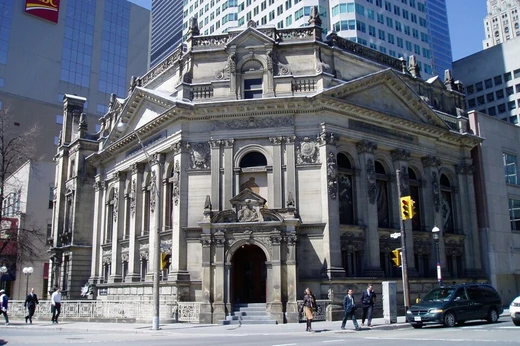
Boivin's influence extended well beyond his playing days. In September 1986, he was enshrined in the Hockey Hall of Fame, a recognition that the same year saw the arena in his hometown of Prescott retitled the Leo Boivin Community Centre in his honour. In 2023, the Boston Bruins named him among their top 100 players of all time, a testament to the lasting impression he left on that franchise. Between his playing career and his scouting retirement in 1993 with the Hartford Whalers, Boivin served as an interim head coach of the St. Louis Blues during the 1975–76 and 1977–78 seasons. He also spent a brief period coaching the Ottawa 67's of the Ontario Hockey League, where he mentored young defencemen who would go on to make their own marks, including Denis Potvin and Ian Turnbull. His scouting work and his annual attendance at Ottawa Senators games in his later years underscored a man who never fully left the sport he had devoted his life to.
Rooted in Prescott: Life Beyond the Rink
Long before the NHL, Leo Boivin's identity was inseparable from the small Ontario town of Prescott, where he was born on August 2, 1931, and where he first learned to skate on natural ice along the rivers near Ottawa. That connection never faded. After hanging up his skates in 1970, he took up scouting, a role he continued until his retirement in 1993 with the Hartford Whalers. The community gave back in kind: the local arena was renamed the Leo Boivin Community Centre in 1986, and an annual midget tournament in Prescott continues to bear his name. In his final decades, he remained a devoted fan, attending Ottawa Senators games every year. He passed away on October 16, 2021, at the age of ninety. His story — from a boy skating on frozen rivers to a Hall of Fame defenceman who captained a Stanley Cup–contending team and mentored future stars — remains a fitting emblem of what small-town hockey can produce when talent meets grit and an unshakeable work ethic.
Gallery


More in Hockey Hall of Fame Defencemen 1-24
Spotted an error? Know more?
Reader corrections go straight into our review queue. Suggest an edit · How this site is sourced