Ebbie Goodfellow
Red Wings forward and defenceman, three-time Stanley Cup champion.
Ebbie Goodfellow was a Canadian professional ice hockey player and coach who played in the National Hockey League (NHL) for the Detroit Red Wings from 1928 to 1943 as both a forward and defenceman. He helped the Red Wings win the Stanley Cup in 1935–36, 1936–37 and 1942–43, and served as captain for five seasons. In 1939–40 he became the first Red Wing to win the NHL's Hart Trophy as his team's most valuable player.
Quick Facts
- Played For
- Detroit Red Wings
- Position
- Centre/Defence
- Shoots
- Left
- Height Ft
- 6
- Height In
- 0
- Weight Lb
- 175
- Birth Date
- 1907-04-09
- Birth Place
- Ottawa, Ontario, Canada
- Death Date
- 1985-09-10
- Death Place
- Sarasota, Florida, U.S.
- Career Start
- 1928
- Career End
- 1943
Facts from the source article.
Lore & Background
Goodfellow began his professional career by signing with the Saskatoon Sheiks of the Western Canada Hockey League on December 25, 1924, while still a junior. When Saskatoon called him up in December 1926, he refused to report and instead played senior hockey with the Ottawa Montagnards of the Ottawa City Hockey League. In February 1927, his professional rights were sold to the Detroit Olympics of the AHL for $4,000, but he remained in Ottawa and was a member of the Montagnards' 1927–28 senior championship team. He joined the Olympics in 1928 for one season before signing with the Detroit Cougars (later Red Wings) the following year, starting a fourteen-year NHL career. Goodfellow was a high-scoring forward and the original center in a famous line with Herbie Lewis and Larry Aurie. During the 1930–31 season, he scored 25 goals (a franchise record that stood for fourteen years) and 48 points, finishing second to Howie Morenz in league scoring. After three seasons he switched to defence, and at that position he won the Hart Memorial Trophy in 1940 and was named to the All-Star Team three times.
Reader's Guide
Goodfellow missed most of the 1942–43 season due to injury, but when coach Jack Adams was suspended during the 1943 playoffs, Goodfellow agreed to serve as coach during the suspension. Detroit won the Stanley Cup, and Goodfellow's name was engraved on the Cup for a third and final time. He was one of the last NHL players to have his name engraved on the Stanley Cup as both player and coach, as league rules changed and playing coaches were disallowed. He retired the following season after knee problems began to slow him down. At the start of the 1947–48 season, he was persuaded out of retirement by the St. Louis Flyers of the AHL. In two years as coach of the Flyers, he led them from last place to the AHL Western Division Championship, the team's highest achievement to that date. He then became coach of the Chicago Black Hawks in 1950, but after two lacklustre seasons he retired from the NHL for good. In 1959 he helped found the Detroit Red Wings Alumni Association, a charitable organization still in operation. He was inducted into the Hockey Hall of Fame in 1963 and served for twenty-one years on the Hall's selection committee. He died of cancer on September 10, 1985, in Sarasota, Florida.
Did You Know?
- He scored 25 goals in 1930–31, a franchise record that stood for fourteen years.
- He served as both player and coach during the 1943 playoffs, winning the Stanley Cup.
Playing Career & Franchise Milestones
Ebenezer Robertson "Poker Face" Goodfellow arrived in Detroit in 1928 after a brief stint with the American Hockey League's Detroit Olympics, and he would spend the next fourteen seasons as a cornerstone of the Red Wings. As a forward, he anchored the original center position in a celebrated three-man line alongside Herbie Lewis and Larry Aurie. His 1930–31 campaign produced 25 goals—a franchise record that endured for fourteen years—and 48 points, placing him just behind Howie Morenz in league-wide scoring. After three seasons up front, Goodfellow transitioned to the blue line, where he earned three All-Star selections and captured the Hart Memorial Trophy in 1939–40, becoming the first Red Wing ever to claim the league's most valuable player honor. He also served as team captain across five seasons and helped lift Detroit to Stanley Cup titles in 1935–36, 1936–37, and 1942–43. His versatility and longevity made him one of the most complete players of his era in the NHL.
The 1943 Cup: Player and Coach in One
The 1942–43 season was one of Goodfellow's most unusual. Injuries kept him out of action for the majority of the regular season, yet when head coach Jack Adams was suspended during the Stanley Cup playoffs, Goodfellow stepped in to lead the team on the bench. Detroit captured the championship that run, and Goodfellow's name was engraved on the Cup for a third and final time. What made the achievement remarkable was that he had contributed as both a player on the roster and as the coach during the suspension, a dual role the league would soon eliminate. He became one of the last players in NHL history to have his name appear on the Stanley Cup in both capacities, as league rules subsequently barred playing coaches from the bench. The episode cemented his status as a true team man who put the organization's success above personal comfort, and it gave Detroit fans a final, bittersweet chapter before knee problems forced his retirement the following season.
Coaching Years & Institutional Legacy
After hanging up his skates, Goodfellow was talked back into the game in 1947 to coach the St. Louis Flyers of the American Hockey League. Over two seasons he transformed a last-place squad into the AHL Western Division champions, the highest mark in the franchise's history up to that point. In 1950 he moved up to the NHL to helm the Chicago Black Hawks, though two underwhelming campaigns there ended his coaching career for good. Beyond the rink, Goodfellow left a lasting institutional mark. In 1959 he co-founded the Detroit Red Wings Alumni Association, a charitable body that continues to operate today. His contributions were formally recognized when he was enshrined in the Hockey Hall of Fame in 1963, and he went on to serve twenty-one years on the Hall's selection committee, helping shape the careers of future inductees. He also received honors from the Ottawa Sports Hall of Fame and the Michigan Sports Hall of Fame in 1968, cementing his place in the sport's broader community.
Early Struggles & Life After Hockey
Goodfellow's path to the NHL was far from straightforward. As a teenager he signed with the Saskatoon Sheiks of the Western Canada Hockey League, but when the club called him up in late 1926 he refused to report, choosing instead to play senior hockey with the Ottawa Montagnards. His professional rights were eventually sold to Detroit for four thousand dollars, yet he remained in Ottawa long enough to help the Montagnards capture a senior championship before finally joining the AHL's Detroit Olympics. Born on April 9, 1907, and nicknamed "Poker Face," Goodfellow carried a quiet, steady demeanor throughout his life. After his hockey days ended, he became an avid golfer and even worked as a caddy master at Oakland Hills Country Club in Bloomfield Hills, Michigan. He passed away from cancer on September 10, 1985, in Sarasota, Florida, and was laid to rest at White Chapel Cemetery in Troy, Michigan.
Gallery


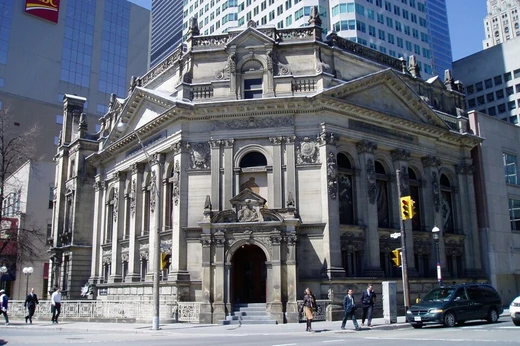
More in Hockey Hall of Fame Defencemen 1-24
Spotted an error? Know more?
Reader corrections go straight into our review queue. Suggest an edit · How this site is sourced