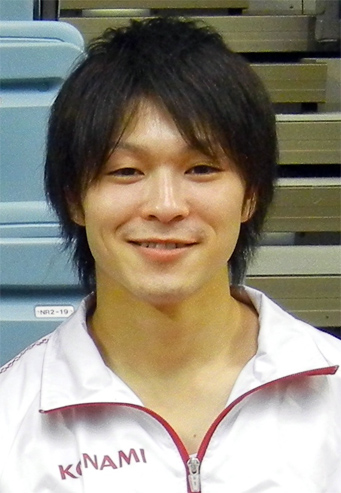
Kohei Uchimura
Japanese gymnast who won two Olympic all-around golds.

Lulubon · CC BY-SA 3.0
Kōhei Uchimura is a Japanese retired artistic gymnast. He is a seven-time Olympic medalist and a 21-time World medalist, known for dominating the all-around competition across two Olympic cycles.
Quick Facts
- Nickname
- King Kohei / Supermura / Superman
- Country
- JPN · MAG
- Birth Date
- 1989-01-03
- Birth Place
- Kitakyushu, Fukuoka
- Height
- 162 cm
- Discipline
- MAG
- Natlteam
- 2007–2022
- Club
- Ringer Hut
- Collegeteam
- Nippon Sport Science University (Nittaidai)
- Headcoach
- Hiroyuki Kato
- Assistcoach
- Yoshiaki Hatakeda, · Koji Gushiken
- Formercoach
- Naoya Tsukahara
Facts from the source article.
Lore & Background
Uchimura was born in Kitakyushu, Fukuoka Prefecture, and began gymnastics at age 3 at his parents' sports club in Nagasaki Prefecture. His parents, Kazuhisa and Shuko Uchimura, were both competitive gymnasts. At age 15, he moved to Tokyo to train with Athens gold medalist Naoya Tsukahara. His younger sister Haruhi Uchimura is also a gymnast. He stated, 'I don’t believe in God. I never had lucky charms. All I believe in is practice.' In his first international event, the 2005 International Junior Competition in Japan, he competed outside official competition.
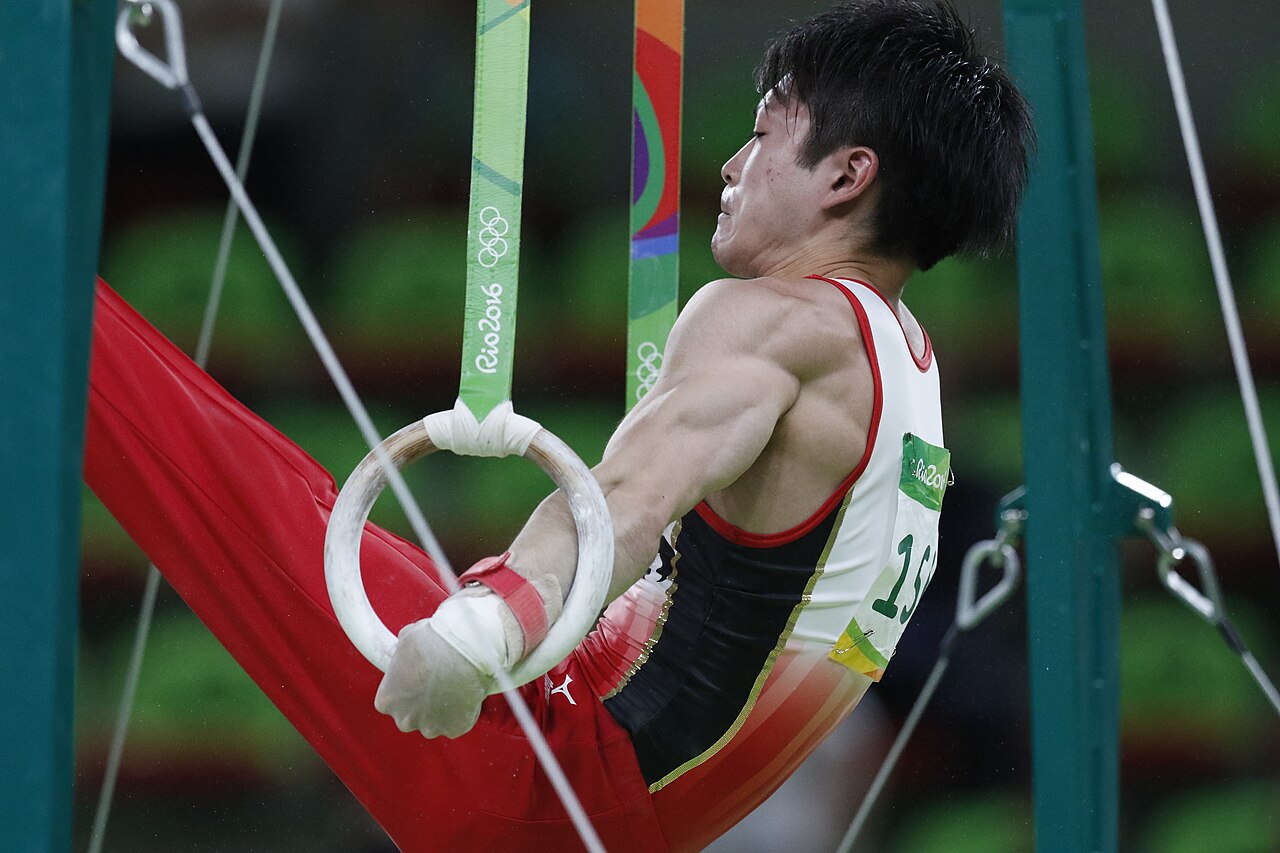
Uchimura made his senior debut at the 2007 Paris World Cup. He won the individual all-around silver medal at the 2008 Summer Olympics in Beijing, giving Japan its first Olympic medal in the event in 40 years. He won the all-around gold at the 2012 London Olympics and again at the 2016 Rio Olympics, along with team gold in 2016. He is the first gymnast (male or female) to capture every major all-around title in an entire single Olympic cycle, accomplishing this feat twice by securing six world (2009–2011 and 2013–2015) and two Olympic individual all-around titles.
Reader's Guide
Uchimura's significance lies in his unprecedented dominance of the all-around competition over two Olympic cycles. He was the first gymnast to win three consecutive world all-around titles, and the first to win every major all-around title in a single Olympic cycle, a feat he repeated. His routines were noted for their difficulty, consistency, and elegance. He won the Longines Prize for Elegance at the 2011 World Championships. His legacy includes setting a standard for all-around excellence, with a record four consecutive world all-around golds and two Olympic all-around golds. He also contributed to team medals, including silver in 2008 and 2012, and gold in 2016.
Did You Know?
- He won the individual all-around silver medal at the 2008 Olympics, Japan's first Olympic medal in that event in 40 years.
- He is the first gymnast to win four consecutive world all-around titles.
Career & Achievements
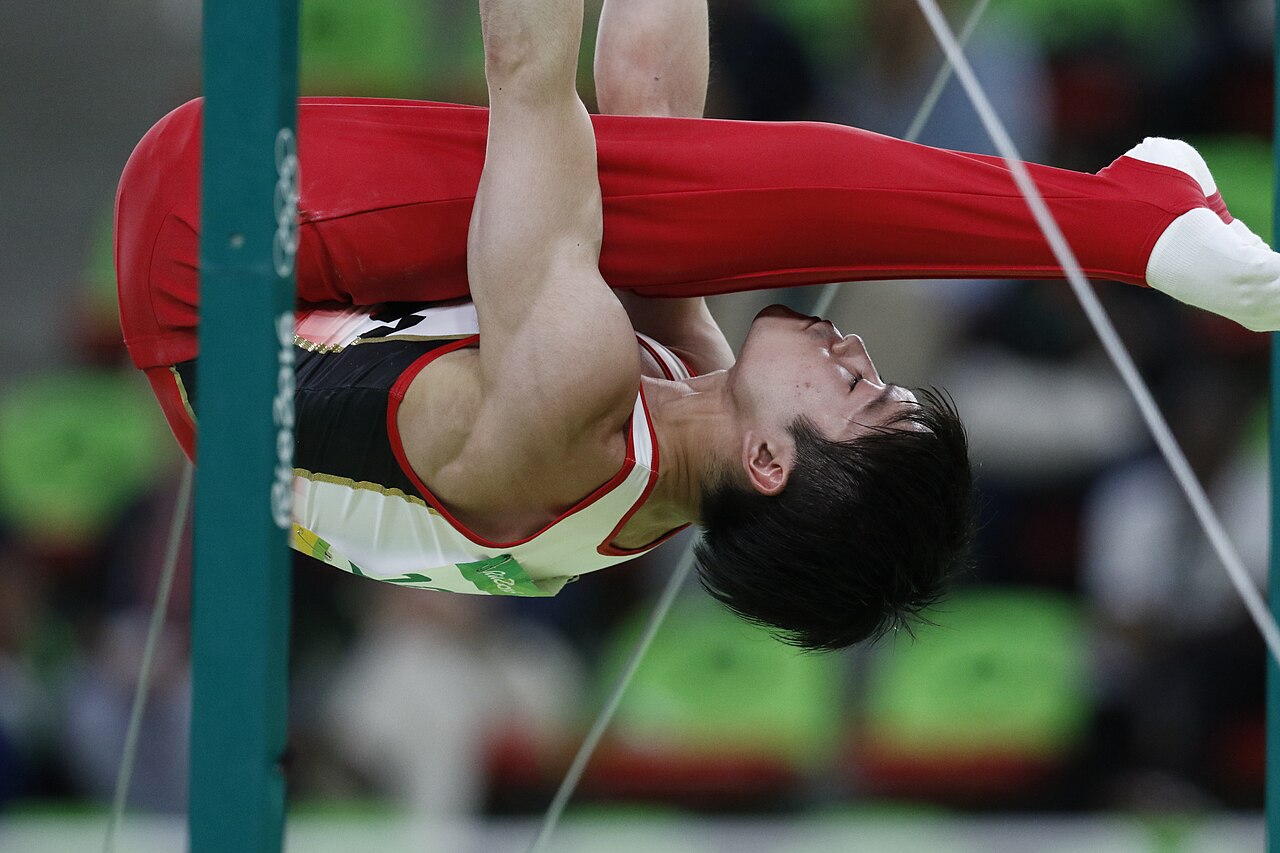
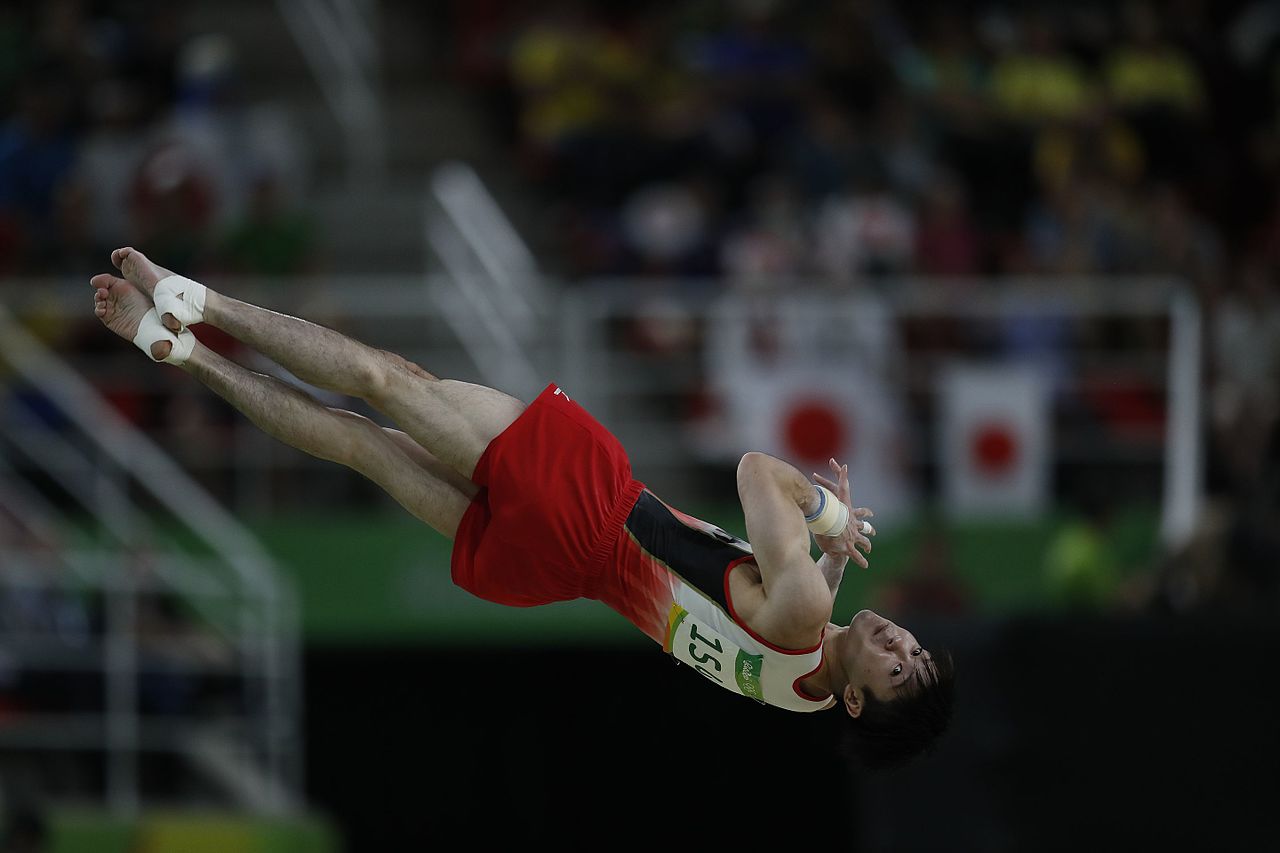
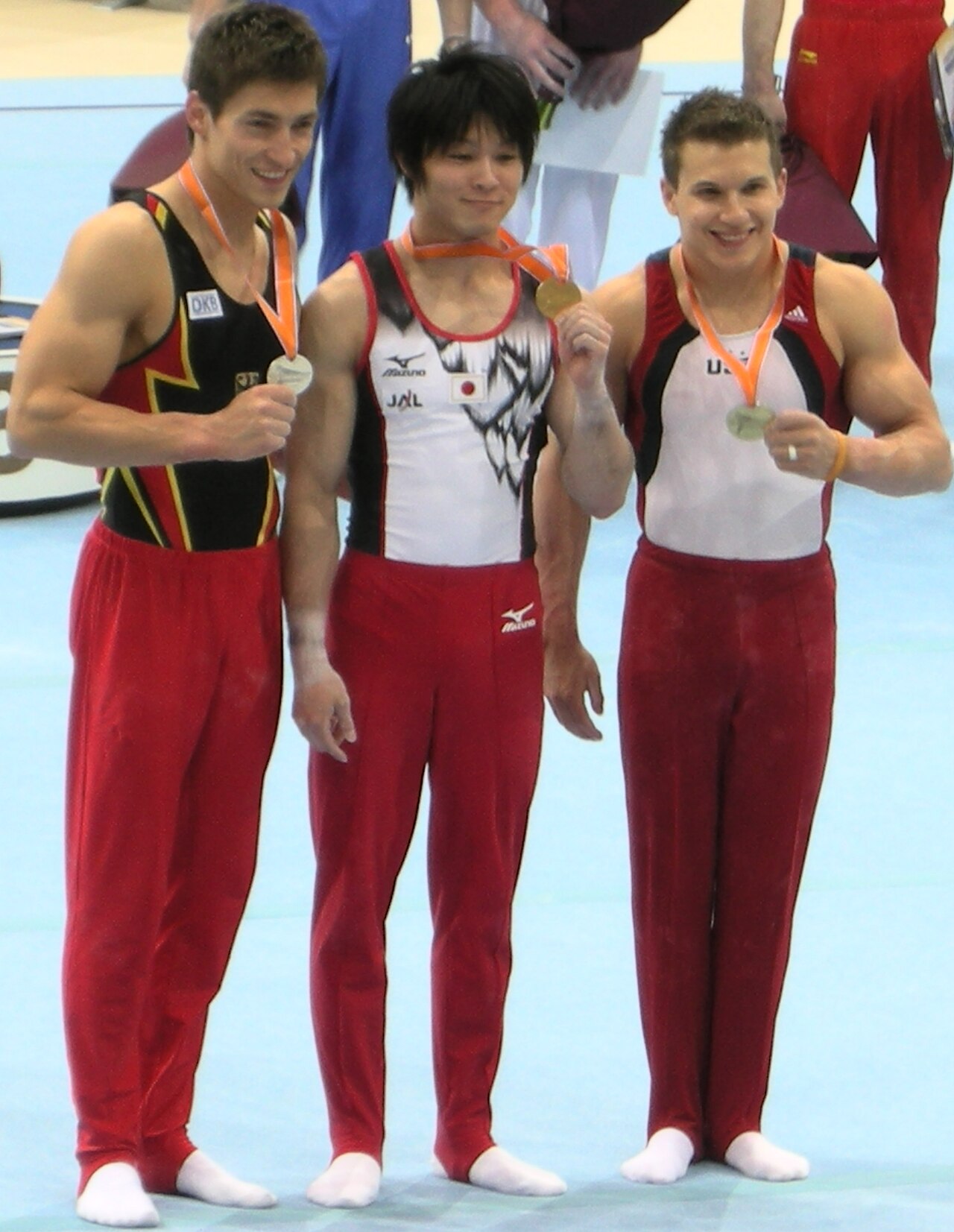
Few athletes in any sport have matched the sheer volume of top-level success that Kōhei Uchimura accumulated over his competitive career. The Japanese gymnast collected seven Olympic medals—three gold and four silver—across the team, individual all-around, and floor exercise events, spanning the 2008 Beijing, 2012 London, and 2016 Rio Games. On the World Championship stage, his tally reached twenty-one medals, spread across team competition, the all-around, floor exercise, parallel bars, and the horizontal bar. What made his record extraordinary was not merely the number of podium finishes but the consistency with which he arrived. In both the 2009–2012 and 2013–2016 Olympic cycles, he swept every major all-around title available, a feat no other male or female gymnast had ever accomplished in a single quad. His routines were characterized by high difficulty paired with precise execution, a combination that allowed him to outscore rivals by wide margins on the biggest stages in gymnastics.
Defining Moments
Uchimura's career is punctuated by moments that redefined what was thought possible in men's gymnastics. At the 2008 Beijing Olympics, the nineteen-year-old claimed the all-around silver behind China's Yang Wei, delivering Japan's first medal in that event in twenty-four years while posting the meet's highest floor score of 15.825. The following three years at the World Championships became a masterclass: in 2009 he cleared Daniel Keatings by 2.575 points, in 2010 he edged Philipp Boy by 2.251, and in 2011 he won in his home city of Tokyo by a staggering 3.101-point gap, becoming the first male gymnast ever to take three consecutive individual all-around crowns. The 2012 London Games then crowned that streak with Olympic gold, and four years later in Rio he added two more golds—team and individual all-around—replicating his earlier cycle of uninterrupted dominance. Each of these moments built on the last, layering a legacy that few athletes in any discipline can claim.
Legacy & Impact
The phrase 'Uchimura rules' graced the cover of the December 2009 issue of International Gymnastics Magazine, and it aptly summarized the impression he left on the sport. He remains the only gymnast, regardless of gender, to have captured every major individual all-around title within a single Olympic cycle—and he did so twice, collecting six World titles between 2009 and 2015 plus Olympic golds in 2012 and 2016. The same publication later described his artistry as a 'combination of tremendous difficulty, supreme consistency and extraordinary elegance of performance,' a characterization that resonated with judges and fans alike. At the 2011 World Championships in Tokyo, a unanimous panel of judges awarded him the Longines Prize for Elegance, a distinction shared that year with Romania's Ana Porgras. Uchimura himself noted his personal delight in receiving the accompanying wristwatch, a small human touch that underscored how his technical perfection never overshadowed his individuality. His influence on the standard of difficulty and execution in men's gymnastics continues to be referenced as a benchmark.
Early Life & Philosophy
Kōhei Uchimura entered the world on January 3, 1989, in Kitakyushu, Fukuoka Prefecture, into a family where gymnastics was not a hobby but a way of life. Both his parents, Kazuhisa and Shuko, had competed at the sport, and they ran a small club in Nagasaki Prefecture where young Kōhei first touched a beam at the age of three. His younger sister Haruhi would also grow up to compete as a gymnast, making the Uchimura household a genuine training environment from an early age. At fifteen, he relocated to Tokyo to train under Naoya Tsukahara, the Athens Olympic gold medalist, marking the transition from local club to elite national preparation. His first international appearance came at the 2005 Junior Competition in Japan, where he competed outside official competition. Perhaps most revealing of his character is his own summary of his mindset: 'I don't believe in God. I never had lucky charms. All I believe in is practice.' That single sentence encapsulates the work ethic that powered every medal on his résumé.
Gallery
Frequently Asked Questions
Who is Kohei Uchimura?
Kohei Uchimura is a Japanese artistic gymnast born on January 3, 1989, who is widely regarded as the most dominant all-around competitor in the sport's history. He retired after collecting seven Olympic medals and twenty-one World Championship medals across two full Olympic cycles.
Why do fans call Kohei Uchimura the GOAT of gymnastics?
He became the first gymnast ever to sweep every major all-around title within a single Olympic cycle, and he pulled off that feat twice in a row. That level of consistent supremacy across two consecutive cycles is something no other gymnast has matched.
How many Olympic all-around gold medals did Kohei Uchimura win?
He claimed the Olympic all-around gold at both the 2012 London and 2016 Rio Games, making him a two-time Olympic all-around champion. In total, his Olympic medal haul reaches seven across those two appearances.
What is Kohei Uchimura's World Championship record?
He accumulated twenty-one medals at World Championships, with the all-around title being his signature event. His World all-around golds span two separate Olympic cycles, underscoring how long his peak dominance lasted.
Is Kohei Uchimura still competing?
No, he has retired from competitive gymnastics. His legacy remains anchored by the unprecedented record of capturing every major all-around title in two consecutive Olympic cycles, a benchmark fans still use to measure future champions.
More in Gymnastics 1-24
Spotted an error? Know more?
Reader corrections go straight into our review queue. Suggest an edit · How this site is sourced