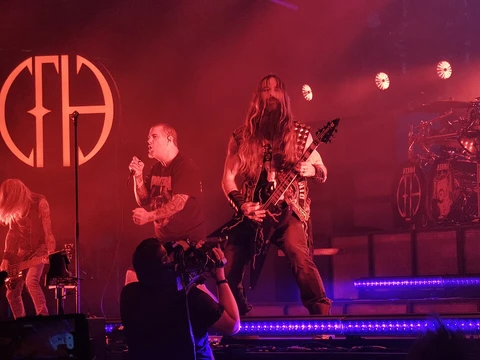
Alien Weaponry
Māori-language metal band from New Zealand formed in 2010.

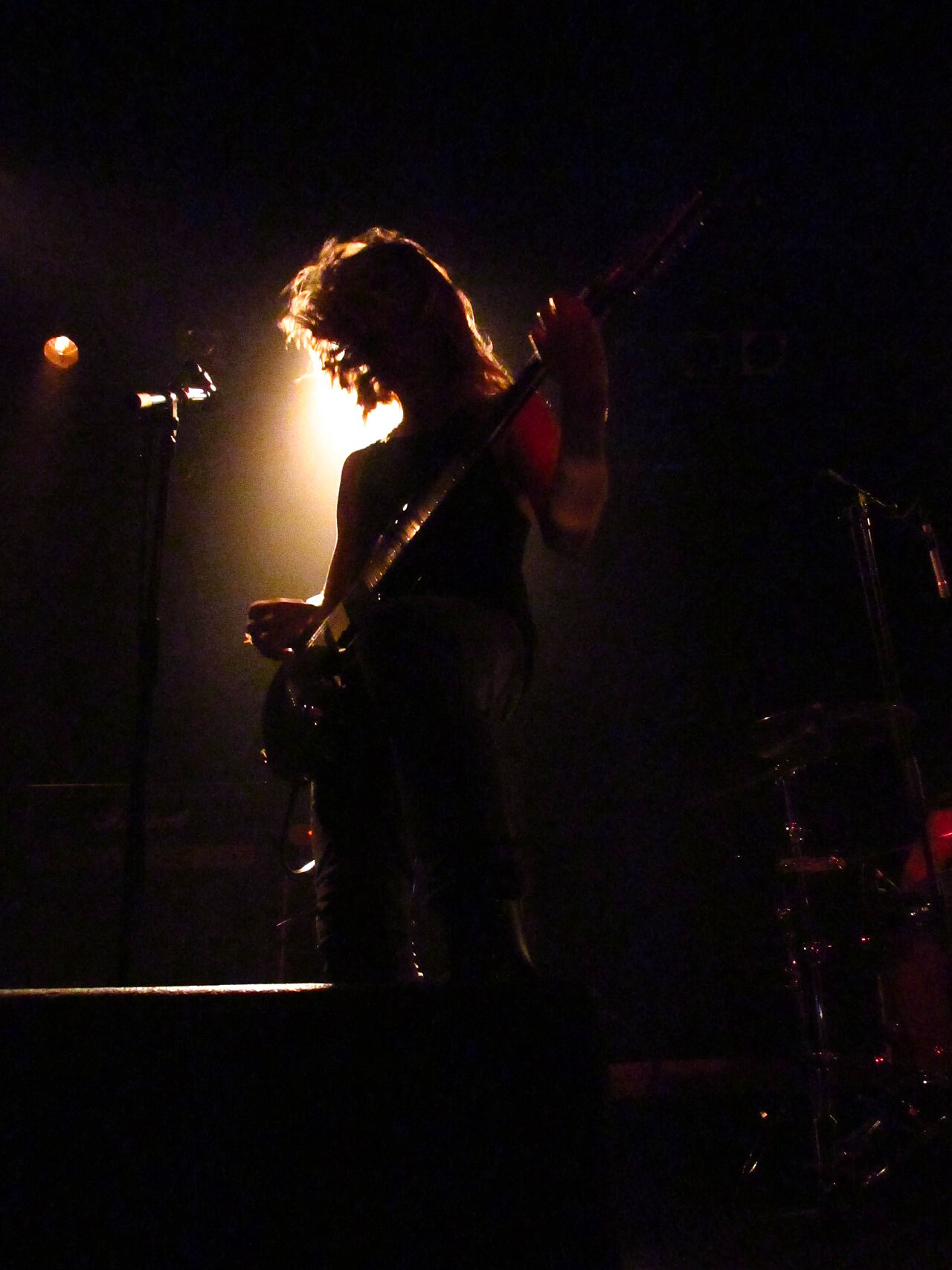
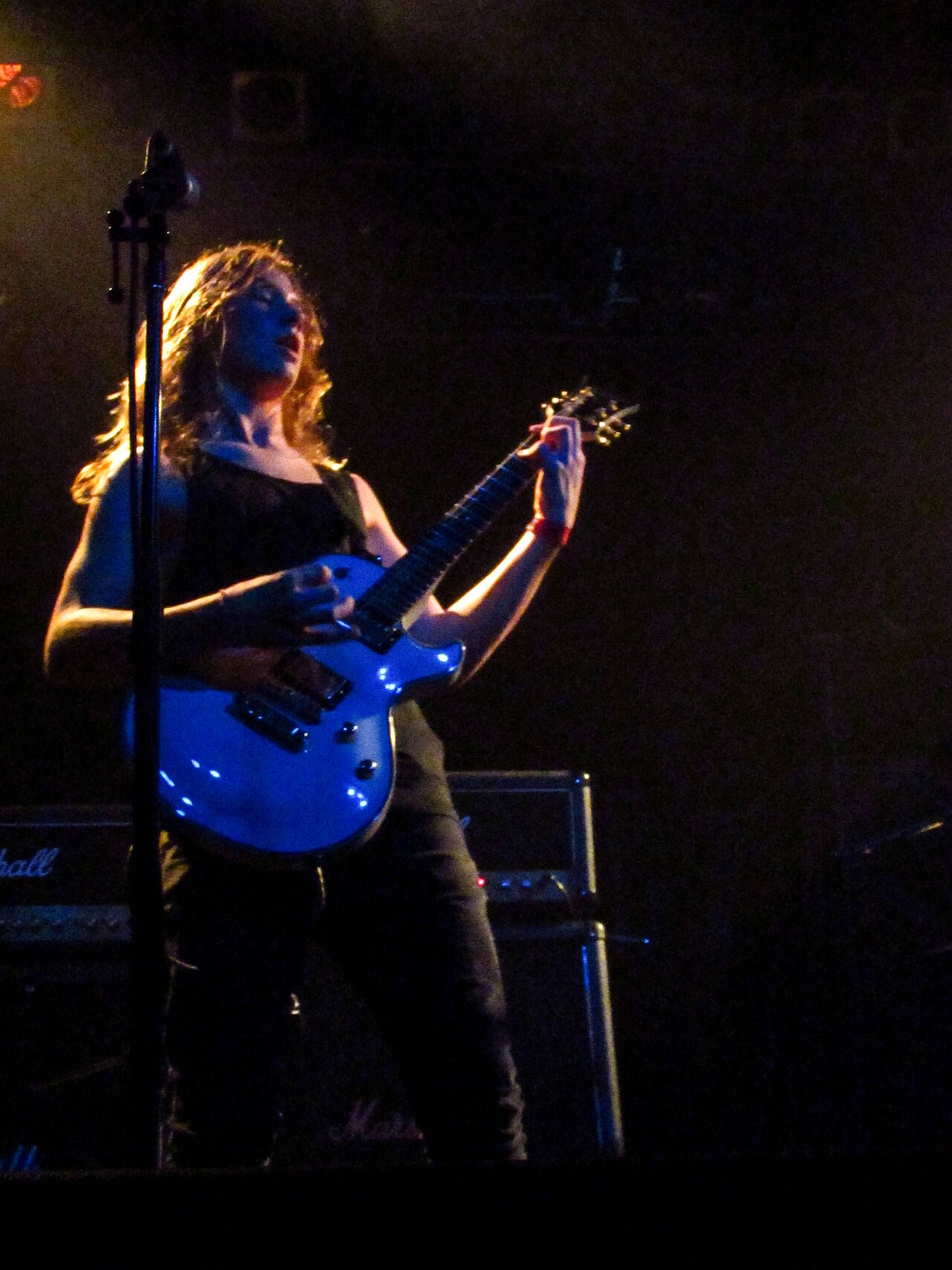
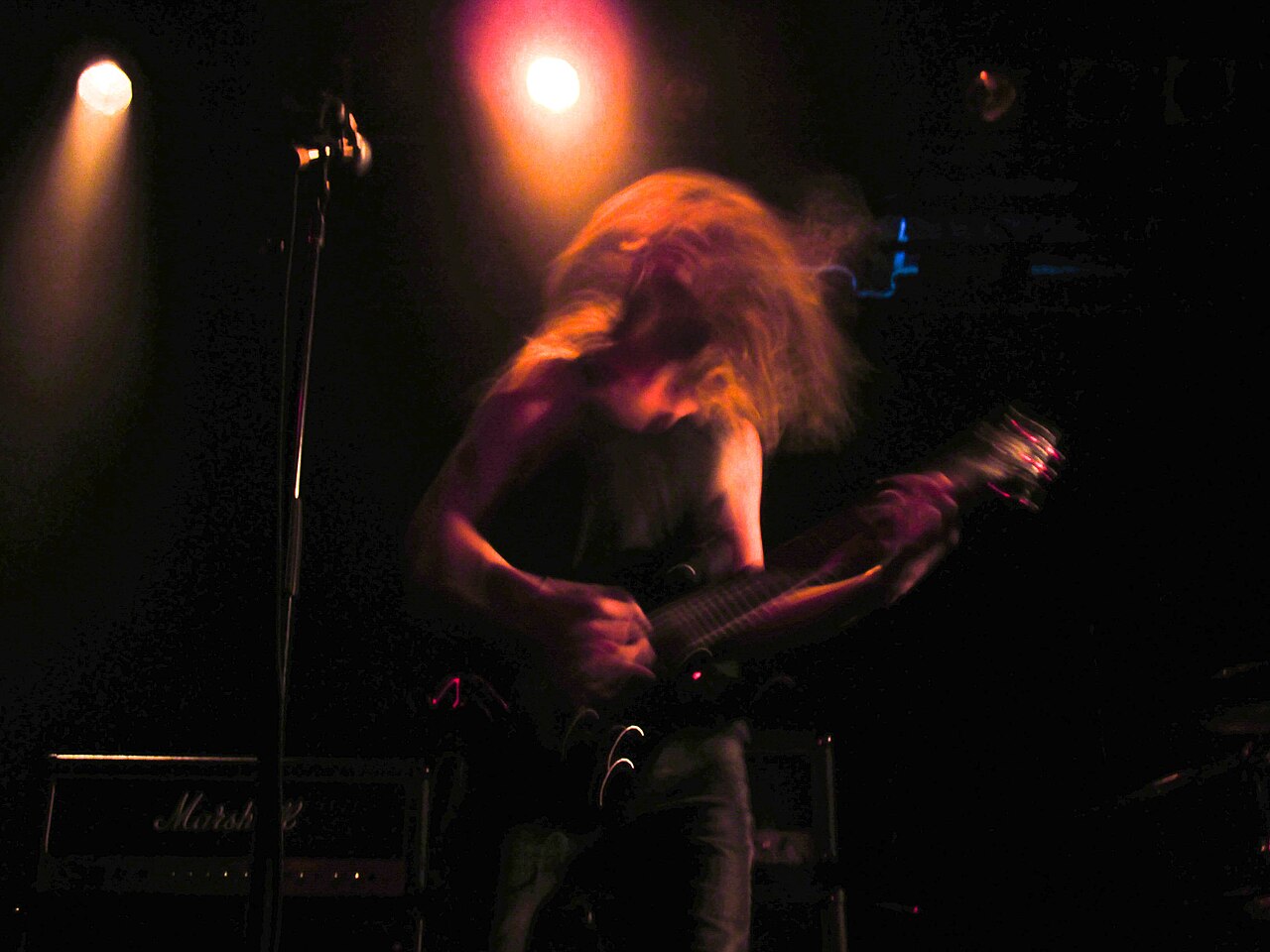
Sara from New Zealand · CC BY 2.0
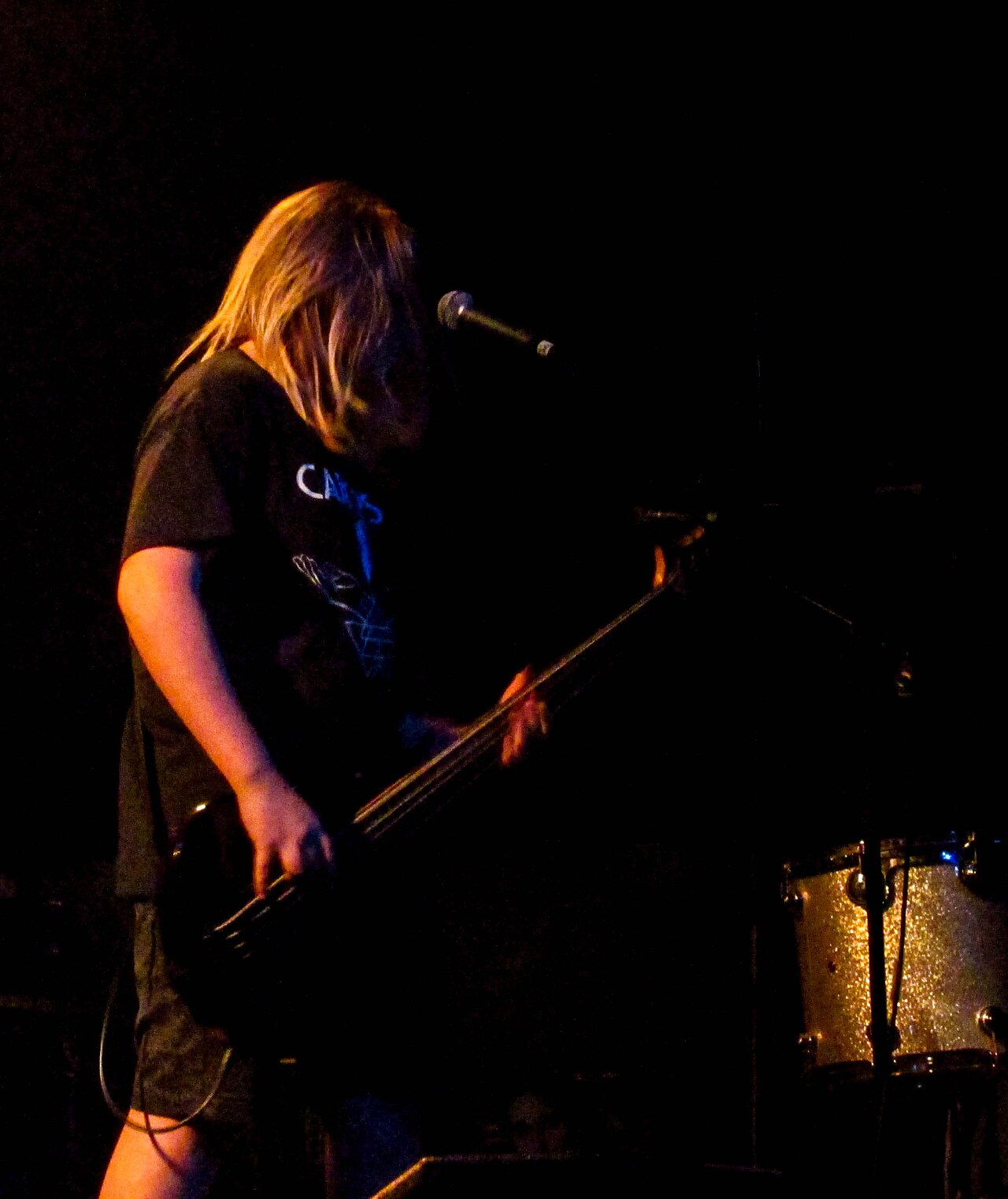
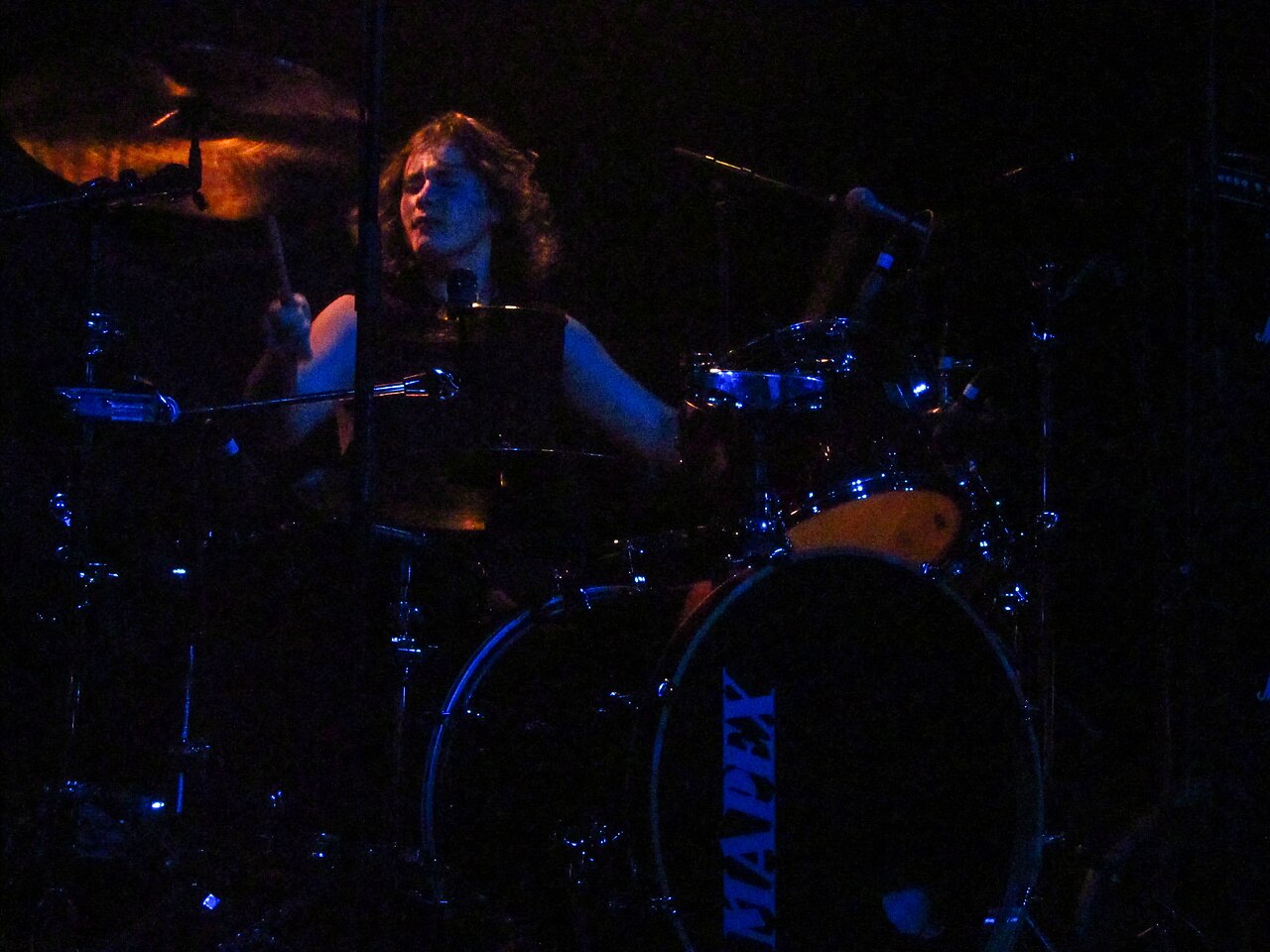
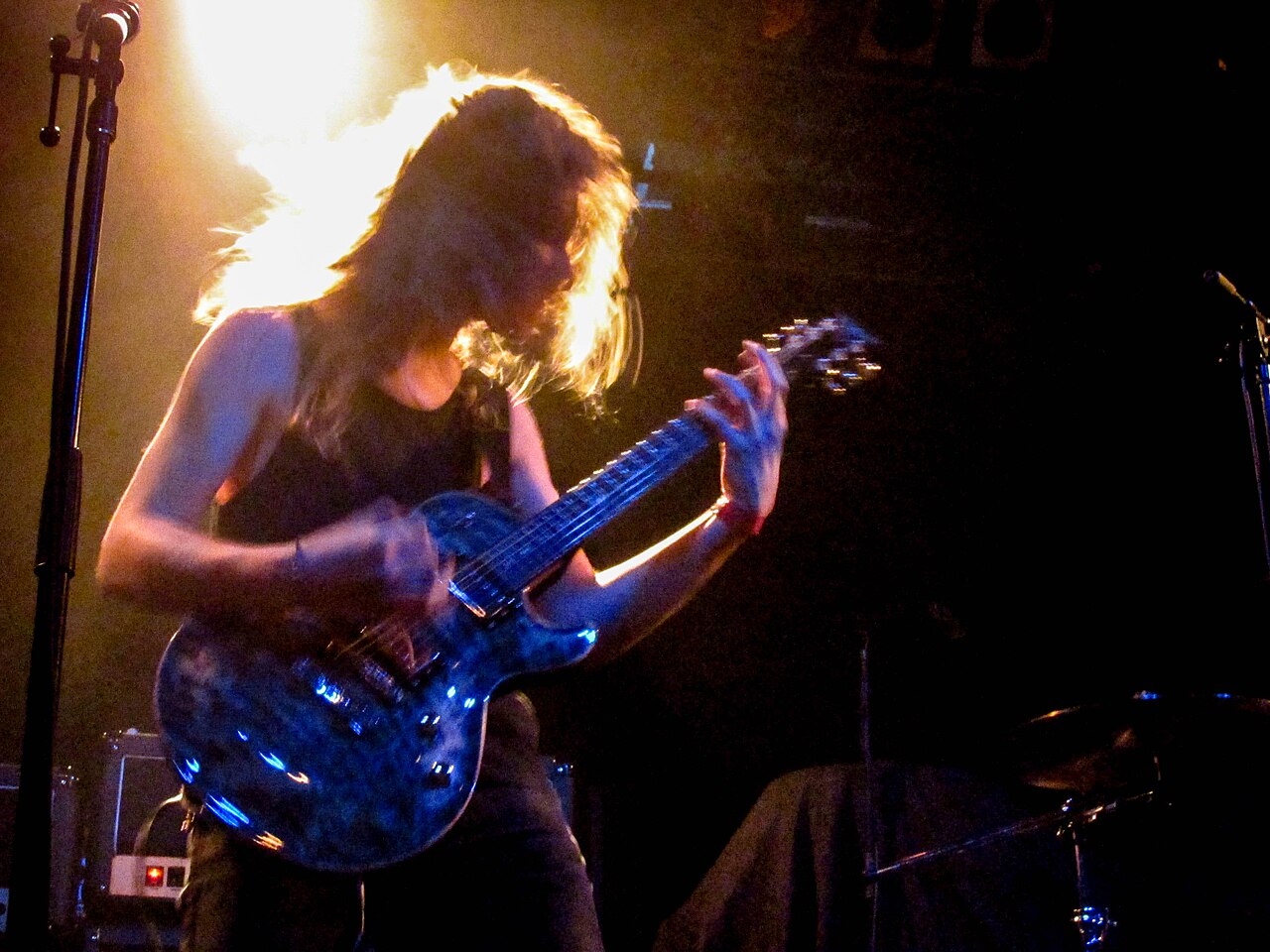
Alien Weaponry is a metal band from New Zealand, originally formed in Auckland in 2010 and now based in Waipu. The group is made up of drummer Henry de Jong, guitarist Lewis de Jong, and bass player Tūranga Morgan-Edmonds, who joined in August 2020. All three musicians have Māori heritage, and many of their songs are written and performed in the Māori language. Their music blends thrash and groove metal with themes drawn from Māori history and culture.
The band was started by brothers Henry and Lewis de Jong, who were ten and eight years old at the time. Their father and paternal grandmother are Māori, with tribal ties to Ngāti Pikiao and Ngāti Raukawa, while their mother and maternal grandfather are of Dutch descent. The name Alien Weaponry came from the film *District 9*. After the family moved to Waipu, bassist Ethan Trembath joined in April 2013, replacing Wyatt Channings who had briefly played bass the year before. The brothers’ father, Niel de Jong—an experienced rock musician and audio engineer—managed the band and handled front-of-house sound on tours. Their mother, Jette, served as tour manager and publicist.
In 2016, the band won the national finals of both Smokefree Rockquest and Smokefree Pacifica Beats (now Smokefree Tangata Beats), becoming the first of two bands to win both events. They had placed second in the 2015 Smokefree Rockquest and were regional finalists for four consecutive years. In 2014, they toured with New Zealand chart-toppers Devilskin on the "We Rise" tour, and in May 2015 they performed at The Powerstation supporting Shihad. They are believed to be the youngest recipients of New Zealand on Air funding, receiving a NZ$10,000 grant in October 2015 for their song "Rū Ana Te Whenua" to complete recording and produce a video. Two more NZ$10,000 grants followed in 2016 for the singles "Urutaa" and "Raupatu" and their music videos. In 2016, UK *Metal Hammer* magazine named them one of New Zealand’s top ten metal acts.
The band first toured Europe and North America in the second half of 2018, supporting Ministry on their American tour. In Europe, they played major festivals including Metaldays and Wacken Open Air. They toured both continents again in 2019. During the final American leg, Trembath returned to New Zealand for high school exams, and bassist Bobby Oblak filled in.
- Formed
- 2010
- Origin
- Auckland, New Zealand
- Genre
- Metal (nü-metal tinged thrash, thrashing groove-metal)
- Members
- Henry de Jong, Lewis de Jong, Tūranga Morgan-Edmonds
- Notable album
- Tū (2018)
- Awards
- Winners of Smokefree Rockquest and Smokefree Pacifica Beats (2016)
Lore & Background
Alien Weaponry was formed in Auckland in 2010 by brothers Henry Te Reiwhati de Jong (drums) and Lewis Raharuhi de Jong (guitar/vocals), then aged 10 and 8. The band name came from the film District 9. After moving to Waipu, bassist Ethan Trembath joined in April 2013, replacing Wyatt Channings. The band's father Niel managed them and served as front of house engineer; their mother Jette was tour manager and publicist. In 2016, they became the first band to win both Smokefree Rockquest and Smokefree Pacifica Beats national finals. They are believed to be the youngest recipients of New Zealand on Air funding, receiving grants in 2015 and 2016. UK Metal Hammer named them one of New Zealand's top 10 metal acts in 2016.
Reader's Guide
Alien Weaponry's significance lies in their fusion of thrash and groove metal with Māori language and historical narratives, bringing indigenous perspectives to a global metal audience. Their debut album Tū reached number five on the New Zealand charts, and they have toured Europe and North America, including supporting Ministry in 2018 and performing at Wacken Open Air. Their songs address colonial history, such as land confiscations and the Battle of Gate Pa, where their ancestor died. The band's shift to management by Rick Sales Entertainment Group in 2020 and their appearance on the cover of Metal Hammer in 2021 underscore their growing international profile. They have been nominated for Breakthrough Oceanian Band and Breakthrough International Band at the Global Metal Apocalypse awards. Their legacy includes inspiring other Māori musicians and demonstrating the viability of indigenous-language metal.
Did You Know?
- The band was named after the film District 9.
- Their song 'Kai Tangata' became the theme for New Zealand-born pro wrestler Henare in 2023.
- Bassist Tūranga Morgan-Edmonds, who joined in 2020, is of Ngāti Rārua, Ngāti Wai and Ngāti Hine descent.
Foundations: A Family Band Born in Auckland
Alien Weaponry traces its origins to two young brothers in Auckland. Henry Te Reiwhati de Jong, who would become the drummer, and his younger brother Lewis Raharuhi de Jong, the guitarist and vocalist, founded the group in 2010 at ages ten and eight respectively. The name itself was inspired by a screening of the film District 9. The family's heritage blends Dutch and Māori lineage: their mother and maternal grandfather are of Dutch descent, while their father and paternal grandmother are Māori, with tribal connections to Ngāti Pikiao and Ngāti Raukawa. After the brothers relocated to the small town of Waipu, bassist Ethan Trembath joined in April 2013, following a brief stint by Wyatt Channings the year before. What set the group apart from the start was the deeply embedded family structure behind the music. Their father, Niel de Jong, an experienced rock musician and audio engineer, served as both manager and front-of-house sound engineer on tour. Their mother, Jette, handled tour management and publicity. This close-knit, self-sufficient operation allowed the young band to function professionally well before most of their peers had even picked up an instrument.
Breakthrough: From National Competitions to Wacken
The band's momentum surged in 2016, when they won both the Smokefree Rockquest national finals and the Smokefree Pacifica Beats competition — a rare double shared only with Top Shelf of Manurewa High School in 2024. That same year, UK's Metal Hammer magazine named them among New Zealand's top ten metal acts. Their early touring credits were remarkable for their age: opening for chart-topping band Devilskin on the 2014 "We Rise" tour and supporting Shihad at The Powerstation in May 2015. They were thought to hold the record as the youngest artists to receive New Zealand on Air funding, earning a NZ$10,000 grant in October 2015 for "Rū Ana Te Whenua," followed by two further NZ$10,000 grants in 2016 for the singles "Urutaa" and "Raupatu." The truly international chapter began in late 2018, when they toured Europe and North America, supporting Ministry in the States and performing at major festivals including Metaldays and Wacken Open Air. The band had set a personal goal of reaching Wacken before Henry turned twenty; he was eighteen when they took that stage. A ten-part documentary, Alien Weaponry Shake Europe, released in February 2019 with Radio New Zealand, captured that landmark European run.
Sound and Story: Māori Language Meets Thrash Metal
Alien Weaponry's sound has been described as "nü-metal tinged thrash" and "thrashing groove-metal," drawing on the work of Metallica, Rage Against the Machine, and Lamb of God. What distinguishes them most sharply, however, is their commitment to the Māori language and New Zealand's colonial history as lyrical material. Their debut single "Urutaa" weaves Māori lyrics around events in the Bay of Islands in the 1800s, specifically the burning of the Boyd, framing that incident as a metaphor for the ongoing misunderstandings that divide cultures, generations, and individuals. "Raupatu" confronts the 1863 legislation that enabled the colonial government's land confiscations. "Rū Ana Te Whenua" — the trembling earth — honours the 1864 battle at Pukehinahina/Gate Pa, where the brothers' great-great-great-grandfather, Te Ahoaho, lost his life. The band presents these historical narratives not as dry recitation but as living warnings, connecting past injustices to present-day tensions. This fusion of aggressive, modern metal instrumentation with ancestral storytelling in te reo Māori has become the group's defining signature.
Discography and Career Evolution
The band's discography reflects a steady climb. Their debut EP, The Zego Sessions, arrived in August 2014. Work on their first full-length album began in September 2015 at Neil Finn's Roundhead Studios in Auckland with producer Tom Larkin, and Tū was released on 1 June 2018, debuting at number five on the New Zealand album charts and claiming the top spot for the week. Their sophomore album, Tangaroa, followed on 17 September 2021, produced and mixed at their own studio in Waipu. The latest release, Te Rā, dropped on 28 March 2025 via Napalm Records. Key turning points came in 2020: bassist Ethan Trembath departed, citing "health and my own happiness," and was replaced by Tūranga Morgan-Edmonds, of Ngāti Rārua, Ngāti Wai, and Ngāti Hine. That same year, the band signed with Los Angeles-based Rick Sales Entertainment Group, the management behind Slayer, Gojira, Mastodon, and Ghost. Metal Hammer's January 2021 cover declared them "The Future Of Metal," and The Guardian profiled them the following September. Beyond the studio, "Holding My Breath" served as the official theme for NXT TakeOver: Phoenix in December 2018, and the track "Kai Tangata" from Tū became the theme for New Zealand-born wrestler Henare in 2023.
Gallery
Frequently Asked Questions
Who is Alien Weaponry?
Alien Weaponry is a three-piece metal band from New Zealand, originally put together in Auckland in 2010 by then-ten-year-old Henry de Jong and his younger brother Lewis. They are now based in Waipu and are well known for writing much of their material in te reo Māori.
What language does Alien Weaponry sing in?
A large portion of their catalog is performed in te reo Māori, the indigenous language of New Zealand. All three current members carry Māori heritage, which deeply shapes both their lyrical themes and their cultural identity as a group.
Who are the members of Alien Weaponry?
The current lineup consists of drummer Henry de Jong, guitarist Lewis de Jong, and bassist Tūranga Morgan-Edmonds, who joined the band in August 2020. The two de Jong brothers started the project as young children, and Morgan-Edmonds completed the trio a decade later.
What is Alien Weaponry's most notable album?
Their 2018 release Tū is widely regarded as their breakout record and a defining moment in the Māori-language metal scene. The album helped them gain significant international attention beyond New Zealand's borders.
What genre does Alien Weaponry play?
Their sound sits at the intersection of thrash and groove metal, often with a nu-metal edge, while drawing lyrical and thematic material from Māori history and culture. This blend of aggressive riffing and indigenous storytelling sets them apart in the broader metal landscape.
More in Groove metal musical groups 1-24
Spotted an error? Know more?
Reader corrections go straight into our review queue. Suggest an edit · How this site is sourced