
Game of chance
A game whose outcome is strongly influenced by a randomizing device.

KA Sports Photos from Hanover, MD, USA · CC BY-SA 2.0
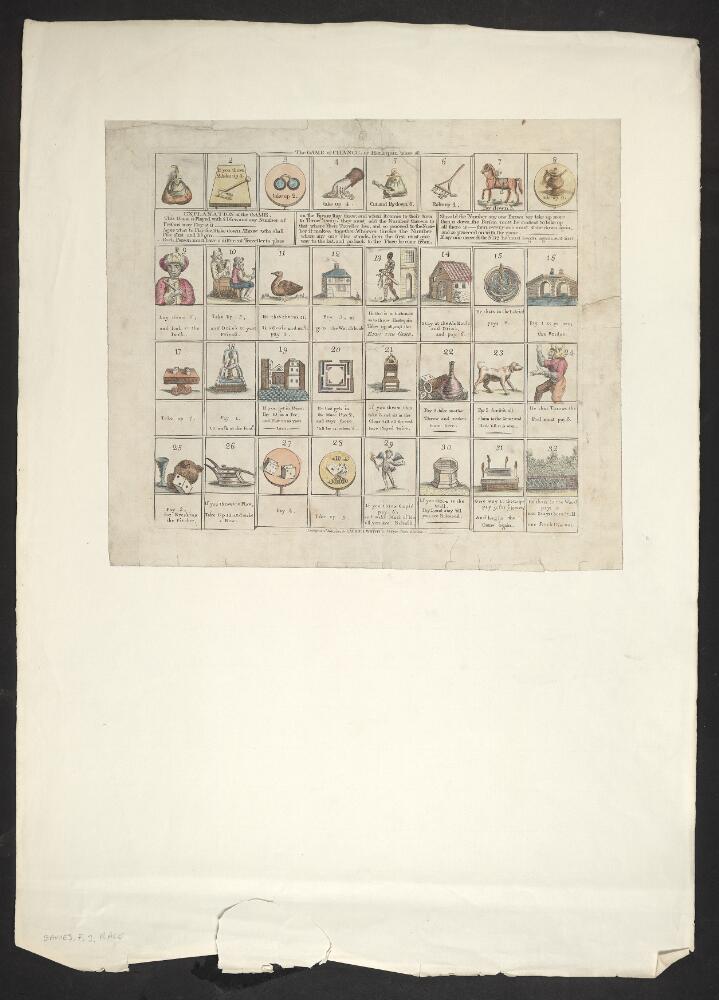
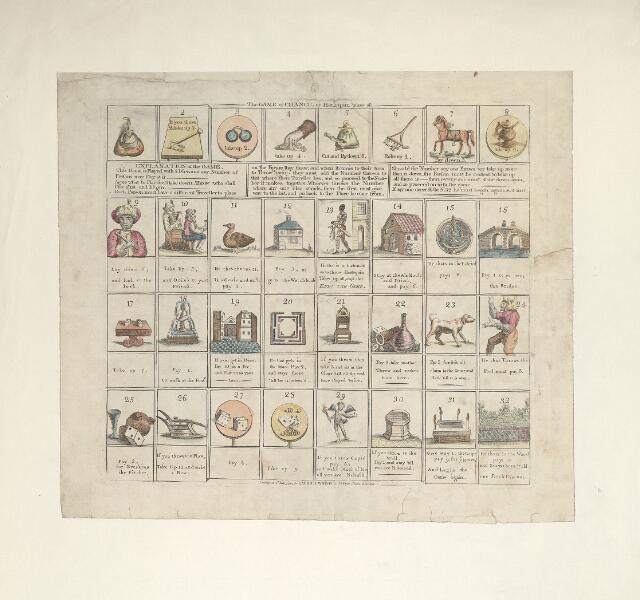
A game of chance is one where the result depends heavily on a randomizing device, like dice, cards, roulette wheels, or a computer’s random number generator. This sets it apart from a game of skill, where mental or physical ability decides the outcome. Even if a game of chance includes some skill, luck still matters more. When players bet money or valuables on the outcome, it becomes gambling.
Gambling appears in nearly every human society, though many have laws restricting it. Early people used sheep knucklebones as dice. Some players develop a psychological addiction, risking basic needs like food and shelter to keep playing.
Some games mix luck and skill, especially when players make decisions with incomplete information, as in blackjack. Others, like roulette or baccarat, rely mostly on chance—players only choose their bet and amount. This distinction matters because some countries ban or regulate games of chance while allowing games of skill. There is no universal definition, so poker has been ruled a game of chance in Germany but a game of skill by a New York federal judge.
People can become dependent on these games. Clinically, this is called Gambling Disorder. Diagnosis depends on whether a psychologist uses the DSM-5-TR or ICD-11, and it is only considered a disorder if it harms a person’s life. Psychoanalyst Edmund Bergler identified six common traits: regular play, where the game takes priority over everything else; optimism despite repeated losses; inability to stop; escalating risks despite promises to be cautious; and a subjective thrill with physical signs like shivering, heightened arousal, and mixed pain and pleasure. These sensations match dopamine spikes, especially after periods of abstinence.
Governments that allow games of chance earn significant revenue. In 2018, the UK Gambling Commission reported £14.4 billion ($19 billion) in gross gambling revenue, up 45% from the year before. The Commission, a non-departmental UK body, regulates gambling and oversees legislation. In Nevada, USA, gambling revenues totaled $26.2 billion in 2017, with casinos paying $852.2 million in direct gambling taxes—about 7.7% of total gambling winnings.
There are many types of games of chance. Popular online casino games include video poker, roulette, craps, blackjack, sports betting, and baccarat. Other forms include in-person or online casinos, arcades
- definition
- Outcome strongly influenced by randomizing device
- contrast
- Game of skill
- common_devices
- Dice, spinning tops, playing cards, roulette wheels, numbered balls, random number generators
- legal_status
- May be illegal or regulated in some countries; no standardized definition
- examples
- Roulette, punto banco (baccarat), video poker, craps, blackjack, sports betting
- addiction_term
- Gambling Disorder
- uk_revenue_2018
- £14.4 billion ($19 billion)
Lore & Background
Games of chance have been known in nearly all human societies, even though many have passed laws restricting them. Early people used the knucklebones of sheep as dice. Common devices in such games include dice, spinning tops, playing cards, roulette wheels, numbered balls, or random number generators. While a game of chance may have some skill element, chance generally plays a greater role in determining its outcome. Some games that involve an element of luck may also require a certain level of skill, as seen in blackjack, where players make decisions based on prior knowledge or incomplete information. In contrast, games such as roulette and punto banco (baccarat) rely more on chance, with players choosing bet amount and selection, leaving the outcome largely to luck.
Reader's Guide
The distinction between 'chance' and 'skill' is relevant because in some countries, chance games are illegal or at least regulated, but skill games are not. Since there is no standardized definition, poker, for example, has been ruled a game of chance in Germany and, by at least one New York state Federal judge, a game of skill. People who engage in games of chance and gambling can develop a strong dependence, formally termed Gambling Disorder. Psychoanalyst Edmund Bergler identified six characteristics: regularity of play, precedence over other interests, cognitive distortion (optimism undeterred by failure), disinhibition (inability to cease play), escalation of risk, and subjective thrill with physiological tensions. Governments that authorize games of chance generate significant gambling revenues. The UK Gambling Commission reported gross gambling revenue of £14.4 billion in 2018, up 45% from a year earlier. The state government of Nevada reported total gambling-related revenues of $26.2 billion in 2017, with casinos paying $852.2 million in direct gambling taxes.
Did You Know?
- Early people used the knucklebones of sheep as dice.
- Poker has been ruled a game of chance in Germany and a game of skill by at least one New York state Federal judge.
- Psychoanalyst Edmund Bergler identified six characteristics of pathological gambling.
- The UK Gambling Commission reported gross gambling revenue of £14.4 billion in 2018.
Defining the Invisible Architecture
Game mechanics form the structural backbone of every tabletop and video game, yet scholars have never converged on a single definition. At its core, a mechanic is either a rule—an instruction dictating how play unfolds—or a ludeme, a concrete element of play such as the distinctive L-shaped path a knight traces across a chessboard. Together, these elements shape how players act and how the game responds. Three competing definitions circulate in the literature: one frames mechanics as a framework of player-to-game interaction; another emphasizes the rules and procedures that steer both the player's choices and the game's reactions; a third argues mechanics extend beyond what players consciously recognize, encompassing anything that shapes the play experience. What unites all perspectives is the acknowledgment that every game, without exception, relies on mechanics, though theorists disagree on how central they are to a game's identity. The design process itself is largely an exercise in crafting mechanics that hold a player's attention.
Where Mechanics Meet and Miss Theme
A game's mechanics and its theme occupy distinct conceptual territory, even though they often travel together. Theme refers to the representational layer—the story or activity a game evokes. Monopoly, for instance, wraps its dice-rolling and property-trading mechanics in the narrative of real-estate speculation. Two games can share nearly identical mechanical structures while wearing entirely different thematic costumes, and the reverse holds true as well. When the mechanical layer and the narrative layer pull in opposite directions, the result is what scholars call ludonarrative dissonance. At the other extreme sit abstract games, which deliberately strip away all representational content. Go is the canonical example: its stones and intersections carry no pretense of depicting anything beyond the geometry of the board itself. In such games, mechanics constitute the entire experience, unmediated by story or imagery.
The Gameplay Boundary
A persistent question in game studies is where mechanics end and gameplay begins. Several researchers draw a firm line between the two. In Playability and Player Experience Research, gameplay is defined as the interactive process through which a player engages with a game—mechanics are the static architecture, while gameplay is the living act of interacting with that architecture. Another study, Dissecting Play, frames gameplay as the performance of cognitive tasks within a game's design. Carlo Fabricatore offers a two-part definition: gameplay encompasses both what the player can do and what other entities in the game can do in response. Ernest Adams and Andrew Rollings describe it as the combination and interplay of many game elements working together. Yet in everyday conversation and even in some design resources, the boundary blurs. The website gamedesigning.org, for example, simply equates gameplay with the core mechanics that give a game its overall character, collapsing the distinction that academics work to maintain.
A Taxonomy of Play
Scholars have long sought to organize the sprawling landscape of game mechanics into workable categories. Geoffrey Engelstein and Isaac Shalev, in Building Blocks of Tabletop Game Design, propose a classification system spanning game structure, turn order, available actions, resolution methods, victory conditions, sources of uncertainty, economic systems, auctions, worker placement, movement, area control, set collection, and card-based mechanisms. Within this framework, specific mechanics take on precise roles. Action points give each player a per-turn budget to spend on moves, card draws, or resource gathering. Alignment, common in role-playing games, encodes a character's moral orientation and can gate access to other mechanics—determining which companions a player may recruit or which combat bonuses apply. Auction and bidding systems let players compete for the right to act, either by paying a game resource or by staking a future obligation, as in contract bridge. Capture mechanics, meanwhile, offer a rich taxonomy of their own: replacement, push, jump, flying, custodian, approach, withdrawal, intervention, declared attack, and enclosure, each describing a distinct geometric or procedural way to remove an opponent's token from the board.
Gallery



Frequently Asked Questions
What defines a game of chance in game design?
A game of chance is one whose outcome is heavily determined by a randomizing mechanism rather than by player ability. Common randomizers include dice, cards, roulette wheels, spinning tops, numbered balls, or a computer's random number generator.
How does a game of chance differ from a game of skill?
In a game of skill, mental or physical ability is the primary driver of the result, while in a game of chance, luck plays the dominant role. Even hybrid titles that include some strategic elements still count as chance-based if randomness outweighs player control.
What are the most common randomizing devices used in games of chance?
Traditional examples span dice, playing cards, roulette wheels, spinning tops, and numbered balls. In digital contexts, a computer-generated random number sequence serves the same function.
When does a game of chance cross into gambling?
A game of chance becomes gambling the moment players wager money or other valuables on the outcome. Many countries regulate or ban these activities, and there is no single universal legal definition that applies everywhere.
What is the recognized clinical term for addiction to games of chance?
The condition is called Gambling Disorder, a psychological compulsion in which individuals risk basic necessities like food or shelter on repeated bets. It can develop in players of any chance-based game, not just casino titles.
More in Gaming Mechanics & Design 1-17
Spotted an error? Know more?
This is a living reference — every entry is fact-audited, and reader corrections feed straight into our audit queue. Suggest an edit · See this site's audit record