Game of skill
Outcome determined mainly by skill, not chance.
Last updated

ジダネ · Public domain
A game of skill is one in which the outcome depends primarily on a player's mental or physical abilities, not on luck. In contrast, a game of chance relies heavily on random elements like dice, spinning tops, playing cards, roulette wheels, or numbered balls. Even if a game of chance includes some skill, chance still has the bigger influence on the result. Similarly, a game of skill may involve luck, but skill remains the dominant factor.
Legal meaning
Many games blend both skill and chance. Examples include poker, collectible card games, contract bridge, backgammon, and mahjong.
Most skill-based games incorporate some randomness—from natural environmental factors, randomizing devices (such as dice, cards, or coin flips), or guessing due to incomplete information. In games where skill and chance coexist—like poker or certain physical games—players often need to calculate mathematical probabilities and apply game theory. This can lead to tactics like bluffing and other forms of deception.
The legal distinction between games of skill and games of chance carries significant weight in countries that regulate them differently. Games of chance, such as lotteries, are often more strictly controlled or banned to protect consumers from addiction. However, the legal line between the two is often unclear and varies by jurisdiction. In Germany, for instance, poker is legally considered a game of chance and is only allowed in casinos, while a skat tournament is deemed a game of skill, permitting money prizes.
Examples of skill games requiring special equipment include air hockey, billiards, Operation, pinball machines, skee ball, snooker, table football, table ice hockey, and Whac-A-Mole. With the rise of computer games, many digital skill games emerged.
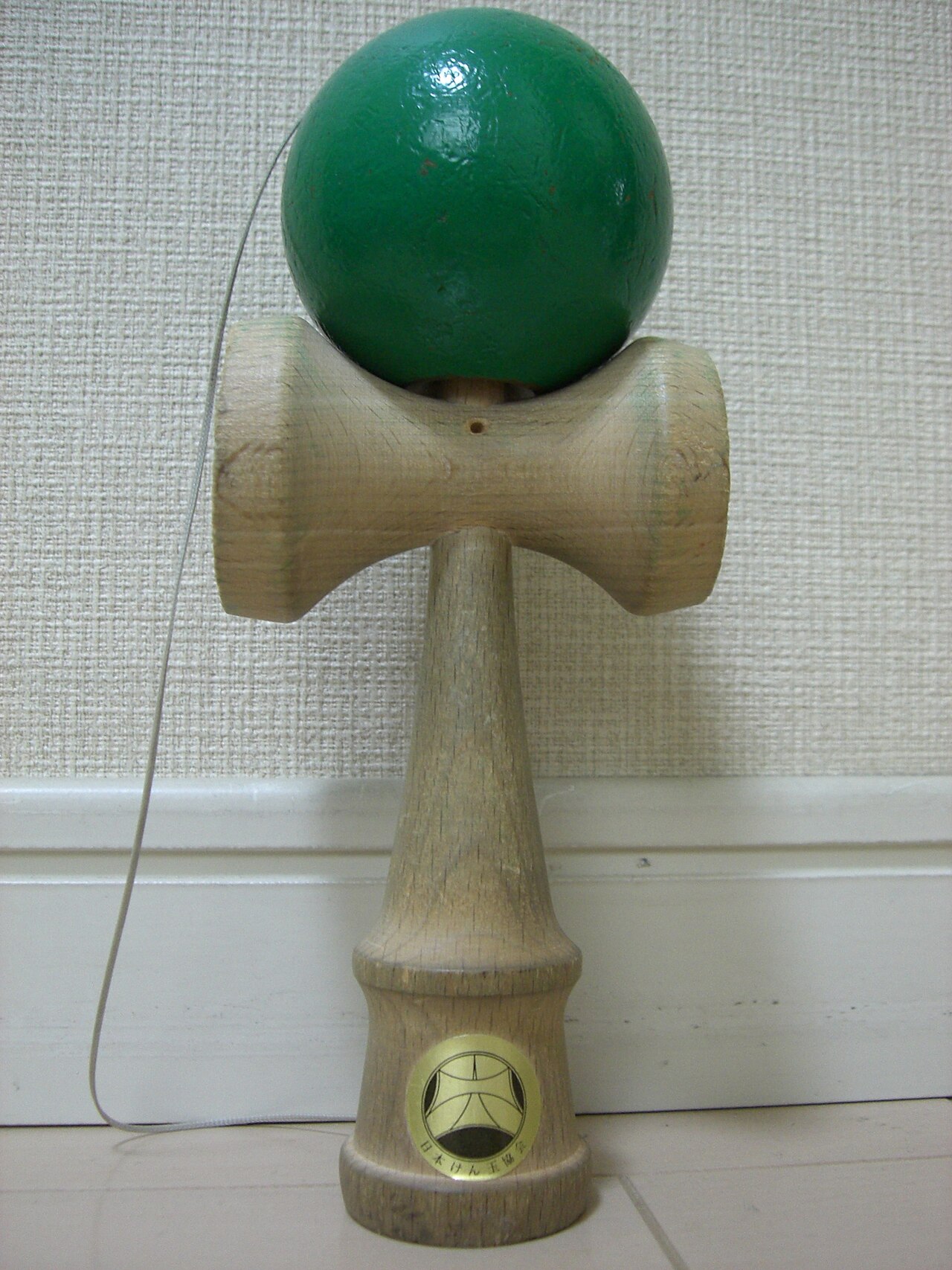
Games of skill requiring special equipment (selection)
Originally these were mostly jump'n'run games, but the range has expanded to include strategic titles like various Tetris variants. Unlike physical skill games that involve the whole body, these digital versions focus on eye-hand coordination. Whether they encourage player responsiveness and imagination is debated, but some online skill games and jump'n'run adventures are used in child psychotherapeutic work.

Quick Facts
- Definition
- Outcome determined mainly by mental or physical skill
- Contrast
- Game of chance: outcome strongly influenced by randomizing device
- Legal impact
- Distinction varies by jurisdiction; affects regulation of wagers
- Example games
- Poker
- collectible card games
- contract bridge
- backgammon
- mahjong
- Skill components
- Calculation of mathematical probabilities
- game theory
- bluffing
- Physical examples
- Air hockey
- billiards
- pinball
- snooker
- table football
- Whac-A-Mole
Facts from the source article.
Lore & Background
A game of skill is defined as one where the outcome is determined mainly by mental or physical skill, rather than chance. In contrast, a game of chance has its outcome strongly influenced by a randomizing device such as dice, playing cards, or roulette wheels. While a game of chance may have some skill element, chance generally plays a greater role; similarly, a game of skill may have elements of chance, but skill plays the greater role.
More in Gaming Mechanics & Design
Sources
Compiled from Wikipedia and the sources listed below. Text from Wikipedia is available under CC BY-SA 4.0; this entry is adapted from it.
- Wikipedia: Game of skill (CC BY-SA 4.0).
Spotted an error? Know more?
Reader corrections go straight into our review queue. Suggest an edit · How this site is sourced