Game of chance
A game whose outcome is strongly influenced by a randomizing device.
Last updated

KA Sports Photos from Hanover, MD, USA · CC BY-SA 2.0
A game of chance is one where the result depends heavily on a randomizing device, like dice, cards, roulette wheels, or a computer’s random number generator. This sets it apart from a game of skill, where mental or physical ability decides the outcome. Even if a game of chance includes some skill, luck still matters more. When players bet money or valuables on the outcome, it becomes gambling.
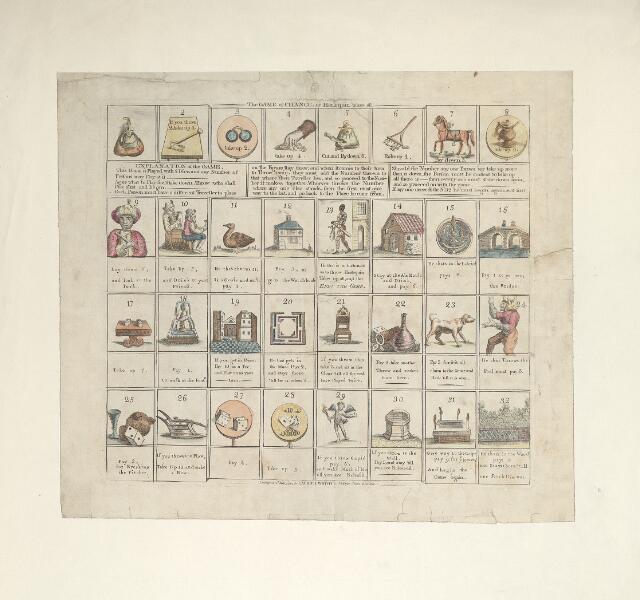
Gambling appears in nearly every human society, though many have laws restricting it. Early people used sheep knucklebones as dice. Some players develop a psychological addiction, risking basic needs like food and shelter to keep playing.
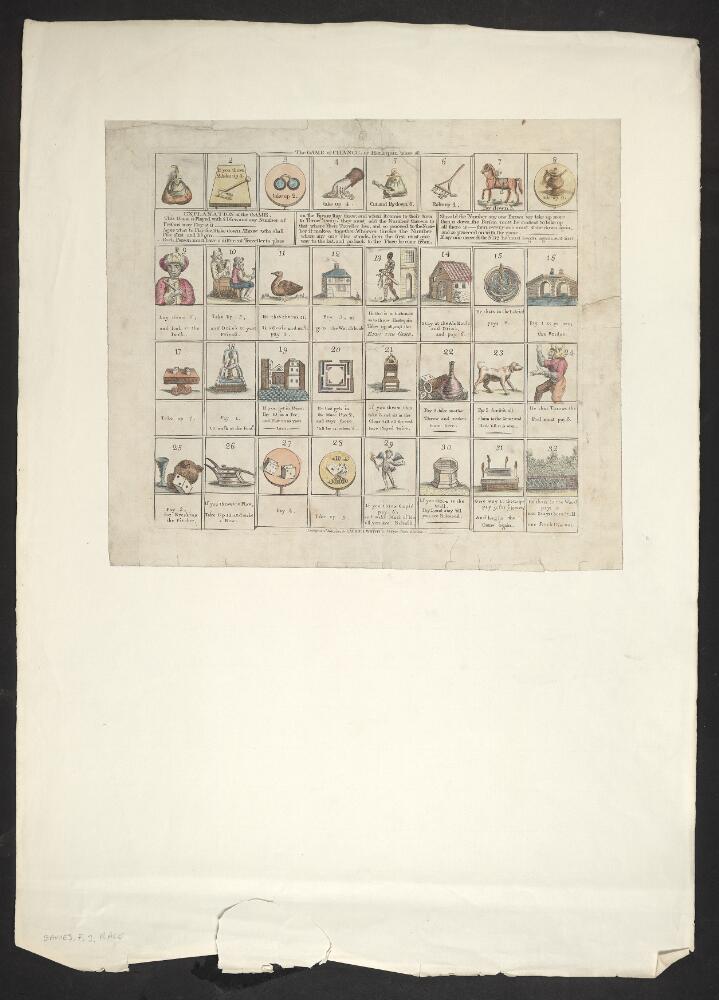
Some games mix luck and skill, especially when players make decisions with incomplete information, as in blackjack. Others, like roulette or baccarat, rely mostly on chance—players only choose their bet and amount. This distinction matters because some countries ban or regulate games of chance while allowing games of skill. There is no universal definition, so poker has been ruled a game of chance in Germany but a game of skill by a New York federal judge.
Addiction
People can become dependent on these games. Clinically, this is called Gambling Disorder.

Diagnosis depends on whether a psychologist uses the DSM-5-TR or ICD-11, and it is only considered a disorder if it harms a person’s life. Psychoanalyst Edmund Bergler identified six common traits: regular play, where the game takes priority over everything else; optimism despite repeated losses; inability to stop; escalating risks despite promises to be cautious; and a subjective thrill with physical signs like shivering, heightened arousal, and mixed pain and pleasure. These sensations match dopamine spikes, especially after periods of abstinence.
State revenues
Governments that allow games of chance earn significant revenue. In 2018, the UK Gambling Commission reported £14.4 billion ($19 billion) in gross gambling revenue, up 45% from the year before. The Commission, a non-departmental UK body, regulates gambling and oversees legislation. In Nevada, USA, gambling revenues totaled $26.2 billion in 2017, with casinos paying $852.2 million in direct gambling taxes—about 7.7% of total gambling winnings.

Types
There are many types of games of chance. Popular online casino games include video poker, roulette, craps, blackjack, sports betting, and baccarat.
Quick Facts
- Definition
- Outcome strongly influenced by randomizing device
- Contrast
- Game of skill
- Common devices
- Dice
- spinning tops
- playing cards
- roulette wheels
- numbered balls
- random number generators
- Legal status
- May be illegal or regulated in some countries; no standardized definition
- Examples
- Roulette
- punto banco (baccarat)
- video poker
- craps
- blackjack
- sports betting
- Addiction term
- Gambling Disorder
Facts from the source article.
Lore & Background
Games of chance have been known in nearly all human societies, even though many have passed laws restricting them. Early people used the knucklebones of sheep as dice. Common devices in such games include dice, spinning tops, playing cards, roulette wheels, numbered balls, or random number generators.
While a game of chance may have some skill element, chance generally plays a greater role in determining its outcome. Some games that involve an element of luck may also require a certain level of skill, as seen in blackjack, where players make decisions based on prior knowledge or incomplete information. In contrast, games such as roulette and punto banco (baccarat) rely more on chance, with players choosing bet amount and selection, leaving the outcome largely to luck.
Frequently Asked Questions
What defines a game of chance in game design?
A game of chance is one whose outcome is heavily determined by a randomizing mechanism rather than by player ability. Common randomizers include dice, cards, roulette wheels, spinning tops, numbered balls, or a computer's random number generator.
How does a game of chance differ from a game of skill?
In a game of skill, mental or physical ability is the primary driver of the result, while in a game of chance, luck plays the dominant role. Even hybrid titles that include some strategic elements still count as chance-based if randomness outweighs player control.
What are the most common randomizing devices used in games of chance?
Traditional examples span dice, playing cards, roulette wheels, spinning tops, and numbered balls. In digital contexts, a computer-generated random number sequence serves the same function.
What is the recognized clinical term for addiction to games of chance?
The condition is called Gambling Disorder, a psychological compulsion in which individuals risk basic necessities like food or shelter on repeated bets. It can develop in players of any chance-based game, not just casino titles.
More in Gaming Mechanics & Design
Sources
Compiled from Wikipedia and the sources listed below. Text from Wikipedia is available under CC BY-SA 4.0; this entry is adapted from it.
- Wikipedia: Game of chance (CC BY-SA 4.0).
Spotted an error? Know more?
Reader corrections go straight into our review queue. Suggest an edit · How this site is sourced