GameCube controller
Nintendo's standard controller for the GameCube, launched in 2001.
Last updated

Alphathon · CC BY-SA 3.0
The GameCube controller (model DOL-003) served as the primary gamepad for Nintendo's GameCube console when it launched in 2001. It evolved from the Nintendo 64 controller, ditching the M-shaped grip for a more standard handlebar design.
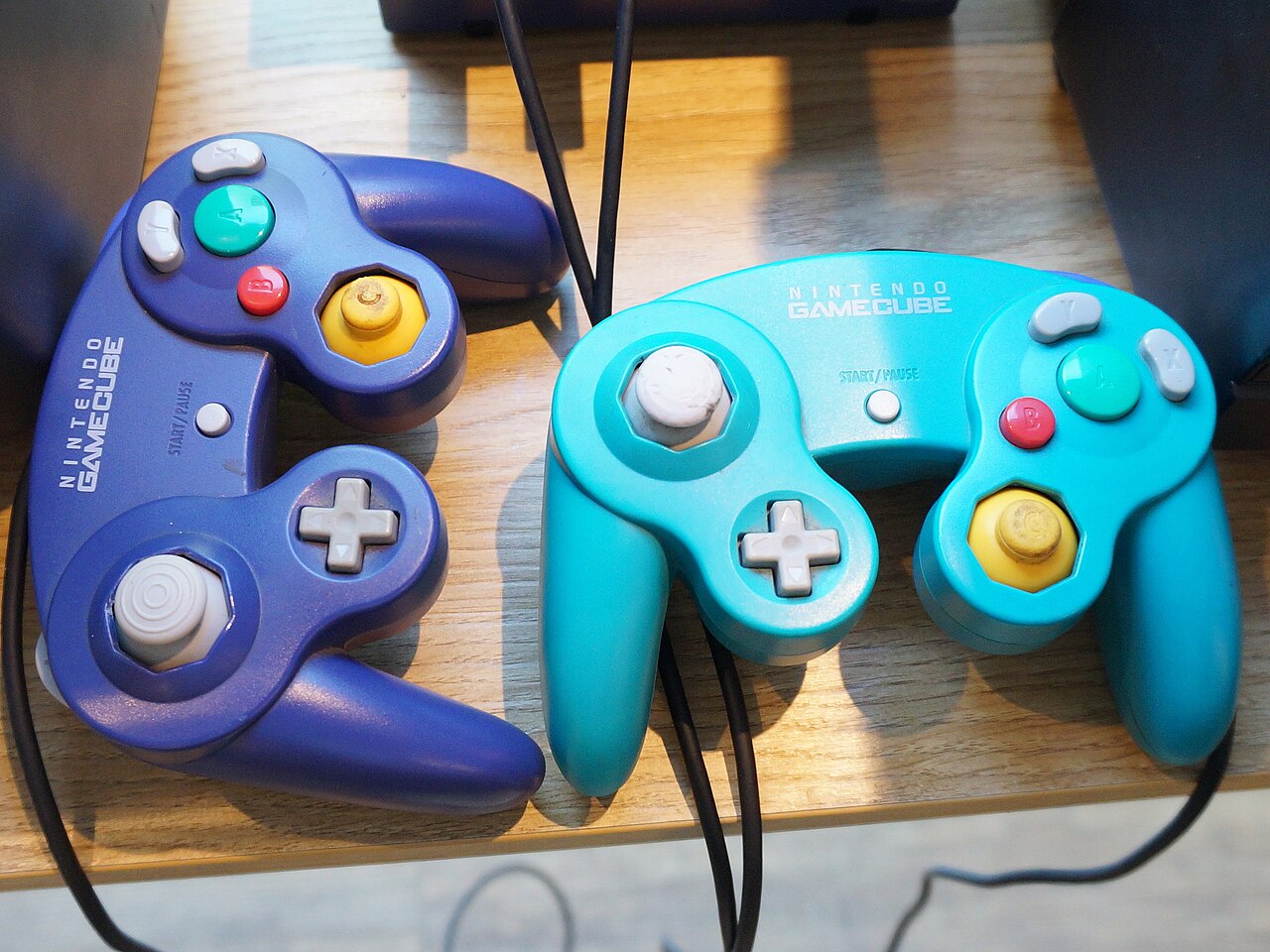
It added a second analog stick, swapped the C buttons for a C stick, and brought back the X and Y face buttons from the Super Nintendo controller. The shoulder buttons became hybrid analog triggers. A wireless radio-frequency version, the WaveBird, followed in 2002.
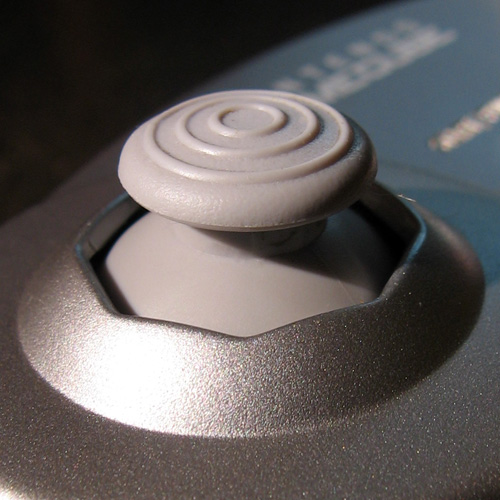
While many of its unique features—like the hybrid triggers and a face button layout that prioritizes one button over the others—didn't catch on with later twin-stick controllers, its staggered analog stick layout did influence some designs. The controller outlasted its original console, receiving support from later Nintendo systems. It works natively with the original Wii model, which has dedicated ports for GameCube controllers in both GameCube and compatible Wii games.
Super Smash Bros. Ultimate Edition controller
After the GameCube was discontinued, Nintendo re-released the controller in Japan in 2008 for Super Smash Bros. Brawl. The company officially reissued the controller and produced adapters for Super Smash Bros. for Wii U (2014) and Super Smash Bros. Ultimate on Nintendo Switch (2018).
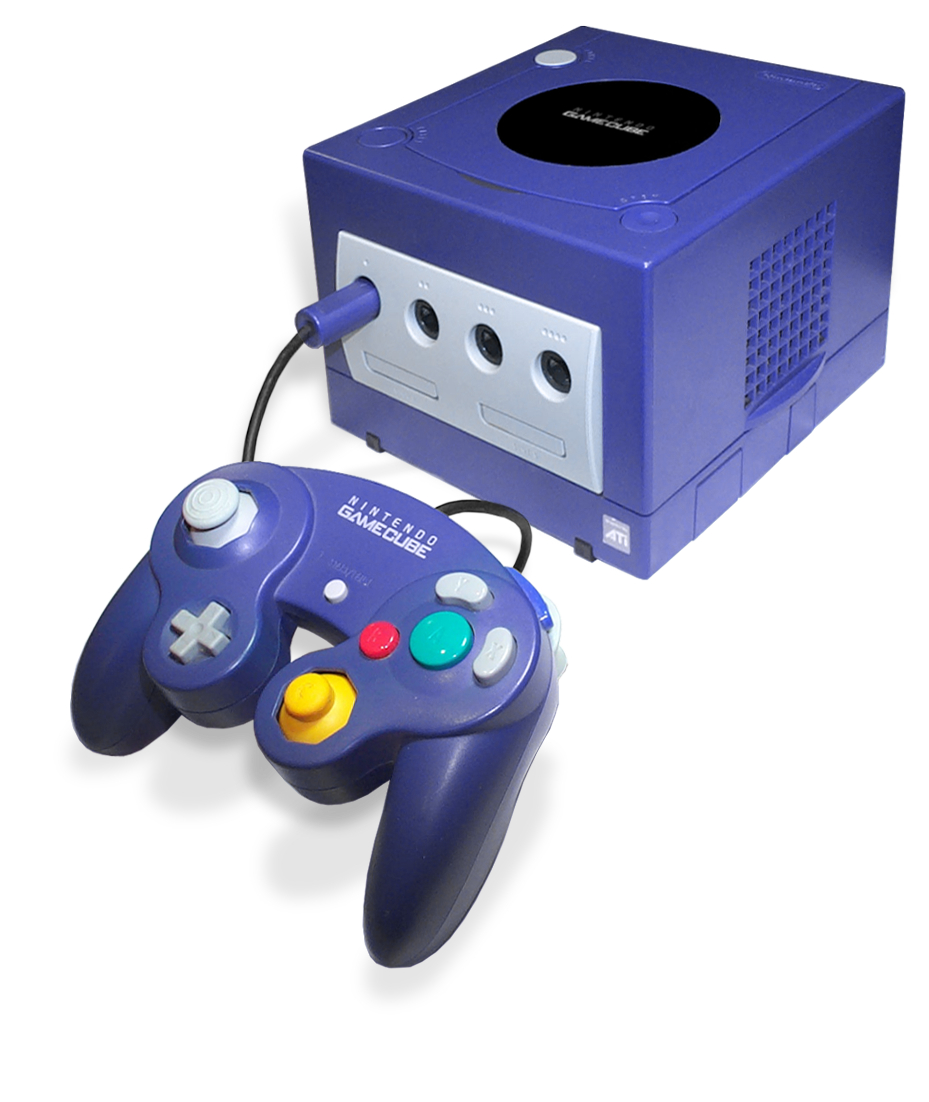
This was driven by the competitive Super Smash Bros. Melee community, which had made the controller a staple since 2001. A redesigned version for the Nintendo Classics service on Nintendo Switch 2 launched with that console on June 5, 2025.
Overview
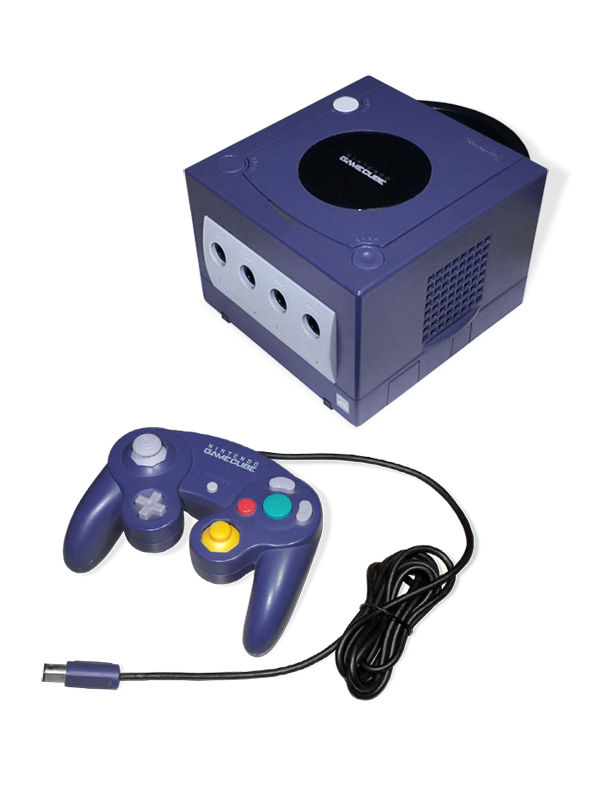
The standard controller has a wing grip design and was bundled with every new GameCube system, also sold separately. It connects via a 2-meter cable. It has built-in rumble for haptic feedback, unlike the Nintendo 64 controller's external Rumble Pak, and lacks expansion slots.
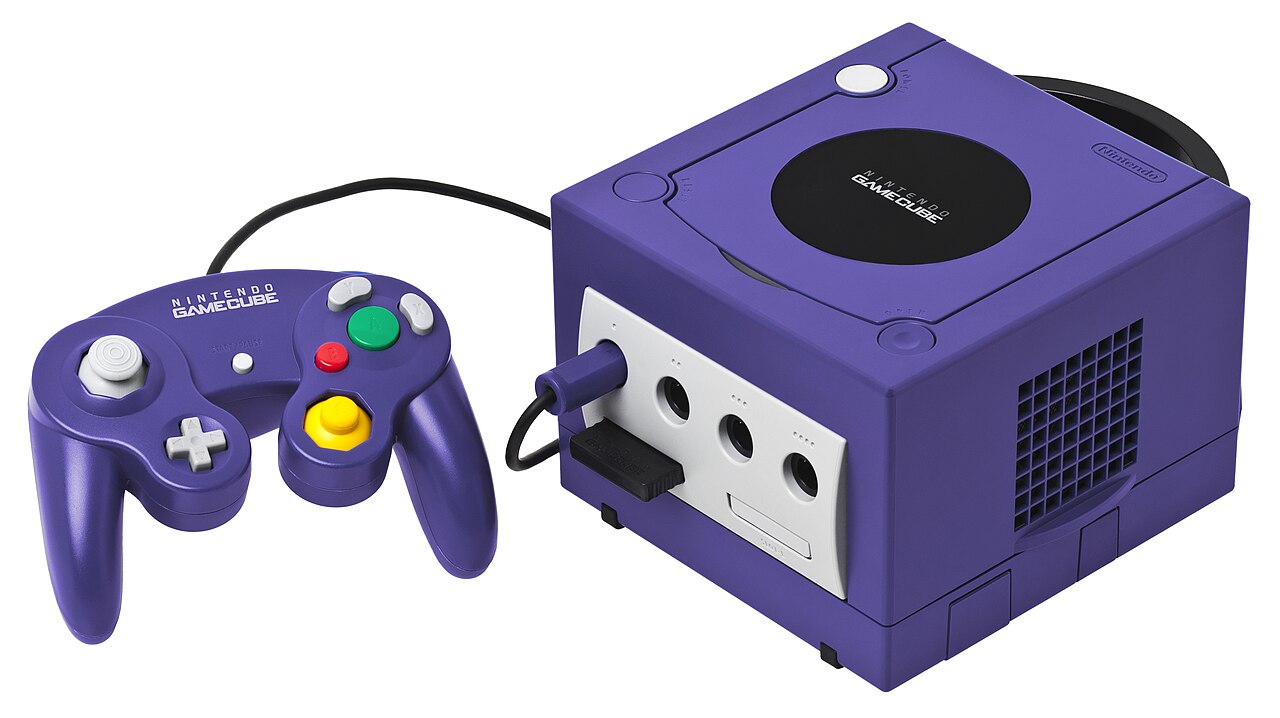
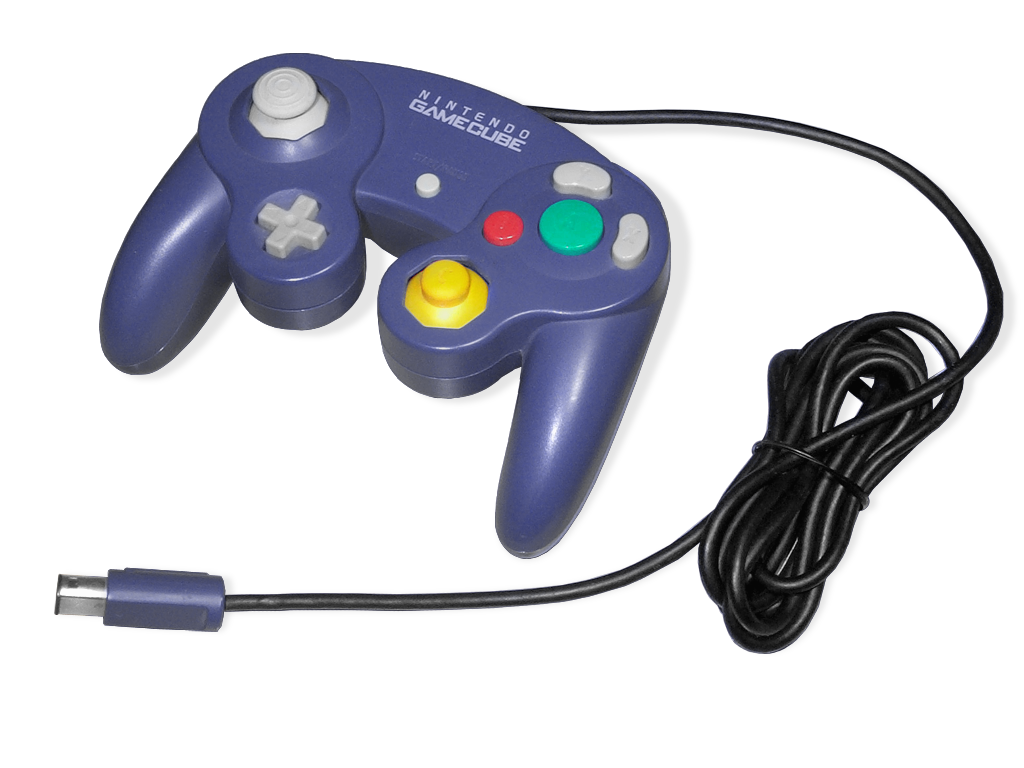
The controller has six digital buttons, two staggered analog sticks, a D-pad, and two hybrid analog/digital triggers. The main analog stick sits on the left, with the D-pad below it. On the right, a large green A button is centered, with a smaller red B button to its lower left, and two kidney-shaped X and Y buttons to its right and top.
Below these is a yellow C stick. A Start/Pause button sits in the middle. On the shoulders are two pressure-sensitive analog triggers (L and R) and a digital Z button in front of the R trigger.
Lore & Background
The GameCube controller features a wing grip design and connects to the console via a 2 m cable. It provides haptic feedback through a built-in rumble motor, unlike the Nintendo 64 controller which used an external Rumble Pak. The controller has no expansion capabilities. Its layout includes six digital buttons, two staggered analog sticks, a directional pad, and two hybrid analog and digital triggers.
The primary analog stick is on the left with the D-pad below it; the four face buttons are on the right, with a large green A button in the center flanked by a smaller red B button, and two kidney-shaped X and Y buttons. A yellow C stick sits below the face buttons, and a Start/Pause button is in the middle. The shoulder buttons include two pressure-sensitive analog triggers (L and R) and one digital Z button in front of the R trigger. The L and R triggers function as analog triggers until fully depressed, at which point they click to register an additional digital signal.
Color Identity and Limited Editions
The GameCube controller shipped bundled with every console unit at the 2001 launch, and its visual identity quickly became a canvas for Nintendo's marketing partnerships. Standard colorways spanned Indigo, Black, Spice (an orange shade), Platinum, Indigo/Clear, and Pearl White—the latter exclusive to European markets. Japan received its own Emerald Blue (Turquoise) option.
Beyond the standard palette, Nintendo issued limited-edition pads that swapped the familiar GameCube logo for character emblems: a two-toned blue-and-red Mario "M" controller, green-and-navy Luigi "L" variants, and yellow-and-purple Wario "W" editions. System bundles further expanded the lineup, pairing the controller with the Mobile Suit Gundam Edition in red and dark red, the Symphonic Green Edition in sea green, and the Final Fantasy Crystal White Edition. When the Wii launched and accepted GameCube peripherals, Nintendo produced a white controller in 2008 exclusively for Japan, distinguishing it with a longer three-meter cable rather than the standard two-meter black one.
Re-releases and Enduring Relevance
Long after the GameCube's commercial peak, its controller found new life through purposeful re-releases tied to flagship titles. In 2014, Nintendo issued a limited run of the standard pad to coincide with Super Smash Bros. for Wii U, swapping the GameCube logo for the Super Smash Bros. emblem while keeping the hardware otherwise identical. The re-release came in Black or White and featured a longer three-meter cable in place of the original two-meter version. A second iteration followed on November 2, 2018, aligned with Super Smash Bros.
Ultimate for Nintendo Switch. This version adopted a simplified Smash Bros. logo design and was offered only in Black, again with the extended cable. The fact that Nintendo returned to this specific controller shape—rather than designing something entirely new—speaks to the pad's ergonomic familiarity for players who grew up with it. The controller's compatibility with the Wii system also meant it remained a functional input device well beyond the GameCube's own lifespan, bridging generations of Nintendo hardware.
Reader's Guide
Though many elements of the GameCube controller's unique design—such as the hybrid shoulder buttons and a face button layout emphasizing one button over others—were not widely adopted by future twin-stick gamepads, some controllers adopted its staggered analog stick layout. The controller endured beyond its system's launch cycle, gaining varying support from subsequent Nintendo consoles. GameCube controllers are natively backward-compatible on the original model of the Wii, which has dedicated ports for them. Years after the GameCube's discontinuation, the controller was first re-released in Japan in 2008 for Super Smash Bros.
Brawl. Nintendo officially re-issued the controller and produced dedicated adapters for Super Smash Bros. for Wii U in 2014 and Super Smash Bros. Ultimate for Nintendo Switch in 2018, honoring its enduring popularity in the Super Smash Bros. community after Super Smash Bros. Melee (2001) made it desirable for competitive play. A redesigned iteration for use with the Nintendo Classics service on Nintendo Switch 2 released with the console on June 5, 2025.
Did You Know?
- A LodgeNet variant of the controller was created for pay-per-play GameCube games in some North American hotels.
- Shigeru Miyamoto designed the controller over at least three years, the longest he had spent on any controller at that time.
More in Game Controllers and Accessories
Sources
Compiled from Wikipedia and the sources listed below. Text from Wikipedia is available under CC BY-SA 4.0; this entry is adapted from it.
- Wikipedia: GameCube controller (CC BY-SA 4.0).
Spotted an error? Know more?
Reader corrections go straight into our review queue. Suggest an edit · How this site is sourced