
Formula One car
A single-seat, open-cockpit racing car with advanced aerodynamics and hybrid power.
Last updated

https://www.flickr.com/photos/mrlaugh/ · CC BY-SA 2.0
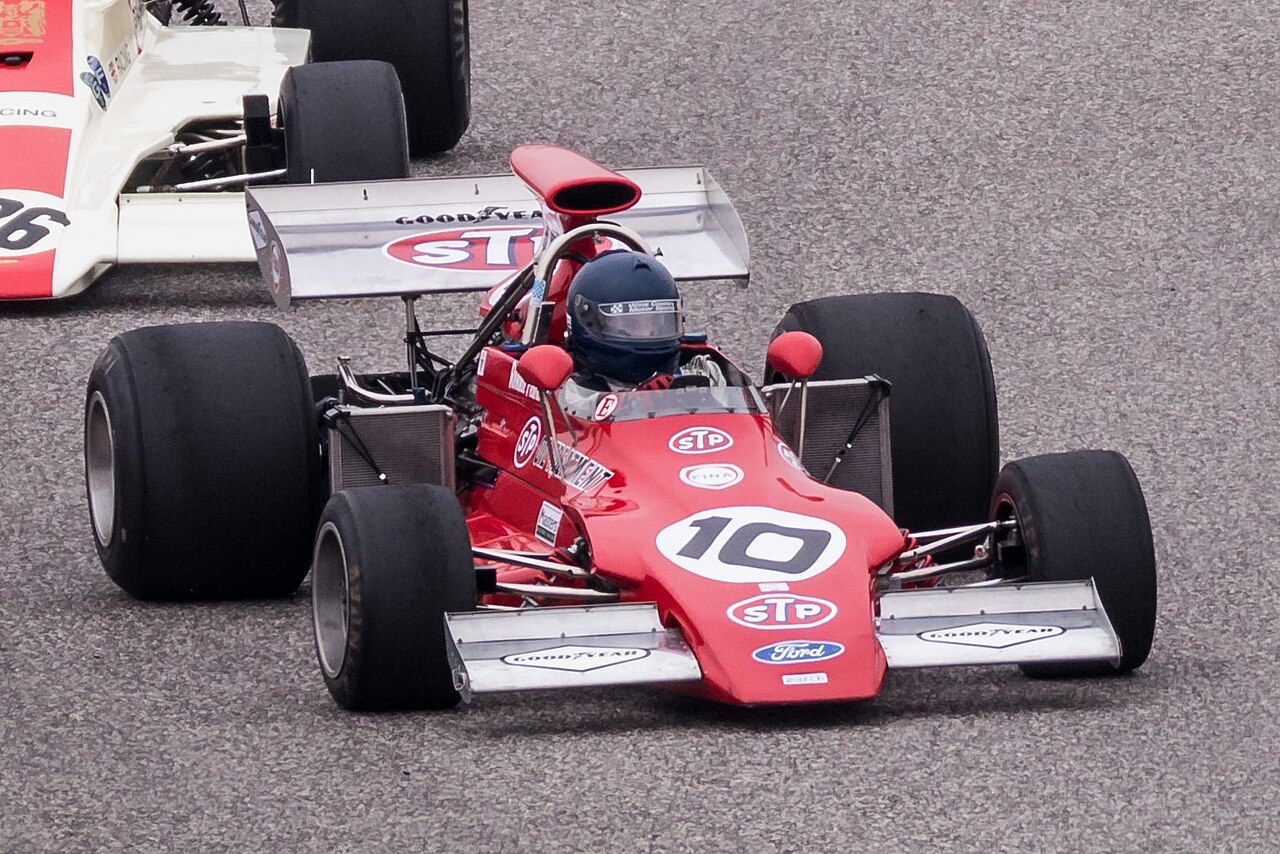
A Formula One car is a single-seat, open-cockpit, open-wheel racing vehicle built specifically for Formula One competitions. Its defining features include large front and rear wings, oversized wheels, and a turbocharged engine mounted behind the driver. The chassis is made from carbon fibre and composite materials, designed to endure heavy impacts and extreme G-forces.
History
Early F1 cars lacked wings and had engines in the front, demanding more physical effort from the driver. Over time, lighter materials from metallurgical advances, ground-effect aerodynamics, wings, and electronic controls improved performance. Turbocharged engines, higher efficiency, and energy recovery systems later made cars faster and more efficient.
Design
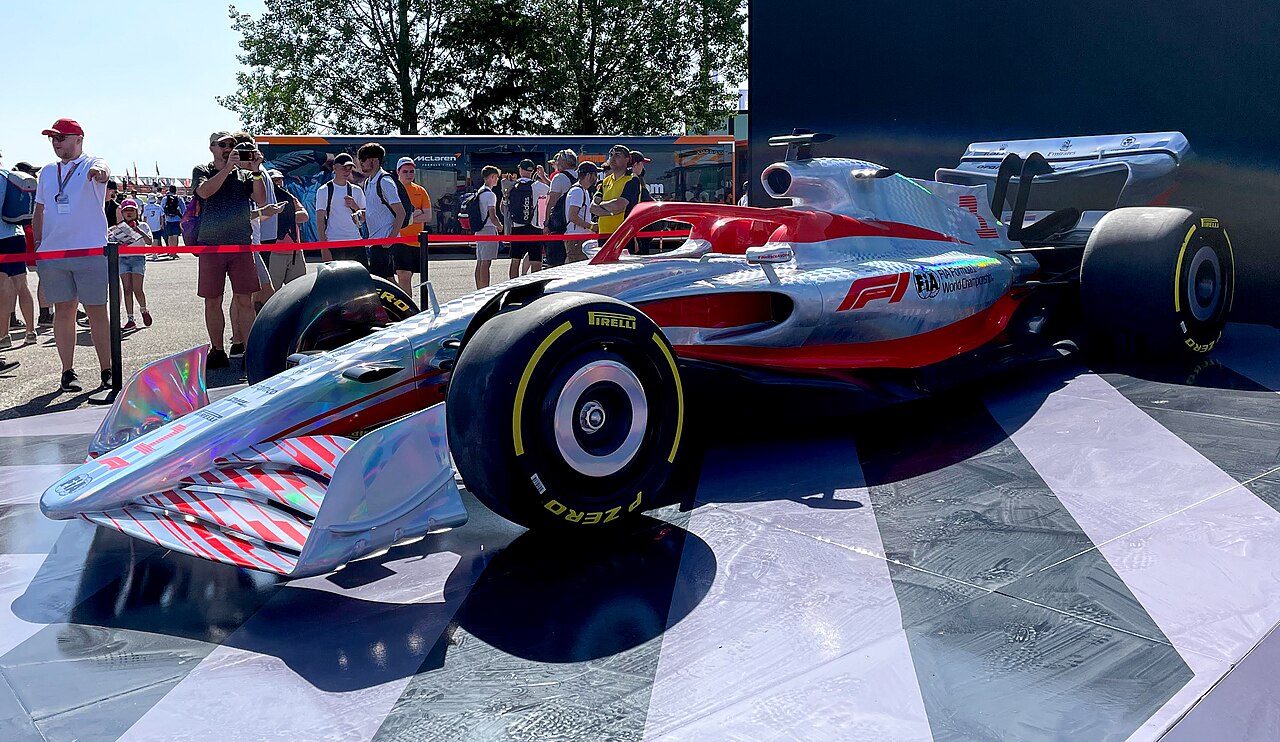
Modern F1 cars use a carbon fibre monocoque with an open cockpit, a single seat, and a detachable steering wheel. The power unit is a 1.6-liter turbo hybrid V6 producing up to 950 horsepower, allowing speeds of 375 kph. An eight-speed semi-automatic gearbox with electro-hydraulic steering controls the car. The 18-inch wheels use slick tires in dry conditions and carbon disc brakes that can handle 1000°C. The wings act as inverted aerofoils, generating downforce.
The FIA sets the regulations, which have changed significantly since the late 1940s. Constructors build and operate the cars, though design and manufacturing can be outsourced.

Since the 2000s, the FIA has focused on sustainability and cost reduction, capping car parts, mandating mixed fuel, and requiring energy recovery systems. It has also reduced downforce and speeds to simplify design and improve close racing. Safety improvements include durable materials, better features, and the halo.
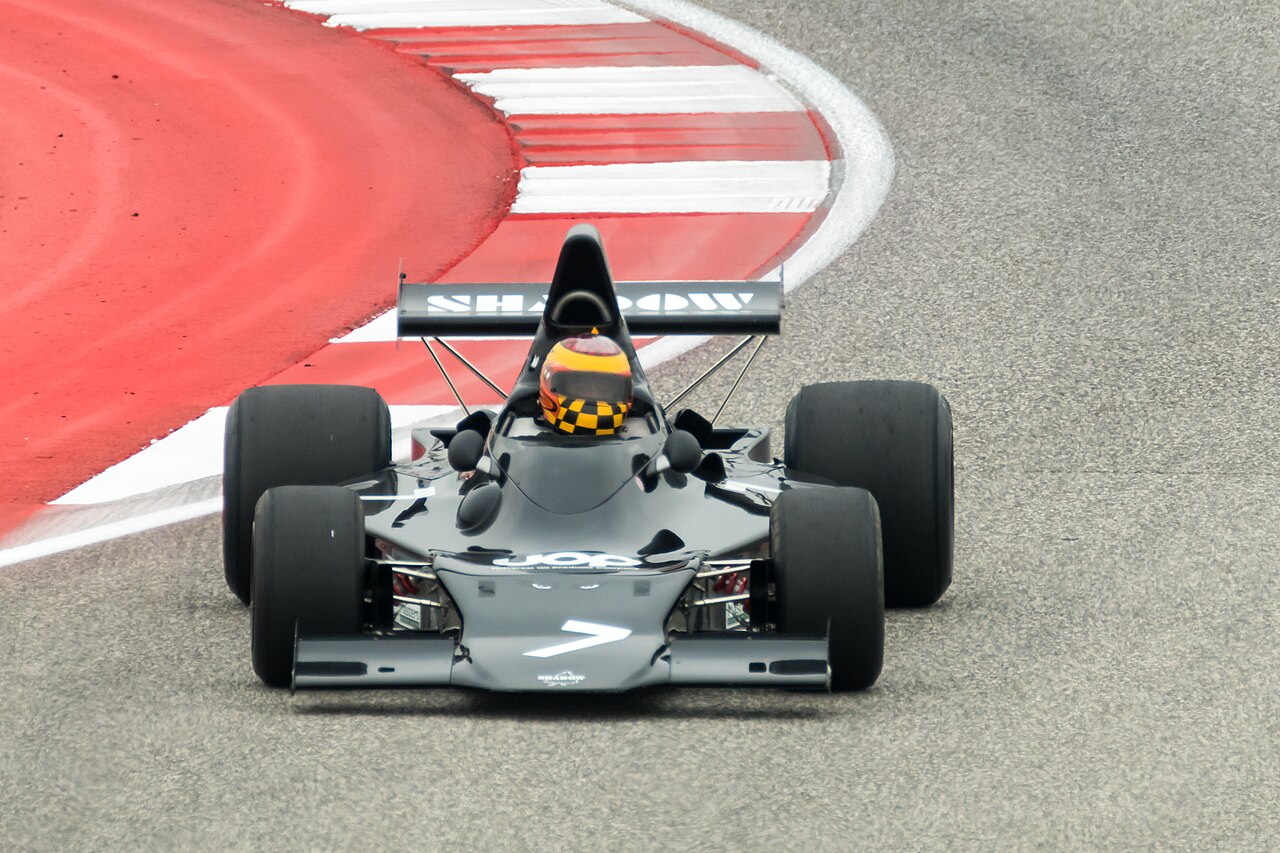
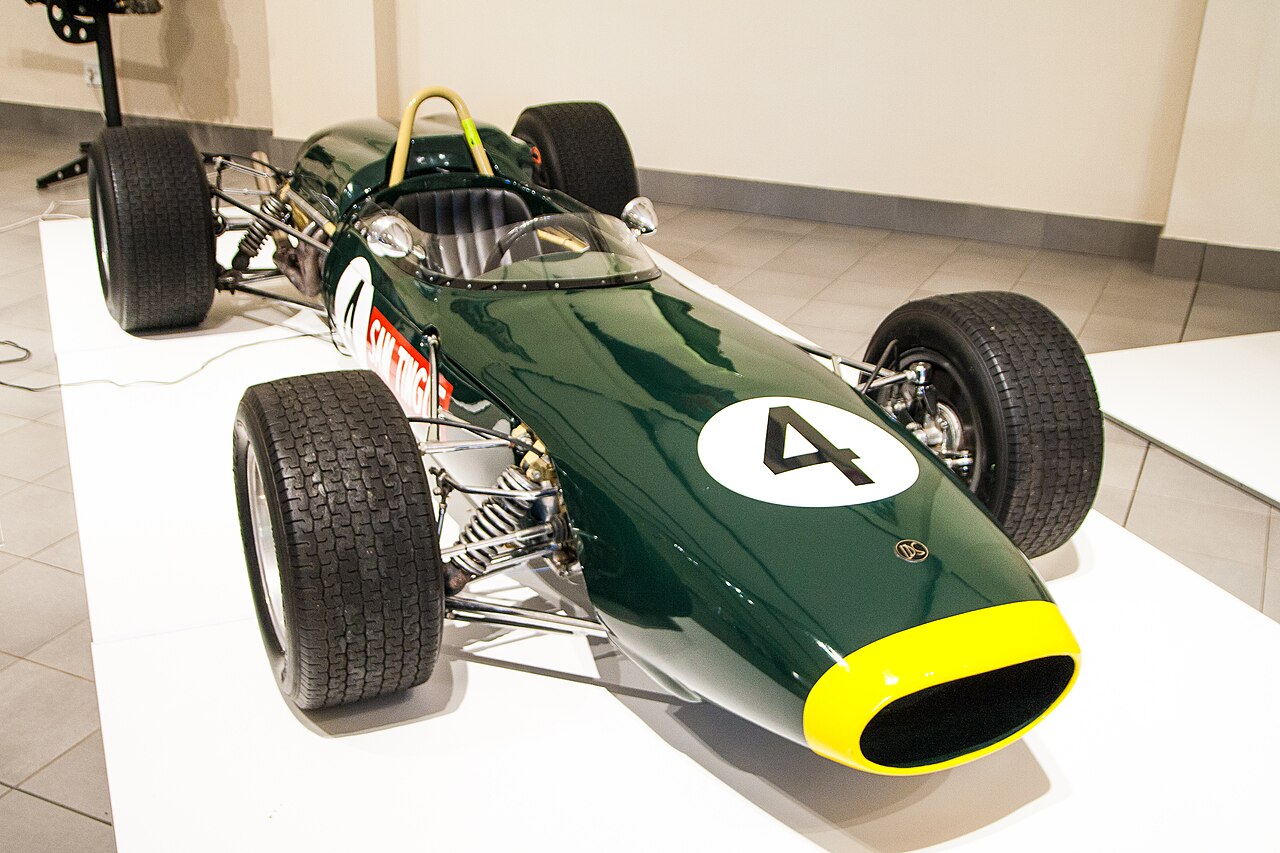
Early F1 cars were simple, with no wings and front engines, demanding high driver effort. In the early 1960s, lighter aluminum chassis appeared, and wings were added by the end of the decade. The 1970s saw aerodynamic advances with nose boxes and air boxes.
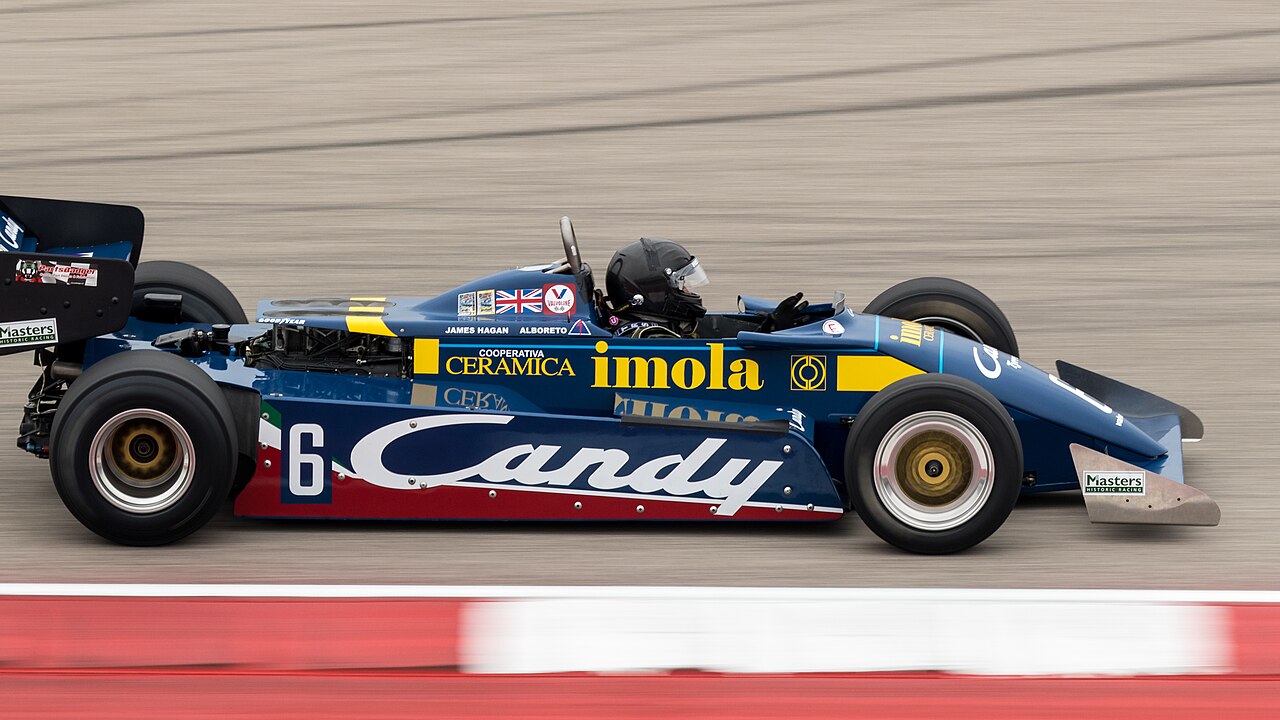
Ground-effect cars in the 1980s boosted downforce with little drag. Turbochargers increased thrust. Maximum car width was 2150 mm with a 1500 mm front axle and 1000 mm rear axle, later reduced to 2000 mm.
After the 1994 San Marino Grand Prix, changes included a 10 mm wooden skid block under the body to enforce ground clearance.
Quick Facts
- Engine
- 1.6 L (1,600 cc) turbo hybrid V6
- Power output
- Up to 950 hp / 708 kW
- Top speed
- Up to 375 kph
- Transmission
- Semi-automatic, eight-speed
- Minimum weight
- 798 kg (including driver, dry-weather tyres, no fuel)
- Dimensions
- 5.63 m length, 2 m width, 0.9 m height
Facts from the source article.
Lore & Background
Early F1 cars were simpler in design with no wings and front-mounted engines, requiring significant driver effort for control. In the early 1960s, lighter cars with aluminium chassis were introduced, and wings were added towards the end of the decade. The 1970s saw aerodynamics begin to impact car design significantly, with the introduction of nose boxes and air boxes. Ground effect cars in the 1980s allowed a significant increase in downforce with a small drag penalty.
Following the 1994 San Marino Grand Prix, a number of changes were introduced, including a wooden skid block to enforce minimum ground clearance and modifications to reduce ground effect. Since the 1990s, improved electronics were incorporated to increase efficiency, handling and reliability. Since the 2000s, computer-aided design has enabled more efficient cars, with changes aimed at sustainability and cost reduction, such as caps on car parts, mixed fuel usage, and energy recovery systems. The latest regulations simplified aerodynamic components to reduce vortices and create more ground effect, enabling closer racing.
Reader's Guide
The Formula One car represents the pinnacle of single-seat racing technology, governed by regulations from the FIA that have evolved considerably since the late 1940s. The cars are constructed and operated by constructors, though design and manufacture can be outsourced. Modern cars use a carbon fibre monocoque with a single driver seat and detachable steering, and are fitted with a halo safety device. The power unit is a 1.6 L turbo hybrid V6 capable of up to 950 hp, enabling speeds of up to 375 kph.
The semi-automatic gearbox has eight speeds, and the 18-inch wheels use slick tyres in dry conditions with carbon disc brakes that can handle temperatures up to 1000 °C. The wings act as inverted aerofoils to produce negative lift, increasing downforce. Since the 2000s, the FIA has made changes aimed at sustainability and cost reduction, including caps on car parts, mixed fuel usage, and energy recovery systems. Safety has been improved with durable materials and the addition of the halo. The regulations have also sought to reduce downforce and limit speeds while simplifying car design and improving close racing.
Frequently Asked Questions
What is a Formula One car?
It is a single-seat, open-cockpit, open-wheel racing machine purpose-built for the highest tier of single-seater motorsport. Its signature look comes from large front and rear wings, oversized 18-inch wheels, and a hybrid power unit tucked behind the driver.
What engine does a Formula One car use?
Current regulations mandate a 1.6-litre turbocharged hybrid V6 that can push out roughly 950 horsepower. It pairs a combustion engine with electric energy recovery systems to deliver that extreme power-to-weight ratio.
What is a Formula One car made of?
The monocoque chassis and body panels are constructed from carbon-fibre-reinforced composites, chosen because they are extremely stiff yet light enough to survive heavy crashes and sustained G-loads. The minimum dry weight of the complete car, including the driver and dry-weather tyres, is 798 kg.
How has the Formula One car evolved since the sport began?
Early cars ran front-mounted engines, had no wings, and demanded far more raw physical effort from the driver. Over the decades, advances in metallurgy, ground-effect aerodynamics, electronic controls, and lighter composite materials transformed the car into the high-downforce, hybrid-powered machine seen today.
More in Formula One Cars
Sources
Compiled from Wikipedia and the sources listed below. Text from Wikipedia is available under CC BY-SA 4.0; this entry is adapted from it.
- Wikipedia: Formula One car (CC BY-SA 4.0).
Spotted an error? Know more?
Reader corrections go straight into our review queue. Suggest an edit · How this site is sourced