Ernest Shackleton
Anglo-Irish Antarctic explorer who led three British expeditions and set a Farthest South record of 88°23′ S.
Last updated

via Wikipedia: Ernest Shackleton · see source
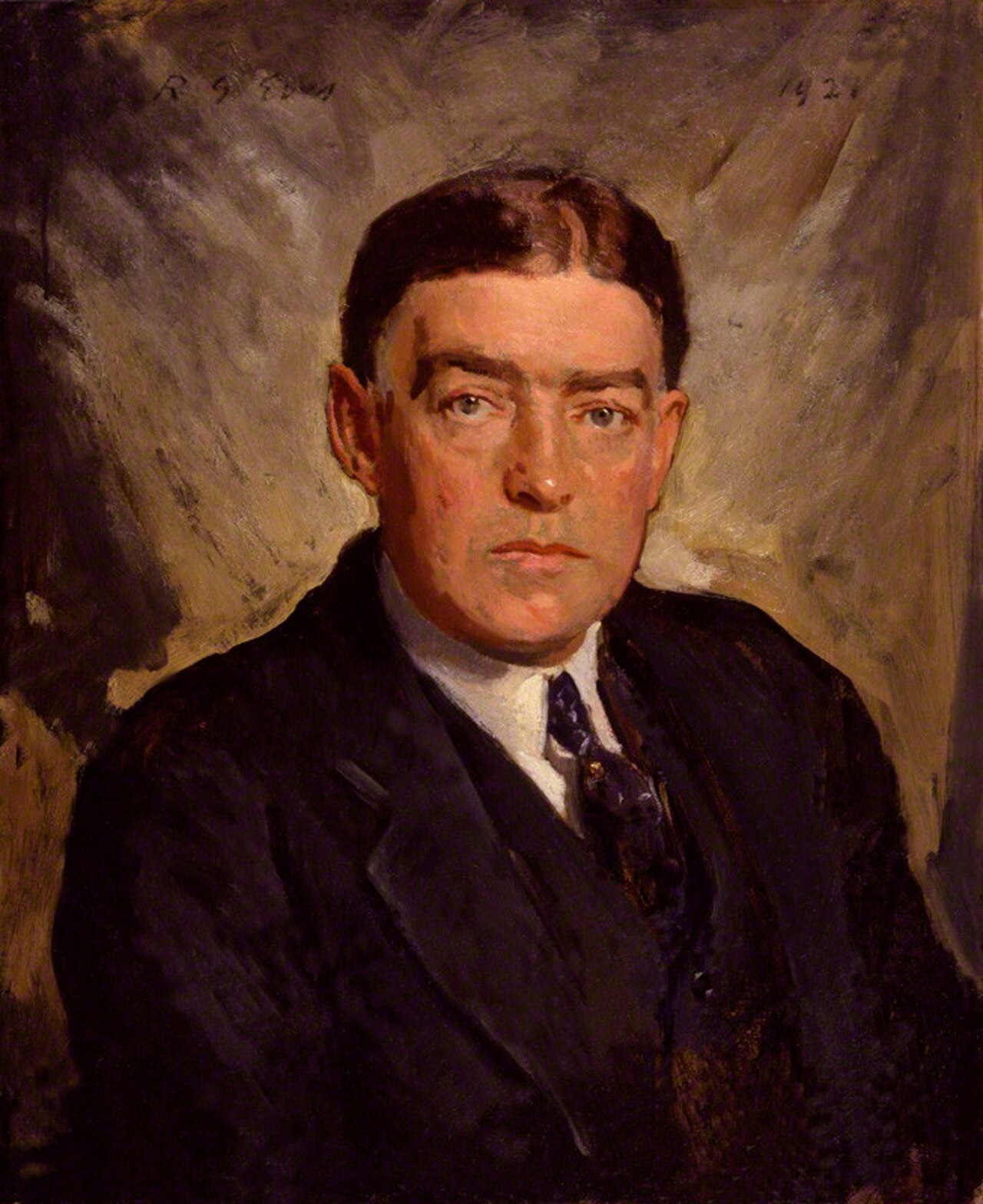
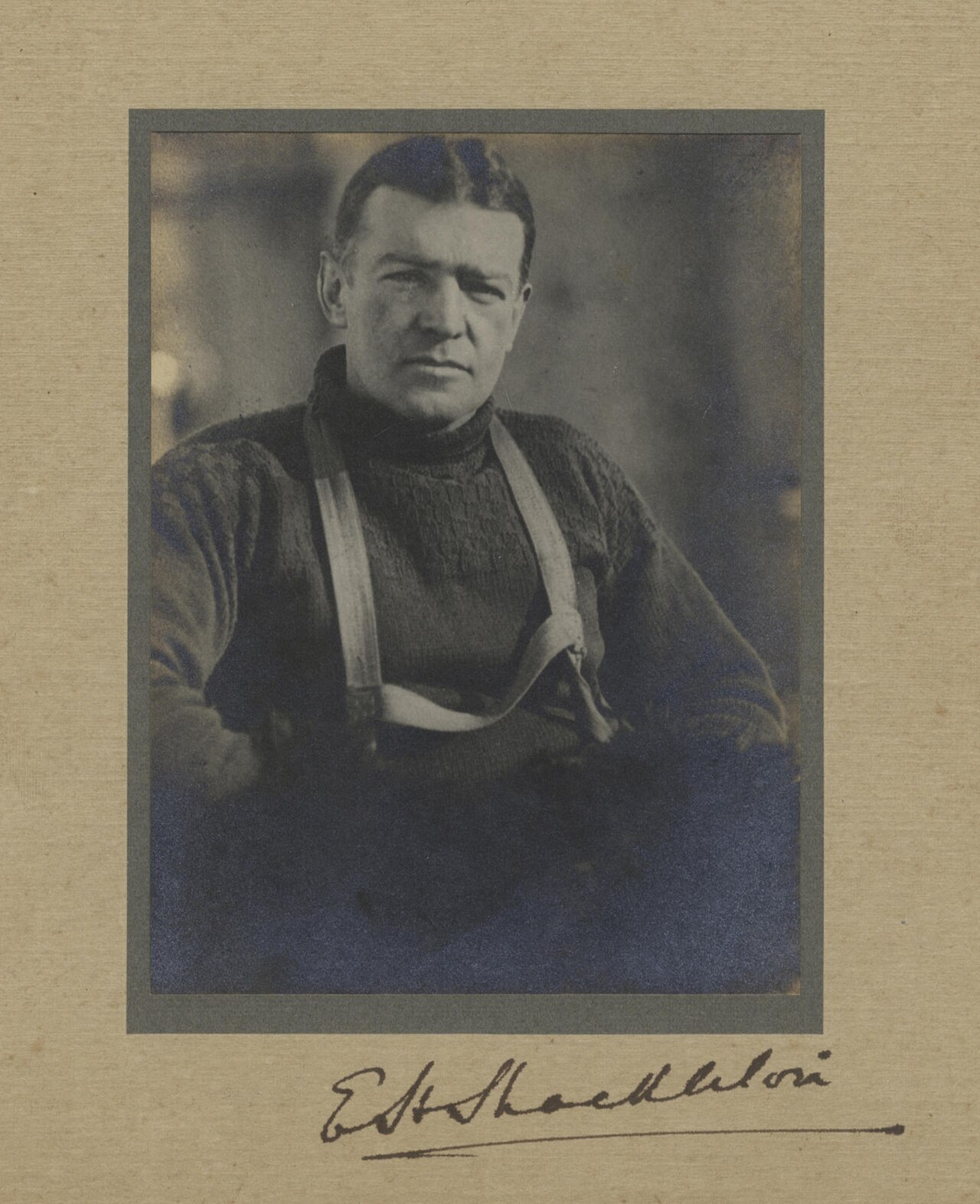
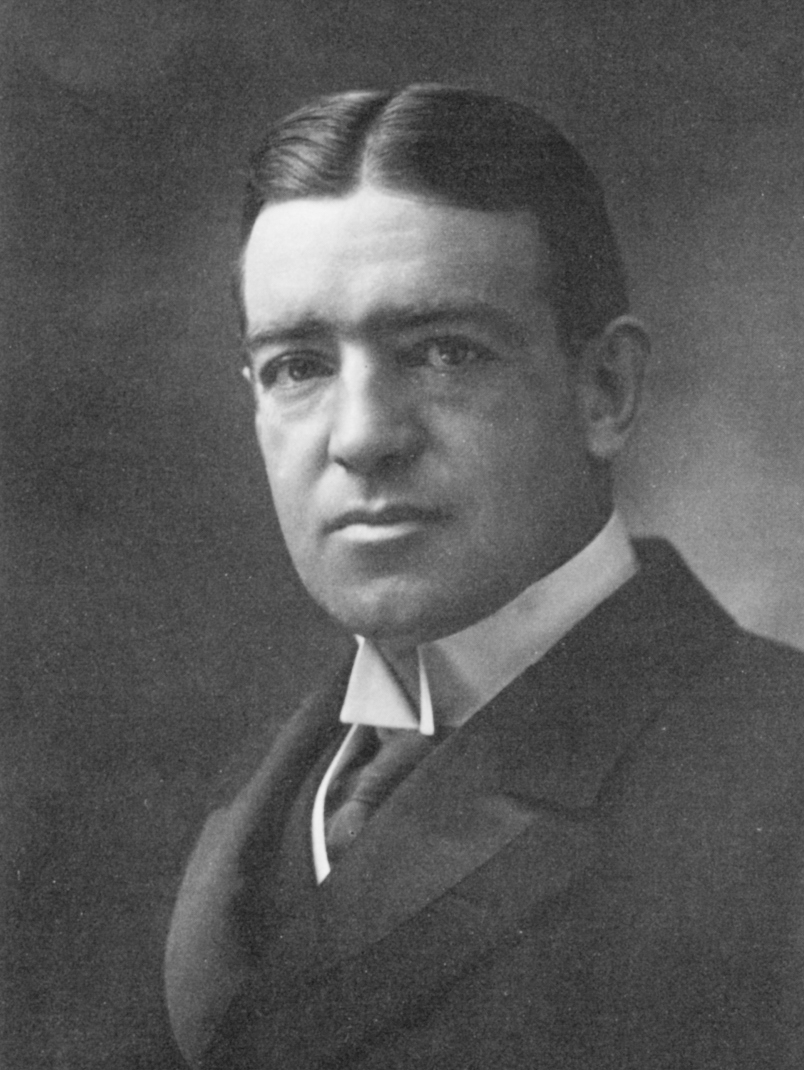
Ernest Shackleton was an Anglo-Irish Antarctic explorer born on 15 February 1874 in County Kildare, Ireland.[1][2] He is best known for leading the Imperial Trans-Antarctic Expedition, during which his ship Endurance was crushed by ice and his crew escaped after a two-year ordeal.[3] Shackleton died of a heart attack on 5 January 1922 off South Georgia.[1]
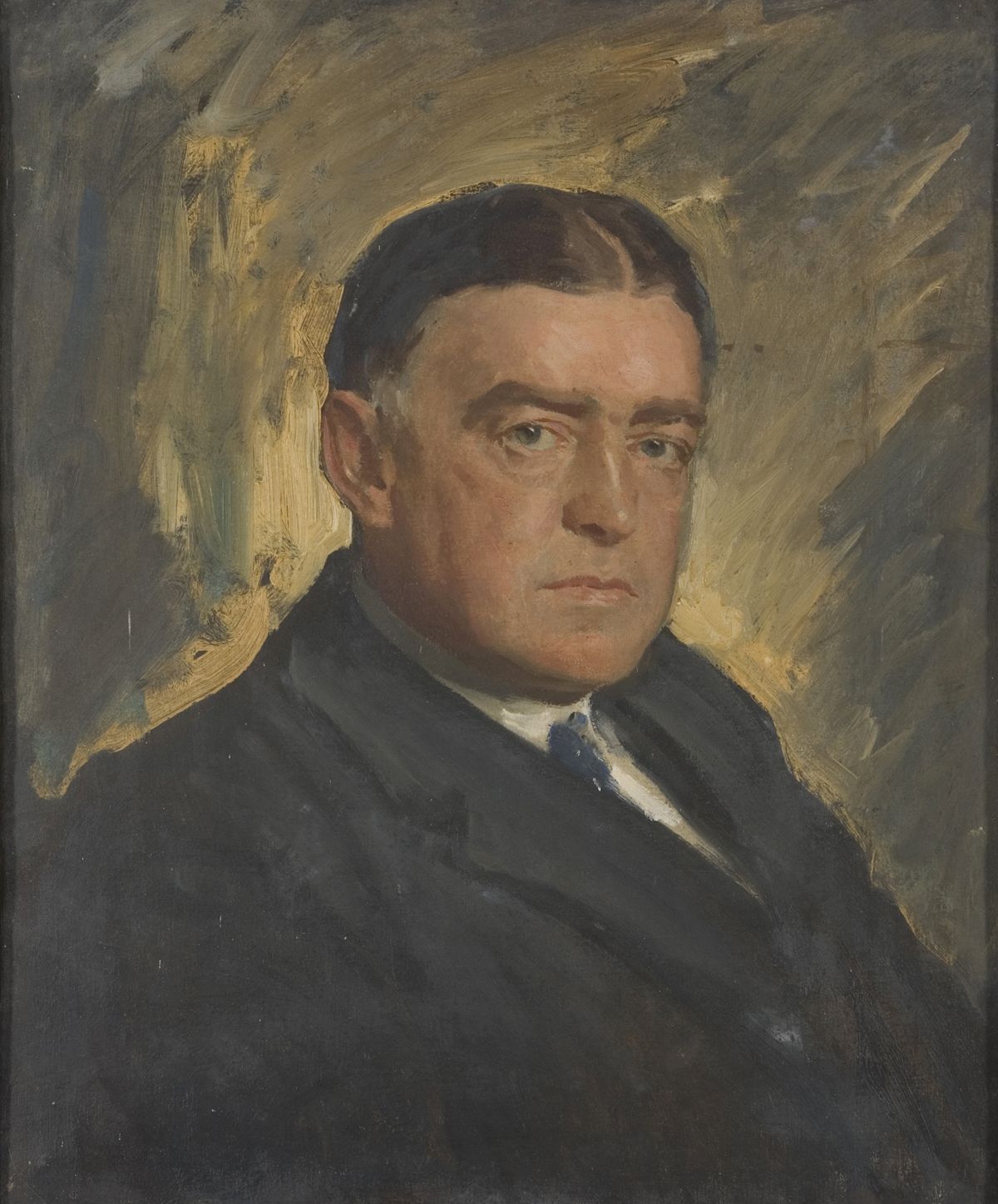
Life and work
Shackleton joined the merchant navy at age sixteen after attending Dulwich College.[2][4] In 1901 he was chosen for Robert Falcon Scott's Discovery Expedition, reaching a record farthest south latitude of 82°17′ S.[1][5] He was invalided home early from that journey but gained valuable polar experience.[2][1] Shackleton led his own Nimrod Expedition from 1907 to 1909, reaching a new farthest south of 88°23′ S.[6][2]
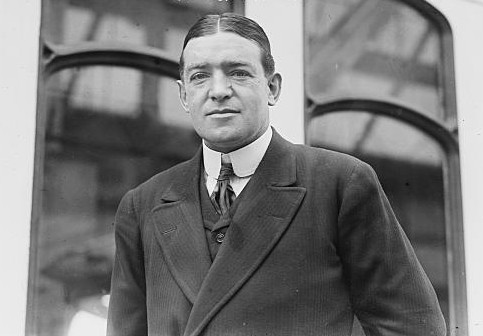
After Amundsen and Scott reached the South Pole, Shackleton planned to cross Antarctica from sea to sea.[2][7] The crew escaped by camping on ice and then sailing lifeboats to Elephant Island.[7][2] Shackleton then made an 800-mile open-boat journey to South Georgia with five companions to seek help.[2][8] He died during his fourth Antarctic expedition and was buried in Grytviken cemetery on South Georgia.[7]
What the cited sources add
The BBC History account states that Shackleton's family moved to London where he was educated.[1] A Guardian article reports that Shackleton joined the merchant navy at sixteen and thought of scientists as boring deadweights.[4] The BBC News article on the wreck discovery notes that Endurance was found on the 100th anniversary of Shackleton's funeral.[3] The same article states the wreck looks much the same as when photographed by Frank Hurley in 1915.[3]
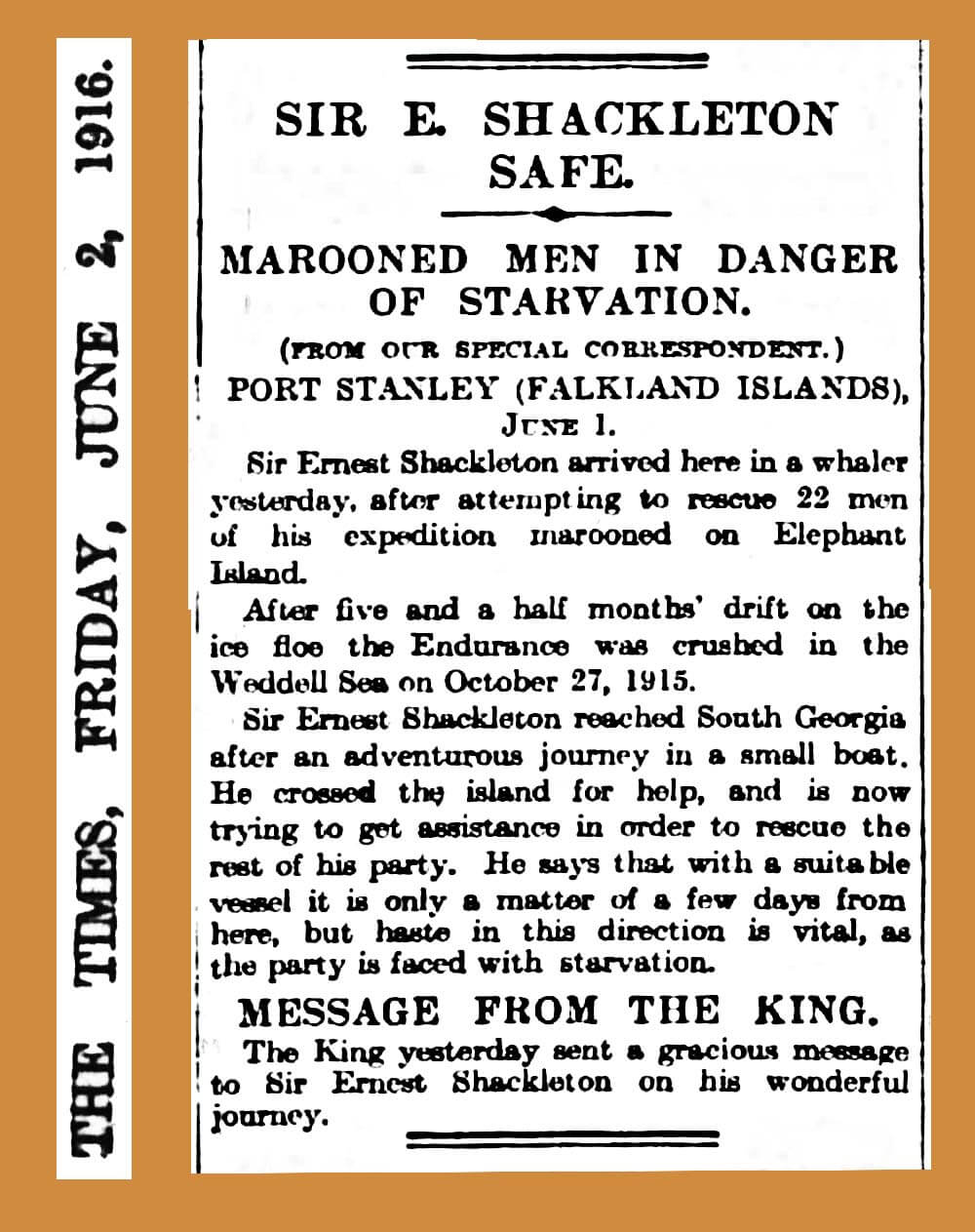
According to ErnestShackleton.net, Shackleton's ancestor Abraham Shackleton was a Quaker from West Yorkshire who relocated to Ballitore, County Kildare and founded a school there in 1726.[2] The Guardian reports that Shackleton sent a cable to the Admiralty offering Endurance and her crew for service in the hostilities that had broken out.[4]
References
- "Historical figures: Ernest Shackleton (1874–1922)", BBC History. facts only, no text reused. bbc.co.uk
- "Sir Ernest Shackleton: His Early Life", ErnestShackleton.net. facts only, no text reused. ernestshackleton.net
- Amos, "Endurance: Shackleton's lost ship is found in Antarctic", BBC News, 9 March 2022. facts only, no text reused. bbc.com
- "Flawed hero who came in from the cold", The Guardian, 29 May 1999. facts only, no text reused. theguardian.com
- Wikipedia, "Ernest Shackleton" (CC BY-SA 4.0), which cites: Fiennes 2003, p. 35; Crane 2005, p. 171–172 (original not read by us) en.wikipedia.org
- Wikipedia, "Ernest Shackleton" (CC BY-SA 4.0), which cites: Mills 1999, p. 72 (original not read by us) en.wikipedia.org
- Wikipedia, "Ernest Shackleton" (CC BY-SA 4.0), which cites: Amos, "Endurance: Shackleton's lost ship is found in Antarctic", BBC News, 9 March 2022; Fountain, "At the Bottom of an Icy Sea, One of History's Great Wrecks Is Found", The New York Times, 9 March 2022 (we also read that source) en.wikipedia.org
- Wikipedia, "Ernest Shackleton" (CC BY-SA 4.0), which cites: Alexander 1998, p. 10; Barczewski 2007, p. 295 (original not read by us) en.wikipedia.org
Each numbered sentence above was checked against the source it cites before publication. Sentences citing Wikipedia adapt text from the English Wikipedia article Ernest Shackleton (contributors), used under CC BY-SA 4.0; this entry is available under the same licence. Other sources were used for facts only; no text or images are copied from them.
More in Great Explorers
Test yourself
Three questions drawn from this entry’s sources. Pick an answer to check it.
Answers checked against the source article
Sources
Compiled from Wikipedia and the sources listed below. Text from Wikipedia is available under CC BY-SA 4.0; this entry is adapted from it.
- Wikipedia: Ernest Shackleton (CC BY-SA 4.0).
Spotted an error? Know more?
Reader corrections go straight into our review queue. Suggest an edit · How this site is sourced