Ibn Battuta
The greatest traveller of the pre-modern world, whose journeys spanned Africa, Asia, and the Iberian Peninsula.
Last updated

Léon Benett · via Wikipedia: Ibn Battuta · Public domain
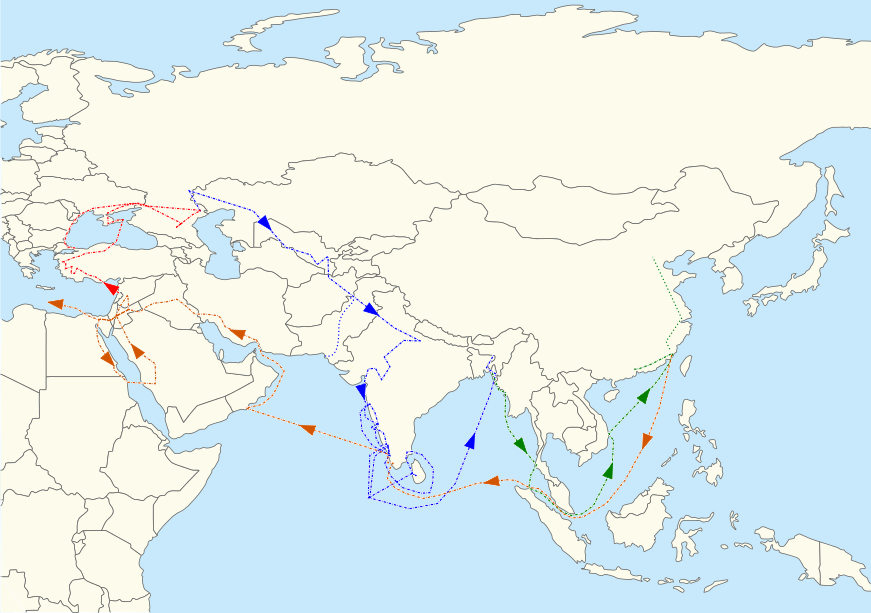
Ibn Battuta was a Moroccan explorer born in Tangier in 1304 who traveled over 117,000 km, surpassing earlier explorers like Marco Polo.[1][2] He set off from home at age 21 to perform a hajj to Mecca in June 1325.[3] The traveler's complete name was Abu Abdullah Muhammad ibn Battuta, and his travelogue is called The Rihla.[4][2]
Life and work
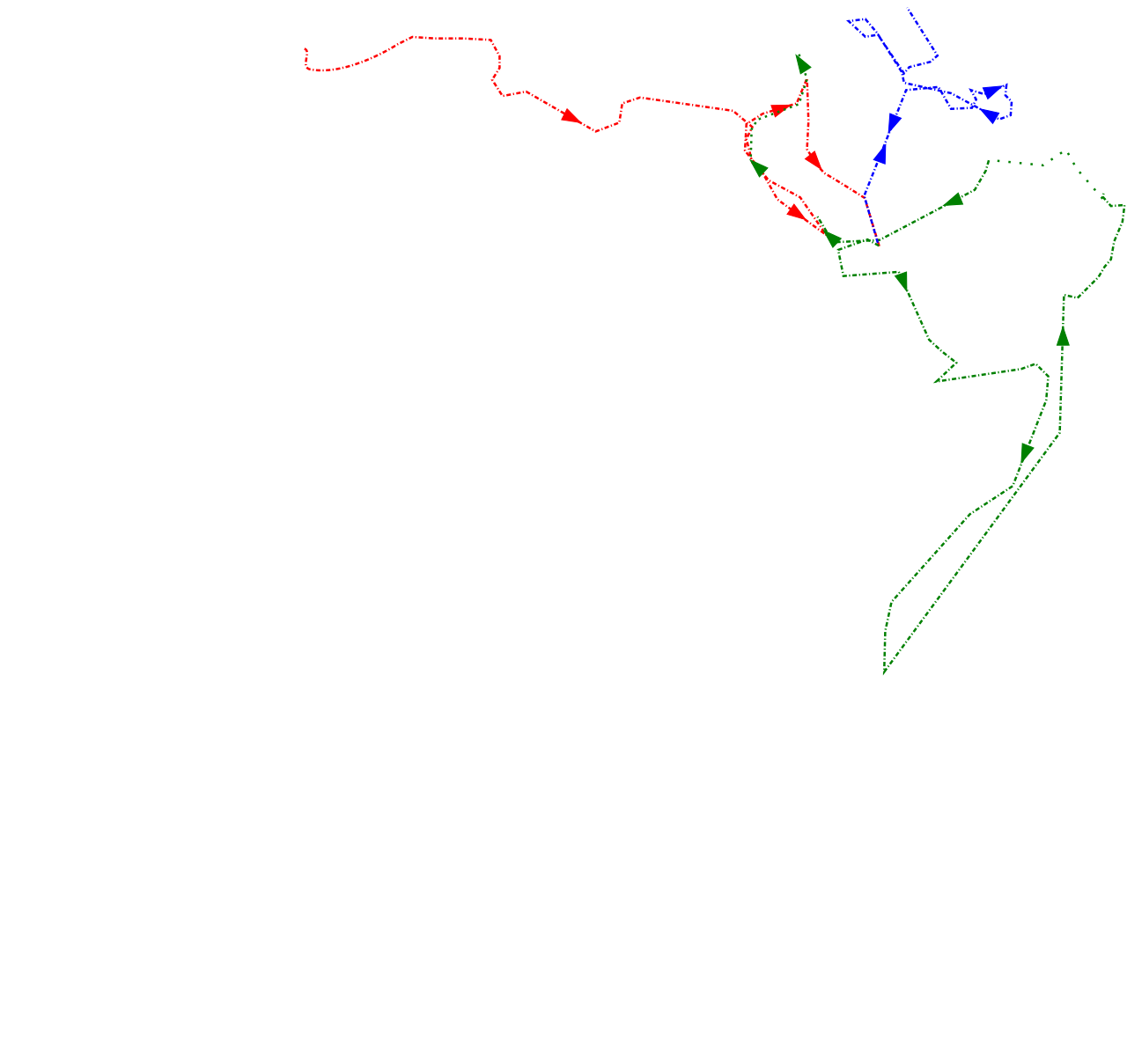
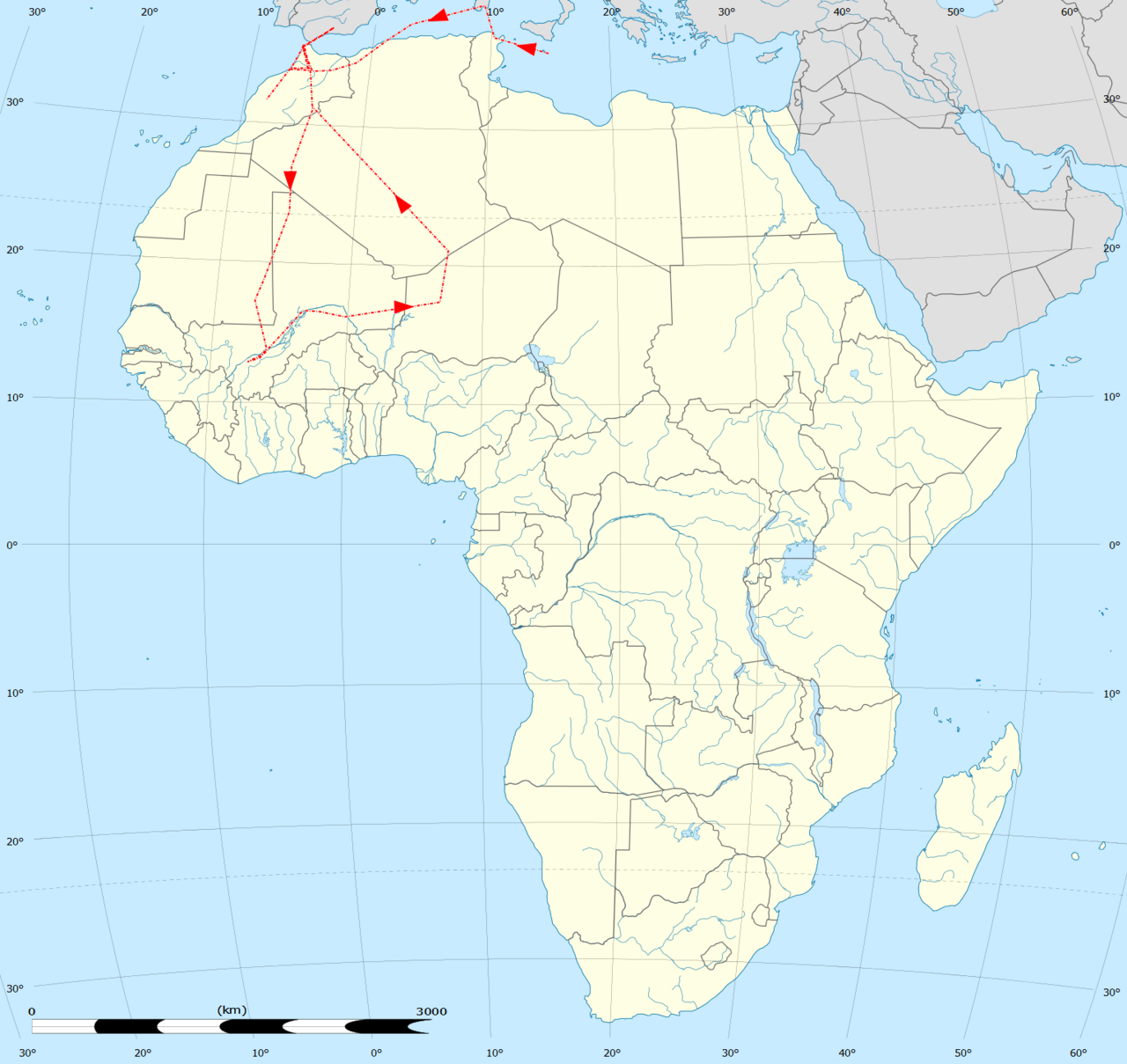
Ibn Battuta was born into a family of Islamic legal scholars in Tangier on 24 February 1304, during the Marinid dynasty.[5] He arrived in Alexandria in early spring 1326 after a journey of over 3500 km.[6] He also made a journey across the Sahara to the kingdom of Mali, which he completed in 1353.[7] Ibn Battuta subsequently worked as a qadi (judge) in Delhi for Sultan Muhammad bin Tughluq, who at that time was famous for being the wealthiest person in the Muslim world.[8]
What the cited sources add
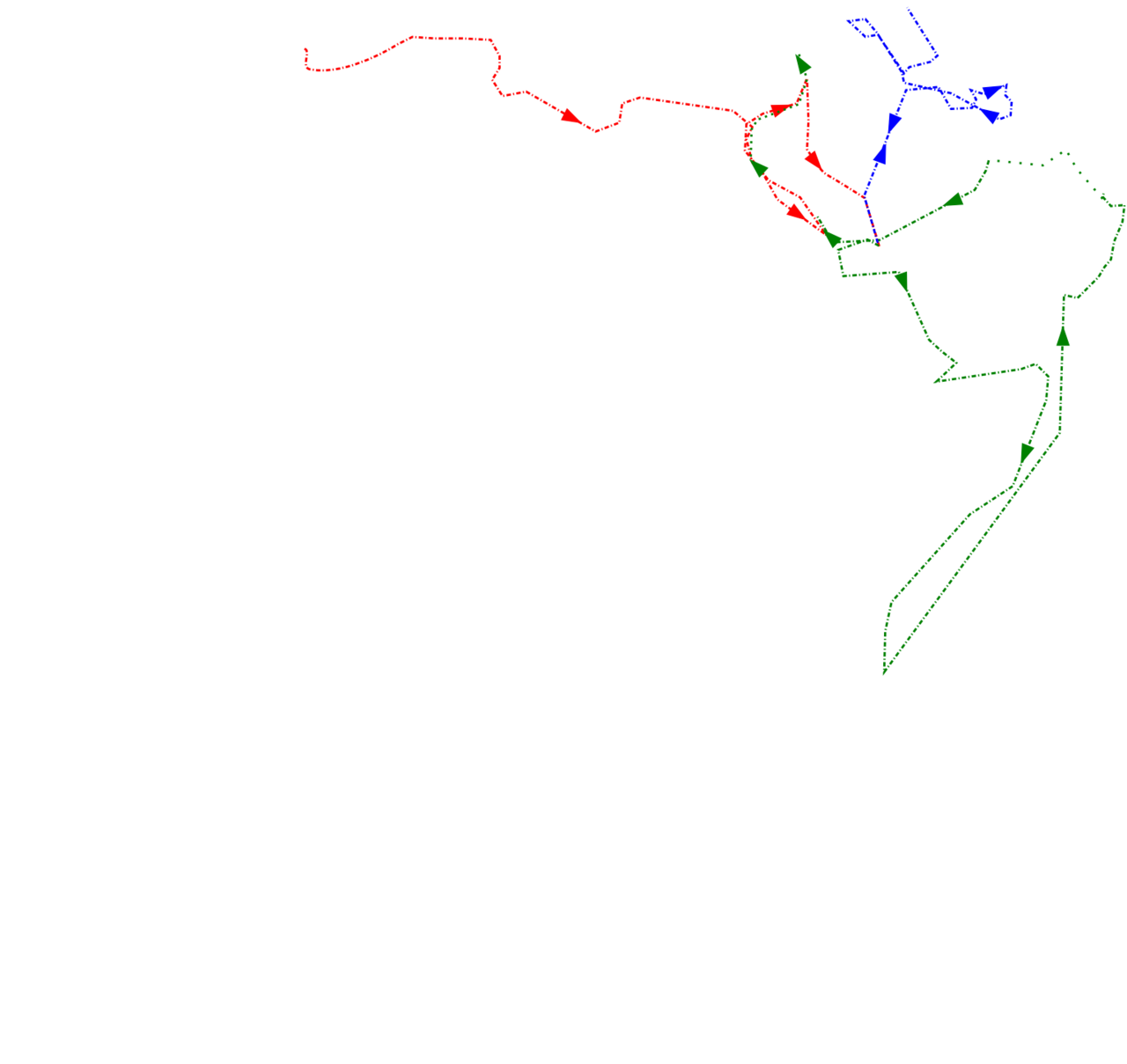
The same source states that Ibn Battuta found Mogadishu's sultan spoke both his native Somali and some Arabic, and his chief legal advisor was Egyptian.[9] The ORIAS account also records that Ibn Battuta was given or purchased slaves during his travels.[9] The same review notes that Ibn Battuta's expertise in Islamic law was as saleable in newly Islamic territories as Italian wares were to the east.[7] The ORIAS escape account states that Ibn Battuta joined in a day-long battle to gain favor with a sultan in Sandapur.[10]
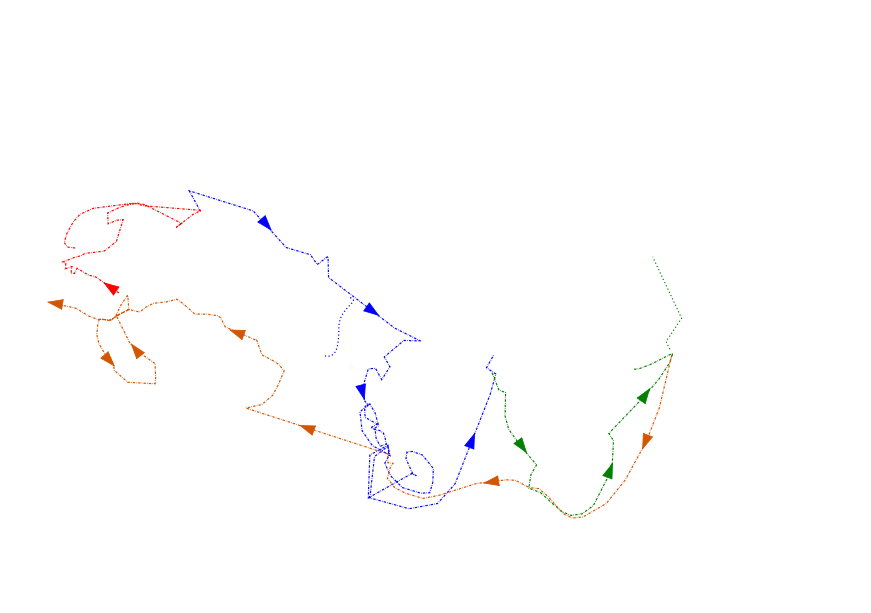
The ORIAS account mentions that during Ibn Battuta's initial sea voyage, the waves caused the passengers to become severely ill.[9] A Guardian review characterizes Ibn Battuta as being "wholly convinced of the superiority of his own culture" yet showing curiosity about different religious practices.[7]
References
- Wikipedia, "Ibn Battuta" (CC BY-SA 4.0), which cites: Parker, "The World Book Encyclopedia", World Book, 2004; Dunn 2005, p. 20; Nehru, "Glimpses of World History", Oxford University Press, 1989, p. 752 (original not read by us) en.wikipedia.org
- Mark, "Ibn Battuta", 7 February 2019. facts only, no text reused. worldhistory.org
- Wikipedia, "Ibn Battuta" (CC BY-SA 4.0), which cites: Dunn 2005, p. 20 (original not read by us) en.wikipedia.org
- Wikipedia, "Ibn Battuta" (CC BY-SA 4.0), which cites: Gearon, "The Sahara: A Cultural History", Oxford University Press, 2011, p. 76; "Ibn Battuta"; Mark, "Ibn Battuta", 7 February 2019; "Ibn Battuta (1304–1368)"; "Ibn Battuta" (we also read that source) en.wikipedia.org
- Wikipedia, "Ibn Battuta" (CC BY-SA 4.0), which cites: Dunn 2005, p. 20; "Ibn Baṭṭūṭa", Brill; ; ;; ; Goitein, "A Mediterranean Society", University of California Press, 1967, p. 67 (original not read by us) en.wikipedia.org
- Wikipedia, "Ibn Battuta" (CC BY-SA 4.0), which cites: The Travels of Ibn Battuta, A.D. 1325–1354: Volume I, translated by H.A.R Gibb, pp. 23–24; (original not read by us) en.wikipedia.org
- Buchan, "Review: The Travels of Ibn Battutah edited by Tim Mackintosh-Smith", The Guardian, 21 December 2002. facts only, no text reused. theguardian.com
- Wikipedia, "Ibn Battuta" (CC BY-SA 4.0), which cites: Aiya 1906, p. 328; Jerry Bently, Old World Encounters: Cross-Cultural Contacts and Exchanges in Pre-Modern Times (New York: Oxford University Press, 1993), p. 121. (original not read by us) en.wikipedia.org
- "The Red Sea to East Africa and the Arabian Sea: 1328–1330", orias.berkeley.edu. facts only, no text reused. orias.berkeley.edu
- "The Travels of Ibn Battuta: Escape from Delhi to the Maldive Islands and Sri Lanka: 1341–1344", orias.berkeley.edu. facts only, no text reused. orias.berkeley.edu
Each numbered sentence above was checked against the source it cites before publication. Sentences citing Wikipedia adapt text from the English Wikipedia article Ibn Battuta (contributors), used under CC BY-SA 4.0; this entry is available under the same licence. Other sources were used for facts only; no text or images are copied from them.
More in Great Explorers
Sources
Compiled from Wikipedia and the sources listed below. Text from Wikipedia is available under CC BY-SA 4.0; this entry is adapted from it.
- Wikipedia: Ibn Battuta (CC BY-SA 4.0).
Spotted an error? Know more?
Reader corrections go straight into our review queue. Suggest an edit · How this site is sourced