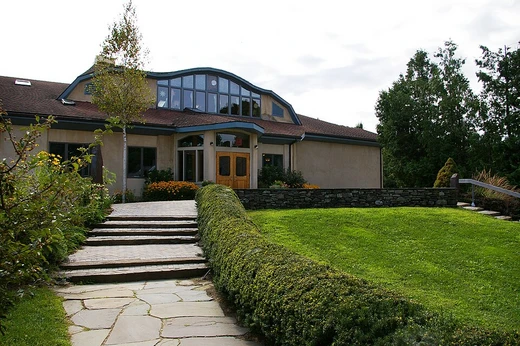
State-integrated school
Former private schools integrated into the state system with retained special character.
A state-integrated school in New Zealand is a former private school that has joined the state education system while preserving its special character, typically a religious or philosophical belief. This type of school was created by the Third Labour Government in the early 1970s to address the financial crisis that threatened the Catholic private school system. As of July 2022, state-integrated schools educate about 11.2% of New Zealand's student population, making them the second most common school type.
Quick Facts
- Catholic schools among them
- 236
- Established by
- Third Labour Government
- Year of enabling legislation
- 1975
- Legislation
- Private Schools Conditional Integration Act 1975
Facts from the source article.
History
New Zealand's state education system began with the Education Act 1877, which made education compulsory for children aged 7 to 13 and provided free, secular schooling for those aged 5 to 15. The secular requirement resulted from a deadlock among secularist, Catholic, and Protestant MPs, leading both Catholic and Protestant churches to maintain their own private school systems. After the Second World War, private religious schools faced rising rolls from changes in compulsory school ages and the baby boom, along with pressure to match state-sector quality improvements. The Catholic system, in particular, struggled with increasing costs as it hired more lay teachers—rising from 5% in 1956 to 38% in 1972—while parishes accrued debt or let schools deteriorate. By the late 1960s, the Catholic school system was in financial crisis and near collapse.
Features
State-integrated schools are created through an integration agreement between the Crown and the school's proprietors, which defines the school's special character, usually a religious or philosophical belief. Of the 335 state-integrated schools, 236 are Catholic, with the local diocese or religious institute as proprietor; the remaining 93 include Anglican, Presbyterian, non-denominational Christian, Montessori, and Waldorf (Steiner) schools. Proprietors retain ownership of land and buildings and sit on the school's board of trustees, ensuring the special character is maintained.
These schools must follow national education goals, employ registered teachers, comply with the school year, and teach the national curriculum, though they may incorporate their special character. Schools with a religious special character are exempt from state school restrictions on religious instruction and may hold classes and services during school hours; some secondary schools offer religious studies for NCEA credit.
More in Education & Schools
Spotted an error? Know more?
Reader corrections go straight into our review queue. Suggest an edit · How this site is sourced