Cowpea
A drought-tolerant legume vital to semiarid agriculture.
Last updated

David E Mead · CC0
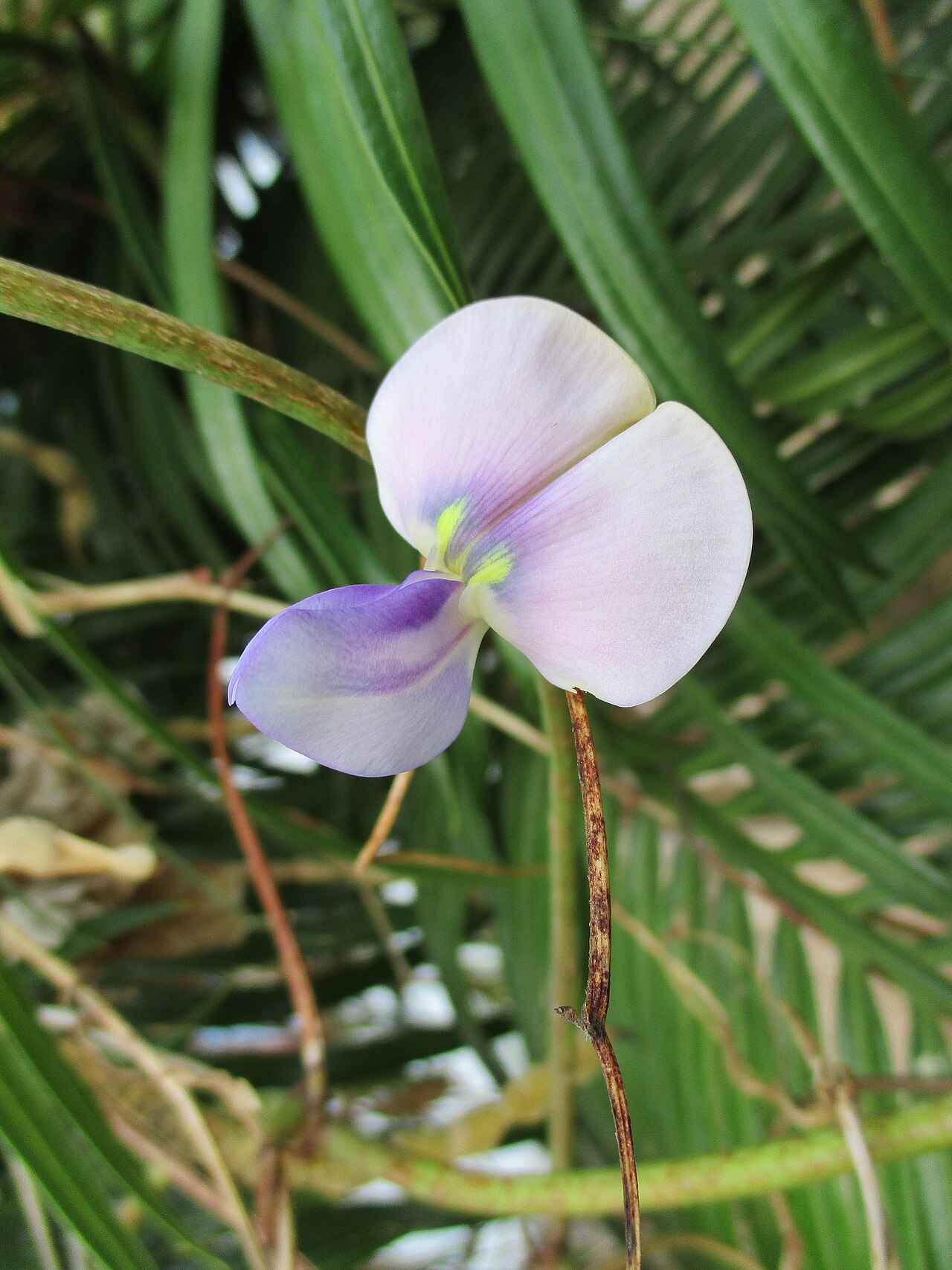
The cowpea (Vigna unguiculata) is an annual herbaceous legume from the genus Vigna, domesticated in Africa and one of the oldest crops to be farmed. Its tolerance for sandy soil and low rainfall has made it an important crop in semiarid regions across Africa and Asia, with most production occurring in Nigeria and Niger.
Scientific classification
- CladeTracheophytes
- CladeAngiosperms
- CladeEudicots
- CladeRosids
- OrderFabales
- FamilyFabaceae
- SubfamilyFaboideae
- GenusVigna
- SpeciesVigna unguiculata
Named by (L.) Walp.
Sources: Wikipedia taxobox: Cowpea (CC BY-SA 4.0)
Where the cowpea has been recorded
Each dot is a place where the species has been observed and reported (23,932 records, half-degree grid) — not a modelled range. 494 inland records left out (institution coordinates).
Map: drawn by Codexery. Data: GBIF occurrence search (records CC0 / CC BY) · Natural Earth basemap (public domain)
Quick Facts
- Genus
- Vigna
- Species
- unguiculata
Facts from the source article.
Lore & Background
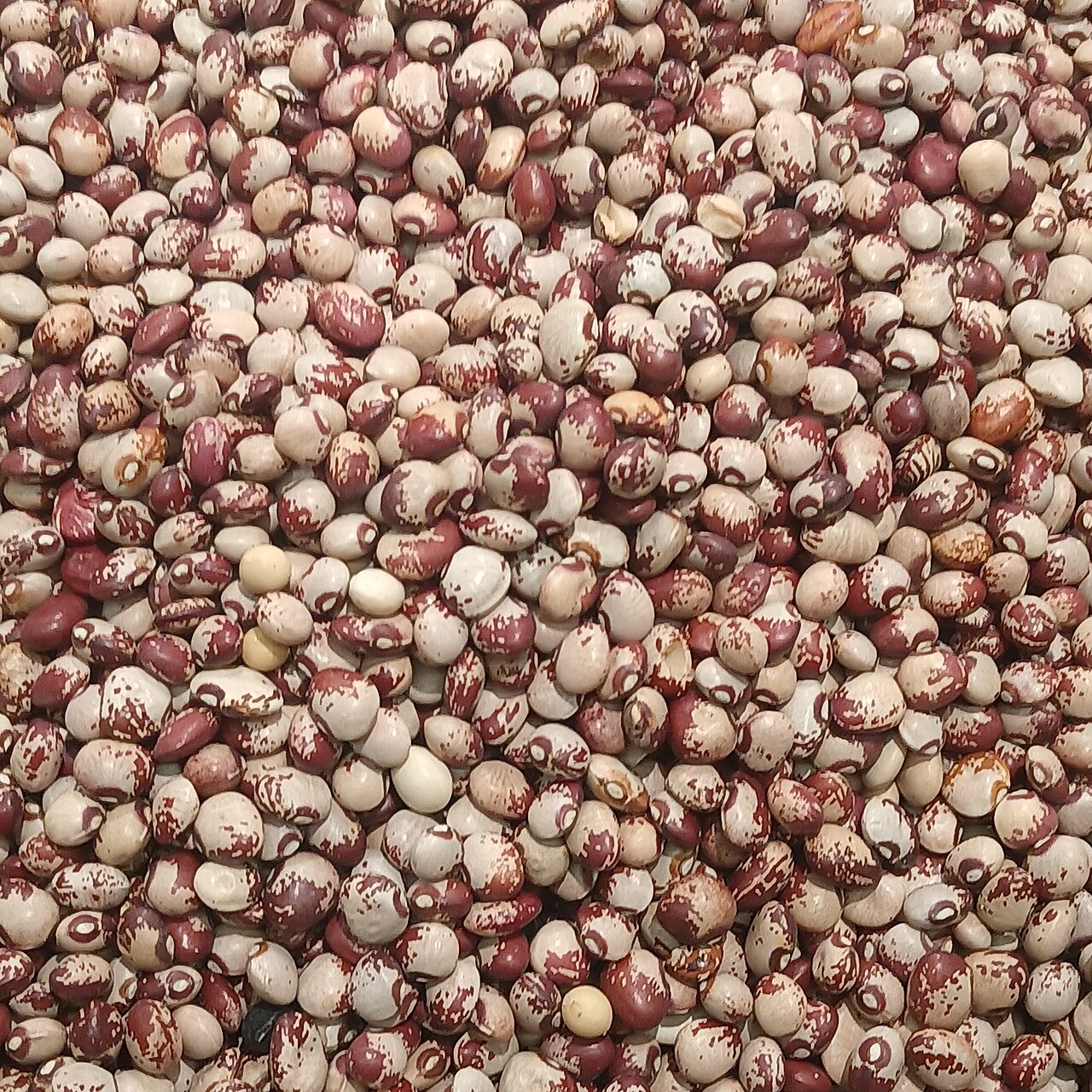
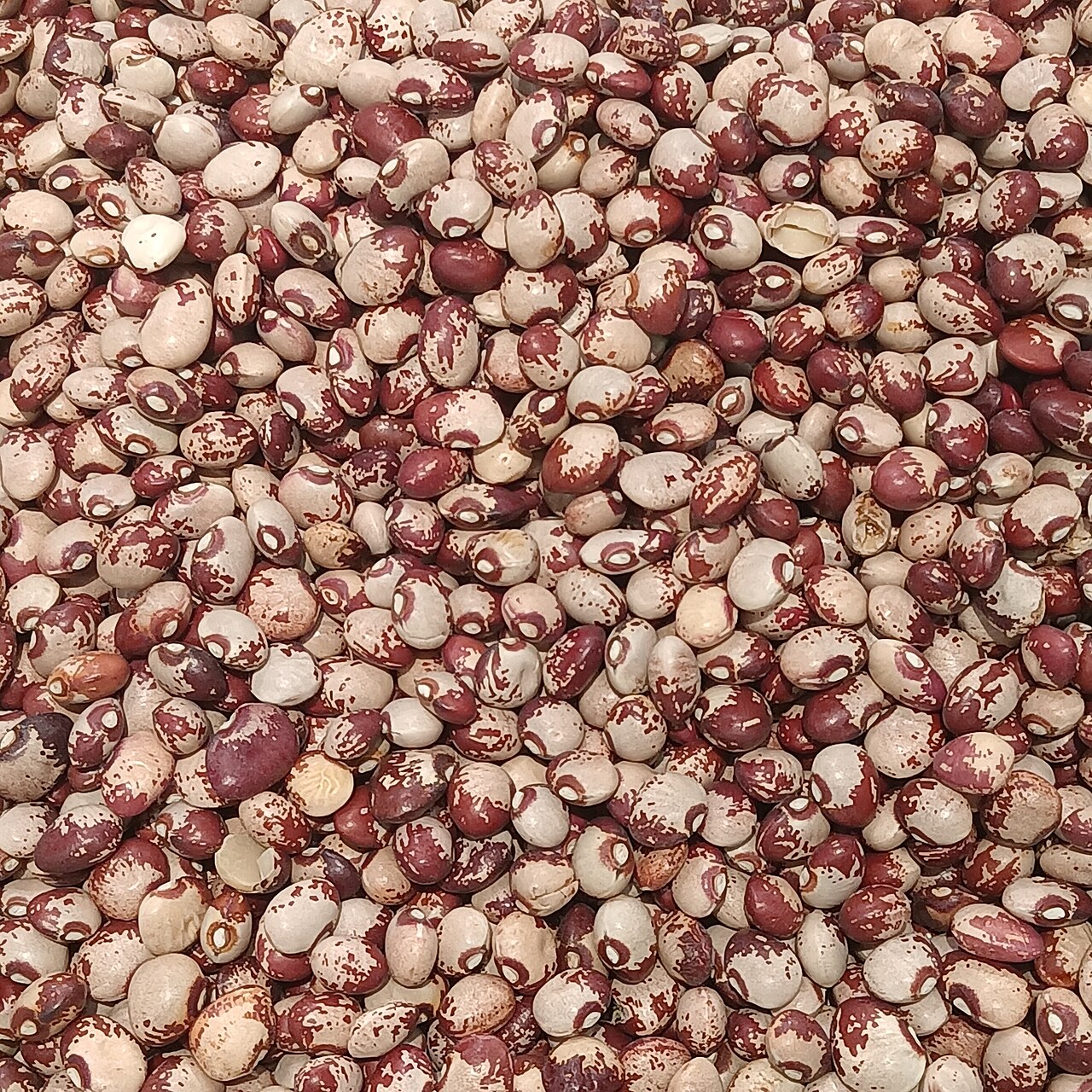
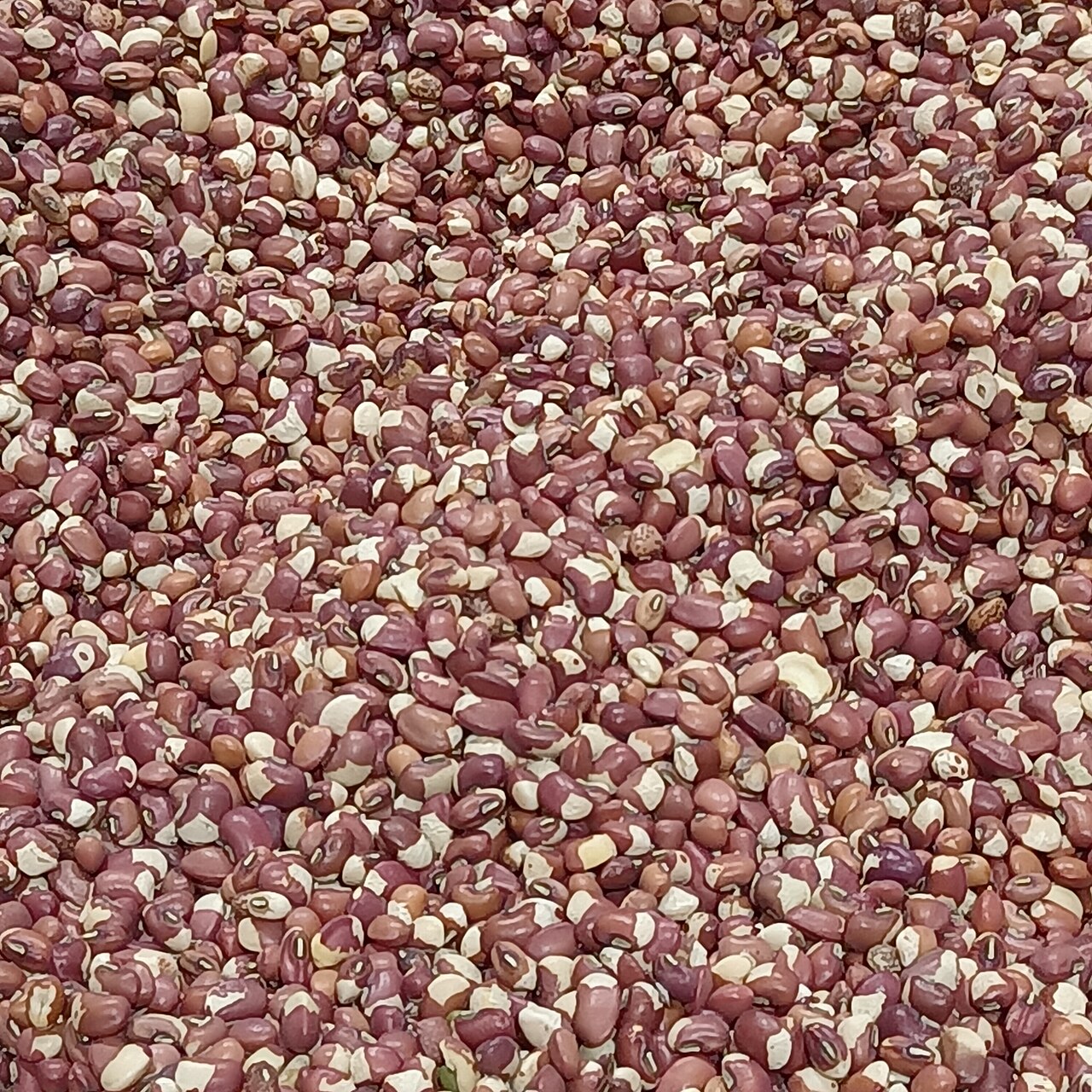
The cowpea exhibits high morphological diversity, with varieties ranging from short bushy plants 20 cm tall to climbing vines reaching 2 m. Its leaves vary greatly in size and shape, and its flowers display shades of purple, pink, yellow, white, and blue. The seeds are typically kidney-shaped and come in colors including white, cream, green, red, brown, and black, often speckled or mottled. Four subspecies are recognized, three of which are cultivated; all cultivated forms fall under V. unguiculata subspecies unguiculata, divided into cultivar groups such as unguiculata (black-eyed pea), biflora, sesquipedalis (yardlong bean), and textilis.
Reader's Guide
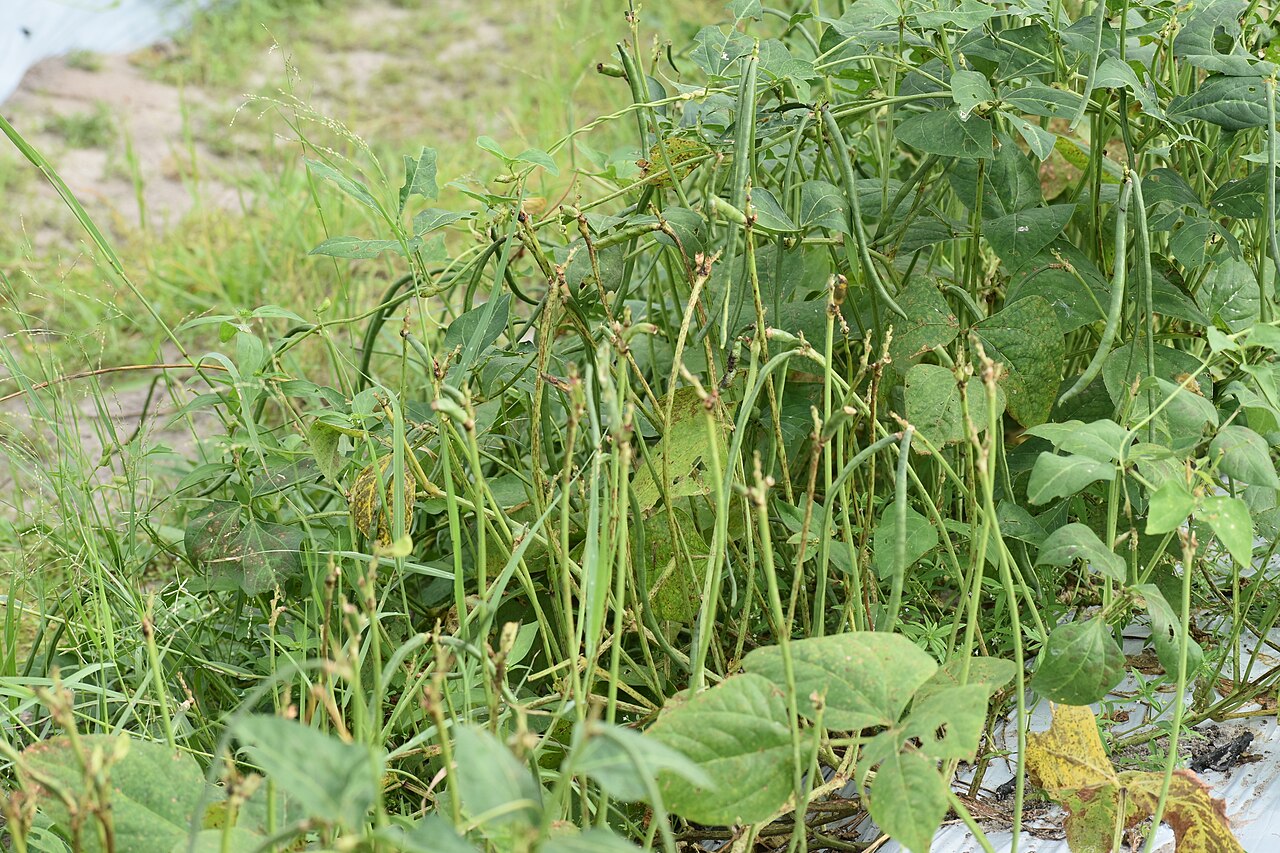
The cowpea's significance lies in its ability to thrive in poor, dry conditions with minimal inputs, making it a crucial crop for resource-poor farmers in the Sahel and other semiarid regions. Its root nodules fix atmospheric nitrogen, enriching the soil and allowing effective intercropping with sorghum, millet, maize, cassava, or cotton. The seeds are high in protein and consumed as stews, curries, flour, or paste; leaves and immature pods are also edible, and the whole plant serves as livestock forage.
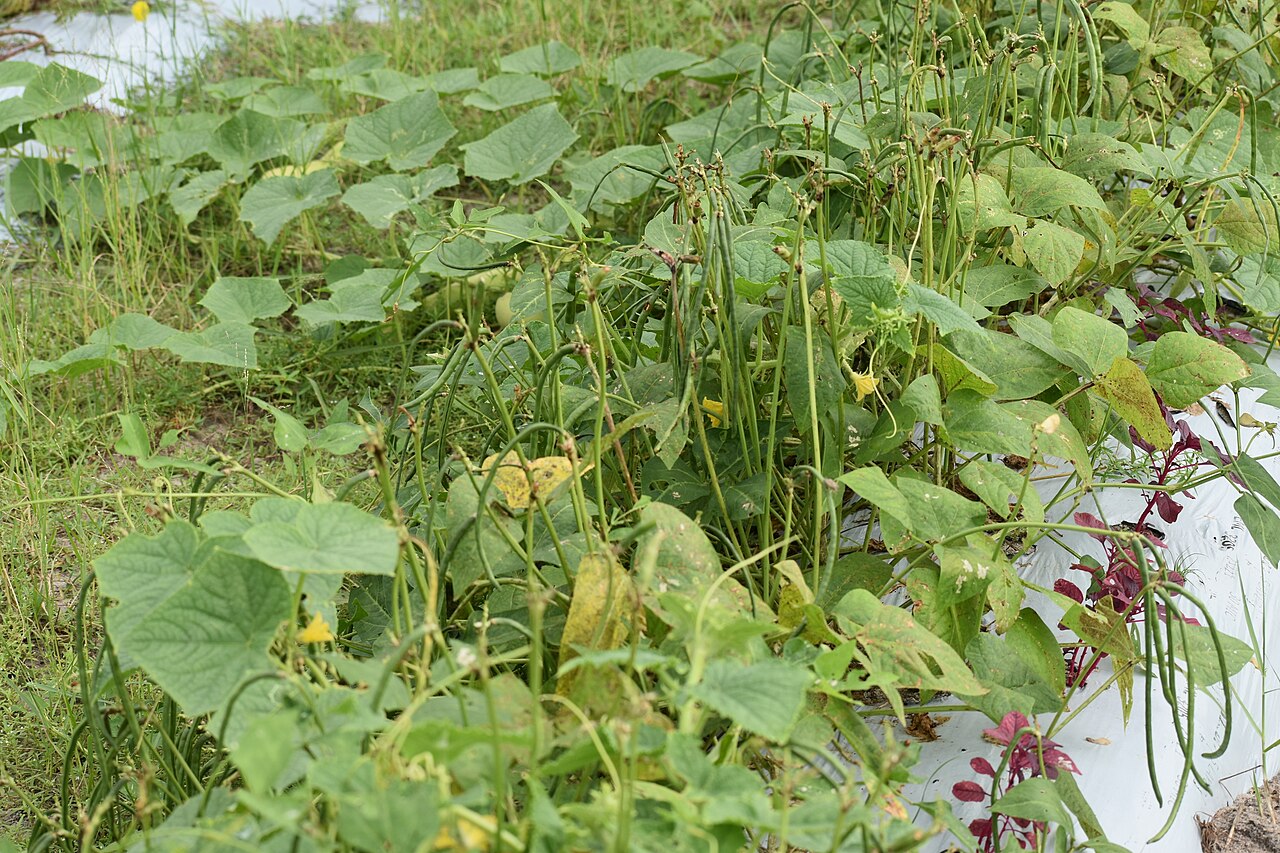
Despite its resilience, insect infestation—particularly by the legume pod borer and cowpea weevil—can cause over 90% yield loss. Traditional and modern storage methods, including the PICS double-bagging system, help mitigate postharvest losses. The crop's domestication history remains uncertain, with competing theories placing the center of origin in West or East Africa, and a secondary domestication event likely occurring in Asia before spread to Europe and the Americas.
Frequently Asked Questions
What exactly is Cowpea?
Cowpea is the common name for Vigna unguiculata, an annual legume plant that humans have been cultivating for thousands of years. It produces edible seeds and pods and belongs to the genus Vigna.
Where did Cowpea originally come from?
Cowpea was first domesticated in Africa, most likely in either the eastern or western part of the continent, making it one of the earliest crops humans began farming.
Which countries grow the most Cowpea?
Nigeria and Niger together account for roughly two-thirds of all global cowpea production, making them the dominant producers by a wide margin.
Also in the Codexery
More in Edible Fruits & Vegetables
Sources
Compiled from Wikipedia and the sources listed below. Text from Wikipedia is available under CC BY-SA 4.0; this entry is adapted from it.
- Wikipedia: Cowpea (CC BY-SA 4.0).
- Occurrence records: GBIF (CC0 / CC BY). Basemap: Natural Earth (public domain).
- Word definitions: the Codexery glossary, each quoted from its Wikipedia article.
Spotted an error? Know more?
Reader corrections go straight into our review queue. Suggest an edit · How this site is sourced