
Kabah (band)
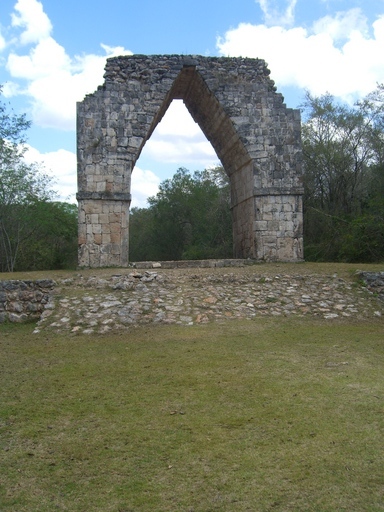
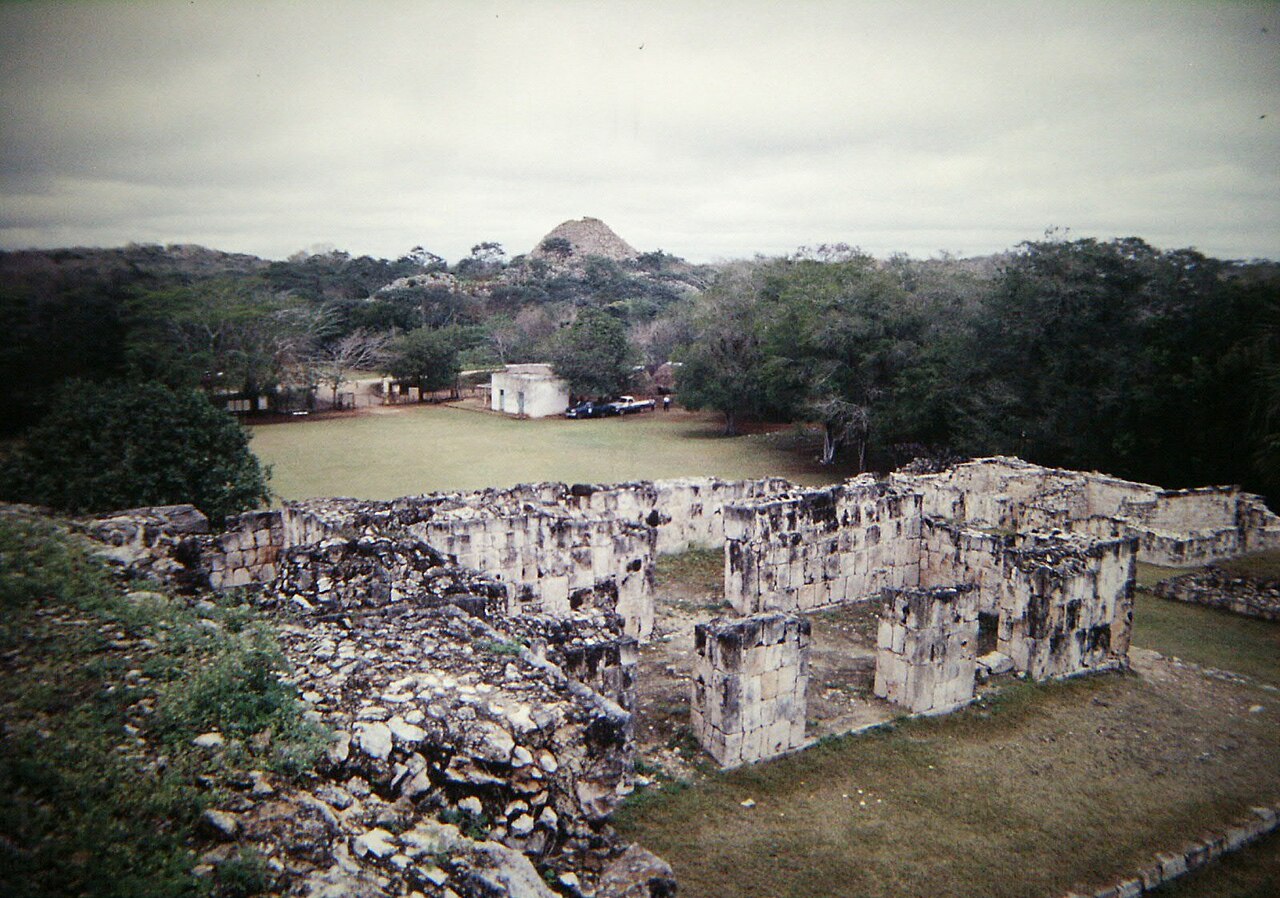
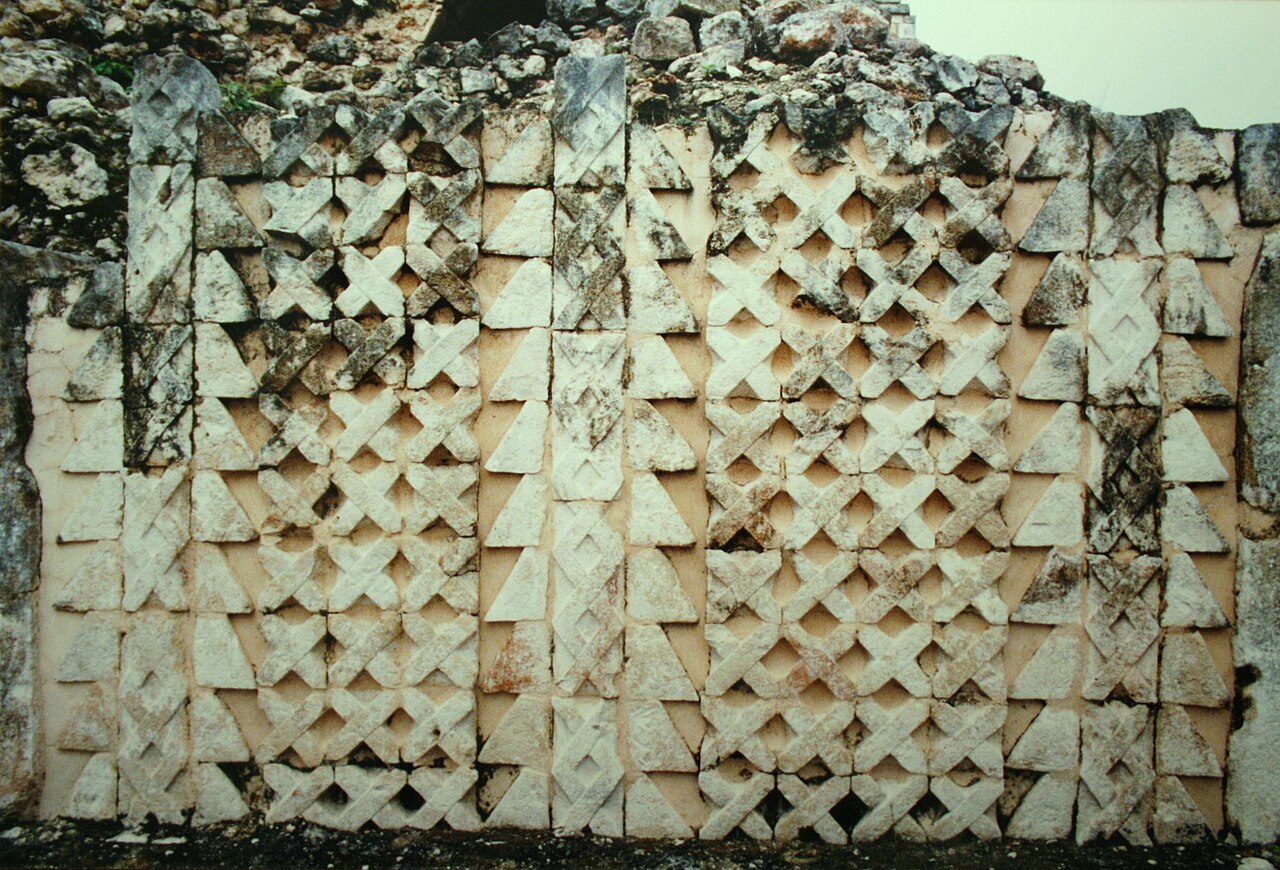
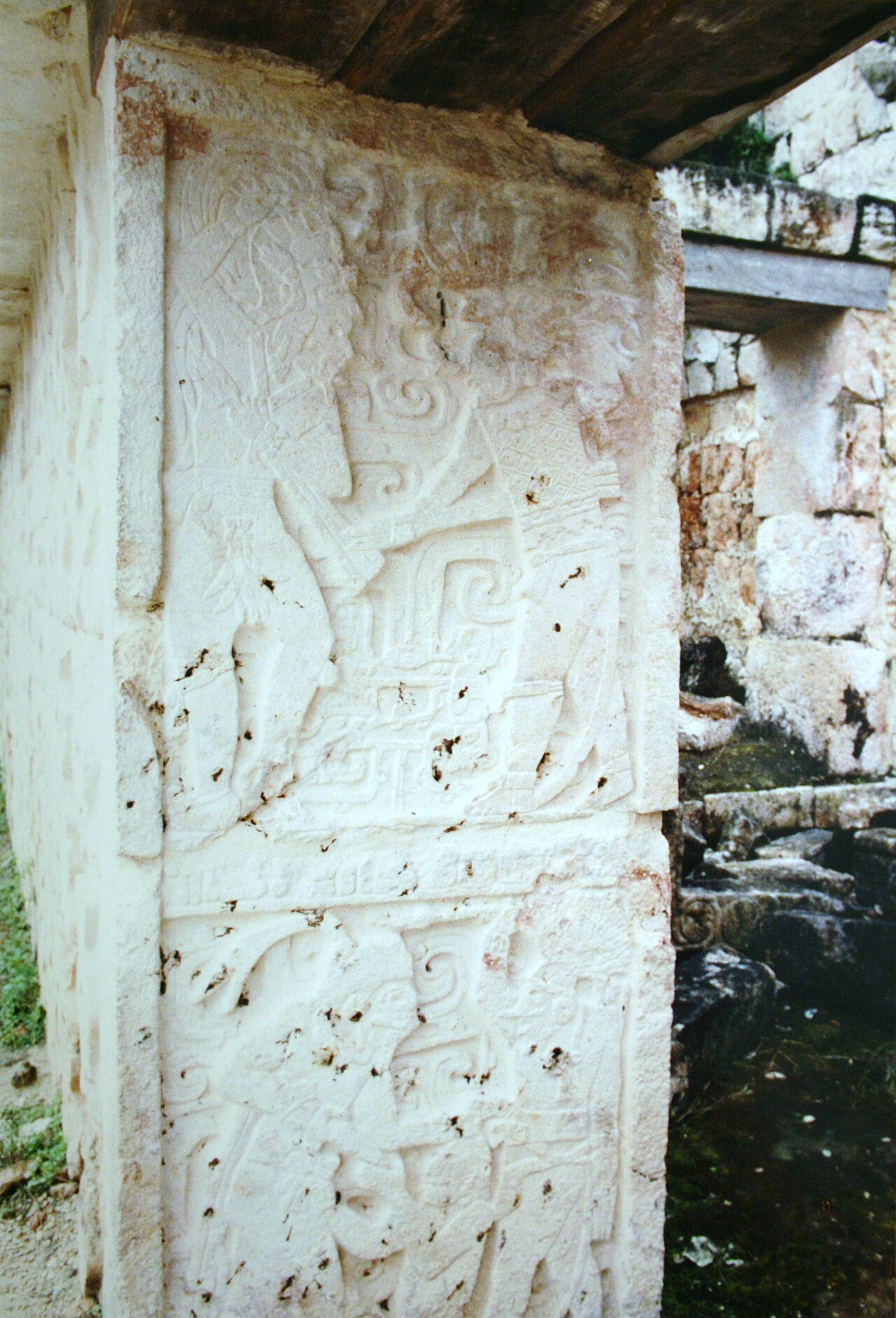
Mexican pop group named after a Maya archaeological site.

Gary Todd · CC0
Kabah was a Mexican pop group formed in Mexico City in 1994 and active until 2005, with a reunion tour in 2015. Named after the Maya archaeological site Kabah, the group achieved popularity in Mexico and Latin America with hits such as 'Vive,' 'Mai Mai,' and 'Amigas y Rivales,' the latter serving as the theme song for a soap opera of the same name.
Quick Facts
- Background
- group_or_band
- Origin
- Mexico City, Mexico
- Genre
- Latin pop / Eurodance
- Years Active
- 1992–2005 · 2015–present
- Label
- Mercury / Rodven / Polygram / Universal / WEA / Warner / Ariola / BMG / BOBO Productions
- Current Members
- Daniela Magún / René Ortiz Martinez / Sergio Ortiz O'Farril / Federica Quijano Tapia / André Quijano Tapia
- Past Members
- Maria José Loyola
Facts from the source article.
Lore & Background
Kabah was formed in 1994 by Federica Quijano and her brother Andrés. Their cousin Sergio O'Farrill joined, followed by neighbor María José, and later friends René and Daniela, bringing the total to six members. After an initial demo tape and a poorly received club performance, they found success by targeting younger audiences, winning the talent show Valores Juveniles with their song 'Encontré El Amor.' Their debut album, Kabah, was released in 1995 and was a success among younger listeners.
Their second album, La Calle de las Sirenas (1996), recorded in Los Angeles, brought international fame. Subsequent albums included Esperanto (1998) and XNE (2000), which featured a darker sound and the soap opera theme 'Amigas y Rivales.' In 2002, they signed with Warner Music and released La Vida Que Va, recorded in Norway. Their final album, El Pop (2005), included acoustic versions of hits and two new songs. A farewell tour ended on December 31, 2005, in Acapulco.
In 2015, Kabah reunited with OV7 for the OV7 Kabah Tour, playing over 60 shows in more than 20 cities across Mexico. They later participated in the 90's Pop Tour (2018–2019) alongside other groups. In 2020, a subunit called Rainbow Tour, consisting of Kabah and JNS, was announced for concert events in Mexico.
Reader's Guide
Kabah was a significant force in Mexican pop music during the 1990s and early 2000s, appealing primarily to younger audiences. Their success was built on catchy pop songs and strategic television exposure, including winning the talent show Valores Juveniles and providing the theme song for the soap opera Amigas y Rivales. The group's ability to adapt their sound—from the lighter pop of their early albums to the darker conceptual approach of XNE—demonstrated their versatility. Their 2015 reunion tour with OV7 proved their enduring popularity, drawing large crowds across Mexico and Latin America. Beyond music, individual members pursued diverse careers: María José released a solo album, Federica Quijano entered politics as a deputy, and others worked in television, design, and charity. Kabah's legacy lies in their contribution to the Latin pop landscape of the era and their role in defining a generation's musical tastes in Mexico.
Did You Know?
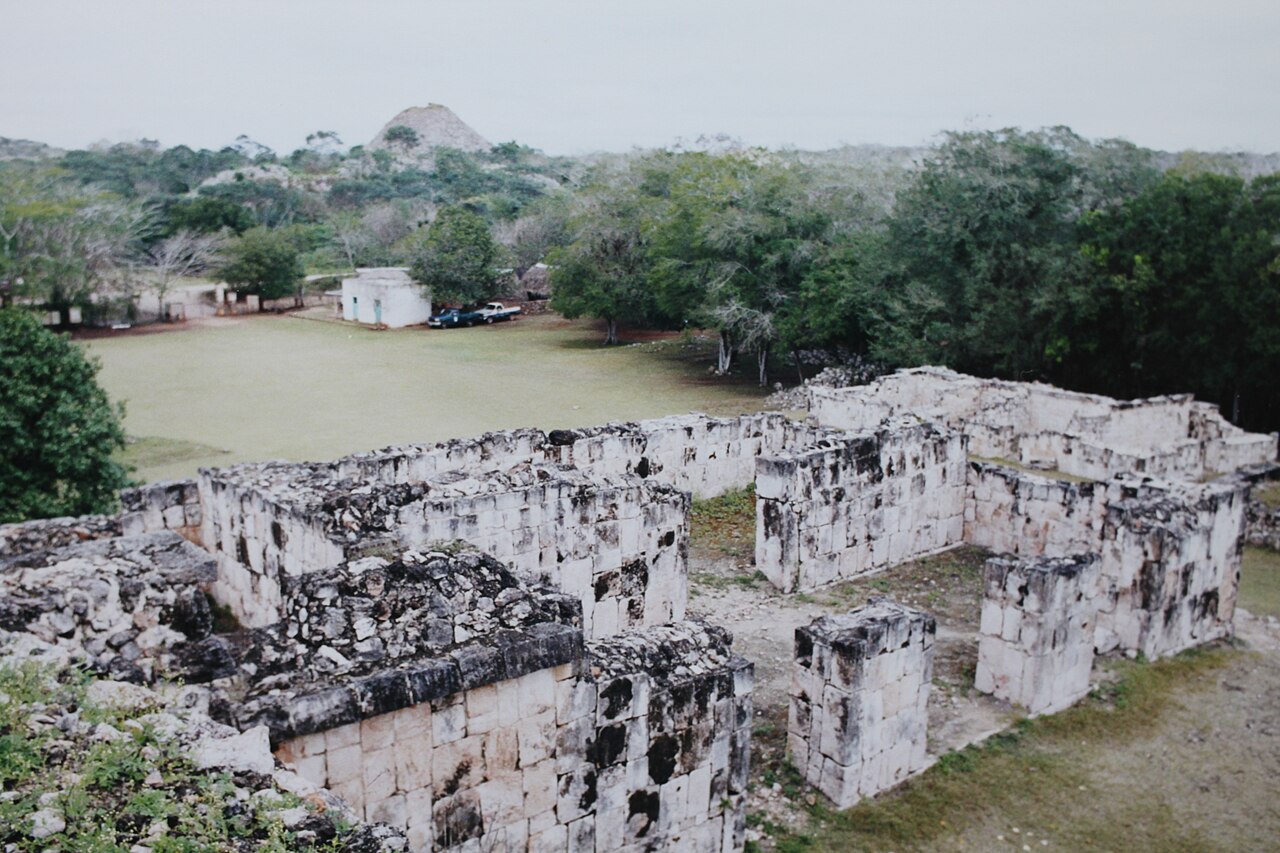
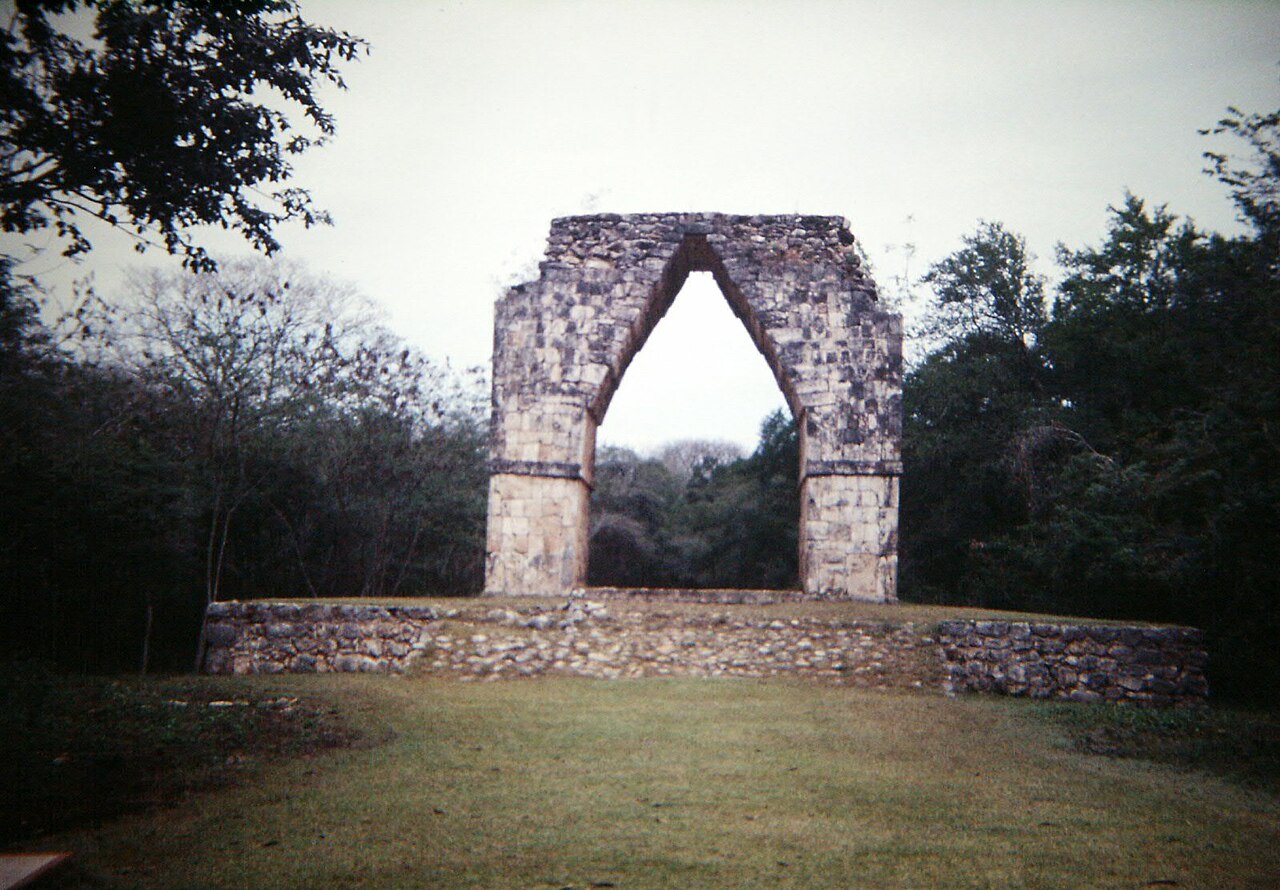
- Kabah was named after a Maya archaeological site.
- Their song 'Amigas y Rivales' was the theme song for a Mexican soap opera of the same name.
- Federica Quijano appeared on the cover of Penthouse magazine in February 2007.
- The group's final show before disbanding was on December 31, 2005, on the bay of Acapulco, Mexico.
Formation and the Road to Debut
Kabah was born in 1992 in Mexico City when Federica Quijano and her brother André decided to form a group. Their cousin Sergio O'Farrill joined next, followed by their neighbor and friend María José. To match the four-member pop trend of the era, they added longtime friends René and Daniela, settling on a six-person lineup. Their early days were humbling: a cover of The Party's "Encontré El Amor" and an original called "Somos Tan Differentes" became a two-track demo recorded at Gil Brothers studios. When they performed live at a popular club, the crowd booed them off the stage. A second attempt at a kindergarten where Federica worked as a teacher's assistant proved revelatory—they remade their songs with a child-friendly feel and realized younger audiences were their natural crowd. Rejections from producers like Cha, Claudio Yarto, and Aleks Syntek followed, until Federica stumbled upon a Televisa phone number and called Luis de Llano. He suggested they prepare for the talent show Valores Juveniles, and they signed a one-album deal with Polygram. Their debut album, released in 1994, contained four self-written tracks, won the talent show, and earned them a devoted young following.
International Breakthrough and Sonic Evolution
The commercial success of their 1994 debut convinced Polygram to extend their contract to two additional albums. The second, La Calle de las Sirenas, was recorded in Los Angeles and released in 1996, opening doors that propelled the group onto the international stage. By 1998, their third release Esperanto sold a remarkable 100,000 copies in its first week alone, driven by singles like "Mai Mai," "Una Ilusión," and the title track. The group's sound continued to evolve: 2000's XNE pushed them toward a more conceptual image and a noticeably darker sonic palette. That album also produced "Amigas y Rivales," which became the theme song for the Mexican soap opera bearing the same name, embedding the track into the daily lives of telenovela viewers across the country. By this point, Kabah had established a catalog of memorable hits—including "Vive," "Te Necesito," "Al Pasar," "Antro," "Estaré," and "Casi al Final"—that defined the Mexican pop landscape of the late nineties and early two-thousands.
Final Albums and the Acapulco Farewell
In 2002, Kabah shifted labels to Warner Music and embraced a lighter, more accessible sound. Their fourth album, La Vida Que Va, was recorded in Norway under the production of Ole Evenrude, marking a geographic and stylistic departure from their earlier work. The following year brought La Vuelta al Mundo, and in 2005 the group released what would be their final studio album, El Pop. That record offered acoustic reworkings of several fan-favorite tracks alongside two brand-new songs, serving as a reflective capstone to their catalog. The album was followed by a farewell tour that swept across North America, culminating in a deeply symbolic final concert on December 31, 2005, on the bay of Acapulco, Mexico. The choice of location and date—ringing in the new millennium's mid-point on the shores of a beloved Mexican beach—gave the closing performance a sense of poetic finality. For over a decade, Kabah would remain a memory, their name tied to the Maya archaeological site that inspired it, until the reunion announcement in late 2014.
Reunions and Life Beyond the Spotlight
Late in 2014, Kabah announced a reunion tour alongside OV7, and the 2015 OV7 Kabah Tour became a major success across Mexico and Latin America, with over 60 shows spanning more than 20 Mexican cities. The live recording OV7 Kabah en Vivo was released on August 21, 2015. The momentum carried into 2018 and 2019 with the 90's Pop Tour, a world concert featuring OV7, JNS, Magneto, Calo, Mercurio, and The Sacados. In early 2020, the group signed with BOBO Production, and by March a sub-unit called Rainbow Tour—combining all Kabah members with JNS—launched its own Instagram page and began promoting concerts in Mexico. Meanwhile, the members built diverse lives beyond the band: María José released a solo album in 2007; Federica starred in the 2008 film Pamela por Amor, founded La Gotera Producciones to mentor young musicians, hosted the Exa TV show KIU, and in 2021 joined the Mexican Chamber of Deputies representing the Ecologist Green Party; Daniela became co-host of Pepsi Chart Mexico and spokeswoman for the HIV/AIDS charity Mexico Vivo; Sergio pursued design, skydiving, and his solo project Moroccoblu; and André joined the reality show La Casa de los Famosos.
Gallery
Frequently Asked Questions
Who is Kabah (band)?
Kabah is a Mexican pop vocal group that was put together in Mexico City in 1994. They went on to become a well-known act across Mexico and much of Latin America before their initial run ended in 2005.
What are Kabah's most famous songs?
Their biggest charting tracks include 'Vive,' 'Mai Mai,' and 'Amigas y Rivales.' The last of those is especially recognizable because it was used as the theme song for a telenovela sharing the same title.
Why is the group called Kabah?
The name is a direct reference to Kabah, a Maya archaeological site in the Yucatán Peninsula. The band chose it as a nod to Mexican heritage rather than using a generic pop-style name.
When was Kabah active and did they come back together?
Their original period of activity spanned from 1994 to 2005. They later reunited for a tour in 2015 and have been active again from 2018 onward.
Why is Kabah considered important in Latin pop history?
They helped define the sound of mid-'90s Mexican pop and carried their music into mainstream Latin American television through a telenovela soundtrack. Their longevity—spanning over two decades with a reunion—also made them a lasting fixture in the region's pop landscape.
More in Co-ed groups 1-22
Spotted an error? Know more?
Reader corrections go straight into our review queue. Suggest an edit · How this site is sourced