Enheduanna
Earliest known named author in world history.
Last updated

Mefman00 · CC0
Enheduanna was the high priestess of the moon god Nanna in the Sumerian city-state of Ur during the reign of her father, Sargon of Akkad. Her father, the founder of the Akkadian Empire, likely appointed her to this role to strengthen ties between his own Akkadian religion and the native Sumerian religion.
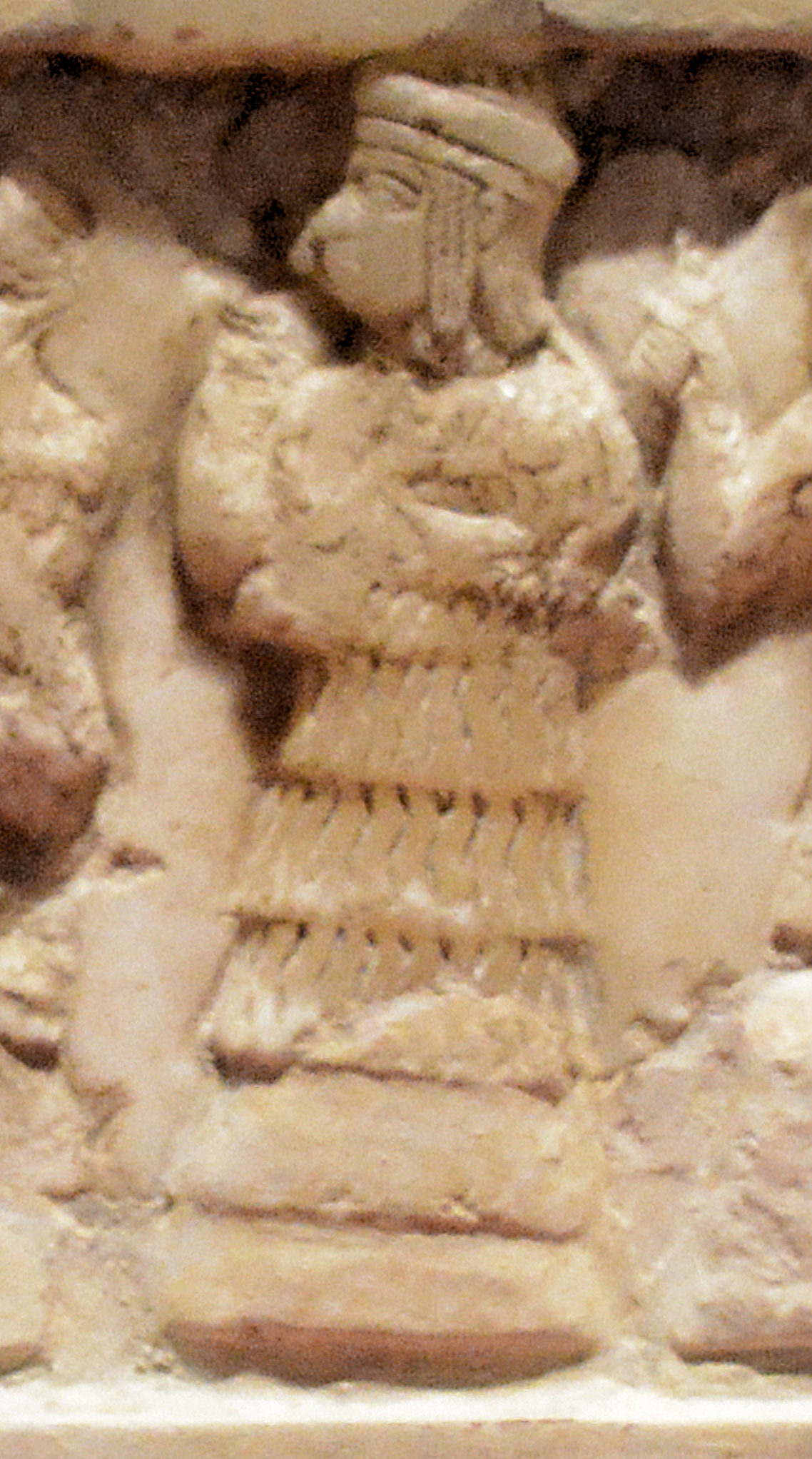
Scholars suggest the position of high priestess already existed before her, and her appointment helped forge a syncretic blend of the two faiths. After her, the role continued to be held by members of the royal family. The high priestess of Nanna would have embodied Ningal, the spouse of Nanna, giving her actions divine authority, though archaeologists have found no definitive information about her specific duties.
Attributed works
A number of Sumerian literary works, such as the Exaltation of Inanna, feature Enheduanna as a first-person narrator, and others, like the Sumerian Temple Hymns, may identify her as their author. However, modern Assyriologists debate this attribution on linguistic and archaeological grounds. The only surviving manuscripts of these works were written by scribes six centuries after her lifetime, during the First Babylonian Empire, and in a more recent dialect of Sumerian than she would have spoken. These scribes may have attributed the works to her as part of later legendary narratives about Sargon’s dynasty.
Rebellion of Lugal-Ane
Toward the end of the reign of Sargon’s grandson, a rebellion occurred. A ruler named Lugal-Ane came to power in Ur and demanded that Enheduanna confirm his authority.
She refused and was expelled from the city, finding refuge in Ĝirsu. In exile, she composed a song meant to persuade the goddess Inanna to intervene for the Akkadian empire. The rebellion was eventually put down, and Enheduanna likely returned to her office.
Archaeological artifact
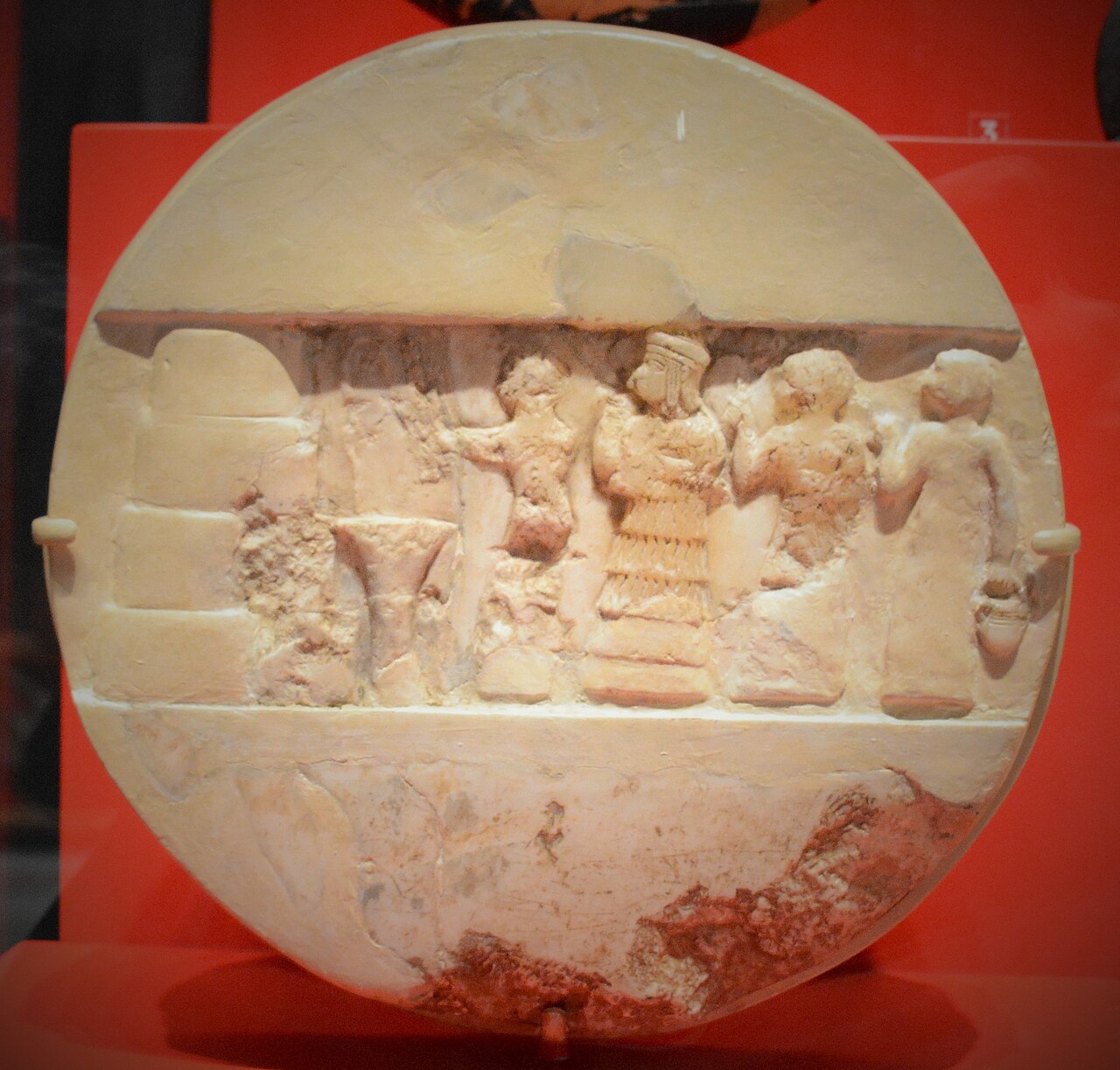
Her existence was rediscovered in 1927 when Sir Leonard Woolley excavated the Giparu at Ur and found an alabaster disk bearing her name, her father’s name, and her title. This discovery initiated investigation into her potential authorship. Her rediscovery has attracted considerable attention in modern scholarship and feminism, and her attributed works have been studied as an early example of classical rhetoric.
Background
Enheduanna was the high priestess of the moon god Nanna in the Sumerian city-state of Ur, appointed by her father, Sargon of Akkad. She is celebrated as the earliest known named author in world history. A number of Sumerian literary works, such as the Exaltation of Inanna, feature her as a first-person narrator, and others, like the Sumerian Temple Hymns, may identify her as their author.
However, modern Assyriologists debate whether she actually composed these works, as the only surviving manuscripts were written by scribes six centuries after her lifetime, in a later dialect of Sumerian. These scribes may have attributed the works to her as part of legendary narratives about Sargon’s dynasty. Her existence was rediscovered in 1927 when Sir Leonard Woolley excavated an alabaster disk at Ur bearing her name, her association with Sargon, and her priestly title.
References to her name later appeared in excavated Sumerian literature, prompting investigation into her authorship. Enheduanna’s rediscovery has attracted scholarly debate regarding her status as the first known named author, and she has received considerable attention in feminism and studies of early rhetoric. English translations of her attributed works have inspired literary adaptations.
Frequently Asked Questions
What works are attributed to Enheduanna?
The texts most commonly linked to her are the Exaltation of Inanna and a set of Sumerian Temple Hymns. These pieces praise deities and describe sacred sites across the Sumerian world, and they are the primary reason she is remembered as a poet.
What was Enheduanna's role in Sumerian society?
Holding the title of entu made her the highest-ranking priestess of Nanna in Ur, a position that blended religious authority with royal prestige. Because she was also the daughter of the Akkadian king Sargon, her role sat at the crossroads of temple power and the emerging Akkadian empire.
Do scholars agree that Enheduanna personally composed her attributed texts?
Modern researchers debate whether she actually wrote the poems and hymns bearing her name or whether later scribes composed them in her honor. Regardless of that question, her name remains the earliest known instance of a human being credited as an author.
More in Classical & Medieval Poets
Sources
Compiled from Wikipedia and the sources listed below. Text from Wikipedia is available under CC BY-SA 4.0; this entry is adapted from it.
- Wikipedia: Enheduanna (CC BY-SA 4.0).
Spotted an error? Know more?
Reader corrections go straight into our review queue. Suggest an edit · How this site is sourced