Fujiwara no Shunzei
Late Heian poet, compiler of the Senzai Wakashū, and master of yugen.
Last updated

Daderot · CC0
Fujiwara no Shunzei (1114–1204) was a Japanese poet, courtier, and Buddhist monk of the late Heian period. He was also known by his monastic name Shakua (or Shakuagaku) and when younger as Akihiro (later Toshinari). He was noted for his innovations in the waka poetic form and compiling the Senzai Wakashū, the seventh imperial anthology of waka poetry.
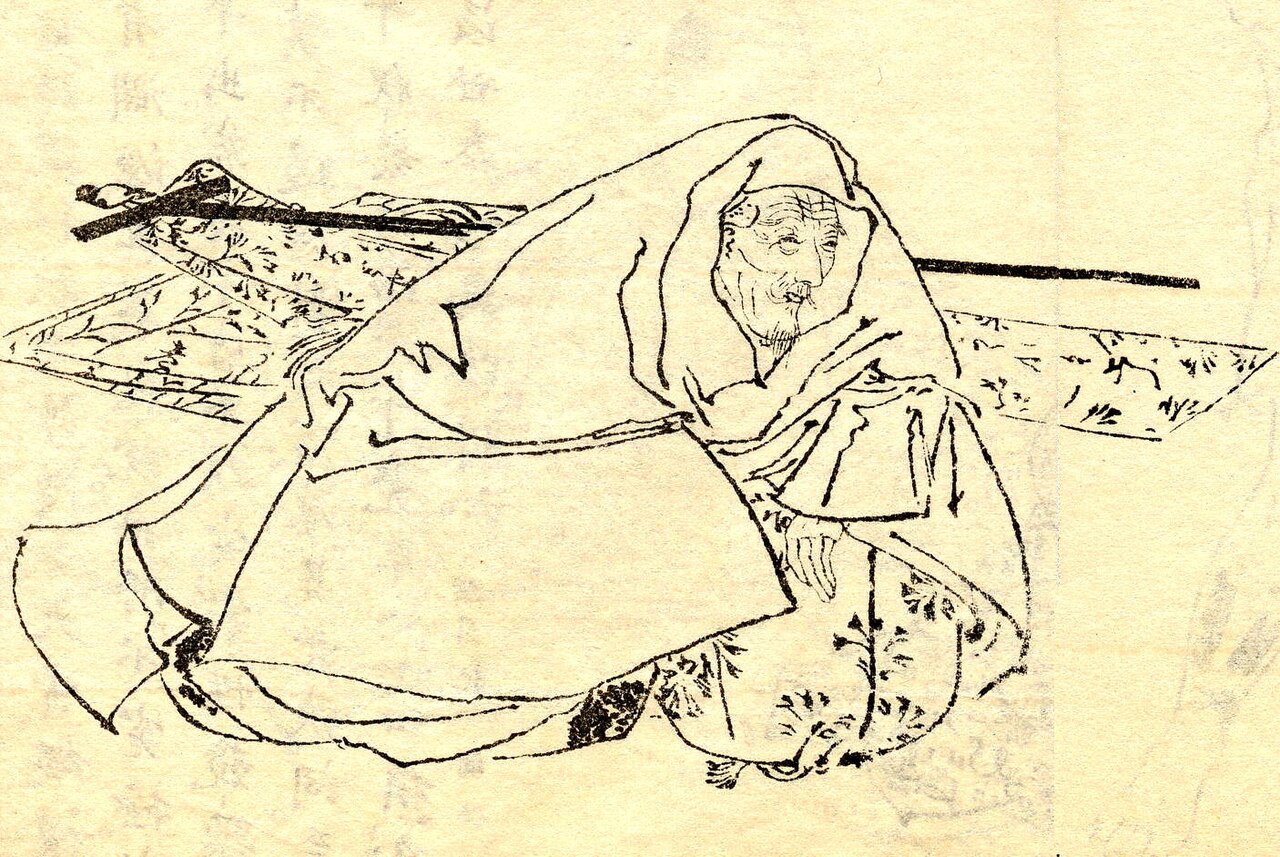
Background
Shunzei was born in 1114, a descendant of Fujiwara no Michinaga and son of a member of the Fujiwara clan. His father died when he was ten, and he was adopted by Akiyori, taking the name Akihiro. In 1167, at age 53, he returned to his birth house and took the name Toshinari (Shunzei being the Sino-Japanese reading). He attained the post of Kōtai Gōgū-daibu and held Senior Third Rank.
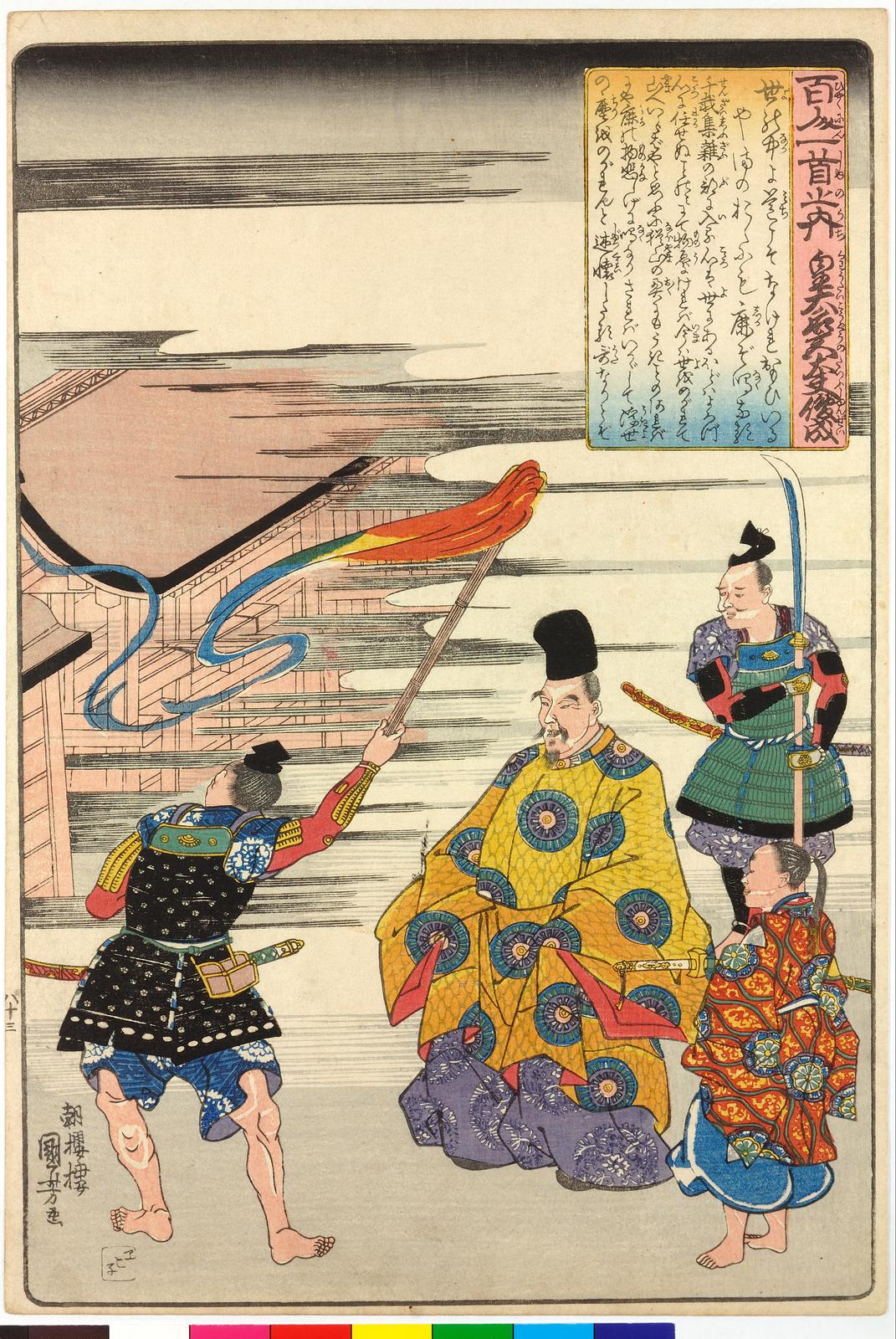
Commissioned in 1183 by Retired Emperor Go-Shirakawa to compile the Senzai Wakashū, he worked during the Genpei War. Taira no Tadanori once ventured into enemy territory to ask Shunzei to include his poem; Shunzei included it but attributed it to 'Anonymous'. Shunzei took Buddhist vows in 1176, adopting the dharma name Shakuagaku or Shakua. He died on December 22, 1204, at age 90.
More in Classical & Medieval Poets
Sources
Compiled from Wikipedia and the sources listed below. Text from Wikipedia is available under CC BY-SA 4.0; this entry is adapted from it.
- Wikipedia: Fujiwara no Shunzei (CC BY-SA 4.0).
Spotted an error? Know more?
Reader corrections go straight into our review queue. Suggest an edit · How this site is sourced