Jinzhou
Strategic coastal city in Liaoning, site of key Civil War battles.

亀井玆明 · Public domain
Jinzhou, once called Chinchow, is a coastal city in central-west Liaoning, China. It sits in the Liaoxi Corridor, a strategic passage handling most land traffic between North China and the northeast, and acts as western Liaoning’s economic hub. On the northern coast of Liaodong Bay, it has a coastline and hosts China’s northernmost seaport. With a 2020 census population of 2,703,853, it is Liaoning’s fifth-most populous city; its built-up area, covering three urban districts and conurbated Linghai City, holds 1,524,362 people. Most of its jurisdiction is rural.
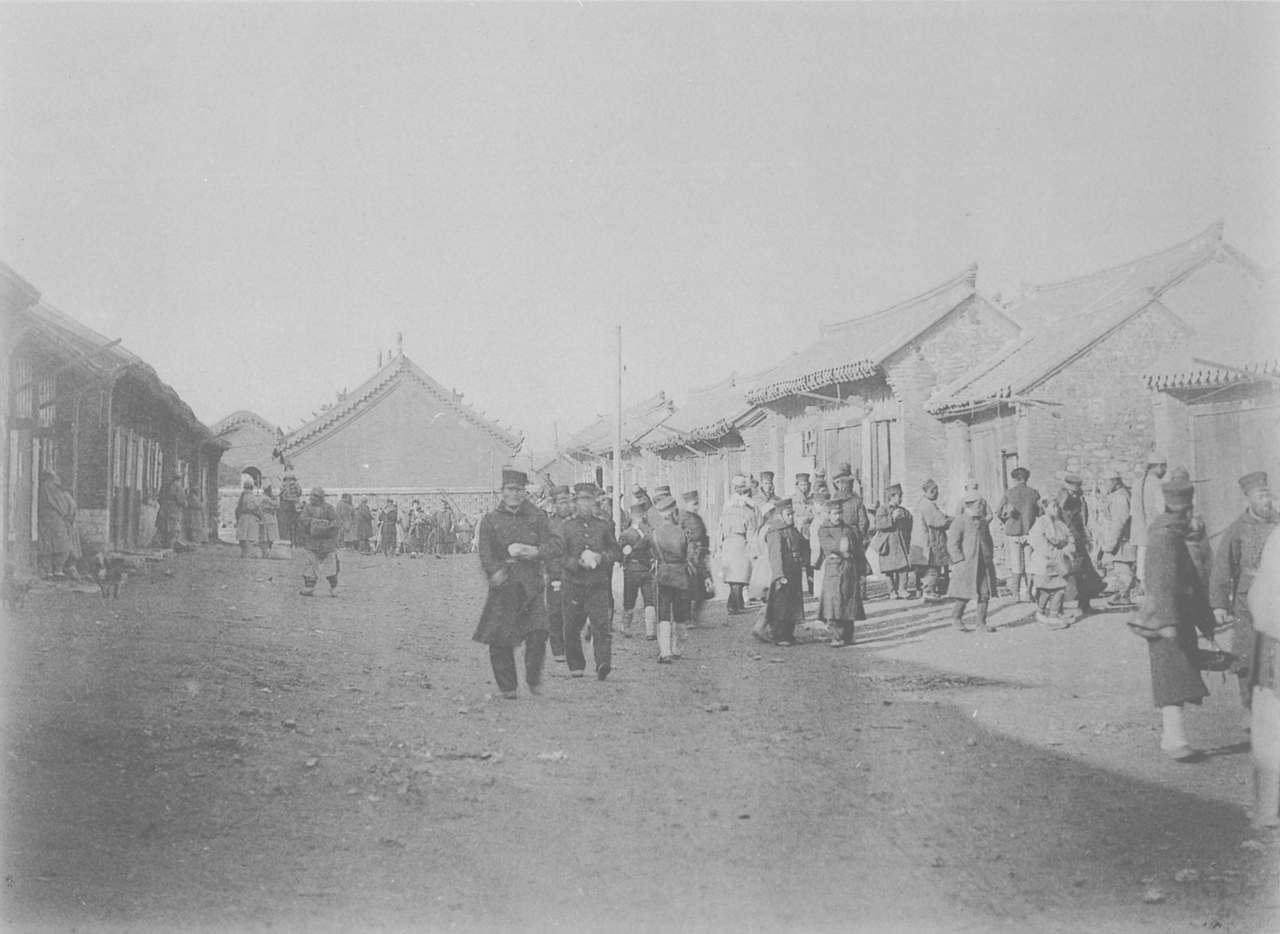
The city has over a thousand years of history. Originally Tuhe, it belonged to Yan during the Warring States period. Under Qin, most of the area became part of Liaodong Commandery. It was in Changli Commandery (Youzhou) during Han and the Three Kingdoms, then under Yingzhou in the Beiwei, Dongwei, and Beiqi periods, later part of Liucheng Commandery and Yan Prefecture under Sui and Tang. During Tang, it housed the Andong Protectorate. The name Jinzhou appeared in the Liao dynasty, when it was part of Zhongjing prefecture. In the Jin dynasty, it belonged to Dongjing and Beijing prefectures. Under the Mongol Yuan, it was in Liaoyang Xingzhongshu; under Ming, in Liaodong township. During Qing, ruled by Tianfu, its name changed from Jinzhou to Jinxian. It was also known in English as Chinhsien and Chinchow.
In the Republican period, Jinzhou was part of Liaoning Province. When the Chinese Civil War resumed in 1945, a major battle occurred here because the main route from Manchuria through Shanhai Pass enters central China. Nationalist forces under Du Yuming captured it on 22 November 1945, forcing the Communists into a temporary ceasefire. During the Liaoshen campaign, refugees tried to flee south to the city, but the Republic of China Army, under Chiang Kai-shek’s orders, shot at them crossing the Daling River 30 kilometers north. Communists under Lin Biao captured the city in September 1948. After the People’s Republic was founded in 1949, Jinzhou became capital of Liaoxi Province, then returned to Liaoning Province in 1954 when Liaoxi and Liaodong merged.
Jinzhou lies in southwestern Liaoning, bordering Panjin, Anshan, and Shenyang to the east, Huludao to the west, Liaodong Bay to the south, and Chaoyang and Fuxin to the north. It has a monsoon-influenced humid continental climate (Köppen Dwa) with four distinct seasons: cold, dry winters and hot, humid summers. The monthly average temperature ranges from [low] to [high] in July, with an annual mean of [value]. Annual precipitation averages between [range], mostly in July and August. Monthly sunshine ranges from 45% in July to 68% in three months, totaling 2,682 hours annually, with autumn and winter especially sunny. Fossil-bearing rocks, including the Yixian Formation, are exposed nearby. A genus of Early Cretaceous birds, Jinzhouornis, was named after the locality but is likely a junior synonym of Confuciusornis.
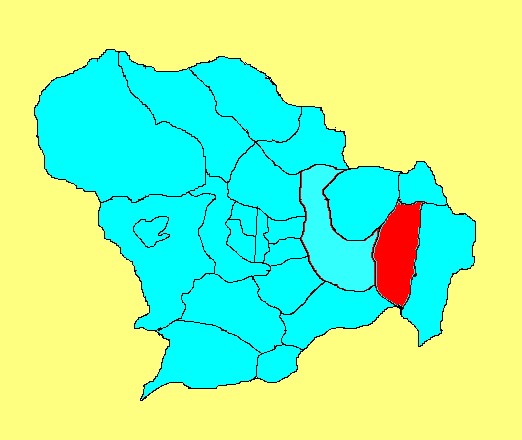
Jinzhou administers eight immediate sub-municipal divisions, subdivided into 43 towns, 69 townships, and 1,680 villages. Its economy includes petrochemistry, metallurgy, textiles, pharmacy, and building materials. The Jinzhou Economic and Technical Development Zone, established in 1992, is a province-level zone with access to the seaport, airport, and state highways. Western franchises like KFC are present; RT-Mart, New-Mart, and Do-Do Express are major retailers. Bank of Jinzhou is the only bank with native English-speaking staff; Western Union, Bank of China, and others operate in the city. Visa and MasterCard are not widely accepted, except at a few large bank branches.
Jinzhou Jinzhouwan Airport connects to major Chinese airports. Two railway stations serve long and short routes. Walking and cycling are common; taxis start at 6 RMB per trip. Bus routes cover the city but are not always reliable. Jinzhou is headquarters of the 40th Group Army of the People’s Liberation Army.
- coastline
- 97.7 km
- climate
- Monsoon-influenced humid continental (Köppen Dwa)
- annual_mean_temperature
- 9.50 °C
- known_for
- Strategic location in Liaoxi Corridor, Liaoshen Campaign, Port of Jinzhou
Lore & Background
Jinzhou is an ancient city with over a thousand years of history, originally known as Tuhe during the Warring States period. It was part of various commanderies and prefectures under successive dynasties, including the Qin, Han, Tang, Liao, Jin, Yuan, Ming, and Qing. The name 'Jinzhou' came into use during the Liao dynasty, and it was later known as Jinxian under the Qing. During the Republican period, it was attached to Liaoning Province. Jinzhou is also known for its fossil-bearing rocks, including the Yixian Formation, which yielded the Early Cretaceous bird genus Jinzhouornis (possibly a junior synonym of Confuciusornis).
Reader's Guide
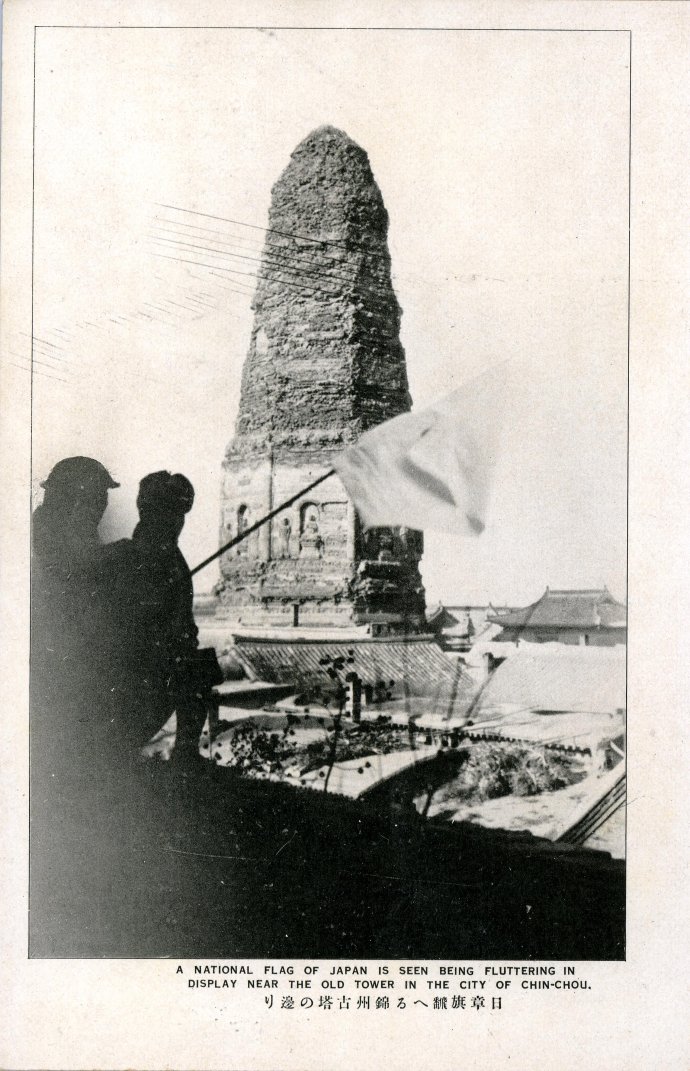
Jinzhou's significance lies in its strategic geographic position within the Liaoxi Corridor, controlling land transport between North China and Northeast China. This made it a critical military objective during the Chinese Civil War, particularly in the Liaoshen Campaign, which helped the Communists consolidate control of Northeast China. Economically, Jinzhou is the economic center of western Liaoning, with industries including petrochemistry, metallurgy, textiles, pharmacy, and building materials. The city also has a notable night market on Nanning Street, popular for snacks and activities. Culturally, Jinzhou is home to landmarks such as the Guangji Pagoda, a 72-meter-tall Liao-style octagonal tower, and Mount Bijia, an island accessible by a natural causeway at low tide. Yiwulü Mountain, one of the three sacred mountains in Northeast China, is located in Beizhen City.
Did You Know?
- The Port of Jinzhou is China's northernmost seaport, located on the northern shore of Liaodong Bay.
- During the Liaoshen Campaign, refugees trying to cross the Daling River were shot at by Nationalist troops under orders from Chiang Kai-shek.
- The Guangji Pagoda in Jinzhou is a 72-meter-tall Liao-style octagonal tower with thirteen levels.
Geographic Setting & Administrative Role
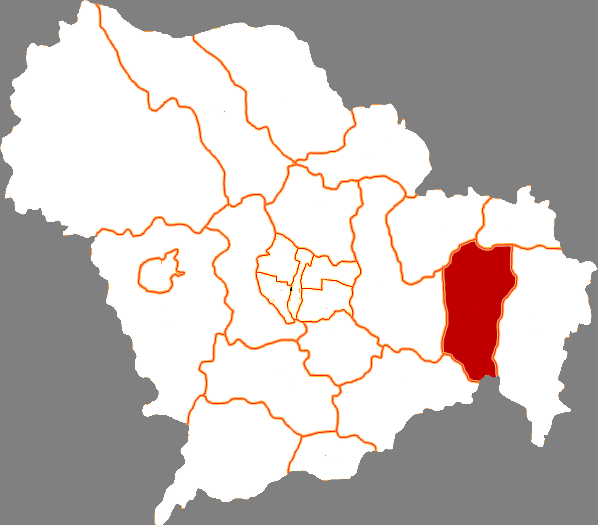
Jinzhou District sits north of downtown Dalian, the major prefecture-level and sub-provincial port city in Liaoning province. Dalian occupies the southern tip of the Liaodong peninsula, making it the southernmost city in both Liaoning and the entire Northeast region of China. The broader metropolitan area, as recorded in the 2020 census, was home to roughly 7.45 million people, with over 5.1 million living in the built-up urban core spanning six of its seven urban districts. Jinzhou, as one of Dalian's constituent districts, is framed by the city's position as a maritime crossroads: it borders Yingkou and Anshan to the north, Dandong to the northeast, and shares water boundaries with Qinhuangdao, Huludao, Yantai, Weihai, and even North Korea across various bays and straits. This layered geography—land borders to the north and sea neighbors on three sides—places the district within a city that has long served as a gateway between land and water in East Asia.
A Walled Town in the Qing Era
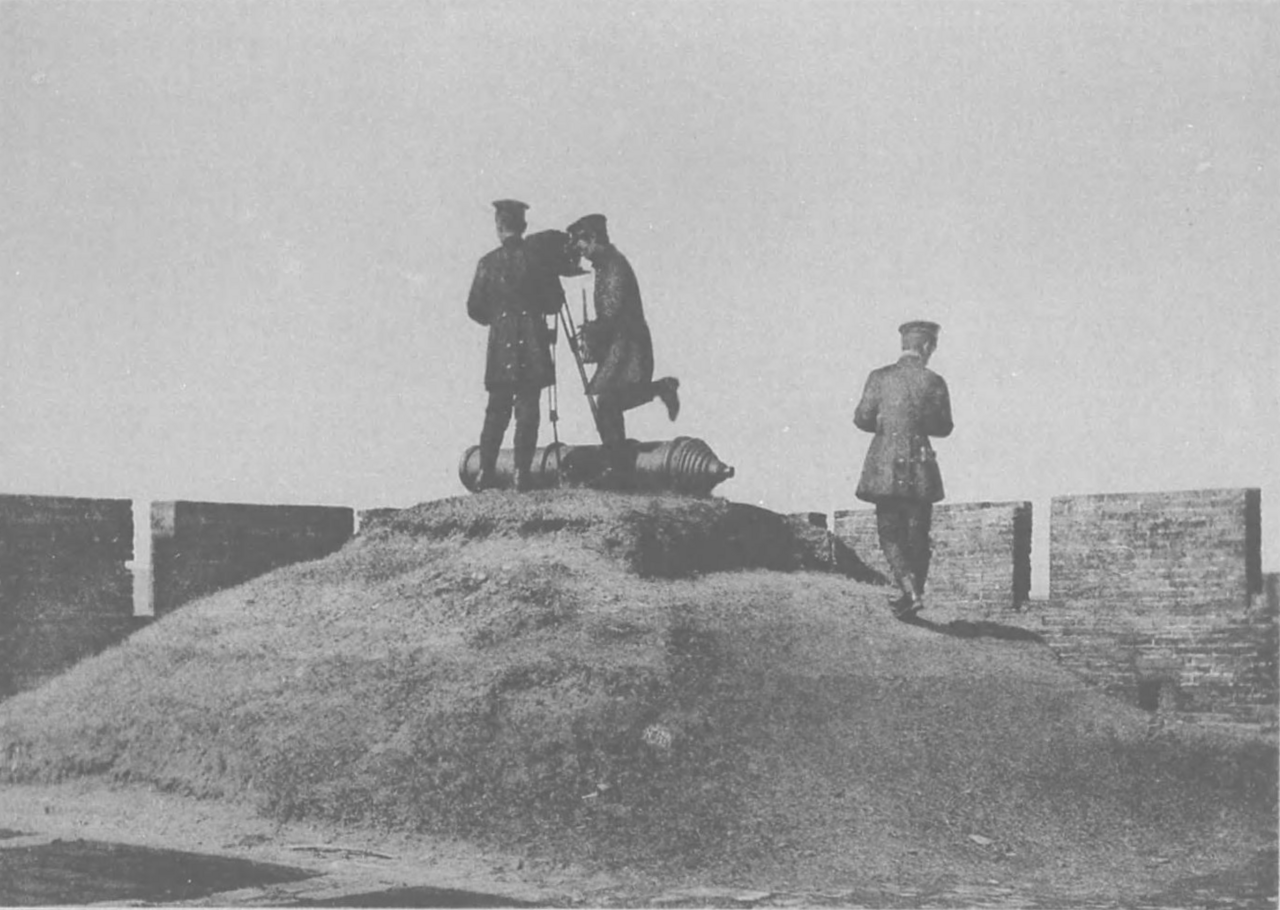
During the 1880s, Jinzhou existed as a walled town positioned north of what would become Dalian's downtown core. At that time, it functioned as a focal point for both political maneuvering and commercial activity within the region. The Qing government, recognizing the strategic importance of the peninsula, invested in infrastructure such as bridges and erected heavy fortifications across the area. Nearby, on the northern shore of Dalian Bay, mining camps gradually coalesced into the small settlement of Qingniwa, or Qingniwaqiao—a name meaning "bridge over the green mud swamp"—which would later evolve into the downtown heart of modern Dalian. Jinzhou's role as a center of intrigue and trade in this period placed it at the intersection of imperial Chinese governance and the emerging economic currents of the late Qing era, a time when foreign powers were increasingly eyeing the region's ports and strategic waterways.
Caught in the Crosshairs of Foreign Powers
The broader Dalian region, of which Jinzhou is a part, endured a turbulent sequence of foreign interventions in the late nineteenth and early twentieth centuries. British forces briefly occupied the Qingniwa area during the Second Opium War in 1858 before returning it to Qing control in 1860. Japan's victory in the First Sino-Japanese War led to the 1895 Treaty of Shimonoseki, which ceded the Liaodong Peninsula to Japan, though the Triple Intervention by Russia, France, and Germany forced its return to China. Russia then coerced a twenty-five-year lease in 1898, building the commercial port city of Dal'niy and investing over ten million golden rubles in its development. After the Russo-Japanese War of 1904–1905, Japan assumed control and renamed the city Dairen. Jinzhou, situated within this contested territory, was swept up in each of these shifts, its walled streets and trading networks subject to changing flags and administrations for decades.
Modern Identity in a Global Port Metropolis
Today, Jinzhou District is a component of Dalian, a city that has reinvented itself as a financial, shipping, and logistics hub for East Asia. Dalian ranked forty-eighth on the 2016 Global Financial Centres Index and eighty-second on the 2012 Global City Competitiveness Index, and it was named China's most livable city by China Daily in 2006. Under the Globalization and World Cities Research Network, it holds Beta-level status, and its heavy port traffic classifies it as a Large-Port Metropolis. The city also ranks thirty-seventh globally in the Nature Index for scientific research, supported by institutions such as Dalian University of Technology, Dalian Maritime University, and the Dalian Institute of Chemical Physics. For residents of Jinzhou District, this means living within a metropolitan framework that balances deep historical layers—Russian, Japanese, and Chinese—with a present-day identity shaped by global trade, academic research, and the rhythms of one of East Asia's busiest maritime gateways.
Gallery
Frequently Asked Questions
What is Jinzhou?
Jinzhou is a coastal prefecture-level city in central-western Liaoning province, China, historically referred to as Chinchow. It functions as the economic hub of western Liaoning and stretches along roughly 97.7 kilometers of coastline.
Why is Jinzhou's location considered strategically important?
The city sits at the heart of the Liaoxi Corridor, a geographic chokepoint through which most overland traffic between North China and Northeast China must pass. This makes it an indispensable logistics and transport node for the region.
What role did Jinzhou play in the Chinese Civil War?
Jinzhou was a key battleground during the Liaoshen Campaign, one of the war's decisive operations. In the post-war period it became the headquarters of the People's Liberation Army's 40th Group Army, underscoring its continued military significance.
What is the climate like in Jinzhou?
The city experiences a monsoon-influenced humid continental climate (Köppen Dwa), averaging about 9.5 °C per year. Winters tend to be cold and dry, while summers bring warm, rain-heavy monsoon periods.
What is the Port of Jinzhou and why does it matter?
Leveraging the city's nearly 98 km of coastline, the Port of Jinzhou handles maritime trade and cargo that complement the overland routes of the Liaoxi Corridor. It reinforces Jinzhou's broader role as a critical junction linking land and sea transport in northern China.
More in Cities Starting With J 1-18
Spotted an error? Know more?
This is a living reference — every entry is fact-audited, and reader corrections feed straight into our audit queue. Suggest an edit · See this site's audit record