Jingdezhen
Jingdezhen is the historic Porcelain Capital of China.

VrijMokum · CC BY-SA 4.0
**Jingdezhen**
Jingdezhen is a prefecture-level city in eastern Jiangxi province, with a population of 1,669,057 as of 2018. It borders Anhui to the north. Known as the “Porcelain Capital,” the city has produced Chinese ceramics for at least a millennium, and for most of that time its wares were considered the finest and most important in the country. Its recorded history spans more than 2,000 years.
**History** During the Spring and Autumn period and the Warring States period, the area that is now Jingdezhen belonged to the state of Chu. After Chu fell, it became part of Fan County in Jiujiang Commandery under the Qin dynasty. Under the Han, it was part of Poyang County in Yuzhang Commandery, and the specific area was called Xinping. Historical records indicate that porcelain production began there during the Han era.
The settlement was founded in the Jin dynasty under the name Changnan, because it lay on the south bank of the Chang River. Its name changed twice: first to Fuliang in 742 CE, then to Jingdezhen in 1004, taking the era name of Emperor Zhenzong of Song, during whose reign its porcelain first gained widespread fame. The town fell under the jurisdiction of Fuliang County.
In the Ming and Qing dynasties, Jingdezhen was counted among China’s four great commercial and industrial towns, alongside Foshan in Guangdong, Hankou in Hubei, and Zhuxian in Henan.
During the Taiping Rebellion in 1855, Taiping forces destroyed all 9,000 kilns in Jingdezhen. They were rebuilt after the war in 1866.
In the 19th century, Jingdezhen became a county. On April 29, 1949, Communist forces took the city. On May 4, 1949, it was upgraded to a prefecture-level city. To honor its history, it kept the word *zhen* (town) in its name—normally, when a town becomes a city, *shi* replaces *zhen*. In June 1953, it was elevated to a provincial-level city. In 1960, Fuliang County was merged into it.
On February 28, 1982, Jingdezhen was named one of China’s top 24 national historical and cultural cities. In July 1983, Leping County was also merged into the city. In October 1988, Fuliang County was re-established, and in September 1992, Leping County was re-established as a county-level city.
In 2004, Jingdezhen celebrated 1,000 years as an imperial kiln production center and the anniversary of its naming. The change from Changnan to Jingdezhen marked a turning point: it recognized the city’s leading ceramics industry, which drew more imperial attention and led to its nickname as the “Porcelain Capital.”
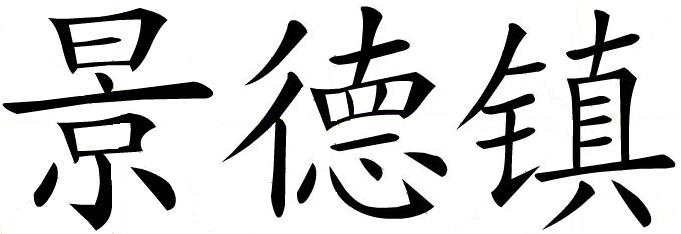
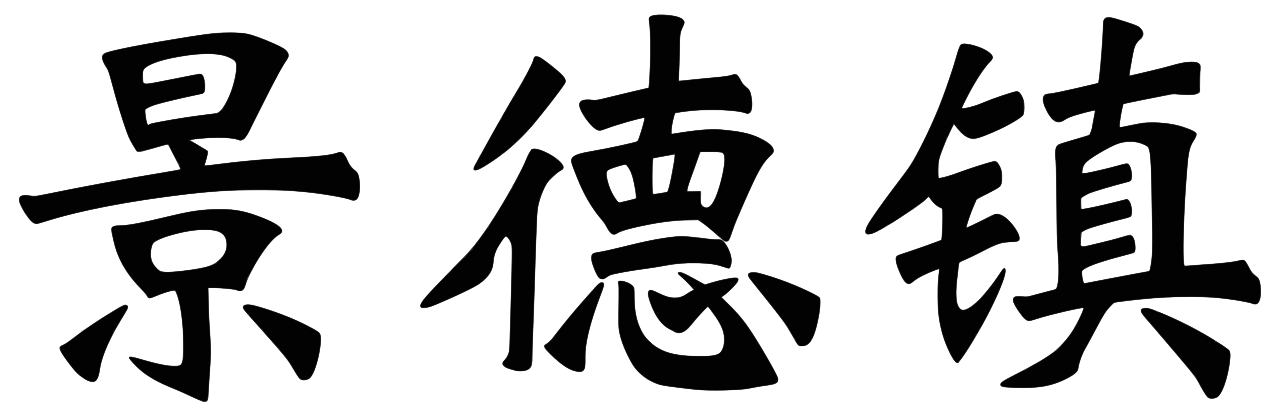
Because of its low cost of living and porcelain heritage, Jingdezhen has become a haven for young artists from across China, often called *Jingpiao* (景漂).
In 2026, UNESCO designated the porcelain industry sites in and around Jingdezhen as a World Heritage Site.
**Geography** Jingdezhen lies in northeastern Jiangxi, bordering Anhui. The city center is in the northeast of the Poyang Lake Plain. Its area is 5,256 km² (2,029 sq mi). The highest point reaches 1,618 m (5,308 ft), while the southern plains average 200 m (660 ft) in altitude.
Surrounding cities and counties include Dongzhi, Xiuning, and Qimen in Anhui to the north, northwest, and northeast; Wannian and Yiyang to the south; Boyang to the west; and Wuyuan and Dexing to the southeast.
Natural resources include kaolin, coal, manganese, and lime. Although kaolin has since been found worldwide, Jingdezhen’s kilns first perfected its use with petuntse to create world-class hard-paste porcelain. The name “kaolin” comes from the French Jesuit d’Entrecolles’s transcription of the local term *gāolǐngtǔ* (高嶺土), taken from Gaoling (高嶺), a village in Ehu Town, Fuliang County, which supplied most of the city’s kaolin during the early and mid-Qing dynasty.
**Climate** Jingdezhen has a humid subtropical climate (Köppen Cfa), influenced by the East Asian monsoon. Summers are long, humid, and very hot; winters are cool and drier, with occasional cold snaps. Monthly average temperatures range from 5.6 °C (42.1 °F) in January to 29.1 °C (84.4 °F) in July, with an annual average of 17.81 °C (64.1 °F). Average annual precipitation is 1,805 mm (71.1 in). Sunshine ranges from 25% of possible in March to 56% in August, totaling 1,798 hours annually. Winter starts sunny and dry but becomes wetter and cloudier; spring is especially gloomy, with March through July each averaging over 190 mm (7.5 in) of rain. Summer is the sunniest season, while autumn stays warm to mild and relatively dry. Extreme highs above 40 °C (104 °F) and lows below −10 °C (14 °F) have been recorded.
**Administrative divisions** Jingdezhen is divided into four county-level divisions: Zhushan District, Changjiang District, Fuliang County, and the county-level city of Leping. These oversee 52 township-level divisions and 687 village-level divisions.
**Porcelain** Pottery may have been produced in Jingdezhen as early as the sixth century CE, but it is named after Emperor Zhenzong’s reign, around 1004, when it became a major kiln site. By the 14th century, it had grown into the largest center of Chinese porcelain production, a status it has retained ever since.
- field
- Porcelain and ceramics production
- nationality
- Chinese
- known_for
- Being the 'Porcelain Capital' and producing world-class hard-paste porcelain
Quick Facts
- Other Name
- Kingtechen; Kingtehchen; Chingtechen
- Native Name Lang
- zh-Hans
- Settlement Type
- Prefecture-level city
- Subdivision Type
- Country
- Subdivision Name
- People's Republic of China
- Subdivision Type1
- Province
- Subdivision Name1
- Jiangxi
- Seat Type
- Municipal seat
- Seat
- Changjiang District
- Leader Title
- CPC Party Secretary
- Leader Name
- Hu Xuemei
- Leader Title1
- Mayor
Facts from the source article.
Lore & Background
Jingdezhen's area belonged to the Chu State during the Spring and Autumn and Warring States periods, later incorporated into the Qin dynasty. Under the Han dynasty, the area was known as Xinping, and historical records show it began making porcelain during that time. The town was established during the Jin dynasty as Changnan, named for its location on the south bank of the Chang river. In the Ming and Qing dynasties, Jingdezhen was considered one of China's four great towns in terms of commercial and industrial importance. Due to the relatively low cost of living and heritage of the porcelain industry, Jingdezhen has become a haven for young artists from all over China, often referred to as Jingpiao.
Reader's Guide
Jingdezhen's significance lies in its unparalleled role as the center of Chinese porcelain production for over a millennium. From the Song dynasty onward, it produced the finest quality ceramics, including Qingbai ware, blue and white porcelain, and famille rose wares. The imperial kilns at Zhushan were controlled by the emperor from the Ming period, producing large quantities of 'imperial porcelain' for the court and gifts. The city's location near high-quality deposits of petuntse (pottery stone) and forests for kiln fuel, along with river transport, made it an ideal pottery center despite its remote, hilly setting. The name 'kaolin' itself derives from a local village, Gaoling, which provided much of the city's kaolin during the early and mid-Qing dynasty.
Did You Know?
- The word 'kaolin' derives from the French Jesuit d'Entrecolles's transcription of the local term gāolǐngtǔ, taken from Gaoling village in Fuliang County.
The Zhenyao Kiln: Jingdezhen's Firing Innovation
The late Ming period saw Jingdezhen become the birthplace of a distinctive kiln form: the egg-shaped zhenyao. Unlike the long, narrow dragon kilns that climbed southern hillsides on wood fuel, or the compact horseshoe-shaped mantou kilns of the northern plains, the zhenyao represented a deliberate middle path between the two established types. Its rounded, compact chamber was engineered to create a spectrum of firing conditions within a single firing cycle—different positions in the kiln experienced different heat and atmosphere. This meant one firing could yield a range of glaze effects and body characteristics across its interior, giving potters a broader palette of results from a single run. The zhenyao was largely confined to Jingdezhen, suggesting it was tailored to the specific production rhythms and workshop layouts of that center. It built upon a long tradition of Chinese kiln technology that had achieved reliable 1,000°C firings before 2000 BC and pushed past 1,300°C by around 200 AD, but the zhenyao added a new dimension: controlled variation within the firing space itself, a flexibility the older designs could not match.
Southern Geology and the Porcelain Advantage
China's ceramic story is shaped by a geological accident: two separate land masses, joined by continental drift, meet at a divide running between the Yellow and Yangtze rivers—the Nanshan-Qinling boundary. North of this line, raw materials lean toward high alumina, low silica, and low potassium oxide, making the region well suited to stoneware. South of it, the chemistry flips: silica and potassium oxide run high while alumina stays low, and crucially, the south harbors deposits of petunse, the decomposed micaceous or feldspar rock essential for true porcelain. Jingdezhen sits in Jiangxi Province, firmly in the southern zone, giving it access to kaolin, porcelain stone, feldspar, and quartz—the four principal ingredients of Chinese porcelain. The north simply lacks the petunse needed for porcelain on a strict definition. This material divide meant that even when northern and southern workshops influenced each other's shapes and decorative motifs, the underlying clay bodies remained fundamentally different, producing wares that could almost always be told apart by their geographic origin.
Imperial Workshops and the Logic of Scale
By the later dynasties, the finest Chinese ceramics were no longer the work of lone artisans whose names would survive in records. Production had shifted to an industrial scale, and the most important kiln workshops were either owned by the emperor or set aside exclusively for imperial use. Wares were sorted into clear tiers: pieces crafted for the court's own consumption or for distribution as gifts, objects aimed at a discerning domestic market, and quantities destined for popular buyers or for export. From an early date, large shipments of porcelain left China as diplomatic presents or trade goods, first reaching East Asia and the Islamic world, and by the sixteenth century flowing into European markets. Because output was so vast and organized around workshops rather than individual hands, very few potter names were ever recorded. The result was a tradition where the kiln site and the period mattered far more than any single maker, and where the sheer volume of export wares gave Chinese ceramics an enormous influence on ceramic traditions across every region that received them.
Twenty Thousand Years of Continuous Firing
The story of ceramic firing in the region that would become Jingdezhen's home stretches back to the Paleolithic. At Xianrendong Cave in Jiangxi Province—Jingdezhen's own province—pottery dating to roughly twenty thousand years ago has been recovered, making it among the oldest known ceramic objects anywhere on Earth. From that pre-dynastic beginning, the tradition has shown an unbroken thread of development through every subsequent era. The earliest wares were earthenware, fired in simple bonfires or rudimentary kilns, and this humble category persisted for utilitarian purposes across the entire span of Chinese history. Over millennia the technology climbed: by around 2000 BC, updraft kilns built below ground were sustaining temperatures near 1,000°C; by 200 AD, the dragon and mantou kiln types were reliably reaching 1,300°C or beyond. The Neolithic cultures of the Middle and Late periods—Majiayao, Yangshao, Banpo—already demonstrated bold painted decoration, thin-walled construction, and a quality control so rigorous that excavated vessels show almost no defects. Porcelain, the crowning achievement, was a Chinese invention so thoroughly identified with the country that the word "china" still names the material in everyday English.
Gallery
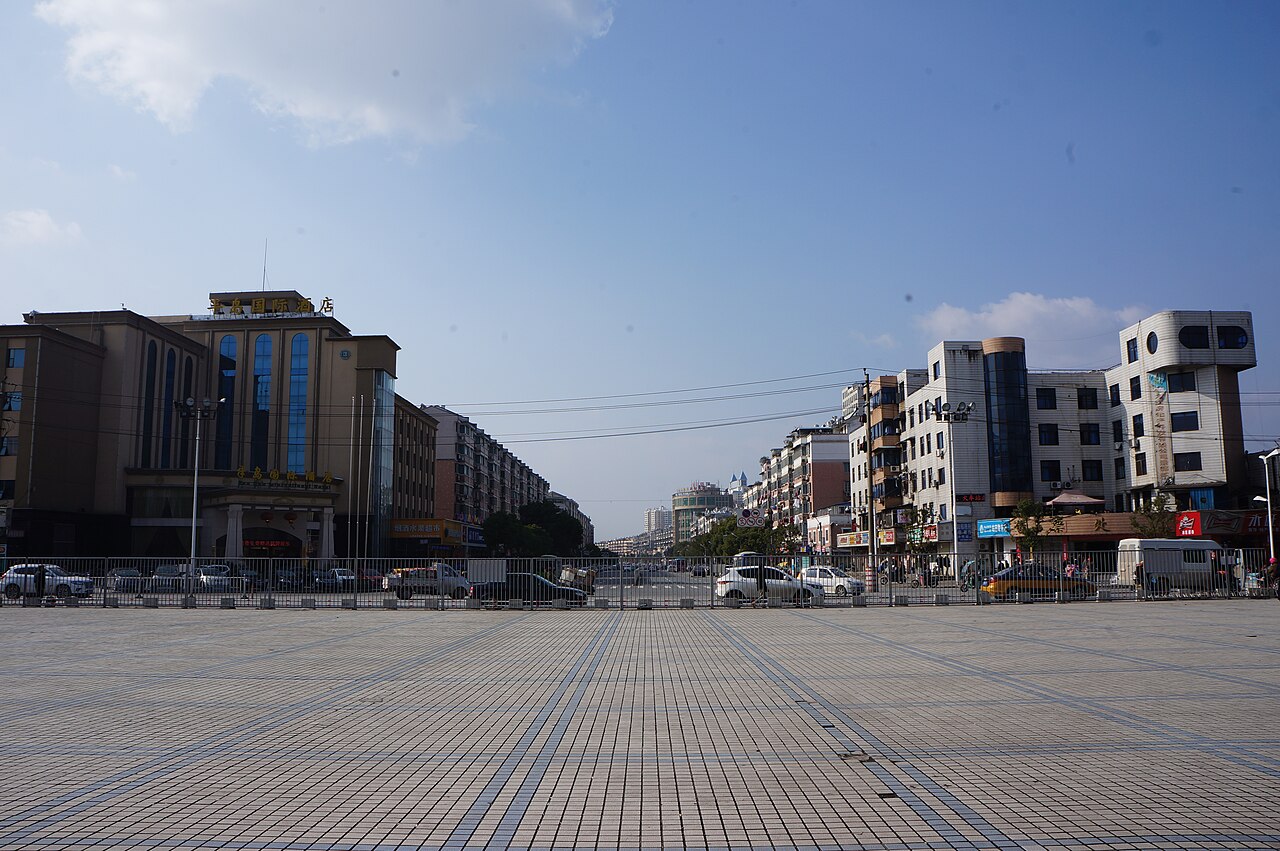
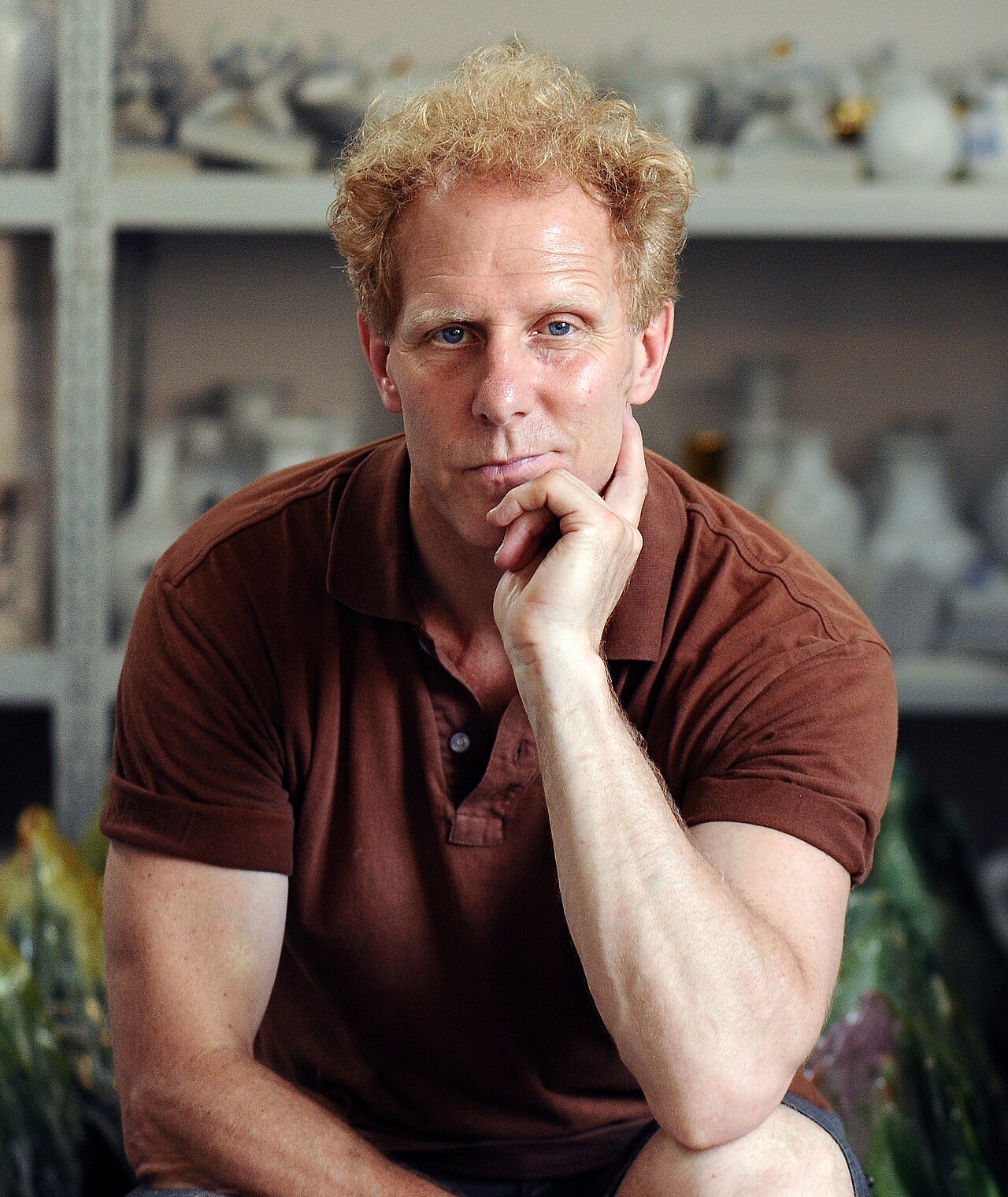
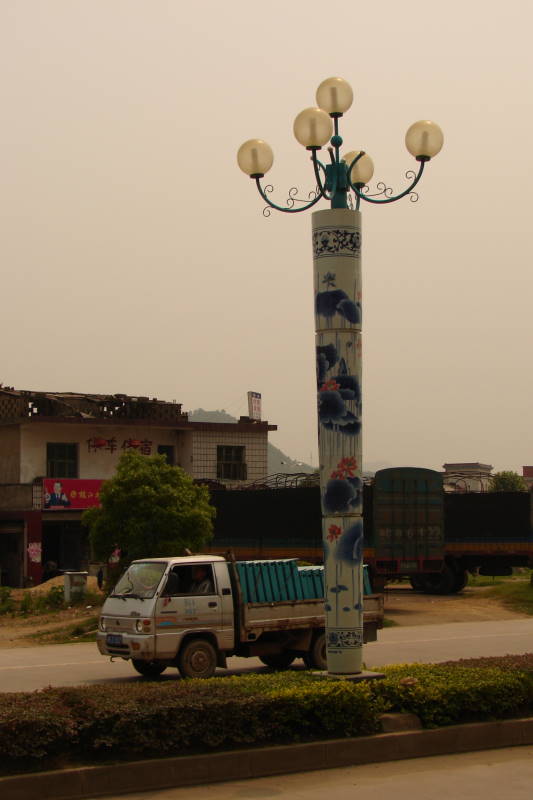

Frequently Asked Questions
What is Jingdezhen?
Jingdezhen is a Chinese city historically celebrated as the Porcelain Capital. It has sat at the center of the nation's ceramic arts for well over a millennium.
Why is Jingdezhen called the Porcelain Capital?
The nickname reflects its long, unbroken tradition of crafting ceramics, during which its wares were widely regarded as the finest in all of China. For most of that span, no other region matched its output or quality.
How old is Jingdezhen's ceramic tradition?
The city's documented history stretches back more than 2,000 years, and its porcelain-making specifically has continued for at least 1,000 years.
What type of porcelain is Jingdezhen most known for?
The city is particularly noted for producing world-class hard-paste porcelain, a category that set it apart from other Chinese ceramic centers.
What is Jingdezhen's nationality or origin?
Jingdezhen is a Chinese city, and its identity as a cultural landmark is deeply rooted in China's broader ceramic heritage.
More in Cities Starting With J 1-18
Spotted an error? Know more?
This is a living reference — every entry is fact-audited, and reader corrections feed straight into our audit queue. Suggest an edit · See this site's audit record