Paul Taylor (choreographer)
American modern dance choreographer and founder of the Paul Taylor Dance Company.

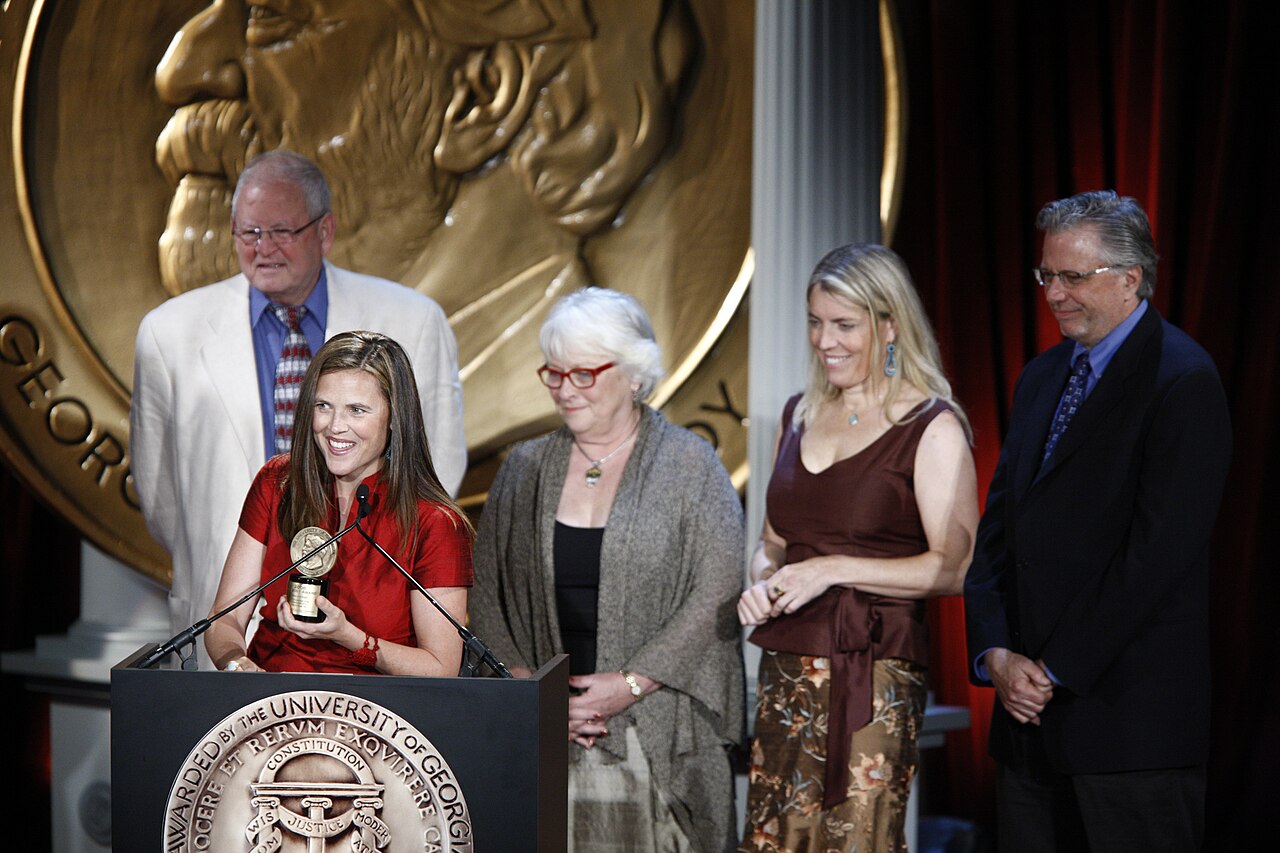
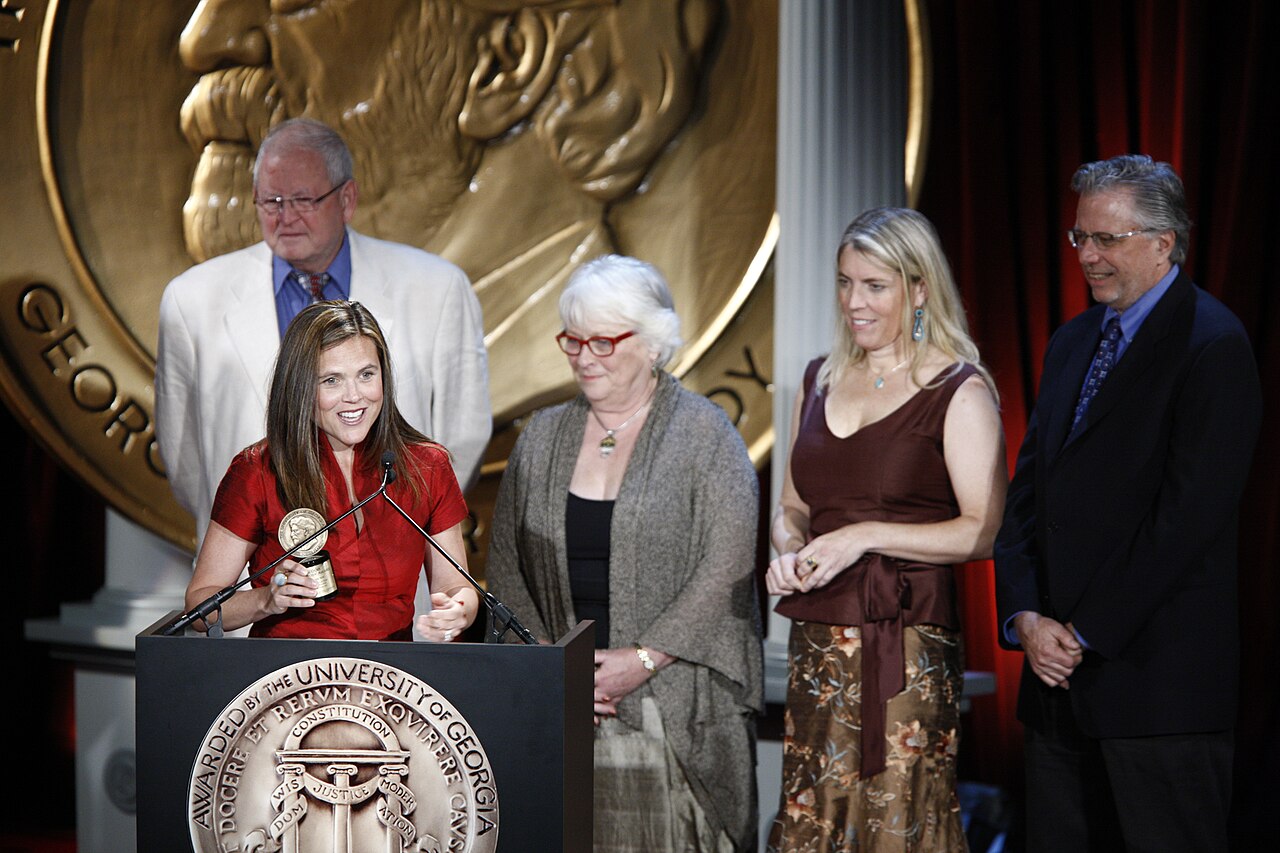
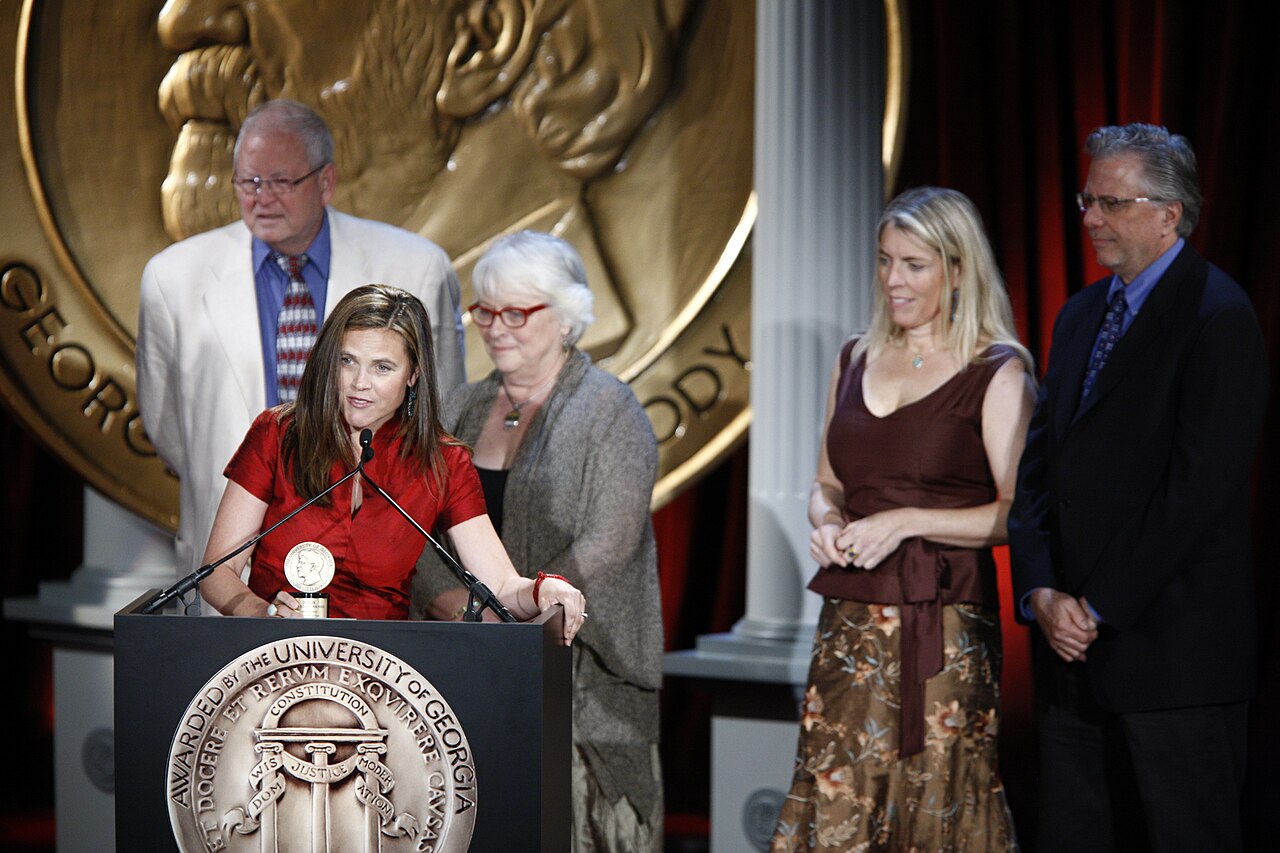
Peabody Awards · CC BY 2.0
Paul Belville Taylor Jr. (July 29, 1930 – August 29, 2018) was an American dancer and choreographer, and one of the final surviving figures from the third generation of American modern dance. In 1954, he established the Paul Taylor Dance Company in New York City.
Taylor was born in Wilkinsburg, Pennsylvania, to physicist Paul Belville Taylor Sr. and Elizabeth Rust Pendleton. He spent his youth around Washington, D.C., and by his teenage years had grown over six feet tall. He attended Virginia Episcopal School and later Syracuse University in the late 1940s, where he studied painting, swam competitively, and earned a swimming scholarship. While at Syracuse, he discovered dance through library books and created his first choreographic work, *Hobo Ballet*, using students from the dance department. He then transferred to Juilliard, earning a B.S. in dance in 1953 under director Martha Hill. Taylor credited his swimming and varied experiences for teaching him the commitment needed for a dance career and for shaping his distinctive, eclectic aesthetic.
In 1954, Taylor gathered a small company and began creating his own works. Despite starting dance late, he became a commanding performer. He joined the Martha Graham Dance Company in 1955 as a soloist for seven seasons, originating the role of the evil Aegisthus in Graham’s *Clytemnestra* and performing in works such as *Acrobats of God*, *Alcestis*, *Visionary Recital*, *One More Gaudy Night*, and *Phaedra*. Simultaneously, he continued choreographing for his own troupe. He also worked with choreographers Doris Humphrey, Charles Weidman, José Limón, and Jerome Robbins, and in 1959, George Balanchine invited him as a guest artist with the New York City Ballet for *Episodes*.
Taylor’s early choreography was notably different from the physical modern works he later became known for, drawing comparisons to the conceptual performances of the Judson Dance Theatre in the 1960s. He collaborated closely with painter Robert Rauschenberg, whose paintings inspired pieces like *Three Epitaphs* and *Seven New Dances*. Rauschenberg’s “white” paintings led to John Cage’s composition *4’33”*, which inspired Taylor’s *Duet* (1957). In *Duet*, part of the *Seven New Dances* concert, Taylor and dancer Toby Glanternik remained motionless while the pianist played Cage’s “non score.” Another piece on the program, *Epic*, featured Taylor slowly crossing the stage in a business suit as a recorded time announcement played. Critic Louis Horst of *Dance Observer* responded to *Duet* by publishing a blank column with only the performance’s location and date in November 1957, prompting Martha Graham to call Taylor a “naughty boy.”
After *Seven New Dances*, Taylor continued creating new works, completing two European tours and ten new dances while still dancing with the Graham company. His choreographic turning point came with the plotless *Aureole* (1962), premiered at the American Dance Festival. Its success convinced him to leave the Graham company and focus full-time on his own group. With *Aureole*, he moved away from avant-garde aesthetics, cheekily setting modern movements to a baroque score. Taylor was as concerned with subject matter as with form; many pieces address issues like war, piety, spirituality, sexuality, morality, and mortality. His movements often reflect a fascination with insects and their motion, as well as his love of swimming. He is best known for *Esplanade* (1975), which explores everyday movements—running, sliding, walking, jumping, falling—set to movements from two J.S. Bach violin concertos. This interest in pedestrian movement continued in *Polaris* (1976), where two casts performed identical choreography, highlighting differences in dancers’ bodies. In *Private Domain* (1969), Taylor commissioned a set by artist Alex Katz featuring rectangular panels that blocked parts of the stage depending on the audience’s vantage point, playing with perspective and the relationship between reality and appearance. In *Lost, Found, and Lost* (1982), dancers moved one by one into the wings as if waiting in a slow line. Taylor also choreographed his own version of *The Rite of Spring* in 1980, titled *Le Sacre du Printemps (The Rehearsal)*, set to a two-piano score.
- born
- July 29, 1930, Wilkinsburg, Pennsylvania
- died
- August 29, 2018
- field
- Dancer and choreographer
- nationality
- American
- known_for
- Founding the Paul Taylor Dance Company; choreographing works such as Aureole, Esplanade, and Private Domain
Lore & Background
Taylor was born in Wilkinsburg, Pennsylvania, to Paul Belville Taylor Sr., a physicist, and Elizabeth Rust Pendleton. He grew up in and around Washington, DC. By his teens, he had grown to more than six feet in height. He attended Virginia Episcopal School and later studied painting and swam competitively at Syracuse University, where he received a swimming scholarship. Discovering dance through books at the school library, he created his first choreography, Hobo Ballet, on Syracuse University Dance department students. He then transferred to Juilliard, earning a B.S. His dedication to swimming and varied experiences were said to have taught him the commitment necessary for a successful dance career and allowed him to develop a unique and diverse dance aesthetic. He joined the Martha Graham Dance Company in 1955 for seven seasons as a soloist, creating the role of the evil Aegisthus in Graham's Clytemnestra, among other roles. He also worked with choreographers Doris Humphrey, Charles Weidman, José Limón, and Jerome Robbins. In 1959 he was invited by George Balanchine to be a guest artist with New York City Ballet. Taylor's early choreographic projects were noted as distinctly different from the modern, physical works he would later become known for, inviting comparison to the conceptual performances of the Judson Dance Theatre. Duet, part of Taylor's Seven New Dances concert, became his first claim to fame due to its controversial nature: during Duet, Taylor and dancer Toby Glanternik remained motionless as the pianist played Cage's non-score. The Dance Observer critic Louis Horst published a blank column as a review, after which Martha Graham called him a 'naughty boy.'
The turning point in Taylor's choreographic career came with the premiere of his plotless work Aureole (1962) at the American Dance Festival, which convinced him to leave the Graham company and pursue choreography full time. He became known for works such as Esplanade (1975), which explored everyday movements like running, sliding, walking, jumping, and falling, set to J.S. Bach's violin concertos. Other notable works include Private Domain (1969), which played with perspective and audience sightlines, and Le Sacre du Printemps (The Rehearsal) (1980), a detective story set to Stravinsky's score. Scholars identified a light/dark pattern in his choreography, with works like Aureole and Esplanade considered light, and Big Bertha and Last Look considered dark, though some argued his works could not be confined to two categories.
Reader's Guide
Paul Taylor's significance lies in his role as a central figure in American modern dance, bridging the third generation of modern dance artists and creating a vast body of work that ranged from avant-garde experiments to plotless, lyrical pieces. His early controversial works, such as Duet and Epic, challenged conventional dance expectations and aligned with the conceptual art of the 1960s. However, his later success with Aureole established a more accessible yet still innovative style that emphasized pedestrian movement and formal structure. Taylor's choreography often explored profound themes like war, piety, spirituality, sexuality, morality, and mortality, while also drawing on his fascination with insects and swimming. His collaborations with visual artists like Robert Rauschenberg, Jasper Johns, and Alex Katz integrated visual art into dance. His career was documented in the Oscar-nominated film Dancemaker, and he authored the autobiography Private Domain.
Did You Know?
- Taylor created his first choreography, Hobo Ballet, on Syracuse University Dance department students after discovering dance through library books.
- Taylor's work Esplanade (1975) was inspired by everyday movements such as running, sliding, walking, jumping, and falling.
Roots in Water and Paint
Paul Belville Taylor Jr. entered the world on July 29, 1930, in Wilkinsburg, Pennsylvania, the son of a physicist and a woman named Elizabeth Rust Pendleton. Raised in and around Washington, D.C., he attended Virginia Episcopal School before heading to Syracuse University in the late 1940s, where he studied painting and earned a swimming scholarship on the competitive swim team. By his teenage years he had already towered past six feet. It was not until he stumbled upon dance through books in the school library that his artistic trajectory shifted. He immediately put that discovery into practice, choreographing a piece called Hobo Ballet for students in Syracuse's dance department. He then transferred to Juilliard, earning a B.S. Observers have long credited his swimming discipline and his wide-ranging early experiences—painting, athletics, intellectual curiosity—with instilling the relentless commitment that would define his career and seeding the diverse physical vocabulary that became his signature aesthetic.
The Blank Column and the Naughty Boy
Central to the program was Duet, a piece in which Taylor and dancer Toby Glanternik stood completely still on stage while a pianist performed John Cage's non-score 4'33". The work was inspired by a series of white paintings by Robert Rauschenberg, with whom Taylor collaborated closely on several pieces including Three Epitaphs. On the same bill appeared Epic, in which Taylor shuffled slowly across the stage in a business suit while a recorded time announcement droned in the background. Martha Graham, with whom Taylor was then performing as a soloist, reportedly called him a naughty boy. These early conceptual works, distinctly different from the physical modern dance he would later master, have even drawn comparisons to the Judson Dance Theatre's experimental ethos of the 1960s.
Aureole and the Leap to Full-Time Choreography
The premiere of Aureole at the 1962 American Dance Festival marked the decisive turning point in Taylor's career. With Aureole, Taylor stepped away from the conceptual, movement-less aesthetic of his early years and embraced a physical, expressive modern vocabulary. Yet he never abandoned the idea that dance should be about something. His movements drew on a fascination with insects and their locomotion, on the fluidity of swimming, and on the sheer beauty of propelling bodies through space. More profoundly, he used his dancers to illuminate themes of war, piety, spirituality, sexuality, morality, and mortality, making subject matter as central to his practice as formal invention.
Everyday Motion and the Architecture of Seeing
Taylor's mature work is defined by an obsessive attention to the small, pedestrian gestures of daily life—running, sliding, walking, jumping, falling—and by a deep curiosity about how a single change in timing, position, or facing can transform an ordinary gesture into dance. Esplanade (1975), perhaps his most celebrated piece, is a five-section work set to movements from two of Bach's violin concertos, built around the everyday movements people enact without thinking. Polaris (1976) took this further by presenting two sections with identical choreography performed by two completely different casts, highlighting the nuances each body brings. In Private Domain (1969), Taylor explored perspective itself, commissioning rectangular panels from visual artist Alex Katz that blocked portions of the stage depending on where the audience sat, making the seen and unseen a central experience. His 1980 reimagining of The Rite of Spring, titled The Rehearsal, paired a two-piano Stravinsky score with a detective story involving gangsters and kidnappings, balanced by a scene in which a grieving mother echoes Nijinsky's Chosen Maiden.
Gallery
More in Circus & Performance Art 1-21
Spotted an error? Know more?
This is a living reference — every entry is fact-audited, and reader corrections feed straight into our audit queue. Suggest an edit · See this site's audit record