Olga Spessivtseva

via Wikipedia: Sergei Diaghilev · see source
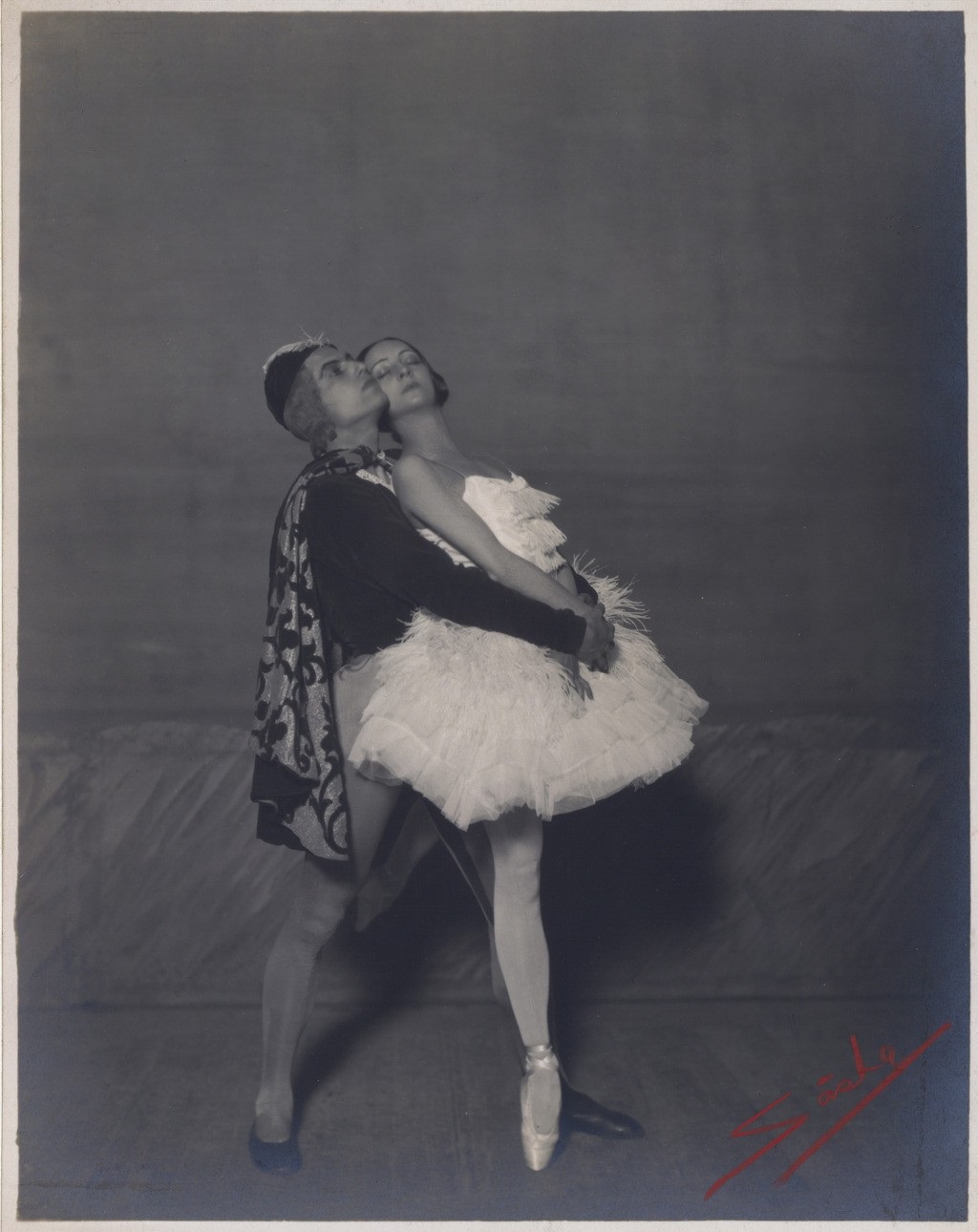
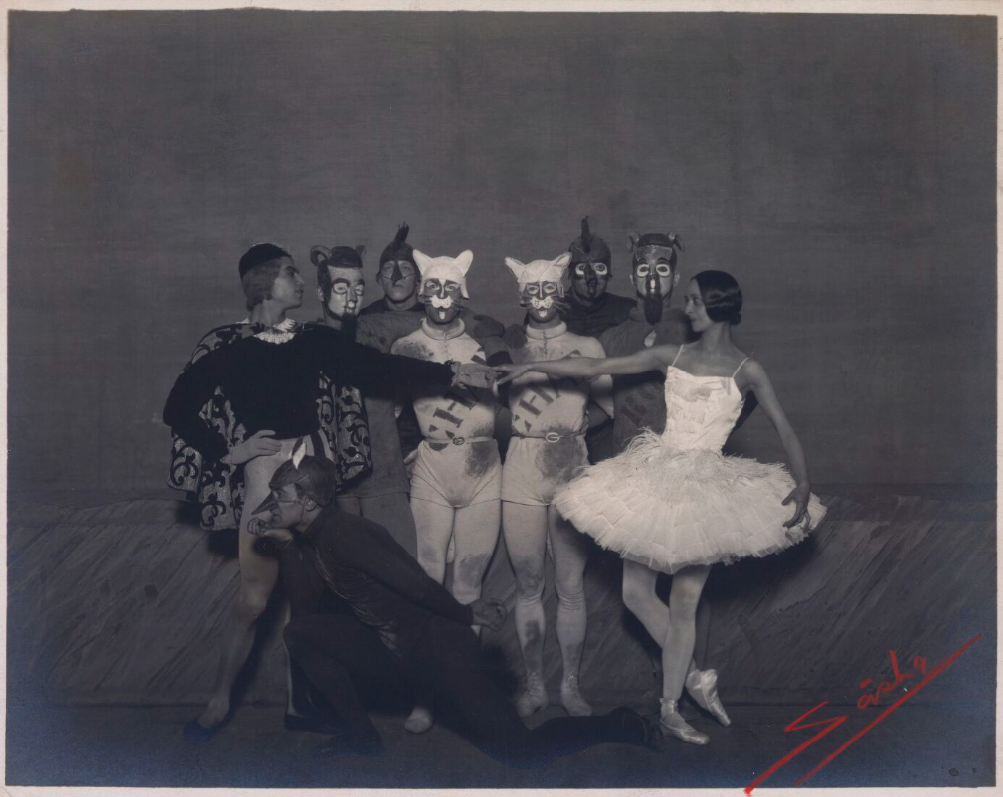
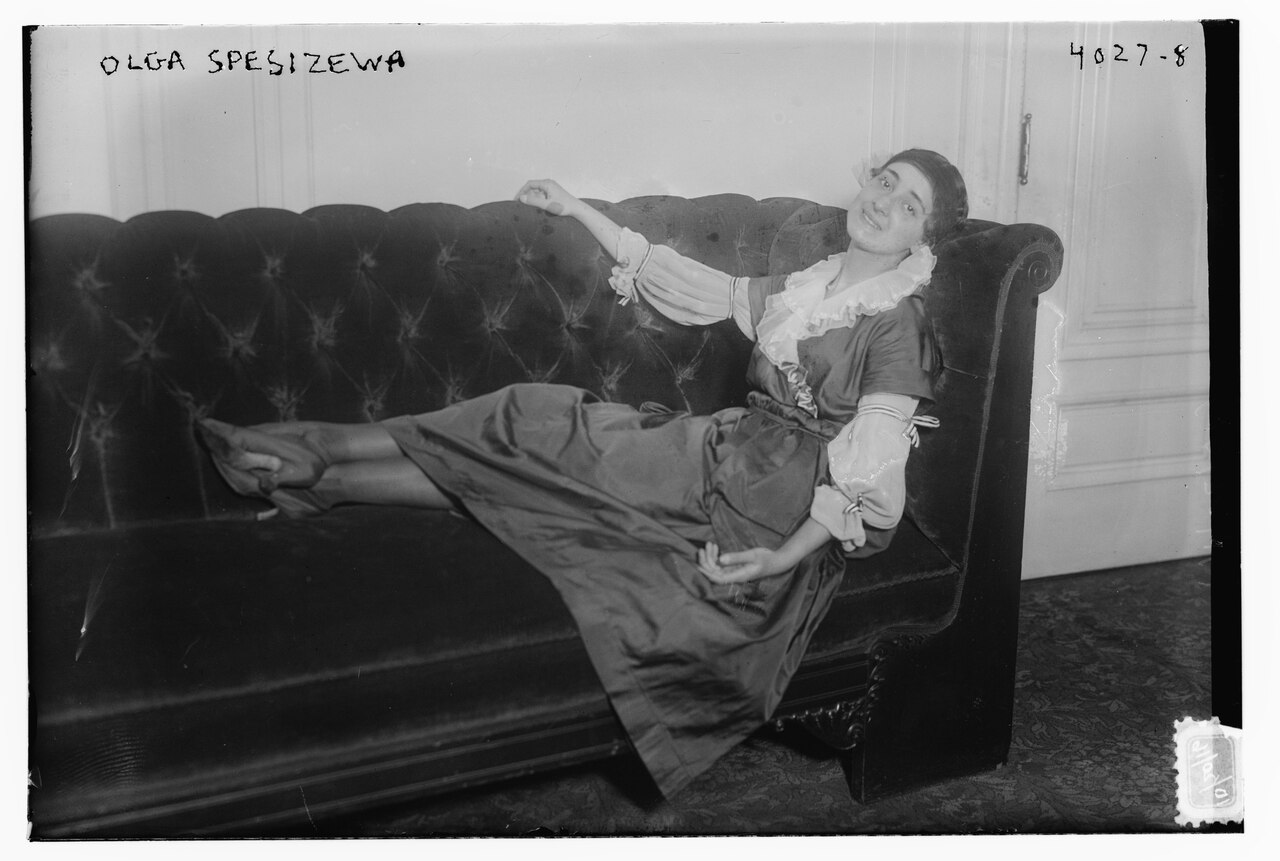
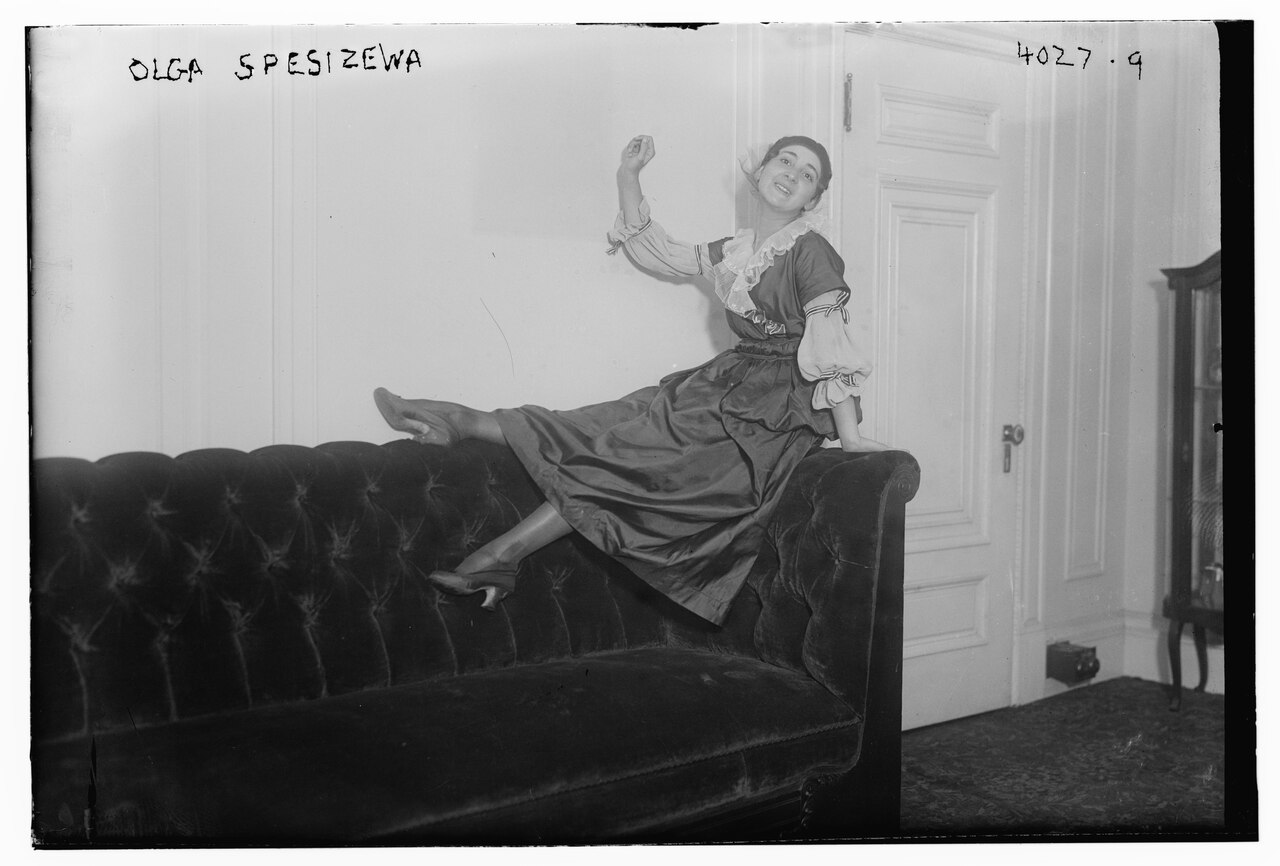
Olga Alexandrovna Spessivtseva was a Russian ballerina whose professional career lasted from 1913 until 1939. Born in Rostov-on-Don to an opera singer father and his wife, she was sent to a St. Petersburg orphanage with theatrical ties after her father died. She began training at the Imperial Ballet Academy in 1906, studying under Klavdia Kulichevskaya, Yevgenia Sokolova, and Agrippina Vaganova. After graduating in 1913, she joined the Mariinsky Theatre, becoming a soloist in 1916. Known as a romantic dancer, she was considered exceptionally suited for roles like Giselle and the dual role of Odette-Odile in *Swan Lake*, quickly rising in popularity. In 1916, Sergei Diaghilev invited her to tour the United States with the Ballets Russes, where she performed with Vaslav Nijinsky. She returned to the Mariinsky (renamed the Petrograd Opera and Ballet Theater after the 1917 Revolution) in 1918 and was promoted to ballerina. She remained largely unknown in the West at this time. She continued performing abroad with the Ballets Russes, dancing Aurora in *The Sleeping Princess* in London in 1921 and at the Teatro Colón in Buenos Aires in 1923. With help from her ex-husband Boris Kaplun, she left Russia permanently in 1924 to become an étoile at the Paris Opera Ballet, a position she held until 1932. She made another historic London appearance in 1932, dancing Giselle with Anton Dolin. From 1932 to 1937, she toured globally, performing classical roles and contemporary works by Michel Fokine and Bronislava Nijinska. She experienced clinical depression as early as 1934, requiring hospitalization in Sydney. A nervous breakdown forced her from the stage in 1937. After some teaching and a brief return, she made her final performance at the Teatro Colón in 1939. She then moved to the United States, teaching and advising the Ballet Theatre Foundation in New York. Another nervous breakdown in 1943 led to hospitalization. A 1964 BBC program and a 1966 book by Anton Dolin, both titled *The Sleeping Ballerina*, chronicled her life. Dance writers have called her the greatest Russian ballerina of her period and the supreme classical ballerina of the century. In 1998, choreographer Boris Eifman made her the subject of his ballet *Red Giselle*.
- field
- Ballet
- nationality
- Russian
- known_for
- Romantic roles such as Giselle and Odette-Odile in Swan Lake
Verified Timeline
Quick Facts
- Birth Name
- Olga Alexandrovna Spessivtseva
- Birth Date
- 18 July 1895
- Birth Place
- Rostov-on-Don, Russia
- Death Date
- 1991-09-16
- Death Place
- Valley Cottage, New York, U.S.
- Occupation
- Ballet dancer · choreographer · ballet teacher
Facts from the source article.
Lore & Background
Olga Spessivtseva was born in Rostov-on-Don, the daughter of a theatre manager and a housewife. After her father's death, she was sent to an orphanage with theatrical connections in St. Petersburg. She entered St. Graduating in 1913, she joined the Mariinsky Theatre company and was promoted to soloist in 1916. She was a romantic dancer and, according to some, uniquely suited for roles such as Giselle and Odette-Odile in Swan Lake, quickly becoming one of the most popular dancers in the company. In 1916, Sergei Diaghilev invited her to tour with the Ballets Russes in the United States. She moved to the United States that year, teaching and advising the Ballet Theatre Foundation.
Reader's Guide
Olga Spessivtseva is remembered as a leading Russian prima ballerina of the early 20th century, particularly noted for her romantic interpretations of Giselle and Odette-Odile. Her career, though cut short by mental illness, included significant collaborations with the Ballets Russes and the Paris Opera Ballet. Her legacy endures as a symbol of artistic brilliance and tragic vulnerability.
Spessivtseva’s dancing was defined by a romantic, ethereal quality that made her uniquely suited to tragic heroines. Critics and dance writers consistently ranked her among the finest Russian prima ballerinas of her era, with some calling her the greatest of her period and others the supreme classical ballerina of the century. She trained at the Imperial Ballet Academy in St. Petersburg under noted teachers including Agrippina Vaganova, and after graduating in 1913 she joined the Mariinsky Theatre, rising to soloist by 1916. Her early repertory included leading roles in *Giselle* and *Swan Lake*, and she quickly became one of the company’s most popular dancers. She toured with Sergei Diaghilev’s Ballets Russes in 1916, partnering Vaslav Nijinsky in works such as *Le Spectre de la Rose* and *Les Sylphides*. Later, as an étoile at the Paris Opera Ballet from 1924 to 1932, she continued to perform classical roles and contemporary works by choreographers like Michel Fokine and Bronislava Nijinska. Her 1932 London performance of *Giselle* with Anton Dolin was historic. Despite her artistic success, she suffered from clinical depression beginning in 1934, leading to a nervous breakdown in 1937 and another in 1943 that required hospitalization. Her story inspired a BBC program and a book, both titled *The Sleeping Ballerina*, and later a ballet by Boris Eifman.
Did You Know?
- She was born in Rostov-on-Don, the daughter of a theatre manager and a housewife.
- She studied at St. Petersburg's Imperial Ballet Academy under Klavdia Kulichevskaya and Yevgenia Sokolova.
- She never performed with Vaslav Nijinsky, as he left the Ballets Russes before she joined.
- When dancing abroad, she was frequently inaccurately billed as Olga Spessiva.
Gallery
More in Circus & Performance Art 1-21
Spotted an error? Know more?
This is a living reference — every entry is fact-audited, and reader corrections feed straight into our audit queue. Suggest an edit · See this site's audit record