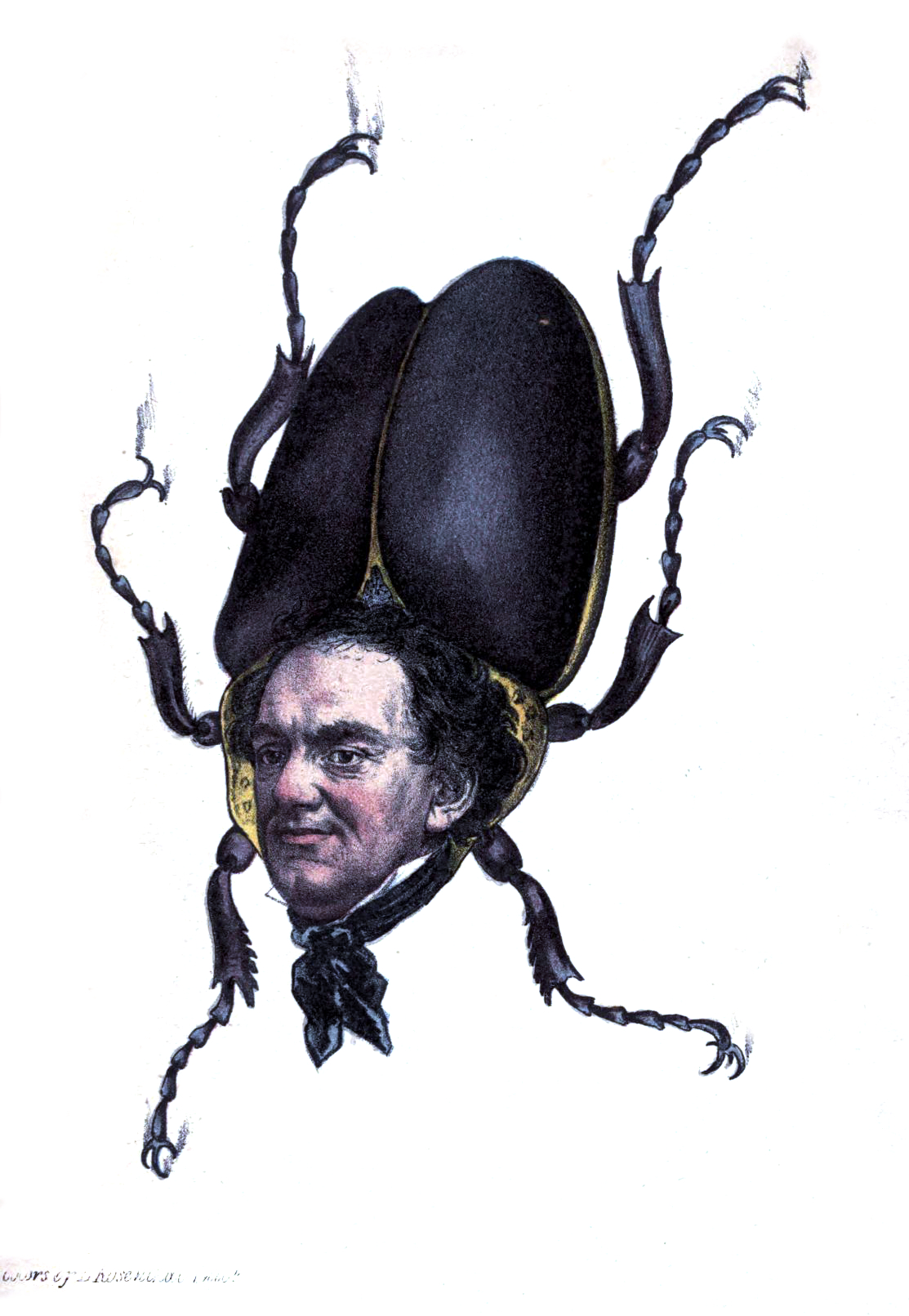
P. T. Barnum
Last updated

via Wikipedia: P. T. Barnum · see source
Born on July 5, 1810, and dying on April 7, 1891, Phineas Taylor Barnum was a showman, businessman, and politician who co-founded the Ringling Bros. and Barnum & Bailey Circus with James Anthony Bailey and is known for his celebrated hoaxes.[1] As a Republican from Fairfield, Connecticut, Barnum was elected to the Connecticut legislature in 1865 for two terms, and later, in 1875, he became mayor of Bridgeport, Connecticut.[2] The saying "there's a sucker born every minute" is often linked to Barnum, but no proof exists that he originated it.[1]
Key facts and history
Barnum did not enter the circus business until he was 60 years old.[3] Philo Barnum, an innkeeper, and his second wife Irena Taylor were the parents of P. T. Barnum, who was born in Bethel, Connecticut.[4] At age 25 in 1835, Barnum bought and displayed Joice Heth, a blind and almost completely paralyzed enslaved woman, which launched his showman career.[5] Even though New York had outlawed slavery, Barnum used a legal loophole to lease Heth for one year at a cost of $1,000.[5]
Heth was made to labor 10 to 12 hours daily by Barnum, and she passed away in February 1836 at an age not exceeding 80 years.[5] Barnum's first significant hoax, the "Feejee" mermaid—a creature combining a monkey's body and a fish's tail—was presented in 1842.[6]
What the cited sources add
The blog post by mashkenaz describes Barnum using larger-than-life advertisements such as giant flags, paintings of animals in windows, and a lighthouse light to make his museum a success.[8] Barnum's autobiography states that he published the 160th number of The Herald of Freedom in Danbury on November 5, 1834, after which his brother-in-law issued the paper.[9]
References
- Wikipedia, "P. T. Barnum" (CC BY-SA 4.0), which cites: North American Theatre Online: Phineas T. Barnum; ; Shapiro, Fred R. (2006). The Yale Book of Quotations. New Haven: Yale University Press. p. 44. (original not read by us) en.wikipedia.org
- Wikipedia, "P. T. Barnum" (CC BY-SA 4.0), which cites: Barnum, "The Life of P. T. Barnum", The Courier Company., 1888, p. 237 (we also read that source) en.wikipedia.org
- Wikipedia, "P. T. Barnum" (CC BY-SA 4.0), which cites: Mosier, "The Big Attraction: The Circus Elephant And American Culture", Journal of American Culture, 1999, p. 7 (we also read that source) en.wikipedia.org
- Wikipedia, "P. T. Barnum" (CC BY-SA 4.0), which cites: Kolbert, "What P. T. Barnum Understood about America", July 29, 2019 (original not read by us) en.wikipedia.org
- Wikipedia, "P. T. Barnum" (CC BY-SA 4.0), which cites: Mansky, "P. T. Barnum Isn't the Hero the 'Greatest Showman' Wants You To Think", smithsonianmag.com, December 22, 2017; Freed, "Joice Heth", MA candidate, University of Virginia American Studies Department (we also read that source) en.wikipedia.org
- Wikipedia, "P. T. Barnum" (CC BY-SA 4.0), which cites: Schweitzer, Marlis. "Barnum's Last Laugh? General Tom Thumb's Wedding Cake in the Library of Congress." Performing Arts Resources 2011; 28.: 116. Associates Pro; Stabile, "Still(Ed) Lives", Early American Literature, 2010, p. 371–95 (we also read that source) en.wikipedia.org
- mashkenaz, "Hoaxes aren't just a thing of the past Comm455/History of Journalism", 2011-09-11. historyofjournalism.onmason.com
- Barnum, "Struggles and Triumphs or Forty Years' Recollections of P.T. Barnum", Warren, Johnson & Co, 1872. gutenberg.org
Each numbered sentence above was checked against the source it cites before publication. Sentences citing Wikipedia adapt text from the English Wikipedia article P. T. Barnum (contributors), used under CC BY-SA 4.0; this entry is available under the same licence. Other sources were used for facts only.
More in Circus & Performance Art
Sources
Compiled from Wikipedia and the sources listed below. Text from Wikipedia is available under CC BY-SA 4.0; this entry is adapted from it.
- Wikipedia: P. T. Barnum (CC BY-SA 4.0).
Spotted an error? Know more?
Reader corrections go straight into our review queue. Suggest an edit · How this site is sourced