Pina Bausch
German choreographer who shaped neo-expressionist Tanztheater.
Last updated

via Wikipedia: Gandini Juggling · see source
Pina Bausch was a German dancer and choreographer whose work became a cornerstone of neo-expressionist dance, often referred to as Tanztheater. Born in Solingen in 1940, she began performing as a child in her parents’ restaurant, an experience that later influenced her piece Café Müller. She studied at the Folkwangschule under Kurt Jooss before continuing her training at the Juilliard School in New York, where her teachers included Antony Tudor, José Limón, and Paul Taylor. After performing with Tudor at the Metropolitan Opera Ballet and with Paul Taylor, she returned to Germany in 1962 to join the Folkwang Ballet as a soloist and assistant to Jooss.
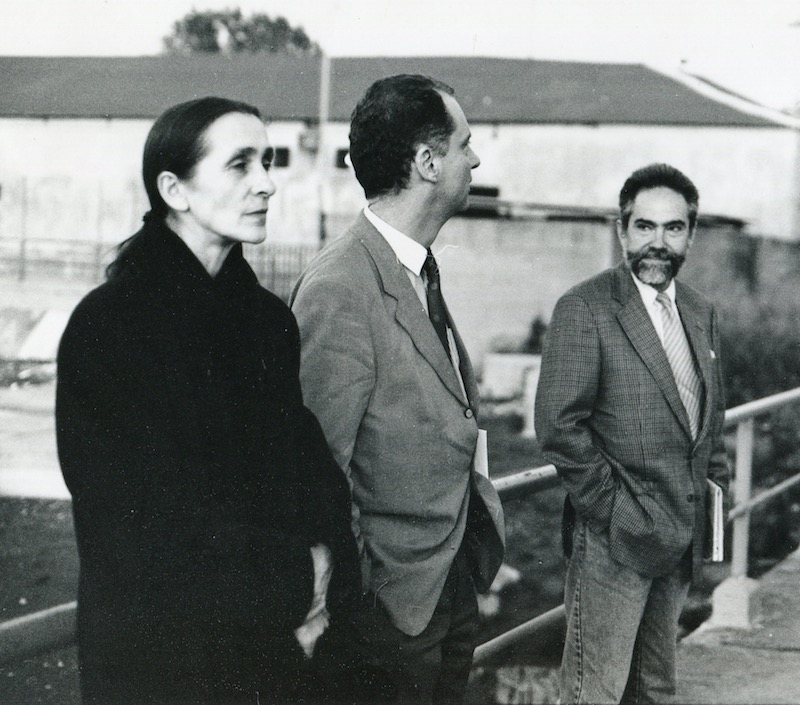
Her first choreography, Fragments, was created in 1968, and the following year she succeeded Jooss as artistic director. In 1973, she was hired to lead the Wuppertal Ballet, which she renamed Tanztheater Wuppertal, operating with full artistic autonomy. Her work initially met with strong resistance from local audiences, who were accustomed to traditional ballet and found her themes and movements violent; they sometimes threw tomatoes or walked out.
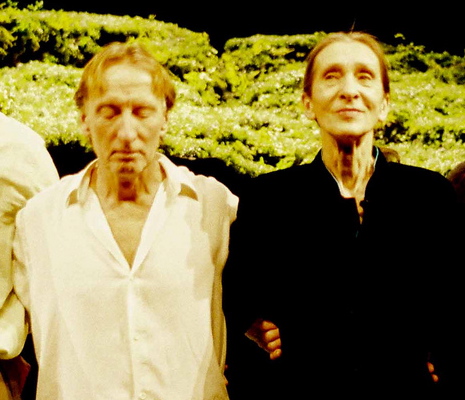
Critics also noted the jarring, repetitive movements in her depictions of relationships. Her best-known pieces include Café Müller (1978), where dancers move with closed eyes among tables and chairs to Purcell arias, and The Rite of Spring (1975), performed on a stage covered entirely with soil. Bausch’s style blended dance with elaborate sound design and stage sets, and she involved her dancers in the creative process.

Her work explored trauma, particularly from relationships, and rejected classical ballet forms in favor of simple, plotless pieces. She also appeared in Federico Fellini’s film And the Ship Sails On (1983). The Tanztheater Wuppertal made its American debut at the 1984 Olympic Arts Festival. Shortly before her death in 2009, she collaborated with director Wim Wenders on a 3D documentary about her life.
Lore & Background
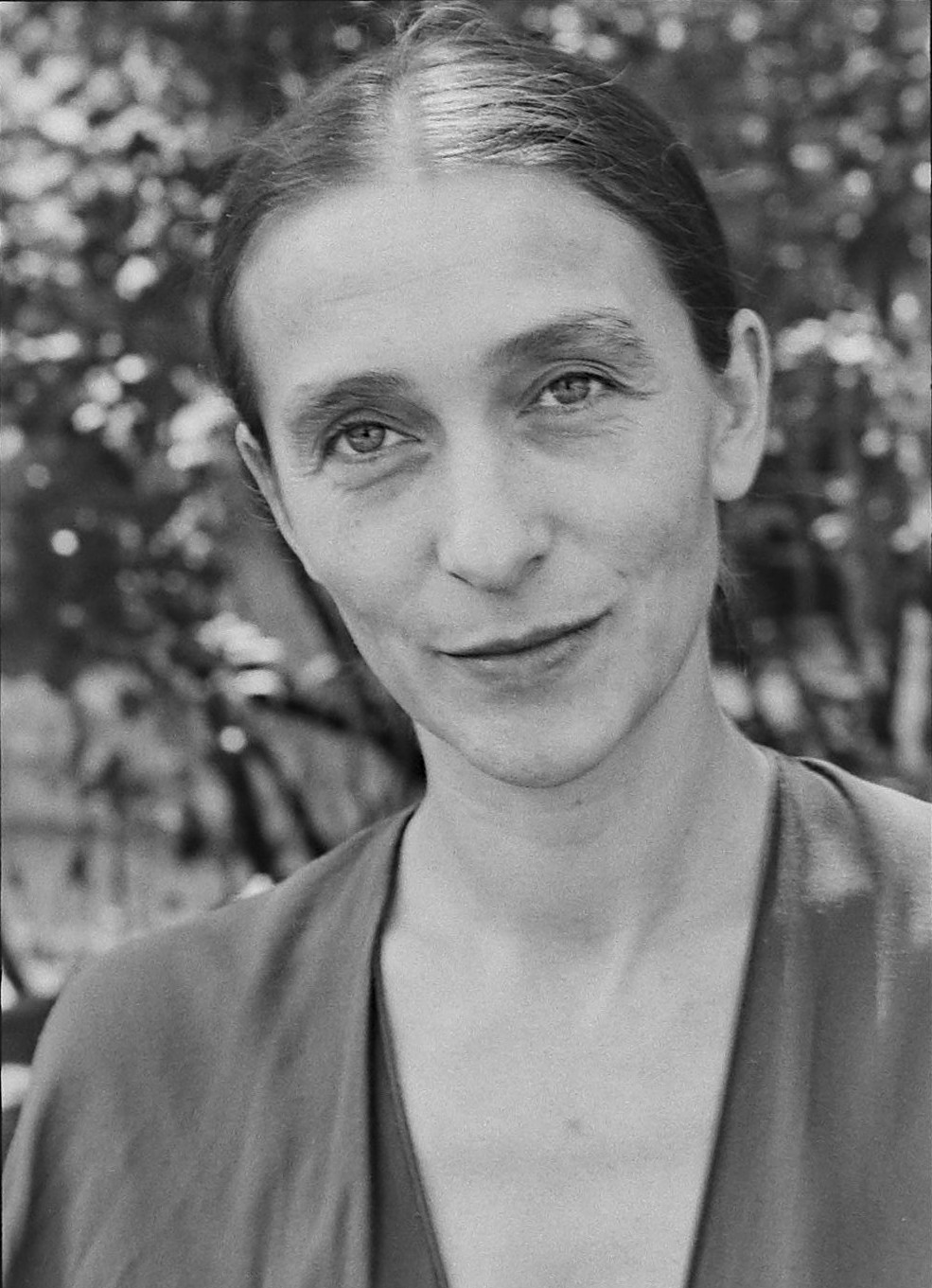
Pina Bausch was born in Solingen, Germany, to August and Anita Bausch, who owned a restaurant with guest rooms. She began performing there at a young age, an experience that later influenced her choreography of Café Müller. In 1955 she was accepted into Kurt Jooss's Folkwangschule in Essen, and after graduating in 1959 she studied at the Juilliard School in New York City with teachers including Antony Tudor, José Limón, Alfredo Corvino, and Paul Taylor.

She performed with Tudor at the Metropolitan Opera Ballet Company and with Paul Taylor at New American Ballet, and collaborated with the Paul Sanasardo and Donya Feuer Dance Company. Returning to Essen in 1962, Bausch joined Jooss's Folkwang-Ballett as a soloist and assistant. She choreographed her first piece, Fragmente, in 1968, and succeeded Jooss as artistic director in 1969.
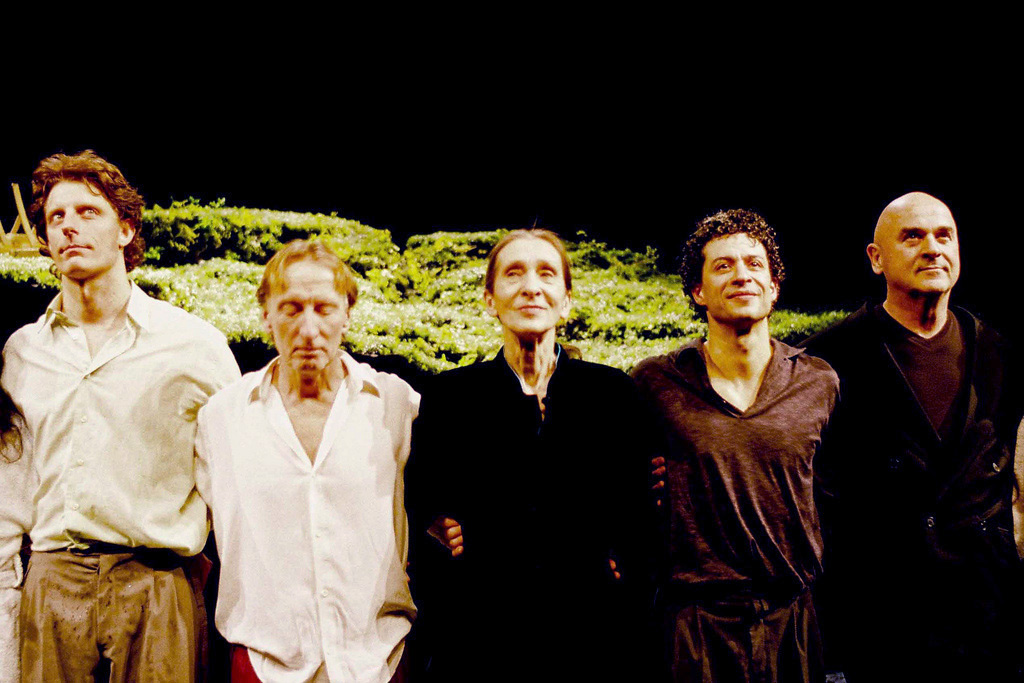
Her 1968 piece Im Wind der Zeit won first place for choreography at the International Summer Academy of Dance in Cologne in 1969. In 1973 she was hired by Arno Wüstenhöfer to run the Opernhaus Wuppertal ballet, renamed it Tanztheater Wuppertal, and faced substantial initial criticism from audiences who found her works violent. Her best-known works include Café Müller (1978) and Frühlingsopfer (The Rite of Spring) (1975).
More in Circus & Performance Art
Test yourself
Three questions drawn from this entry’s sources. Pick an answer to check it.
Answers checked against the source article
Sources
Compiled from Wikipedia and the sources listed below. Text from Wikipedia is available under CC BY-SA 4.0; this entry is adapted from it.
- Wikipedia: Pina Bausch (CC BY-SA 4.0).
Spotted an error? Know more?
Reader corrections go straight into our review queue. Suggest an edit · How this site is sourced