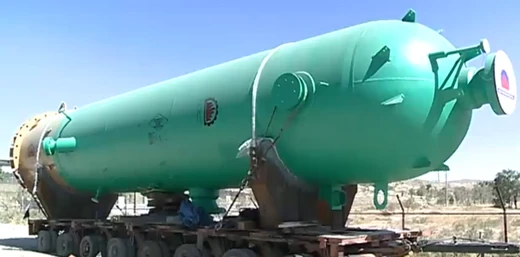
Destructive distillation
A pyrolysis process producing commercial products from organic materials.

GOKLuLe · CC BY-SA 3.0
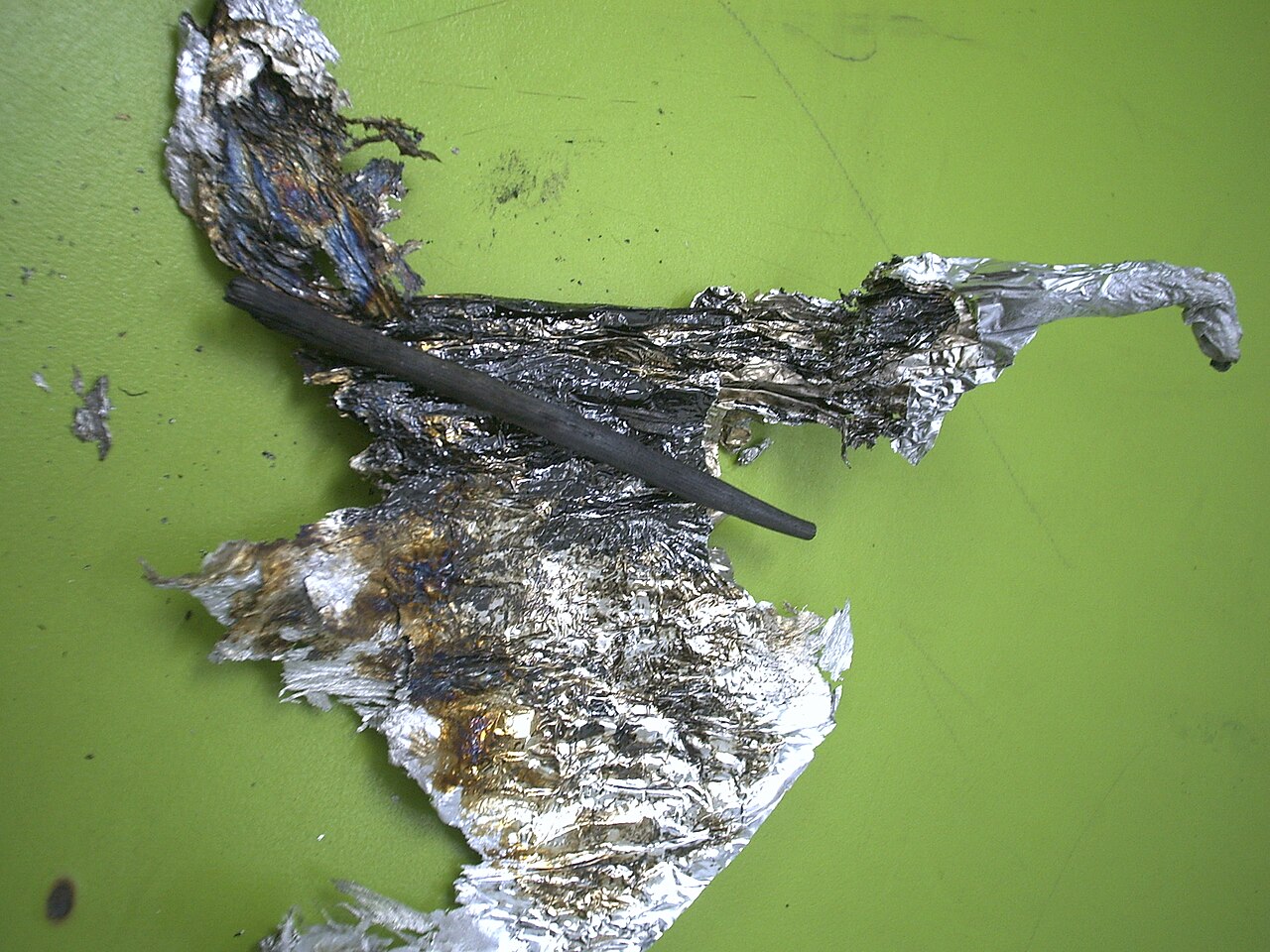
Destructive distillation is a chemical process that decomposes unprocessed material by heating it to a high temperature, typically applied to organic matter in the absence of air or with only limited amounts of oxygen, steam, or other reagents. It is a specific application of pyrolysis, a process that breaks up or "cracks" large molecules into smaller ones. The distillates produced are generally of lower molecular weight, though some fractions can polymerize or condense into larger molecules, forming heat-stable tarry substances and chars. Both cracking and polymerization can occur within the same process, and any class of the resulting products may hold commercial value. Historically, the destructive distillation of coal yielded several important commercial products, including coke, coal gas, gaseous carbon, coal tar, ammonia liquor, and coal oil. While inorganic feedstocks typically produce only a small range of products, organic materials often yield hundreds of different compounds, though not all are commercially significant.
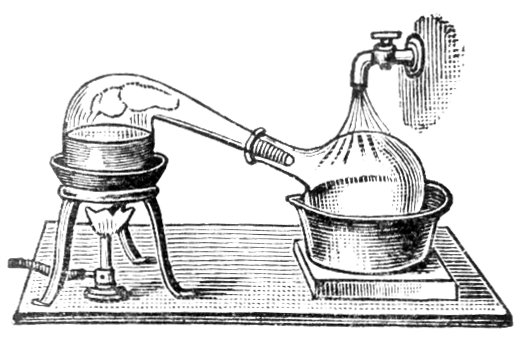
The process has ancient roots. In his work *Natural History*, the Roman naturalist Pliny the Elder described how the destructive distillation of pine wood produced two liquid fractions: a lighter aromatic oil and a heavier pitch. The lighter fraction was released as gases and then condensed and collected. The process is conducted in a distillation apparatus, such as a retort, to capture volatile products. The mass of the collected product is only a fraction of the feedstock’s mass, as much material remains as char, ash, and non-volatile tars—unlike combustion, which consumes most organic matter. Modern destructive distillation is a sophisticated industrial descendant of traditional charcoal burning, remaining significant in regions like Scandinavia. Today, its major industrial application is to coal. Destructive distillation of wood yields methanol, acetic acid, and charcoal; coal processing can produce substantial quantities of coke, ammonia liquor, coal tar, and coal gas. It is also a promising method for recycling monomers from waste polymers and historically led to the discovery of isoprene from natural rubber, enabling the creation of synthetic rubbers like neoprene.
- field
- Chemistry, Industrial Processing
- known_for
- Production of coke, coal gas, coal tar, and other products via pyrolysis of organic materials
- related_process
- Pyrolysis, Dry distillation, Cracking (chemistry)
Lore & Background
Destructive distillation is a chemical process in which decomposition of unprocessed material is achieved by heating it to a high temperature, generally applying to organic material in the absence of air or with limited oxygen. It is an application of pyrolysis that breaks up or 'cracks' large molecules. Historically, the process has produced commercial products such as coke, coal gas, gaseous carbon, coal tar, ammonia liquor, and coal oil from the destructive distillation of coal. The process can produce many compounds from organic materials, often hundreds, though not all are commercially important. Distillates are generally lower molecular weight, but some fractions polymerise or condense into larger molecules, including heat-stable tarry substances and chars.
Reader's Guide
Destructive distillation has been a significant industrial process, with its major current application being to coal. Historically, it led to the discovery of many chemical compounds or elucidation of their structures before organic chemists could synthesise them. For example, the destructive distillation of natural rubber resulted in the discovery of isoprene, which led to the creation of synthetic rubbers such as neoprene. The process is also an increasingly promising method for recycling monomers derived from waste polymers. The modern processes are sophisticated and require careful engineering to produce the most valuable possible products from available feedstocks. Destructive distillation of wood produces methanol and acetic acid, along with charcoal. Destructive distillation of a tonne of coal can produce 700 kg of coke, 100 liters of liquor ammonia, 50 liters of coal tar, and 400 m3 of coal gas. The process is in effect the modern industrial descendant of traditional charcoal burning crafts and is of industrial significance in many regions, such as Scandinavia.
Did You Know?
- Destructive distillation of coal can produce 700 kg of coke, 100 liters of liquor ammonia, 50 liters of coal tar, and 400 m3 of coal gas per tonne.
- The destructive distillation of natural rubber led to the discovery of isoprene, which enabled the creation of synthetic rubbers such as neoprene.
- Pliny the Elder described the destructive distillation of pine wood in his work Natural History, noting two liquid fractions: aromatic oils and pitch.
- Destructive distillation is an increasingly promising method for recycling monomers derived from waste polymers.
Gallery
Frequently Asked Questions
What is destructive distillation?
Destructive distillation is a chemical process in which organic material is heated to very high temperatures in the absence of air or with only limited oxygen, causing its large molecules to break apart. It is essentially a targeted application of pyrolysis used to decompose unprocessed raw material into useful products.
How does destructive distillation differ from ordinary distillation?
In regular distillation a liquid is vaporized and re-condensed to separate existing components, whereas destructive distillation permanently breaks the chemical structure of the starting material through thermal decomposition. The word 'destructive' reflects that the original molecules are chemically altered rather than merely separated.
What commercial products come from destructive distillation of coal?
Subjecting coal to destructive distillation yields coke, coal gas, coal tar, and ammonia liquor as its principal outputs. These products have been commercially valuable since the process became widely industrialized.
How far back does the history of destructive distillation go?
The process dates to at least the Roman era, with Pliny the Elder describing it in his work Natural History. Despite those ancient origins, it remains industrially significant today, particularly in coal processing.
What is the relationship between destructive distillation and pyrolysis?
Destructive distillation is a practical, applied form of pyrolysis in which thermal decomposition of organic material is harnessed to produce specific commercial products. It is closely related to dry distillation and chemical cracking, but specifically targets the breakdown of large organic molecules at high temperature in an oxygen-poor environment.
More in Chemical Reactors And Processes 1-24
Spotted an error? Know more?
This is a living reference — every entry is fact-audited, and reader corrections feed straight into our audit queue. Suggest an edit · See this site's audit record