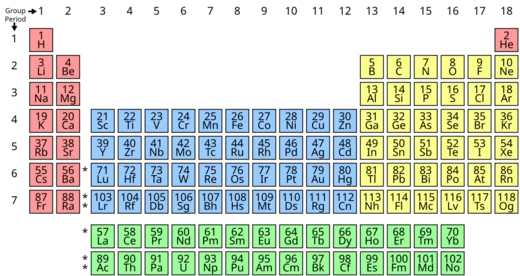
Tungsten
Metal with highest melting point of all known elements.

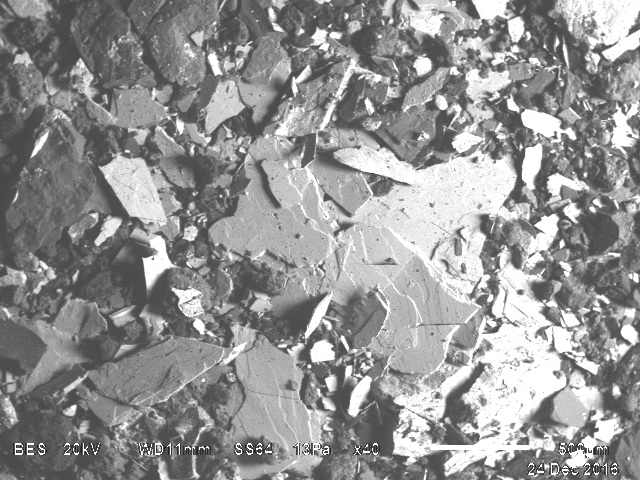
Jwcorone · CC BY-SA 3.0
Tungsten is the chemical element with the symbol W, short for its German name Wolfram, and it sits at atomic number 74 on the periodic table. On Earth, it is almost never found by itself; instead, it occurs naturally locked inside compounds. The two most important ores are scheelite and wolframite—the latter is where its alternative name comes from. Scientists first recognized it as a distinct element in 1781, and they managed to isolate it as a pure metal two years later, in 1783.
What makes tungsten stand out is its sheer toughness. It boasts the highest melting point of any element, at 3,422 °C, and also the highest boiling point, at 5,930 °C. Its density is 19.254 grams per cubic centimeter, putting it in the same league as uranium and gold and making it about 1.7 times denser than lead. In its usual polycrystalline form, tungsten is brittle and hard, which makes it tricky to shape. But if you get pure single-crystalline tungsten, it becomes more ductile—you can even cut it with a hard-steel hacksaw.
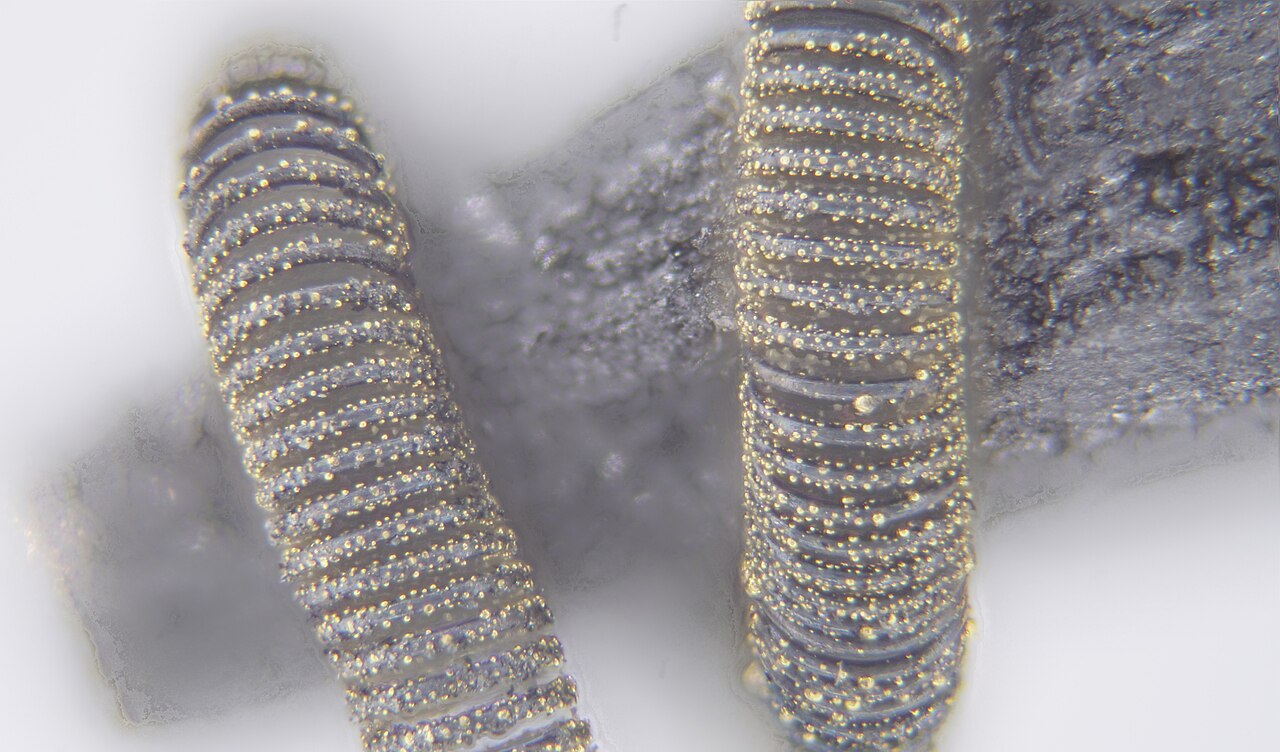
Tungsten shows up in many alloys and has a huge range of uses. You’ll find it in incandescent light bulb filaments, X-ray tubes, electrodes for gas tungsten arc welding, superalloys, and radiation shielding. Its hardness and high density also make it useful for military armor-piercing projectiles. Tungsten compounds often serve as industrial catalysts. But its biggest single use is in tungsten carbide, a wear-resistant material vital for metalworking, mining, and construction. Roughly half of all tungsten goes into tungsten carbide; most of the rest ends up in alloys and steels, with less than 10% used in other compounds.
Tungsten is the only metal in the third transition series that turns up in biomolecules, found in a few species of bacteria and archaea. That said, it messes with how molybdenum and copper work in the body, and it’s somewhat toxic to most animals.
**Physical properties**
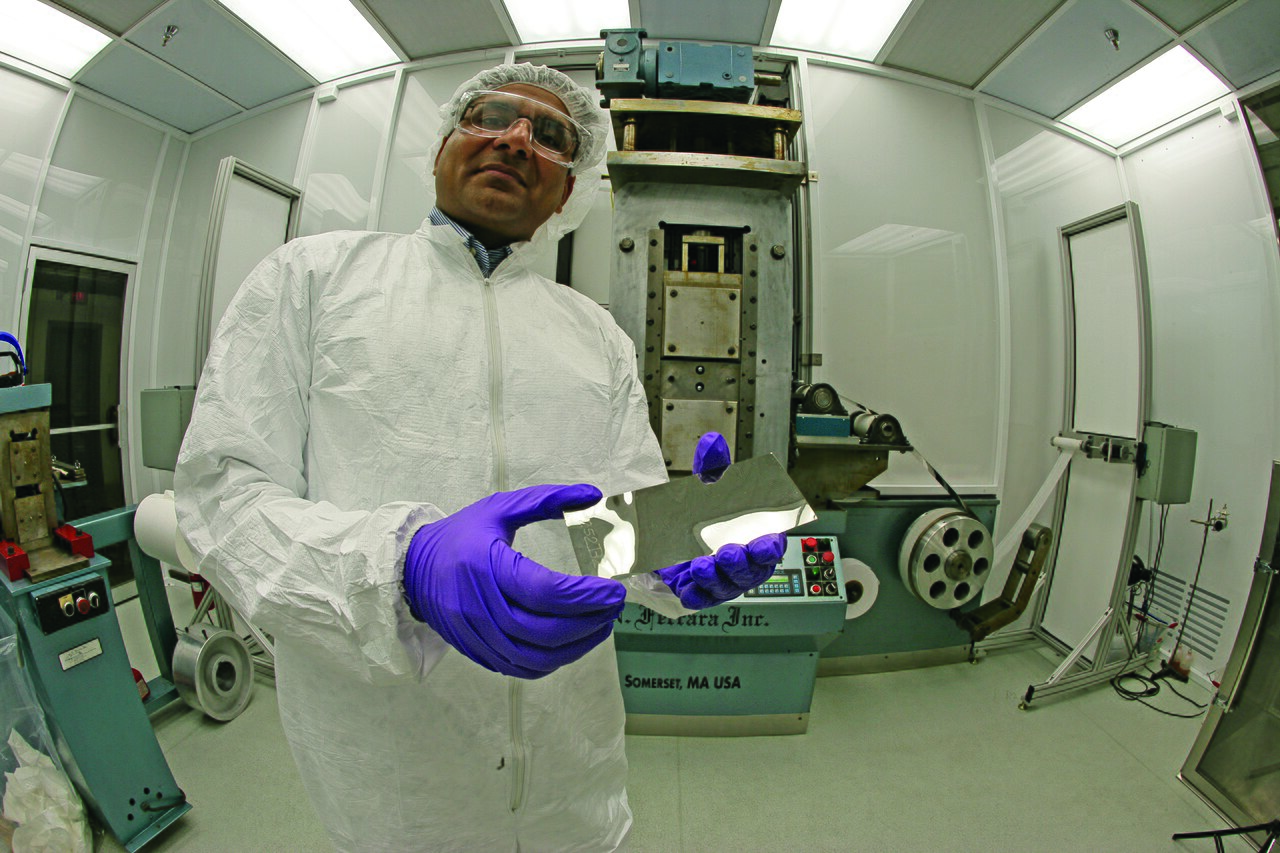
In its raw state, tungsten is a hard, steel-grey metal that tends to be brittle and difficult to work. Purified into a single crystal, it stays very hard—harder than many steels—but becomes malleable enough to be forged, drawn, rolled, or extruded. Most tungsten-based materials are made by sintering tungsten powder with additives, though this leaves the final product more porous.
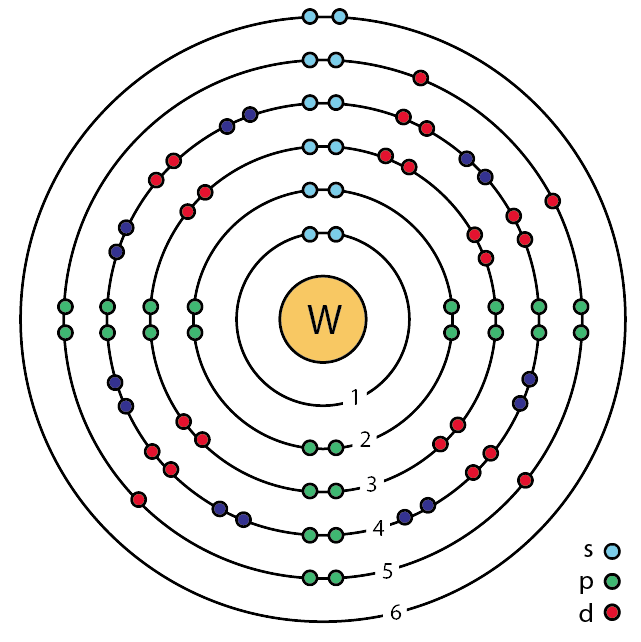
Among all pure metals, tungsten has the highest melting point, the lowest vapor pressure above 1,650 °C, and the highest tensile strength. (Carbon stays solid at even higher temperatures, but it sublimes rather than melting, so it doesn’t have a melting point.) Tungsten’s most stable crystal phase doesn’t change structure under pressures up to at least 364 gigapascals. It also has the lowest coefficient of thermal expansion of any pure metal. These properties—low expansion, high melting point, and high tensile strength—come from strong covalent bonds between tungsten atoms formed by their 5d electrons. Adding even a little tungsten to steel greatly boosts its toughness.
Tungsten has two main crystal forms: α and β. The α phase has a body-centered cubic structure and is the more stable one. The β phase has an A15 cubic structure; it’s metastable but can hang around at room conditions if made under non-equilibrium conditions or stabilized by impurities. While the α phase forms isometric grains, the β phase grows in a columnar shape. The α phase has about one-third the electrical resistivity of the β phase and a much lower superconducting transition temperature—roughly 0.015 K versus 1–4 K. Mixing the two phases lets you get intermediate transition temperatures. Alloying tungsten with another metal, like technetium, can push that temperature up to 7.9 K, and such alloys are sometimes used in low-temperature superconducting circuits.
**Isotopes**
Naturally occurring tungsten has four stable isotopes: 182W, 183W, 184W, and 186W. It also has one very long-lived radioisotope, 180W. In theory, all five could decay into hafnium isotopes by alpha emission, but only 180W has actually been seen doing that, with a half-life of about 1.8 × 10^18 years. That means, on average, each gram of natural tungsten gives off roughly two alpha decays from 180W per year.
Scientists have also created 34 artificial radioisotopes of tungsten. The most stable of these are 181W (half-life 121.2 days), 185W (75.1 days), 188W (69.4 days), 178W (21.6 days), and 187W (23.72 hours). All the other radioactive isotopes have half-lives under 3 hours, and most last less than 8 minutes. Tungsten also has 12 meta states, the most stable being 179mW with a half-life of 6.4 minutes.
**Chemical properties**
Tungsten is mostly unreactive. It doesn’t react with water, most acids or bases, or oxygen at room temperature. But when it gets red-hot, it reacts with oxygen to form tungsten(VI) oxide, WO3. It reacts directly with fluorine gas at room temperature to make tungsten(VI) fluoride, a colorless gas. At around 250 °C, it reacts with chlorine or bromine, and under certain hot conditions, it will react with iodine. Finely divided tungsten is pyrophoric—it can catch fire in air.
The most common oxidation state for tungsten is +6, but it can take on any state from –2 to +6. It typically combines with oxygen to form yellow tungstic oxide, WO3, which dissolves in alkaline water solutions to create tungstate ions, WO42−. Tungsten carbides (W2C and WC) are made by heating powdered tungsten with carbon. W2C resists chemical attack, though it reacts strongly with chlorine.
- symbol
- W
- atomic_number
- 74
- discoverers
- Carl Wilhelm Scheele (identified); José and Fausto Elhuyar (isolated)
Lore & Background
Scheele and Torbern Bergman suggested that it might be possible to obtain a new metal by reducing this acid. Later that year, at the Royal Basque Society in the town of Bergara, Spain, the brothers succeeded in isolating tungsten by reduction of this acid with charcoal, and they are credited with the discovery of the element (they called it 'wolfram' or 'volfram'). The strategic value of tungsten came to notice in the early 20th century. In World War II, tungsten played a more significant role in background political dealings. Portugal, as the main European source of the element, was put under pressure from both sides because of its deposits of wolframite ore at Panasqueira. Tungsten's desirable properties such as resistance to high temperatures, its hardness and density, and its strengthening of alloys made it an important raw material for the arms industry, both as a constituent of weapons and equipment and employed in production itself, e.g., in tungsten carbide cutting tools for machining steel. Elemental tungsten is mostly used in the 21st century to make the alloy tungsten steel, but it also finds uses in the filaments of incandescent lamps as well as turbine blades.
Reader's Guide
Its hardness and high density make it suitable for military applications in penetrating projectiles, and it is widely used in alloys, incandescent light bulb filaments, X-ray tubes, electrodes in gas tungsten arc welding, superalloys, and radiation shielding. The largest use of tungsten is in tungsten carbide, a wear-resistant material used in metalworking, mining, and construction, accounting for about 50% of tungsten consumption. Tungsten is also the only metal in the third transition series known to occur in biomolecules, found in a few species of bacteria and archaea, though it interferes with molybdenum and copper metabolism and is somewhat toxic to most animal life. Its discovery in the late 18th century by Scheele and the Elhuyar brothers, and its strategic importance in both World Wars, underscore its lasting impact on industry and technology.
Did You Know?
- Tungsten is the only metal in the third transition series known to occur in biomolecules, found in a few species of bacteria and archaea.
- About 50% of tungsten is used in tungsten carbide, a wear-resistant material.
Discovery, Naming & Mineral Origins
Tungsten, bearing the atomic number 74, was recognized as a distinct chemical element in 1781 and subsequently isolated in metallic form just two years later, in 1783. Its familiar symbol, W, traces back to the German word Wolfram, a name that also gave rise to one of its principal ores, wolframite. The other key ore is scheelite. In nature, tungsten is almost never encountered as a free metal; instead, it persists in the Earth's crust locked within compounds alongside other elements. This stubborn refusal to exist in elemental form made its identification and isolation a genuine milestone in eighteenth-century chemistry. The element's dual naming heritage—tungsten in most languages, wolfram in German-speaking regions—reflects the intertwined European scientific traditions that brought it to light. Today, that historical duality survives in the periodic table's single-letter symbol, a quiet nod to the mineralogical roots from which the metal was first wrested.
Thermal Extremes & Structural Hardness
Tungsten stands apart from every other known element in its extraordinary thermal endurance. It holds the record for the highest melting point among all elements at 3,422 °C, and its boiling point reaches 5,930 °C, both figures that dwarf those of any other substance on the periodic table. Carbon, while it remains solid at even higher temperatures, sublimes rather than truly melts at atmospheric pressure, so it cannot claim a melting point in the conventional sense. Beyond heat resistance, tungsten boasts the lowest coefficient of thermal expansion of any pure metal and the highest tensile strength, properties that stem from the strong covalent bonding produced by its 5d electrons. Its density of 19.254 g/cm³ places it in the same neighborhood as gold and uranium, roughly 1.7 times heavier than lead. In its raw, polycrystalline state the metal is brittle and notoriously difficult to machine, yet purified single-crystal tungsten becomes ductile enough to be cut with a hard-steel hacksaw. The element also exists in two crystalline phases, a stable body-centered cubic α form and a metastable A15 cubic β form, each with distinct electrical and superconducting behaviors.
Industrial Workhorse & Military Utility
Roughly half of all tungsten extracted worldwide is converted into tungsten carbide, a wear-resistant composite that serves as the backbone of metalworking tooling, mining equipment, and construction hardware. The remaining major share goes into alloys and steels, where even small additions of tungsten dramatically boost toughness and hardness. Other critical applications exploit the metal's extreme melting point and density: incandescent light bulb filaments, X-ray tube components, electrodes for gas tungsten arc welding, superalloys for high-temperature engineering, and radiation shielding panels. In military contexts, tungsten's combination of hardness and high density makes it ideal for penetrating projectiles. Tungsten compounds also find widespread use as industrial catalysts, though this accounts for less than ten percent of total consumption. The versatility of this single element spans from the glow of a household bulb to the cutting edge of a mining drill bit, a testament to how one material's physical extremes can be harnessed across an astonishing range of human technology.
Chemical Inertia & a Singular Biological Niche
Under ordinary conditions, tungsten is remarkably inert: it shrugs off water, resists attack by most acids and bases, and shows no reaction with oxygen or air at room temperature. Only when heated to red-hot temperatures does it surrender to oxygen, yielding the yellow trioxide WO₃. At room temperature, however, it will react directly with fluorine gas to produce the colorless hexafluoride WF₆, and at around 250 °C it engages chlorine or bromine. Its most common oxidation state is +6, though it can exhibit every state from −2 to +6. In aqueous alkaline solution, tungsten forms tungstate ions that, under progressively acidic conditions, cascade through paratungstate and metatungstate anions. Biologically, tungsten occupies a singular niche: it is the only metal in the third transition series known to appear in biomolecules, hosted by certain species of bacteria and archaea. For most animal life, though, tungsten is somewhat toxic, interfering with molybdenum and copper metabolism—a reminder that even the most industrially indispensable elements carry biological consequences.
Gallery
Frequently Asked Questions
Who is Tungsten?
Tungsten is a metallic element sitting at atomic number 74 on the periodic table, bearing the symbol W taken from its German name, Wolfram. In nature it almost never appears as a free-standing metal but is locked inside mineral compounds instead.
What are Tungsten's signature abilities?
Its defining trait is holding the highest melting point of any known element, giving it an almost superhuman resistance to extreme heat. That extraordinary robustness makes it a go-to material in industrial tooling and military hardware where failure under stress is unacceptable.
What is Tungsten's origin story?
Swedish chemist Carl Wilhelm Scheele first identified the element, and the Spanish brothers José and Fausto Elhuyar later succeeded in isolating it in metallic form. Its two principal ores, scheelite and wolframite, are the mineral hosts from which it is typically extracted.
Why is Tungsten so important to the broader elemental community?
Because no other metal tolerates temperatures as extreme as tungsten does, it fills a critical role in applications spanning light-bulb filaments to aerospace and defense components. Its sheer structural toughness covers a niche that no lighter or softer element can replicate.
Where can fans find Tungsten in the wild?
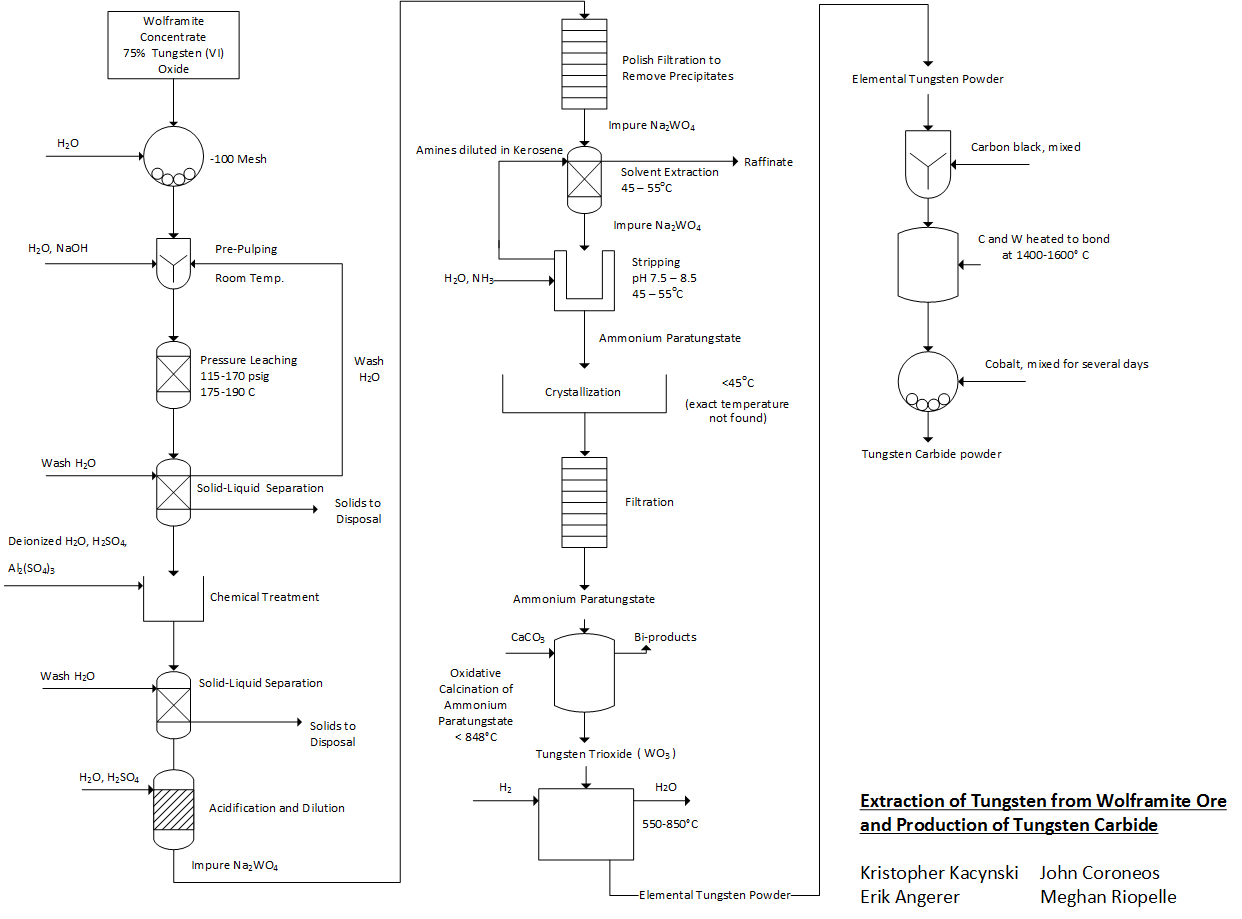
You will not stumble upon pure tungsten in nature; it is bound inside compounds such as scheelite and wolframite ores. Mining and chemical processing are required to free the element from those mineral hosts.
More in Chemical Elements 1-16
Spotted an error? Know more?
This is a living reference — every entry is fact-audited, and reader corrections feed straight into our audit queue. Suggest an edit · See this site's audit record