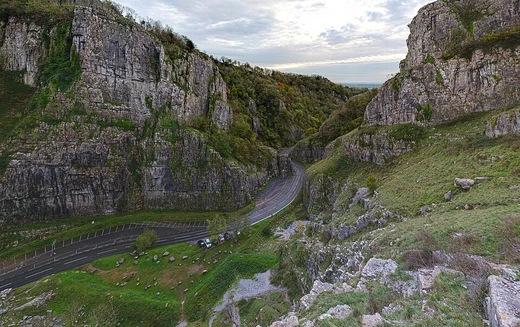
Xiling Gorge
Easternmost and largest of the Three Gorges.

Xiling Gorge is the easternmost and largest of the Three Gorges on the Yangtze River, located in Hubei province. It stretches from the village of Xiangxi, situated in Zigui County where a stream of the same name meets the river between Guizhou Town and Quyuan Town, down to the western outskirts of Yichang. The gorge takes its name from Mount Xiling, a peak at its eastern end, a designation recorded as early as the Three Kingdoms period in the geographical work *Shui Jing Zhu*. Rather than a single canyon, Xiling Gorge is a series of four distinct gorges: Precious Sword Gorge, Horse Lung and Ox Liver Gorge, Soundless Bell Gorge, and Shadow Play Gorge. Together, these sections account for nearly half the total length of the entire Three Gorges region. Historically, before the construction of the Gezhouba Dam and the Three Gorges Dam—the latter built at Sandouping in the middle of Xiling Gorge—this stretch was considered the most hazardous of the three to navigate, notorious for its powerful rapids and dangerous whirlpools. The damming of the river has dramatically altered the waterway: in some areas below the dam, the river’s depth has increased from a few meters to well over a hundred meters throughout the reservoir’s length. The gorge lies within Zigui County and Yiling District, in the western part of Hubei province.
- location
- Hubei province, China
- part_of
- Three Gorges
- type
- Gorge
- length_relative
- Forms nearly half the length of the Three Gorges region
- known_for
- Most dangerous of the Three Gorges before dam construction; site of Three Gorges Dam
Lore & Background
Xiling Gorge, the easternmost and largest of the Three Gorges on the Yangtze River in Hubei province, derives its name from Mount Xiling, a peak at the gorge’s eastern end. This name has been in use since at least the Three Kingdoms period, as recorded in the geographical work *Shui Jing Zhu*. The gorge spans from Xiangxi village in Zigui County, where the Xiangxi stream meets the river between Guizhou Town and Quyuan Town, downstream to the western outskirts of Yichang. It is not a single gorge but a series of four distinct gorges: Precious Sword, Horse Lung and Ox Liver, Soundless Bell, and Shadow Play Gorges. Together, these sections account for nearly half the total length of the entire Three Gorges region. Historically, before the construction of the Three Gorges Dam at Sandouping and the Gezhouba Dam, Xiling was considered the most treacherous of the three gorges for navigation, notorious for its powerful rapids and dangerous whirlpools. The dams have since transformed the river, increasing its depth from shallow areas below the dam to well over a hundred meters throughout the reservoir’s length. The gorge lies within Zigui County and Yiling District, in the western part of Hubei province.
Reader's Guide
Xiling Gorge, the easternmost and largest of the Three Gorges, comprises a series of four distinct gorges: Precious Sword; Horse Lung and Ox Liver; Soundless Bell; and Shadow Play Gorges. Together, they account for nearly half the total length of the entire Three Gorges region. The gorge takes its name from Mount Xiling, a peak at its eastern end, a designation recorded as early as the Three Kingdoms period in the geographical work *Shui Jing Zhu*. Historically, Xiling was notorious as the most treacherous of the three gorges for navigation, characterized by dangerous whirlpools and powerful rapids. Its location spans from the village of Xiangxi in Zigui County, where the Xiangxi stream meets the Yangtze, down to the western outskirts of Yichang. The area’s geography was dramatically altered by the construction of the Three Gorges Dam at Sandouping, situated within the middle of Xiling Gorge, and the Gezhouba Dam. Before these dams, the river’s depth varied significantly, but afterward, the water level increased from shallow sections below the dam to well over a consistent depth throughout the reservoir. This transformation eliminated the perilous conditions that once defined the gorge, fundamentally changing its character and navigability.
Did You Know?
- Xiling Gorge is the easternmost and largest of the Three Gorges.
- It is named after Mt. Xiling, a peak at its eastern end, a name recorded since at least the Three Kingdoms period.
- The Three Gorges Dam was constructed at Sandouping in the middle of Xiling Gorge.
- Before dam construction, Xiling was the most dangerous of the Three Gorges, with whirlpools and strong rapids.
More in Caves & Gorges 1-23
Spotted an error? Know more?
This is a living reference — every entry is fact-audited, and reader corrections feed straight into our audit queue. Suggest an edit · See this site's audit record