World Cancer Day
International day to raise cancer awareness and encourage action.

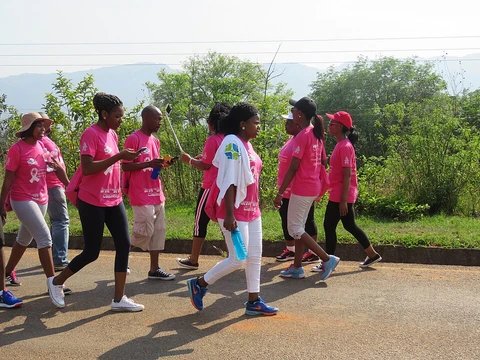
Every year on 4 February, World Cancer Day works to increase public understanding of cancer and promote steps to prevent, detect, and treat the disease. The Union for International Cancer Control (UICC) coordinates the day, which backs the aims of the 2008 World Cancer Declaration. Its main objective is to cut the number of illnesses and deaths from cancer, while also bringing the global community together to fight the unfairness of cancer suffering that could have been avoided. The day targets false information, raises awareness, and works to lessen stigma. Many events and initiatives around the world show support for people affected by cancer.
The day was first observed on 4 February 2000, following the World Cancer Summit Against Cancer for the New Millennium in Paris. At that summit, the Charter of Paris against cancer was signed by UNESCO’s then Director-General Kōichirō Matsuura and French President Jacques Chirac. That charter, which aimed to boost research, prevent cancer, and improve patient services, also included a clause making the anniversary of its signing World Cancer Day.
World Cancer Day uses rotating themes. For 2025–2027, the theme is “United by Unique,” which puts people at the center of care and their stories at the heart of the conversation. From 2022 to 2024, the theme was “Close the care gap,” focusing on removing differences in cancer care access based on country income, age, gender, ethnicity, and other factors. The 2019–2021 theme, “I Am and I Will,” pushed back against fatalistic attitudes by highlighting how personal actions can make a difference. In 2016, a three-year campaign began with the tagline “We can. I can.,” looking at both collective and individual power to lessen cancer’s impact. Earlier themes included “Not Beyond Us” (2015) and “Debunk the Myths” (2014).
Cancer is closely tied to the Sustainable Development Goals (SDGs), especially SDG 3.4, which aims to cut non-communicable disease deaths—including cancer—by one-third through prevention and treatment. The disease creates a heavy economic and social burden, particularly in low- and middle-income countries, where most cancer deaths occur. Reducing that burden helps address social and economic inequality and supports sustainable development.
Quick Facts
- Holiday Name
- World Cancer Day
- Nickname
- WCD
- Date
- 4 February
- Scheduling
- same day each year
- Duration
- 1 day
- Frequency
- Annual
- Observances
- Awareness of cancer and its prevention
- Relatedto
- Cancer Disease
Facts from the source article.
Lore & Background
World Cancer Day was established on 4 February 2000 at the World Cancer Summit Against Cancer for the New Millennium, held in Paris. The Charter of Paris against cancer, created to promote research, prevent cancer, and improve patient services, included an article establishing the anniversary of its official signing as World Cancer Day. The Charter was signed at the Summit by the then General Director of UNESCO, Kōichirō Matsuura, and then French President Jacques Chirac in Paris on 4 February 2000.
Reader's Guide
World Cancer Day targets misinformation, raises awareness, and reduces stigma. Multiple initiatives are run to show support for those affected by cancer, and hundreds of events take place around the world. The day is marked by the international cancer community, governments, and individuals. Each year, nearly 1,000 activities occur in over 100 countries, generating over 25,000 press mentions in more than 150 countries and half a million social media mentions. In 2024, nearly 140 landmarks in 80 countries were lit in orange and blue, and at least 60 governments officially observe the day. The day also connects to the Sustainable Development Goals, particularly SDG 3.4, which targets reducing non-communicable disease deaths, including cancer, by one-third through prevention and treatment. Cancer represents a significant burden, especially in low- and middle-income nations, and reducing that burden is important for achieving sustainable development.
More in Cancer awareness 1-24
Spotted an error? Know more?
Reader corrections go straight into our review queue. Suggest an edit · How this site is sourced