Bone Cancer Research Trust
Charity funding research and support for primary bone cancer.

Cancer Research UK · CC BY-SA 4.0
The Bone Cancer Research Trust (BCRT) is a UK-based charity, registered in England and Wales in 2006, that works internationally to combat primary bone cancer. Its mission includes funding research, spreading awareness, supplying patient information, and offering support. The charity focuses on several types of primary bone cancer: osteosarcoma, Ewing's sarcoma, chondrosarcoma, chordoma, spindle cell sarcoma, and adamantinoma.
The organisation began as a parents' group in September 2004. Five families, each having lost a child to osteosarcoma, came together wanting more research into this rare cancer to improve outcomes for future patients. The group grew as other families joined, including one from Ireland whose child had faced Ewing sarcoma. This expansion pooled skills, enthusiasm, and funds already raised. The families combined £176,000 to launch the charity and finance its first research projects. BCRT became a registered charity in March 2006, and by September that year, its first two research grant applications were approved.
Typically, the charity issues two calls for research proposals each year. So far, it has funded 83 projects, spending a total of £3.9 million.
The founding families were troubled by the shortage of reliable information on primary bone cancer. At the time, few detailed resources existed in the UK or online. Today, alongside funding research, providing information is a core activity. BCRT offers both online and printed materials on primary bone cancers for patients, families, the public, media, and healthcare professionals. Currently, detailed information is available on osteosarcoma, Ewing sarcoma, and chondrosarcoma, along with a glossary and medical dictionary.
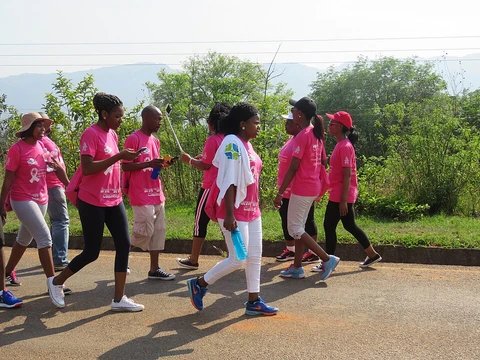
Each October, the charity holds an annual Awareness Week. Supporters carry out various activities, with the main campaign being "Bake a Cake for Bone Cancer." Another key event is the annual Patients' and Supporters' Conference, which connects patients and parents with professionals whose work affects those diagnosed with bone cancer.
The charity relies almost entirely on public donations. It raises money through donations, community fundraising events, retail, and legacies. Fundraising events are often promoted on social media with the hashtag #TeamBones.
Quick Facts
- Formation
- March 2006
- Founders
- Debbie McCartney, / Gill Johnstone, / Ian Lewis, / Gill Callar, Lin Carvell, / Mike & Ross Francis, / Patricia Smith, Rob Grimer, / Nick Bones, Teresa Thompson, / Patrick Hardman
- Registration Id
- 1159590
- Headquarters
- Horsforth, Leeds
- Owner
- <!-- or
Facts from the source article.
Lore & Background
The Bone Cancer Research Trust began as a parents' group in September 2004, formed by five families who had lost children to osteosarcoma and wanted more research into this rare cancer. The group expanded with families, including one from Ireland, whose children had battled Ewing sarcoma. The families pooled £176,000 to start the charity and fund initial research. The trust became a registered charity in March 2006, and by September 2006, the first two research grant applications were accepted.
Reader's Guide
The Bone Cancer Research Trust addresses a critical gap in primary bone cancer research and patient information. Founded by bereaved families, it has funded 83 projects totaling £3.9 million as of the article's writing. The charity provides detailed information on osteosarcoma, Ewing sarcoma, and chondrosarcoma, along with a glossary, filling a void in reliable resources. Its annual Awareness Week in October, featuring the 'Bake a Cake for Bone Cancer' campaign and a Patients' and Supporters' Conference, engages the public and professionals. The trust is almost entirely publicly funded and holds NIHR Partner status, working with organizations like the Teenage Cancer Trust. Its board includes researchers, clinicians, and former patients, ensuring diverse governance. The charity's legacy lies in its sustained research funding and information provision, driven by the original families' determination to improve outcomes for future patients.
Did You Know?
- The charity was initially a parents' group started in September 2004 by five families who lost children to osteosarcoma.
- The charity has funded 83 projects totalling £3.9 million.
- The charity produces a twice-yearly newsletter entitled 'United'.
From Grief to Purpose: The Founding Story
The Bone Cancer Research Trust traces its roots to a deeply personal moment of collective loss. In September 2004, five families who had each lost a child to osteosarcoma came together with a shared determination: they wanted to see more research conducted into this rare form of cancer so that future patients might have better outcomes. What began as a small parents' group quickly grew as additional families joined, including one from Ireland whose child had fought Ewing sarcoma. This expansion brought together diverse skills, enthusiasm, and funds that had already been raised by individual families. Together, the group pooled £176,000 to launch the charity and underwrite its first research projects. The Bone Cancer Research Trust was formally registered as a charity in England and Wales in March 2006 under Charity Number 1159590. Just six months later, in September 2006, the first two successful applications for research grants had been accepted, marking the transition from a grieving community to an active, funded research organisation operating with an international reach from its UK base.
Funding the Science: Scope and Scale
The core mission of the Bone Cancer Research Trust is to finance scientific investigation into primary bone cancer, a group of rare malignancies that affects both children and adults. The charity specifically targets research into osteosarcoma, Ewing's sarcoma, chondrosarcoma, chordoma, spindle cell sarcoma, and adamantinoma, ensuring that even the least common subtypes receive attention. Operating from the United Kingdom while maintaining an international footprint, the trust typically issues two research funding calls each year, giving investigators a regular opportunity to submit proposals. To date, the charity has backed 83 individual research projects, committing a total of £3.9 million toward advancing understanding of these aggressive cancers. This sustained investment reflects the trust's founding families' original wish to improve outcomes for future sufferers. By concentrating resources on a narrow but critical field, the Bone Cancer Research Trust fills a gap that larger, more general cancer charities might overlook, channeling public generosity directly into the laboratories and clinical studies where new treatments are being developed.
Building a Community: Awareness, Information, and Connection
When the founding families of the Bone Cancer Research Trust began their work, they were struck by how little reliable, detailed information existed about primary bone cancers—both in the United Kingdom and across the wider internet. That gap became a driving force behind one of the charity's key activities today: providing accessible information in both online and printed formats for patients, their families, the general public, media outlets, and health care professionals. The trust currently offers detailed resources on osteosarcoma, Ewing sarcoma, and chondrosarcoma, along with a glossary and medical dictionary to help people navigate complex terminology. Beyond information, the trust cultivates a sense of community through its annual Awareness Week in October, during which supporters participate in activities centred around the "Bake a Cake for Bone Cancer" campaign. A further highlight is the annual Patients' and Supporters' Conference, which gathers patients, parents, and the many professionals involved in their care into one room. The twice-yearly newsletter "United" and the social media tag #TeamBones further bind this dispersed community together.
Leadership, Partnerships, and Public Support
The Bone Cancer Research Trust is governed by a board of trustees that blends clinical expertise, scientific research, and lived patient experience. The current chair is Professor Alison Gartland, a research-active cell biologist, while the deputy chair is Elizabeth Eatock. The wider board includes Gill Johnstone, a founder and patient parent; consultant orthopaedic surgeon Jonathan Stevenson; consultant paediatric oncologist Professor Bernadette Brennan; former patients Arlene Eves and Damian Harper; and Dr Darrell Green, a research-active molecular biologist and geneticist. This mix ensures decisions reflect both medical rigour and the realities of those living with a bone cancer diagnosis. The trust holds National Institute for Health and Care Research Partner status and collaborates closely with The Teenage Cancer Trust and the Information Standard. Its work is almost entirely funded by the public through donations, community fundraising events, retail, and legacies. High-profile backing comes from celebrity ambassador Sam Waley-Cohen and a roster of supporters including James Corden, Paterson Joseph, Piers Morgan, Amanda Holden, Ben Shephard, Aled Jones, and Diane-Louise Jordan.
Gallery
More in Cancer awareness 1-24
Spotted an error? Know more?
Reader corrections go straight into our review queue. Suggest an edit · How this site is sourced