
Pantheist (band)
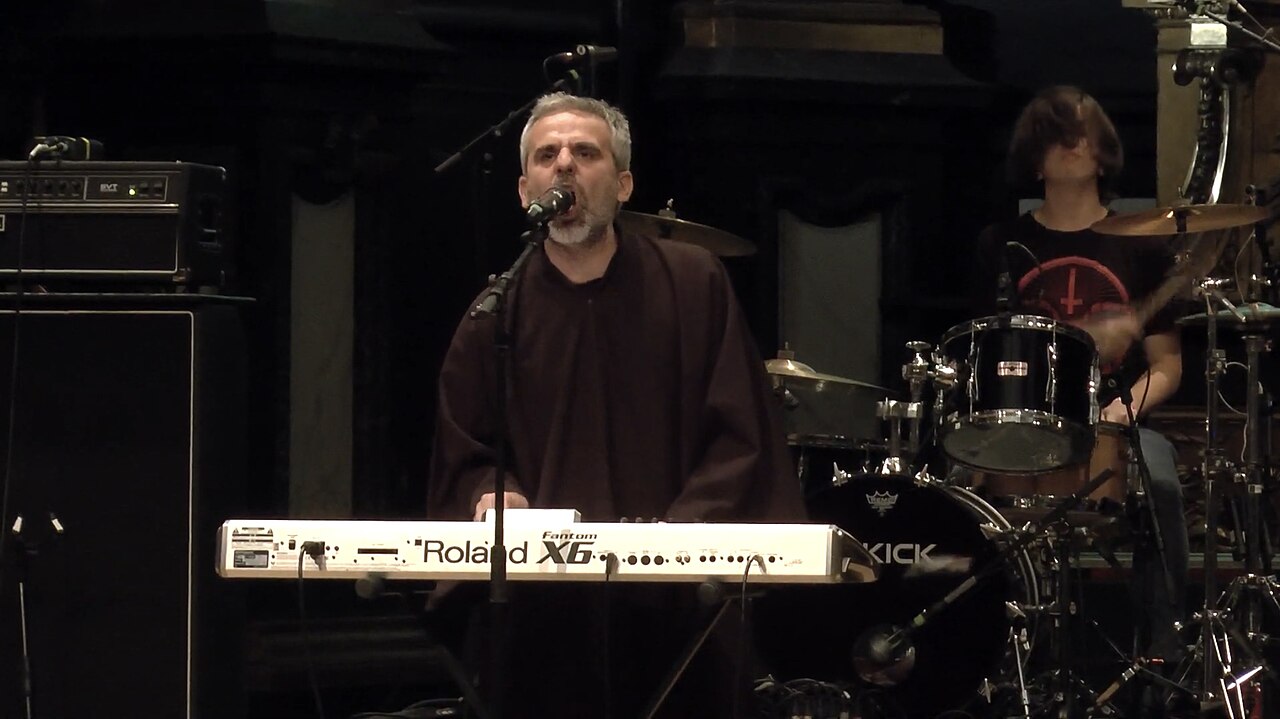
Belgian-British funeral doom band formed by Kostas Panagiotou.

Ju955 · CC BY-SA 4.0
Pantheïst (stylised with a diaeresis) is a funeral doom band with roots in both Belgium and the United Kingdom. It was founded in 2000 by Greek musician Kostas Panagiotou in Antwerp, Belgium. The project began as a solo effort; Panagiotou recorded a synth ambient demo that was never released. He then brought in guitarist Nicolas Tambuyser, and the pair cut the band’s first demo, *1000 Years*, in 2001. Bassist Frédéric Caure and drummer Oscar Strik joined in 2002, and the lineup released the debut album *O Solitude* in 2003 via Firebox Records. The following year, Caure and Strik left over musical differences, replaced by drummer Kris Villez and bassist Wim Boey.
In 2004, Panagiotou relocated the band to the United Kingdom, though Tambuyser remained in Belgium and stayed a member. For the second album, *Amartia* (2005), session musicians Mark Bodossian and Andy Semmens—both from Esoteric—handled bass and drums/vocals respectively. Around that time, guitarist Ilia Rodriguez joined, and with Semmens focusing on vocals, Sterghios Moschos came in on drums; this lineup produced the EP *The Pains of Sleep*. The third studio album, *Journey Through Lands Unknown*, was recorded at Priory Recording studios and released in 2008 after 18 months of writing and production.
The band’s self-titled fourth album, *Pantheist*, arrived in 2011 through Grau Records. It marked a stylistic shift toward a more progressive form of doom metal, incorporating progressive rock, dark wave, and new wave. In 2016, Panagiotou published a 145-page science fiction novel, *Events (Or Professor Losaline’s Extraordinary Journey into the Unknown)*, alongside his solo EP *Chapters*; each of the EP’s six tracks corresponds to a chapter of the book. The novel was intended to fund the production of Pantheist’s fifth full-length, *Seeking Infinity* (2018). That album returned to the band’s earlier funeral doom and death-doom style, while retaining some progressive and neofolk metal elements.
Current members are Kostas Panagiotou (vocals, keyboards), Xander (guitar), and Daniel Neagoe (drums).
Quick Facts
- Origin
- Antwerp, Belgium
- Genre
- Funeral doom metal / progressive doom
- Years Active
- 2000–present
- Label
- Melancholic Realm Productions, Firedoom Music, Firebox Records, Grau Records
- Current Members
- Kostas Panagiotou, Daniel Neagoe, Xander
Facts from the source article.
Lore & Background
For their second album Amartia (2005), Pantheist used session musicians Mark Bodossian and Andy Semmens of Esoteric on bass and drums/vocals respectively. Ilia Rodriguez joined on guitar, and Sterghios Moschos took over drums, producing the EP The Pains of Sleep. Their third album Journey Through Lands Unknown (2008) took 18 months to write and produce. In 2011, the self-titled fourth album marked a shift to a more progressive style incorporating progressive rock, dark wave, and new wave. In 2016, Panagiotou released a 145-page science fiction novel Events (Or Professor Losaline’s Extraordinary Journey into the Unknown) alongside his solo EP Chapters, with each track accompanying a chapter, to fund the band's fifth album Seeking Infinity (2018), which returned to traditional funeral doom while retaining progressive and neofolk elements.
Reader's Guide
Pantheist's significance lies in their evolution within the funeral doom genre, from a solo project to a collaborative band that incorporated progressive rock, dark wave, and neofolk influences. Their 2011 self-titled album represented a notable stylistic departure, while Seeking Infinity (2018) reaffirmed their roots. The band's frequent lineup changes, including session musicians from Esoteric, reflect a fluid creative process. Panagiotou's 2016 novel and accompanying EP demonstrate a cross-media approach to funding and expanding the band's artistic output. Their discography, spanning from O Solitude (2003) to Closer to God (2021), shows a sustained presence in the underground metal scene. The band's legacy includes influencing the fusion of funeral doom with progressive elements, as well as maintaining a dedicated following through stylistic experimentation.
Did You Know?
- The band's 2011 self-titled album incorporated elements of progressive rock, dark wave, and new wave.
- In 2016, frontman Kostas Panagiotou released a 145-page science fiction novel alongside a solo EP to fund the band's fifth album.
- The band's third album Journey Through Lands Unknown took 18 months to write and produce.
Origins in Antwerp: A Solo Project Becomes a Band
Pantheist, stylised as Pantheïst, traces its origins to 2000, when Greek musician Kostas Panagiotou launched what began as a solo synth ambient project in Antwerp, Belgium. That initial demo was never released, but it planted the seed for something far heavier. Guitarist Nicolas Tambuyser soon joined the fold, and the pair recorded the 1000 Years demo in 2001. The lineup solidified in 2002 with the addition of bassist Frédéric Caure and drummer Oscar Strik. Their debut full-length, O Solitude, arrived in 2003 through Firebox Records, firmly establishing the band's funeral doom identity. Creative friction, however, led Caure and Strik to part ways in 2004, citing musical differences, and were briefly replaced by Kris Villez on drums and Wim Boey on bass. Those formative years were shaped by a cross-border Belgian-Greek collaboration and an unwavering commitment to the slow, crushing weight of doom metal.
A Transnational Band in Constant Flux
In 2004, Panagiotou relocated the band's operations to the United Kingdom, though Tambuyser remained in Belgium and continued as a member. This transnational structure shaped a highly collaborative, session-friendly approach. For the second album, Amartia (2005), Esoteric members Mark Bodossian and Andy Semmens contributed bass and drums/vocals respectively. Guitarist Ilia Rodriguez and drummer Sterghios Moschos also joined during this period, producing the Pains of Sleep EP. The roster proved remarkably fluid over the following years: Peter Benjamin, Pepijn van Houwelingen, Aleksej Obradovic, Valter Cunha, Frank Allain, and Siebe Hermans all passed through in various roles between 2005 and 2019. By 2019, the current lineup crystallised around Panagiotou on vocals and keyboards, Xander on guitar, and Daniel Neagoe on drums. This constant evolution kept the music fresh while Panagiotou remained the sole continuous thread from the very beginning.
Charting a Musical Arc Across Six Releases
Pantheist's studio albums chart a deliberate arc through subgenres of heavy music. O Solitude (2003) and Amartia (2005) anchored the band firmly in funeral doom, while Journey Through Lands Unknown (2008), recorded over eighteen months at Priory Recording Studios, deepened that atmospheric weight. The 2011 self-titled album, released on Grau Records, marked a significant pivot toward progressive doom, weaving in progressive rock, dark wave, and new wave influences. Then in 2018, Seeking Infinity signalled a return to the band's traditional funeral doom and death-doom foundations, though it retained traces of the progressive and neofolk elements explored previously. The 2021 release, Closer to God, continued this trajectory. Three EPs—The Pains of Sleep (2005), Unveiling the Signs (2010), and Kings Must Die (2024)—alongside the 2001 1000 Years demo, bookend this discography, revealing a band willing to experiment while never fully abandoning its doom-metal core.
Beyond the Studio: A Novel, a Solo EP, and a Funded Album
In 2016, Kostas Panagiotou stepped outside the band's orbit with a remarkable creative gamble: a 145-page science fiction novel titled Events (Or Professor Losaline's Extraordinary Journey into the Unknown). Alongside it, he released a solo EP called Chapters, structured so that each of its six tracks accompanied one of the novel's six chapters. The project was not merely artistic indulgence; its proceeds were intended to fund the production of Pantheist's fifth full-length album, Seeking Infinity, which ultimately arrived in 2018. This intersection of literature and music gave the band a narrative depth that resonated in the album's return to traditional funeral doom. Panagiotou's role as the band's sole continuous member since 2000 underscores how his personal creative ventures—whether writing speculative fiction or composing ambient EPs—have consistently fed back into Pantheist's evolving sound.
Gallery
Frequently Asked Questions
Who is Pantheist (band)?
Pantheïst is a funeral doom metal project with dual Belgian and British roots, originally launched in Antwerp in 2000 by Greek musician Kostas Panagiotou. The group later relocated to the United Kingdom, giving it its transnational identity.
What genre does Pantheist play?
The band operates in the funeral doom and death-doom space but distinguishes itself by weaving in elements of progressive rock and dark wave. This blend gives their music a more atmospheric, layered quality than typical doom acts.
How did Pantheist form?
Kostas Panagiotou started the project as a solo synth-ambient effort in Antwerp, then recruited guitarist Nicolas Tambuyser to record their first demo, *1000 Years*, in 2001. Bassist Frédéric Caure and drummer Oscar Strik rounded out the lineup in 2002, leading to the 2003 debut album *O Solitude* on Firebox Records.
What is Pantheist's most notable album?
Their self-titled release is widely regarded as a turning point, marking a clear stylistic shift away from the more straightforward doom sound of *O Solitude*. It is the record most often cited when discussing the band's evolution toward a more progressive and atmospheric direction.
Why is Pantheist important in the doom metal scene?
Pantheïst carved out a niche by merging the crushing weight of funeral doom with the melodic complexity of progressive rock and the moody textures of dark wave. Their Belgian-British cross-border identity and devoted following have kept them a reference point for fans seeking something beyond standard doom conventions.
More in British heavy metal musical groups 1-20
Spotted an error? Know more?
Reader corrections go straight into our review queue. Suggest an edit · How this site is sourced