
Lionheart (British band)
British hard rock band formed 1980, reformed 2016.

Phil Richards from London, UK · CC BY-SA 2.0
Lionheart is a British hard rock band formed in late 1980, originally featuring members with backgrounds in Tygers of Pan Tang, Iron Maiden, and Def Leppard. The band split in 1986 but reformed in 2016, releasing new albums and performing at festivals.
Quick Facts
- Origin
- London, England
- Genre
- Hard rock, heavy metal
- Years Active
- 1980–1986, 2016–present
- Label
- CBS, Pony Canyon, King Records, Metalville
- Associated Acts
- Tygers of Pan Tang, Iron Maiden, Liar, MSG, Michael Schenker, The Next Band, Wildfire, Def Leppard, Lautrec, Wild Horses, UFO, Shy, Stampede, Tytan, Grand Prix, Stratus, Airrace
- Current Members
- Dennis Stratton / Steve Mann / Rocky Newton / Clive Edwards / Lee Small
- Past Members
- Frank Noon / Jess Cox / Reuben Archer / Les Binks / Chad Brown / Andy Beirne / Phil Lanzon / Keith Murrell
Facts from the source article.
Lore & Background
Lionheart made their debut at the Marquee Club in London. The band's early sound is represented only by the track 'Lionheart' on the 1982 compilation Heavy Metal Heroes Vol. 2, recorded with drummer Frank Noon. After a demo, they signed with CBS Records in 1984 and recorded the album Hot Tonight with producer Kevin Beamish at Sound City Studios in Los Angeles, a slick AOR effort that failed commercially. The band continued with various lineup changes, including vocalist Chad Brown and later Keith Murrell, before splitting in 1986.
After the breakup, members pursued other projects: Steve Mann joined Sweet and later Eloy; Dennis Stratton found success in Japan with a Praying Mantis touring lineup. A collection of demos, Unearthed – Raiders of the Lost Archives, was released in 1999. The band reformed in 2016, performing at the Rockingham festival in Nottingham, and subsequently released the album Second Nature in 2017. They toured the UK with Airrace in late 2017 and performed at the Sweden Rock Festival in June 2017. In 2024, they played at the Firefest Festival in Manchester.
Reader's Guide
Lionheart's significance lies in their connection to the New Wave of British Heavy Metal scene, with members from notable bands like Iron Maiden and Def Leppard. Their 1984 album Hot Tonight represented a shift toward AOR, but failed to gain traction. The band's reformation in 2016 and subsequent albums (Second Nature, The Reality of Miracles, The Grace of a Dragonfly) demonstrate a sustained second act. Their legacy is as a cult act whose early work is represented by a single compilation track, and whose later output has found a niche in the melodic hard rock revival.
Did You Know?
- The song 'Lionheart' was recorded by Reuben Archer, Dennis Stratton, Steve Mann, Rocky Newton, and Frank Noon, and appeared on the 1982 compilation Heavy Metal Heroes Vol. 2.
- Lionheart's debut album Hot Tonight was recorded at Sound City Studios in Los Angeles with producer Kevin Beamish.
- The band reformed in 2016 and released the album Second Nature in 2017, followed by The Reality of Miracles in 2020 and The Grace of a Dragonfly in 2024.
- Former drummer Les Binks, who played with Lionheart in 1981–1982, died in 2025.
The Formative Landscape
The span from 1963 to 1981 represents the foundational era of heavy metal as a distinct musical force. Across roughly two decades, the sound that would define the genre was shaped, refined, and pushed to ever-greater extremes by a succession of pioneering acts. This period is significant enough to be catalogued as a self-contained historical chapter, set apart from the subgenres that would proliferate afterward. Bands that emerged after 1981 are typically sorted into their own specific subgenre categories rather than grouped alongside these earlier acts, underscoring how the formative years established the template from which all subsequent heavy metal would branch. The sheer density of innovation during this window—from the earliest experiments to the fully realized genre—makes it a period of extraordinary creative ferment, one that continues to serve as the essential reference point for understanding where heavy metal originated and how it evolved into the sprawling family of styles we recognize today.
From Blues Rock to a New Sound
In the late 1960s, a wave of musicians began stretching the boundaries of blues rock in directions that would give birth to an entirely new genre. Rather than simply amplifying familiar blues structures, these artists pushed the sonic palette further—darker, heavier, more aggressive—until the music crossed a threshold into what listeners and critics would eventually label heavy metal. This was not an overnight transformation but a gradual intensification, with each successive group adding another layer of distortion, another degree of rhythmic force, another dimension of theatricality. The result was a sound that retained the raw emotional core of its blues-rock ancestry while forging an identity wholly its own. For any band emerging from this crucible, the late-1960s transition represented both a heritage to honor and a frontier to cross, a moment when the rules of rock music were being rewritten in real time and no one yet knew what the final form would look like.
The Thrash Threshold
The year 1981 marked a decisive turning point in heavy metal's trajectory. In that single year, three of what would become known as the Big Four thrash metal acts—Metallica, Slayer, and Anthrax—emerged onto the scene, bringing with them a speed, ferocity, and technical ambition that redefined what the genre could be. Two years later, in 1983, Megadeth completed the quartet, solidifying a lineage that would dominate the next decade of extreme metal. The arrival of these acts signaled that the formative era, which had stretched from the early 1960s through 1981, was drawing to a close. What followed was no longer a single unified movement but a rapid proliferation of subgenres, each demanding its own taxonomy and community. The thrash bands of 1981 and 1983 thus stand as both inheritors of the formative tradition and architects of the fragmented, subgenre-rich landscape that succeeded it.
Cataloguing an Era
The decision to group heavy metal acts by their formation date—specifically those established between 1963 and 1981—reflects a broader impulse to periodize the genre's history in ways that make sense musically and culturally. By drawing a line at 1981, the classification acknowledges that the creative conditions of the early and mid-1970s produced a different kind of metal than the one emerging in the 1980s and beyond. Bands formed after that cutoff are directed toward subgenre-specific listings, recognizing that thrash, power metal, death metal, and other offshoots each developed their own internal logic and dedicated following. This taxonomic choice is not merely administrative; it encodes a judgment about where the original heavy metal experience ended and where the genre's diversification began. For fans and scholars alike, the formative years remain a self-contained world, a period when the rules were still being written and every new band was, in a sense, inventing the genre as it went along.
Gallery
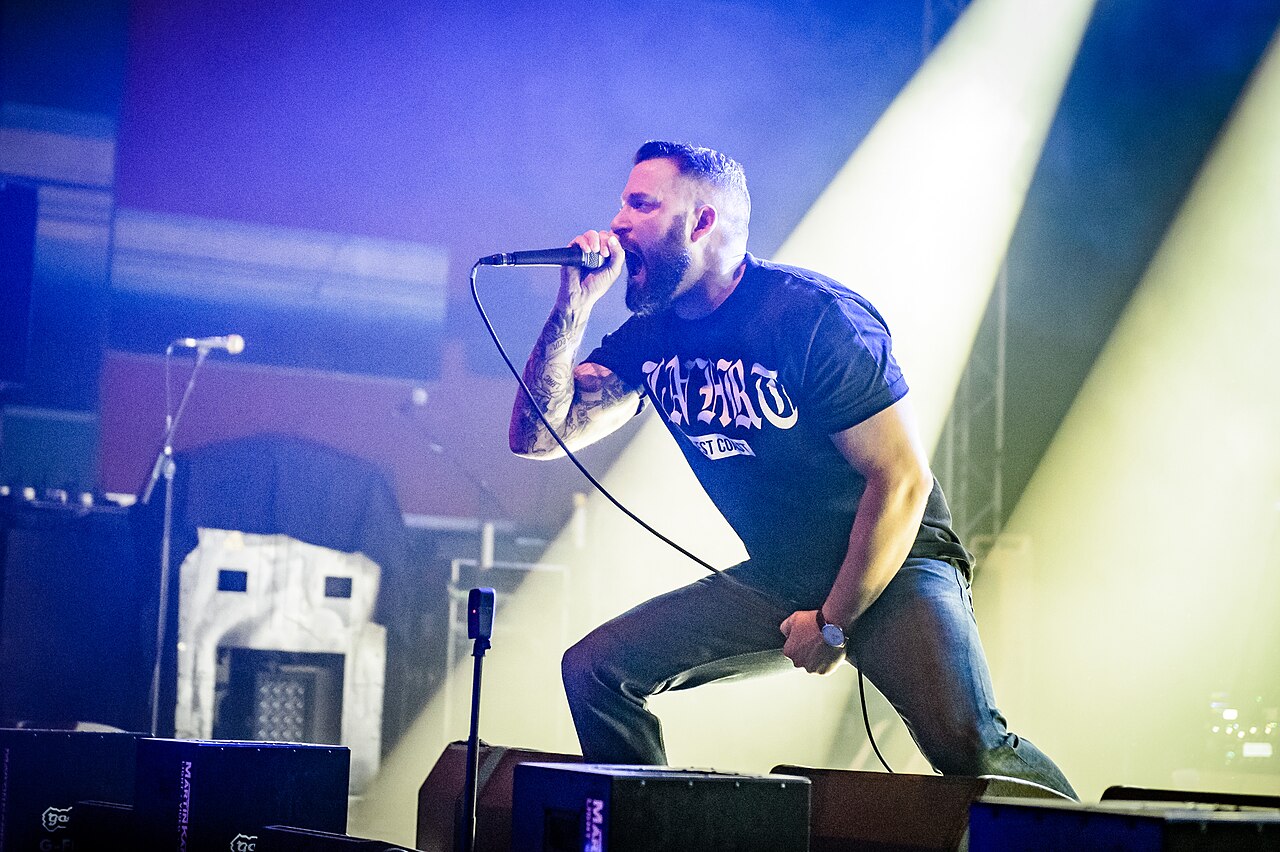
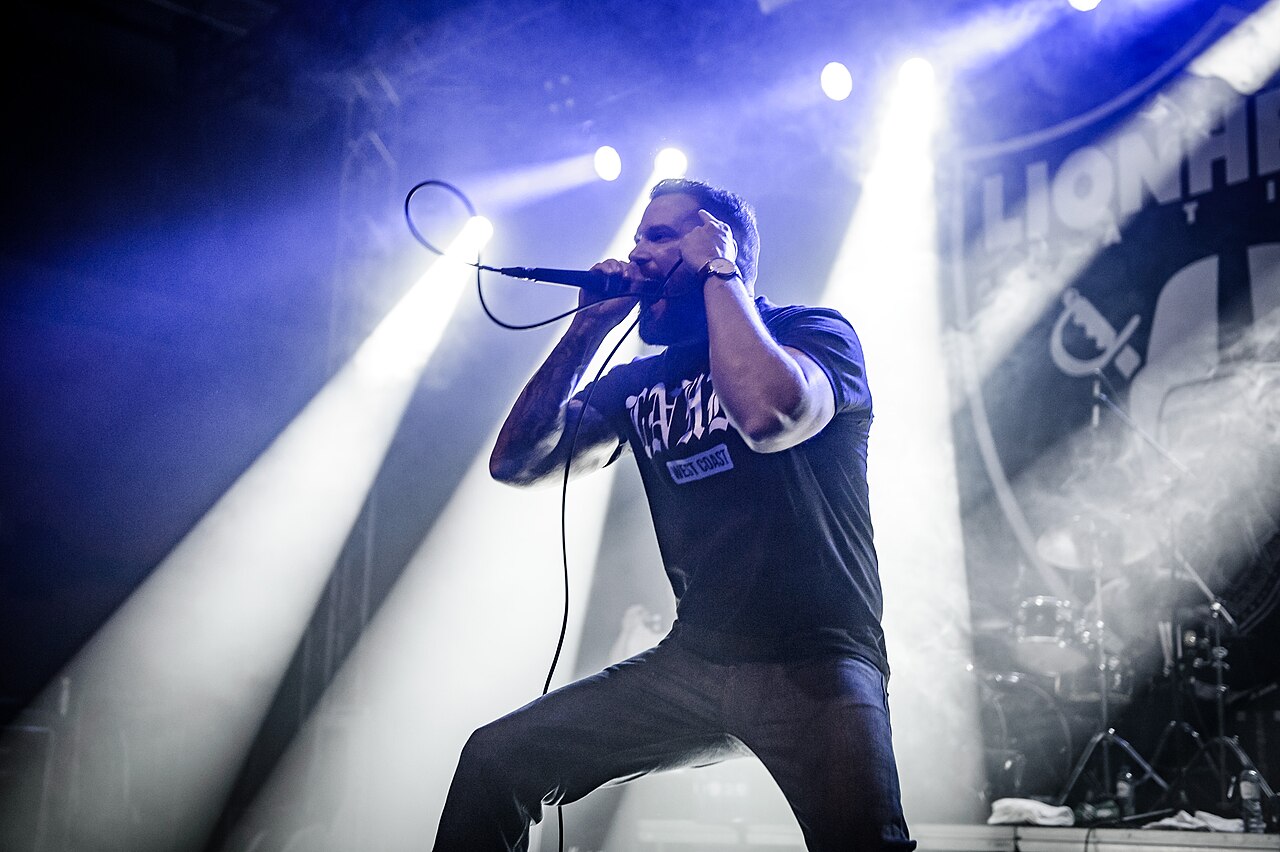
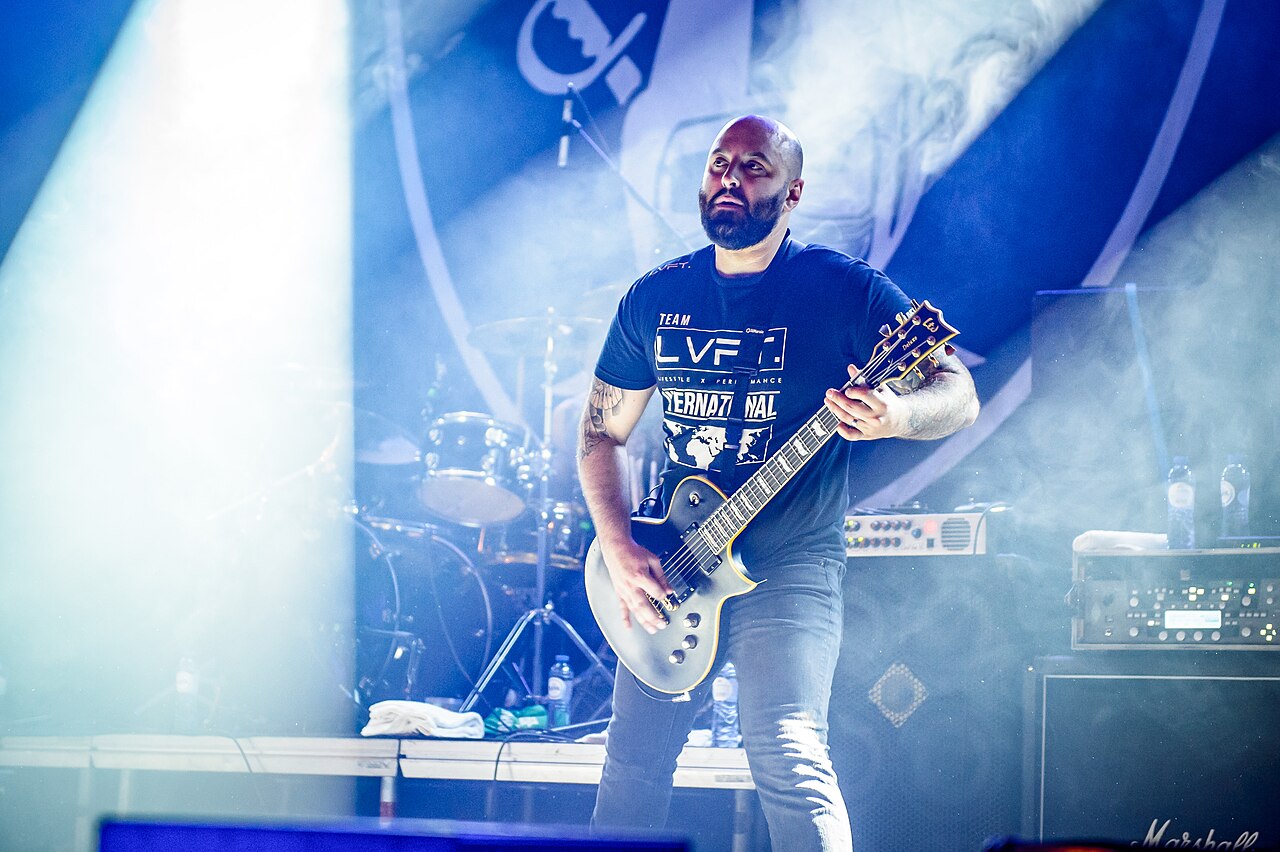


Frequently Asked Questions
What is Lionheart (British band)?
Lionheart is a British hard rock group that was put together in late 1980, drawing on members who had previously played with Tygers of Pan Tang, Iron Maiden, and Def Leppard. After an initial run that ended in 1986, the band reunited in 2016 and has since released new material and played festival dates.
Who are the notable members of Lionheart?
The lineup featured Dennis Stratton, Steve Mann, Rocky Newton, Lee Small, and Clive Edwards. Several of these musicians brought experience from other well-known British rock and metal acts into the project.
Why did Lionheart split in 1986 and what happened afterward?
The band went on hiatus in 1986 after roughly six years of activity, a common fate for many British hard rock groups of that era. They did not reunite for thirty years, eventually reforming in 2016 to record new albums and tour at festivals.
Which record labels released Lionheart's work?
Their recordings were issued on several labels over the years, including CBS Records in the United States, Heavy Metal Records, King Records, and AOR Heaven. This spread across multiple imprints reflects the band's presence in both the UK and US markets.
What genre does Lionheart play and how are they classified?
Lionheart is classified as a hard rock band rooted in the British scene of the early 1980s. Their sound sits within the broader heavy metal and hard rock tradition of that period, distinguishing them from the more extreme subgenres that emerged later.
More in British heavy metal musical groups 1-20
Spotted an error? Know more?
Reader corrections go straight into our review queue. Suggest an edit · How this site is sourced