
October File (band)
British post-punk band blending punk, hardcore, and industrial metal.

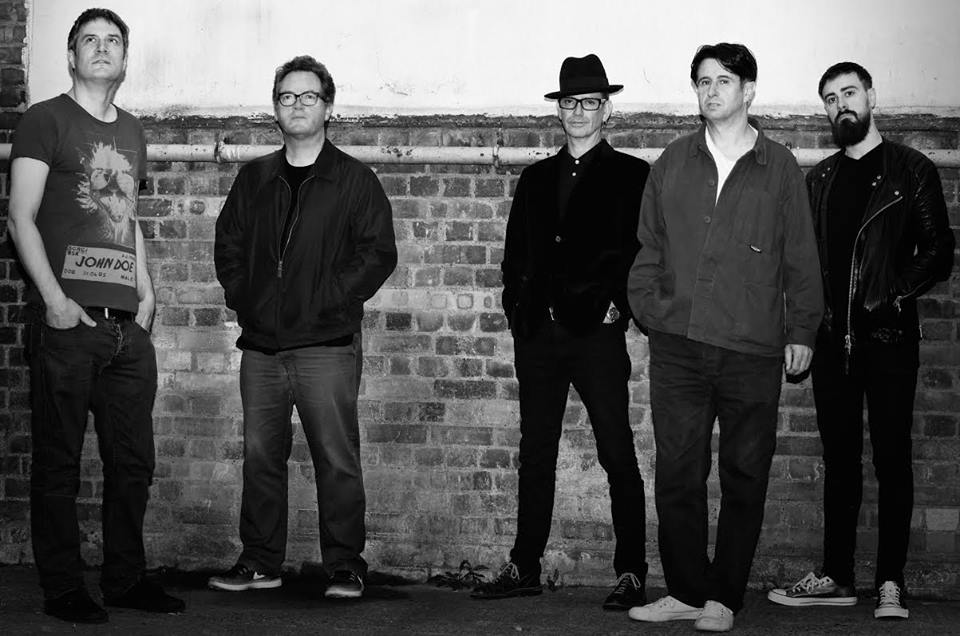
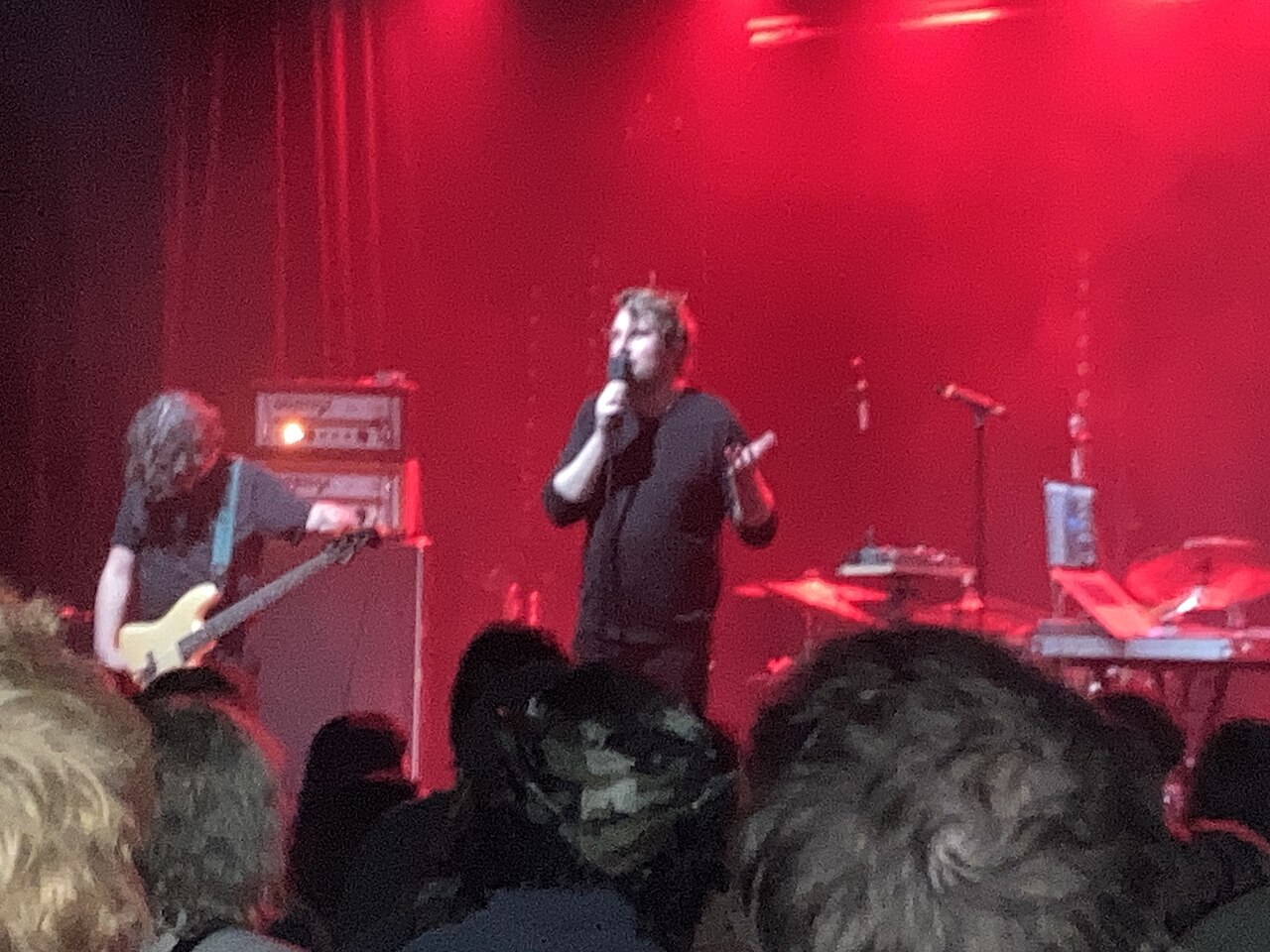
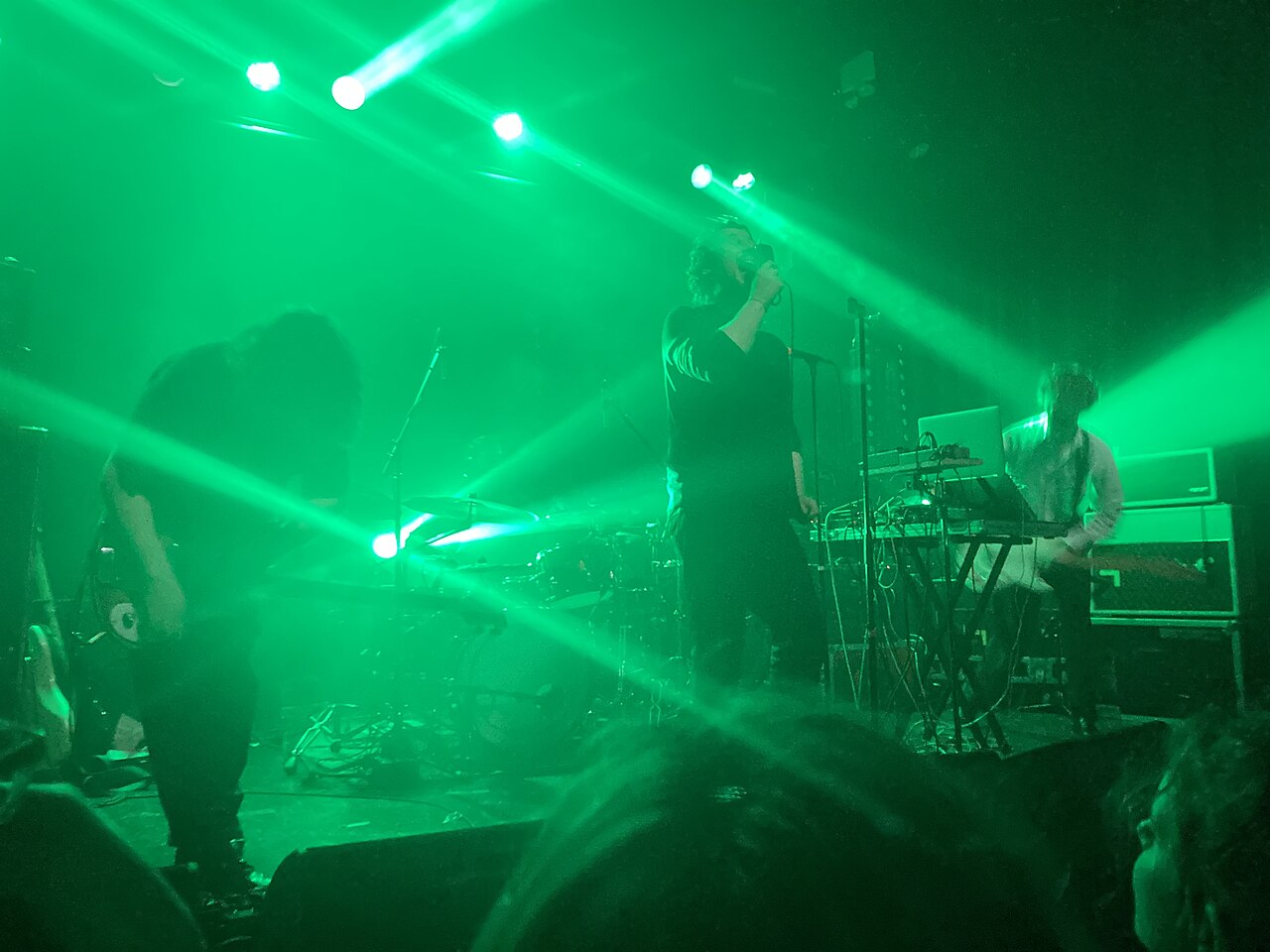
Rhododendrites · CC BY-SA 4.0
October File were a British post-punk band active from at least 2004 until 2016. Their music blended elements of punk, hardcore, and industrial metal, often with political overtones. The band is noted for guest appearances by Jaz Coleman of Killing Joke and for appearing as themselves in the zombie comedy Zombie Driftwood.
Quick Facts
- Background
- group_or_band
- Origin
- UK
- Genre
- Post-punk, heavy metal, industrial metal
- Label
- Candlelight Records
- Current Members
- Ben Hollyer – Vocals / Matt Lerwill – Guitars / Steve Beatty – Bass Guitar / John Watt – Drums
Facts from the source article.
Lore & Background
October File were a British post-punk band named after the die Kreuzen album. Their debut album, A Long Walk on a Short Pier, was released in 2004, followed by several EPs and albums on Golf Records and Candlelight Records. Their music incorporated elements of punk, hardcore, and industrial metal, often with political overtones. Jaz Coleman of Killing Joke guested on their 2007 album Holy Armour from the Jaws of God. The band was scheduled to tour with Prong in January 2008 but pulled out due to illness. In February 2010, they toured with American band Fear Factory and British band Sylosis, and soon after appeared at Hammerfest II in Prestatyn, Wales on the second stage. Additionally, the band appeared as themselves in the zombie comedy Zombie Driftwood, set in the Caymen Isles; the film's soundtrack includes their tracks Falter and Isolation. The band called it quits on 6 October 2016.
Reader's Guide
October File's significance lies in their fusion of post-punk, hardcore, and industrial metal, a sound that aligned them with the broader British post-punk revival and extreme metal scenes of the 2000s and 2010s. Their political overtones and guest appearance by Killing Joke's Jaz Coleman connected them to influential figures in industrial and post-punk music. The band's appearance in the zombie comedy Zombie Driftwood and inclusion of their songs on its soundtrack gave them a minor crossover into film. Their discography, released on labels such as Candlelight Records, shows a steady output over a decade. While not a mainstream act, October File maintained a presence in underground heavy music, touring with notable acts like Fear Factory and Prong (though the latter tour was cancelled due to illness). Their legacy is that of a dedicated, politically charged band that contributed to the UK's post-punk and industrial metal landscape before disbanding in 2016.
Forged in Economic Despair
In the late 1970s, Britain was gripped by a deep economic crisis. The deindustrialisation that followed the 1973–75 recession left working-class youth with virtually no employment prospects, and unemployment continued climbing until it peaked in early 1983. Both Conservative and Labour governments proved unable to reverse the damage, and the resulting social unrest manifested in frequent strikes and riots in areas like Brixton and Toxteth. Young men, robbed of even low-skill jobs that their parents' generation had enjoyed, turned to the music and entertainment industries as a means of survival. While many channeled their frustration into the politically charged punk explosion of 1977–78, a significant portion sought a different escape. Rather than the anarchic confrontation of punk, these young listeners and musicians found in heavy metal a space for stress relief, loud communal fun, and peer companionship that their bleak daily reality denied them. The NWOBHM was, in essence, a community built by and for people who had been written off by the broader society.
Sound, Style, and the DIY Spirit
Musically, the NWOBHM drew on the foundations of early heavy metal while injecting the raw energy and urgency that punk rock had brought to British music. The result was a body of work defined by speed, aggression, and an unpolished intensity that set it apart from the more polished productions of the previous decade. This aesthetic was reinforced by a do-it-yourself ethos: bands recorded their material in makeshift studios, producing raw-sounding releases that prioritized energy over technical perfection. That same independence gave rise to a wave of small record labels willing to put out music that major companies had dismissed. Lyrically, the movement leaned heavily toward escapist subject matter—mythology, fantasy, horror, and the rock 'n' roll lifestyle—offering listeners a vivid alternative world to inhabit. The term NWOBHM itself was coined by editor Alan Lewis for a May 1979 Sounds article by Geoff Barton, capturing a scene that was still largely invisible to the wider music press.
Breaking Through the Noise
For its first years, the NWOBHM existed almost entirely beneath the radar of the mainstream music press, growing in parallel to punk and new wave while being largely ignored. The turning point came when Sounds magazine began actively promoting the scene and rock DJ Neal Kay started championing the bands on radio, pushing the movement into public consciousness and toward genuine airplay in the UK. By some estimates, the scene had already spawned as many as a thousand heavy metal bands by the time it gained wider attention. Critics, however, dismissed much of it as local media hype surrounding largely untalented musicians. Yet the movement's cultural impact was undeniable. The updated behavioural and visual codes of the new metal subculture spread rapidly beyond Britain, reaching fans in continental Europe, North America, and Japan. The scene was predominantly young, white, working-class men who had found in this loud, communal music a refuge from the economic despair that defined their lives, and that shared identity gave the movement a cohesion and energy that transcended mere musical style.
Survivors, Shadows, and Reunions
The arrival of MTV and the commercial dominance of glam metal in the latter half of the 1980s dealt a severe blow to the NWOBHM. Of the estimated thousand bands the movement had produced, only a handful managed to sustain careers through that shift. Iron Maiden and Def Leppard ascended to superstar status, while Motörhead and Saxon enjoyed considerable success. Other acts like Diamond Head, Venom, and Raven achieved more modest chart results but left a lasting imprint on the extreme metal subgenres that flourished in the mid-to-late 1980s and 1990s. The movement also benefited from a fertile musical soil: the UK had been the birthplace of the first wave of heavy metal in the late 1960s and early 1970s, with Led Zeppelin, Black Sabbath, and Deep Purple achieving global fame before their respective crises in the mid-to-late 1970s. That earlier generation's decline, combined with a press that had declared heavy metal dead, created a vacuum that the new wave of bands filled with renewed aggression and purpose. Many NWOBHM groups reunited in the 2000s, continuing to perform live and record new studio material decades after their original peak.
Gallery
Frequently Asked Questions
Who is October File (band)?
October File were a British post-punk outfit that operated from 2004 until their dissolution in October 2016. They carved out a niche by fusing punk energy, hardcore intensity, and industrial metal textures into a cohesive sound.
What made October File's music distinctive?
The band layered political commentary over a dense blend of post-punk, hardcore, and industrial metal, giving their records a confrontational edge. Their work was released through labels including Abstract Sounds, Golf Records, and Candlelight Records.
What is October File's connection to Jaz Coleman?
Killing Joke frontman Jaz Coleman made a guest appearance on October File material, a collaboration that became one of the band's most talked-about credits among fans of both acts.
Did October File appear in any film or TV?
Yes — the band played themselves in the zombie comedy Zombie Driftwood, a cameo that added a lighthearted, pop-culture dimension to their otherwise heavy and politically charged profile.
When and why did October File disband?
The group officially split on 6 October 2016, ending roughly twelve years of activity that had begun with their debut album in 2004. No single publicized reason was cited, and the band simply ceased operations at that point.
More in British heavy metal musical groups 1-20
Spotted an error? Know more?
Reader corrections go straight into our review queue. Suggest an edit · How this site is sourced