
Galaxy Express 999
A boy's journey for immortality aboard a space train.

SRIA · CC BY 4.0
Leiji Matsumoto wrote and illustrated the manga *Galaxy Express 999*, which was later turned into anime films and a TV series. The story takes place in a futuristic, spacefaring world where people can transfer their minds and emotions into mechanical bodies, making them effectively immortal. The manga received the Shogakukan Manga Award for shōnen in 1978, and the anime series won the Animage Anime Grand Prix in 1981. Matsumoto got the idea for the series from Kenji Miyazawa’s novel *Night on the Galactic Railroad*, which features a steam train traveling through the stars.
The plot follows a poor boy named Tetsuro Hoshino, who desperately wants a machine body so he can live forever and escape the limits of being unmechanized. These bodies are extremely expensive, but they are supposedly given away for free on the planet Andromeda, the final stop of the Galaxy Express 999—a space train that visits Earth only once a year. Tetsuro and his mother head to Megalopolis to find work and buy tickets, but Count Mecha and his gang of human hunters kill Tetsuro’s mother. Before dying, she tells him to continue their journey and get a machine body to live the eternal life she couldn’t. Tetsuro tries to reach the city alone but collapses from cold and wind. As he loses consciousness, he apologizes to his mother and wishes he had been born a robot.
He wakes up by a fireplace in the home of a beautiful woman named Maetel, who looks exactly like his dead mother. Maetel says she heard the incident using a long-range directional microphone. She offers Tetsuro an unlimited pass for the 999 if he will travel with her, and he agrees. She gives him a gun and directs him to the Count’s residence, where the gang is too distracted by revelry to defend themselves. Tetsuro bursts in and shoots them all. With Earth police chasing them, he and Maetel flee the planet aboard the 999.
During the journey, Tetsuro visits many strange planets and meets various humans, aliens, and machine people. He gradually realizes that a machine body won’t solve everything, as most mechanized people regret losing their humanity. Eventually, they reach Planet Promethium, the 999’s final stop. Tetsuro is shocked by the cruelty and laziness of the machine people there. He sees a mechanized human commit suicide, and the others mock him.
- Creator
- Leiji Matsumoto
- Manga award
- Shogakukan Manga Award for shōnen (1978)
- Anime award
- Animage Anime Grand Prix prize (1981)
- Inspiration
- Night on the Galactic Railroad by Kenji Miyazawa
- Film release
- 1979 (Galaxy Express 999)
- Sequel film release
- 1981 (Adieu Galaxy Express 999)
Lore & Background
The story follows an impoverished boy named Tetsuro Hoshino who desperately wants an indestructible machine body to live forever. Machine bodies are impossibly expensive but are supposedly given away for free on the planet Andromeda, the end of the line for the Galaxy Express 999, a space train that comes to Earth once a year. After his mother is killed by Count Mecha and human hunters, Tetsuro is rescued by a woman named Maetel, who offers him an unlimited pass for the 999 if he will be her traveling companion. They flee Earth aboard the train, visiting many exotic planets and meeting both human and machine people. Tetsuro gradually realizes that a machine body will not fix his problems, as most machine people regret giving up their humanity. At the final stop, Planet Promethium, he learns that Maetel is the daughter of Queen Promethium, ruler of the Machine Empire. Maetel ultimately destroys her mother and the planet with the help of her father, Dr. Ban, whose consciousness resides in a pendant. Tetsuro decides to return to Earth and lead it toward a new future, while Maetel departs on another train to lead another boy to his future.
Reader's Guide
Galaxy Express 999 is notable for its thematic exploration of immortality and the cost of abandoning humanity. The series contrasts the promise of eternal life through mechanization with the emptiness and regret experienced by those who have undergone the process. The story's structure as a journey aboard a space train allows for episodic adventures on diverse planets, each presenting moral and philosophical questions. The 1979 film adaptation and its 1981 sequel, Adieu Galaxy Express 999, expand the narrative with new storylines, including the revelation that machine people drain energy from living humans. The sequel introduces Tetsuro as a fifteen-year-old freedom fighter and explores the fate of the Machine Empire. Helen McCarthy, in 500 Essential Anime Movies, called it a 'dense, fascinating story.' A new anime film was announced on July 25, 2026.
Did You Know?
- Matsumoto was inspired by the novel Night on the Galactic Railroad by Kenji Miyazawa.
- In the sequel film, it is revealed that Faust is Tetsuro's father.
Creative Origins & Core Premise
Galaxy Express 999 was conceived by Leiji Matsumoto as a Japanese manga series, drawing its spiritual DNA from Kenji Miyazawa's novel Night on the Galactic Railroad. That earlier work's image of a steam train threading through the cosmos struck Matsumoto as a seed worth growing into something entirely his own. The result is a story set in a high-tech, spacefaring future where humanity has perfected the process of moving a person's mind and emotional life into a mechanical shell with complete fidelity, a form of practical immortality. The title's "999" is read aloud as "Three Nine" in Japanese, a small linguistic quirk that gives the name a musical, almost incantatory quality. The series is structured around a single annual departure from Earth to the planet Andromeda, the train's terminus, where machine bodies are supposedly distributed for free. This framing device—a once-a-year interstellar train ride—gives the narrative a ritualistic, pilgrimage-like rhythm that Matsumoto exploits across both manga and anime tellings.
Narrative Arc & Philosophical Heart
The story opens with Tetsuro Hoshino, a destitute boy whose mother is murdered by Count Mecha and his gang of human hunters. Her dying plea—that he secure a machine body and live the eternal life she could not—sets him on a path toward Megalopolis, where he hopes to earn passage on the 999. Abandoned in freezing wind, he is rescued by Maetel, a woman who resembles his mother and who offers him an unlimited pass in exchange for companionship. Together they flee Earth after Tetsuro slaughters the Count's henchmen, and the journey becomes a string of encounters across exotic worlds. The philosophical core crystallizes on Planet Promethium, the 999's final stop, where Tetsuro witnesses a mechanized man choosing suicide because eternal existence there is hollow. The revelation that Maetel is the daughter of Queen Promethium, ruler of the Machine Empire, shatters his trust. Yet Maetel's true aim is to destroy her mother's civilization. With the aid of her father Dr. Ban, whose consciousness lives in a pendant, she obliterates the planet. Tetsuro, proud and free, chooses to return to Earth rather than accept mechanization, and Maetel departs on the 777 to guide another boy toward his own future.
Film Adaptations & Expanding Universe
The 1979 theatrical film Galaxy Express 999 condensed the manga's journey into a tighter narrative, with Maetel and Tetsuro visiting four planets en route to the home world of the Mechanization Empire, including Planet Maetel, a factory world where machine bodies are manufactured. The film's theme song was performed by Godiego. Three years later, Adieu Galaxy Express 999 (1981) offered a completely separate storyline set after the destruction of Planet Maetel. In this sequel, the Machine Empire has tightened its grip on the galaxy, and rumors swirl that Maetel has ascended to its throne. Tetsuro, now fifteen and a freedom fighter, boards the returning 999 from a war-torn Earth. Aboard, he encounters Metalmena, a machine woman who has replaced the waitress Claire, and the 999 nearly collides with a mysterious Ghost Train. The destination becomes La Metal, depicted as the birthplace of both Promethium and Maetel, where Tetsuro joins a resistance and befriends a cat-like teenager named Meowdar. In the ruins of an old castle he finds a portrait of a blonde queen bearing a striking resemblance to Maetel.
Recognition & Cultural Footprint
Galaxy Express 999 earned significant critical recognition during its initial run. The manga took home the Shogakukan Manga Award in the shōnen category in 1978, a mark of quality that distinguished it within a crowded field of boys' comics. The anime television adaptation followed with its own major honor, claiming the Animage Anime Grand Prix prize in 1981. These two awards, bookending the late 1970s and early 1980s, anchored the franchise's reputation as a serious work of science fiction rather than mere entertainment. Matsumoto's decision to ground a space opera in the intimate grief of a motherless boy, and to ask whether immortality is a gift or a prison, gave the series a philosophical weight that resonated well beyond its genre. The recurring motif of the train as a vessel for transformation—carrying passengers not just across space but across identity—became a signature Matsumoto image. The franchise's expansion from manga pages to television screens to theatrical films, each version reinterpreting the core journey, cemented Galaxy Express 999 as one of Japanese animation's most enduring sci-fi landmarks.
Gallery
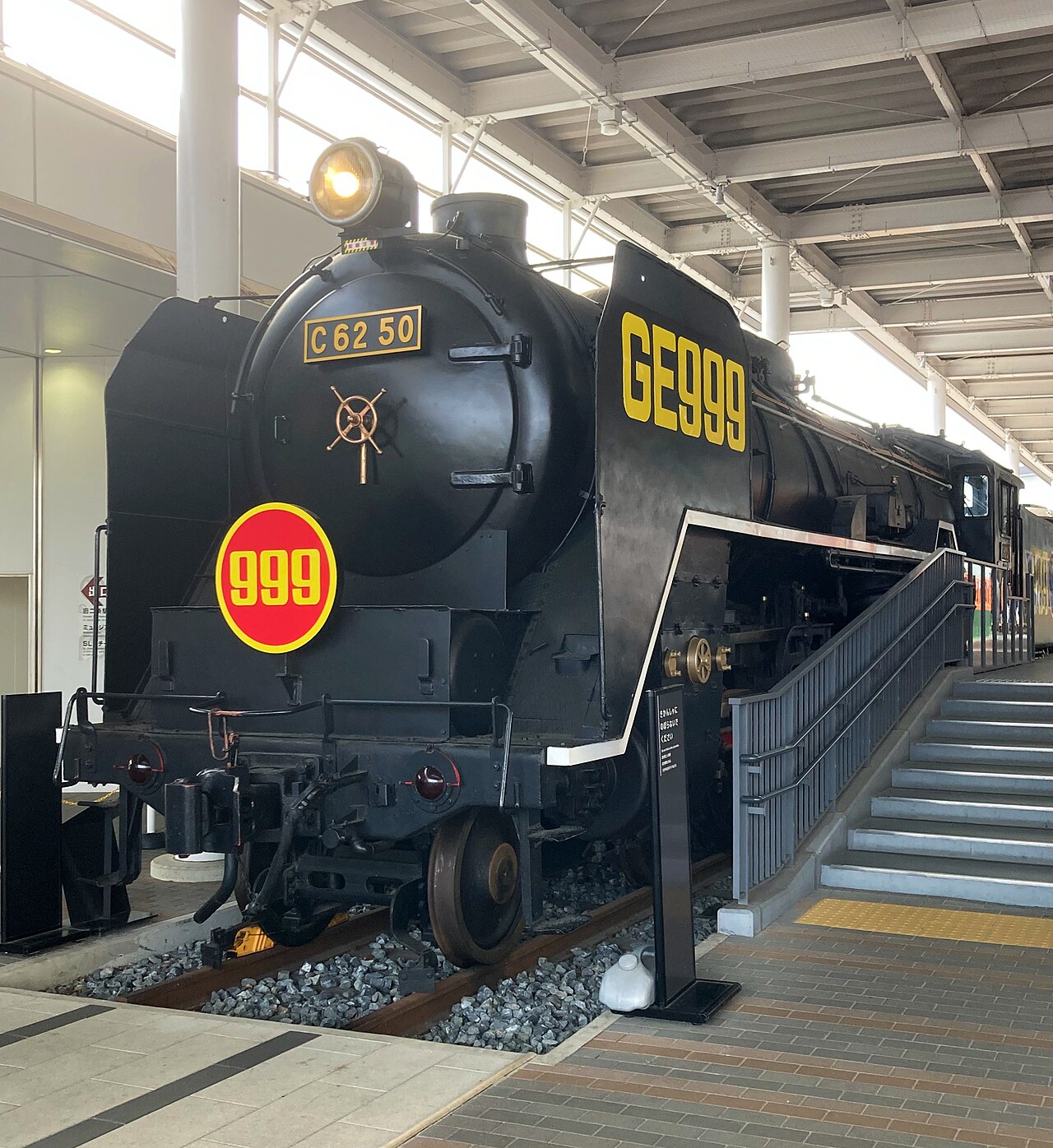
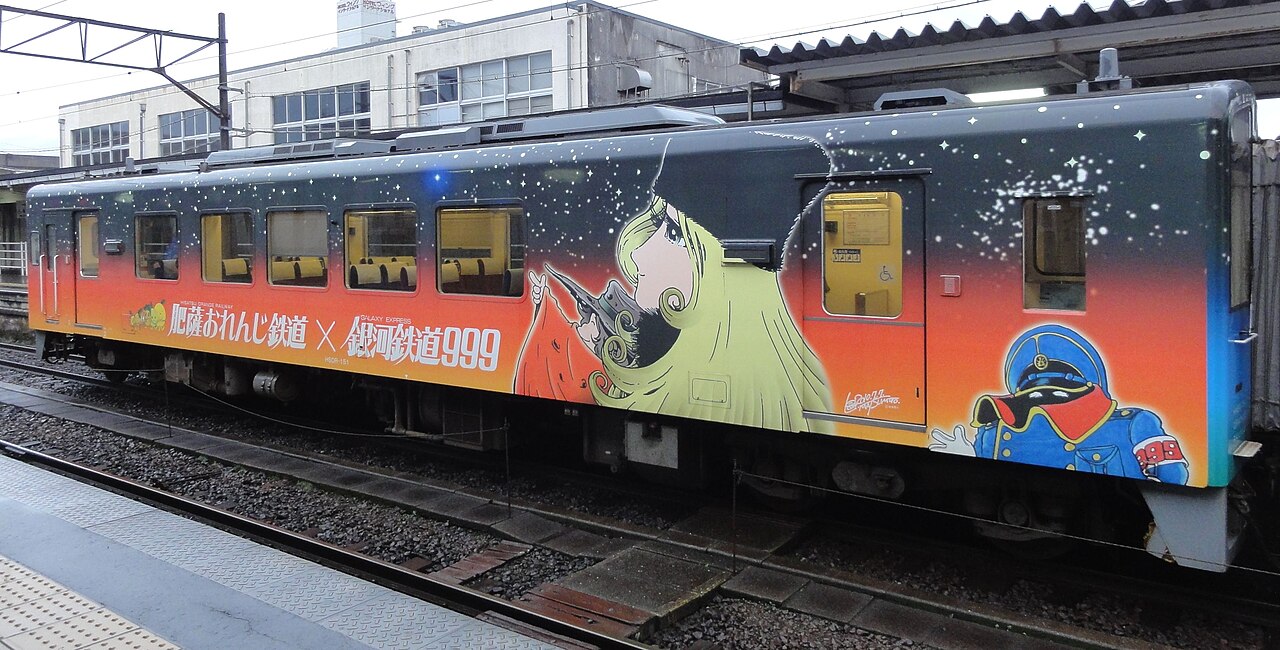
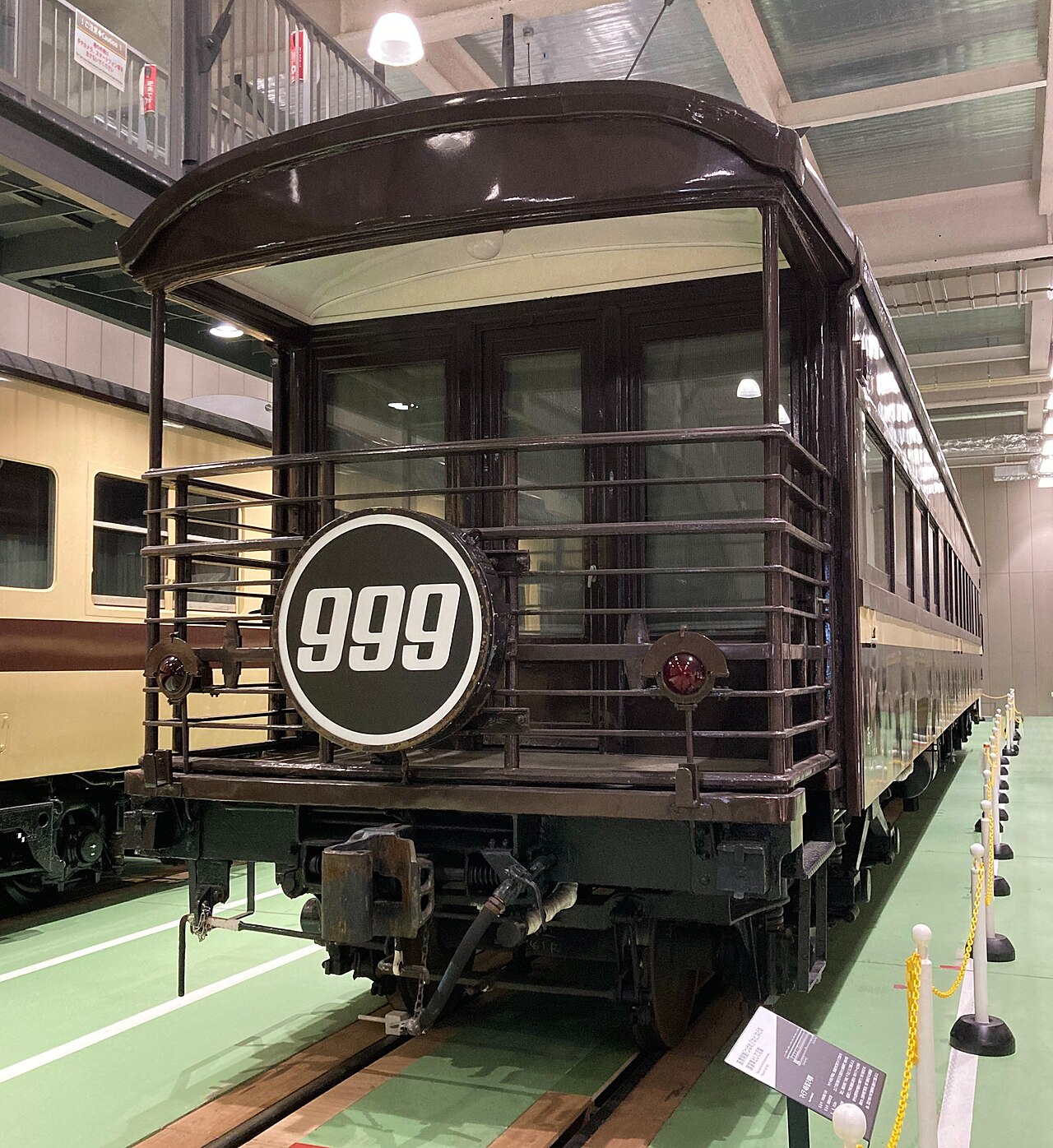
Frequently Asked Questions
Who created Galaxy Express 999?
Leiji Matsumoto wrote and illustrated the original manga, which was later adapted into anime films and a television series. His work on the franchise earned him the Shogakukan Manga Award for shōnen in 1978.
What is Galaxy Express 999 about?
The story follows a young boy who embarks on a journey aboard a space train in search of immortality. In this futuristic setting, individuals can transfer their minds and emotions into mechanical bodies, effectively granting them eternal life.
What inspired Leiji Matsumoto to create Galaxy Express 999?
Matsumoto drew his central image of a train traveling through the stars from Kenji Miyazawa's novel *Night on the Galactic Railroad*, which features a steam locomotive making a journey across the cosmos.
What major awards did Galaxy Express 999 receive?
The manga won the Shogakukan Manga Award in the shōnen category in 1978, and the anime television series took home the Animage Anime Grand Prix in 1981.
When were the Galaxy Express 999 films released?
The original theatrical film debuted in 1979, followed by the sequel *Adieu Galaxy Express 999* in 1981.
More in Animated Space Adventure Television Series 1-24
Spotted an error? Know more?
Reader corrections go straight into our review queue. Suggest an edit · How this site is sourced