Xia dynasty
First dynasty in traditional Chinese historiography, possibly legendary.

Gary Todd · CC0
The Xia dynasty (夏朝, Xiàcháo) is regarded as the first dynasty in traditional Chinese history. It was founded, according to tradition, by Yu the Great, a figure often considered legendary, after he received the throne from Shun, the last of the Five Emperors. The Xia is traditionally followed by the Shang dynasty.
No written records from the Xia period itself exist, and the dynasty is not mentioned in the earliest Chinese texts, such as the oracle bone inscriptions from the Late Shang period (13th century BC). The earliest references to the Xia appear in the oldest chapters of the *Book of Documents*, which contain speeches from the early Western Zhou period. These speeches justify the Zhou conquest of the Shang by invoking the Mandate of Heaven, comparing it to the Xia’s replacement by the Shang. This political idea was later promoted by Confucian scholars during the Eastern Zhou period. The sequence of dynasties was recorded in the *Bamboo Annals* and Sima Qian’s *Shiji*, becoming the standard view in imperial historiography.
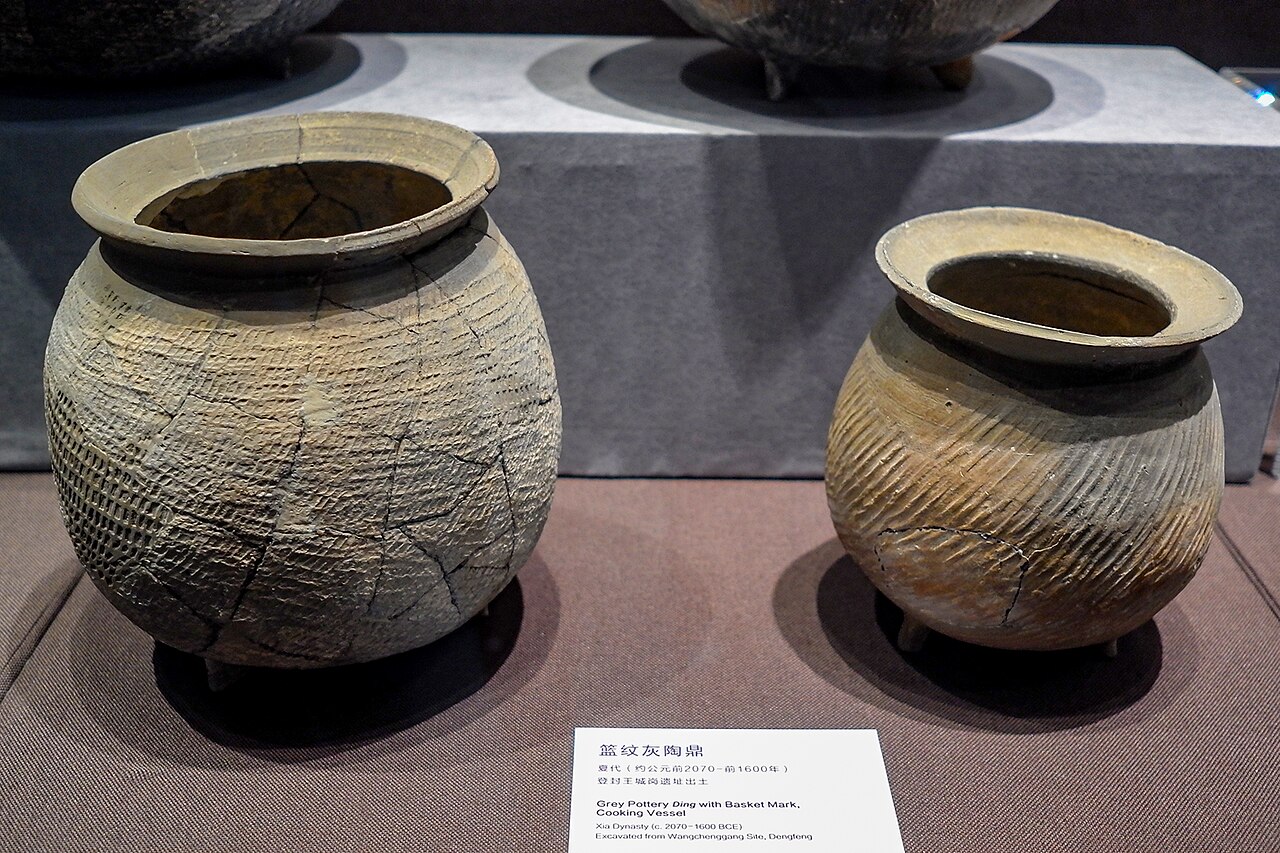
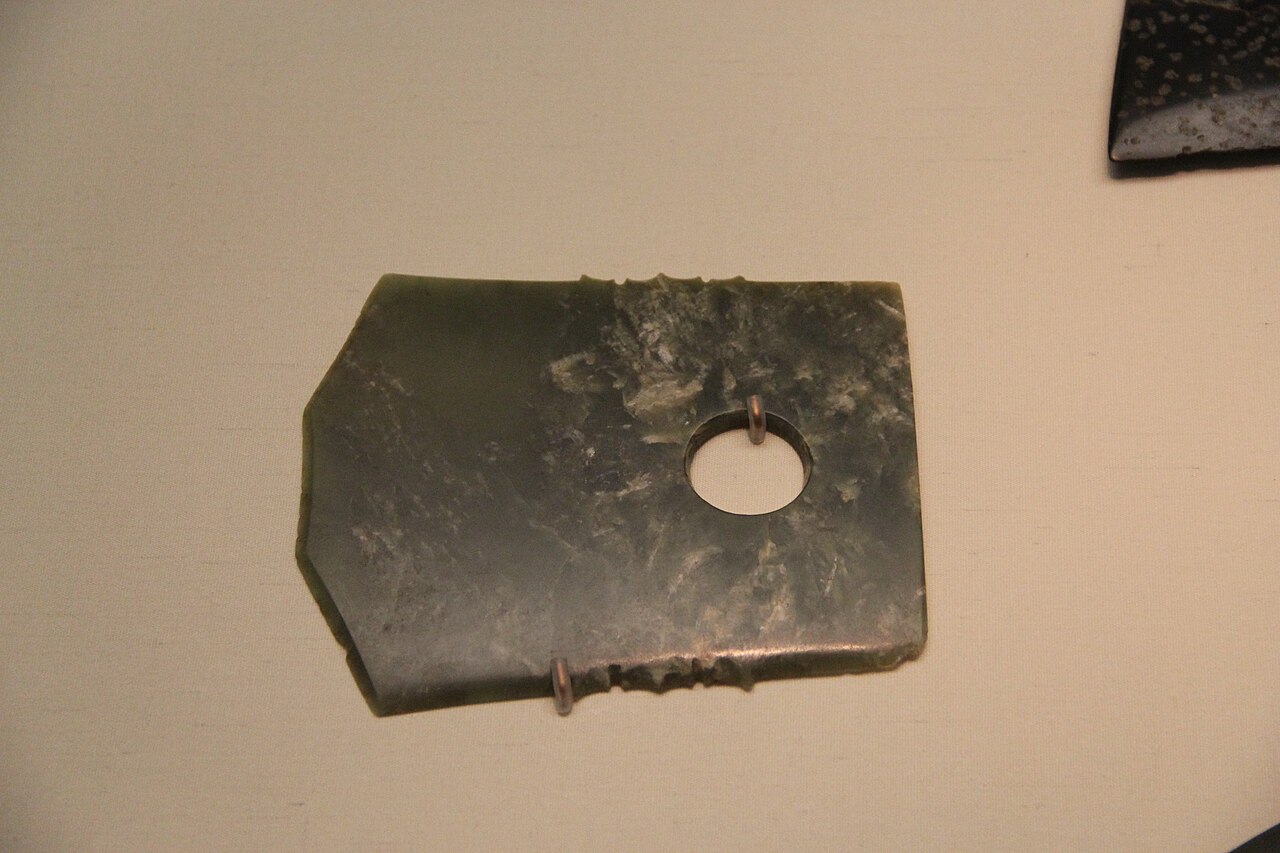
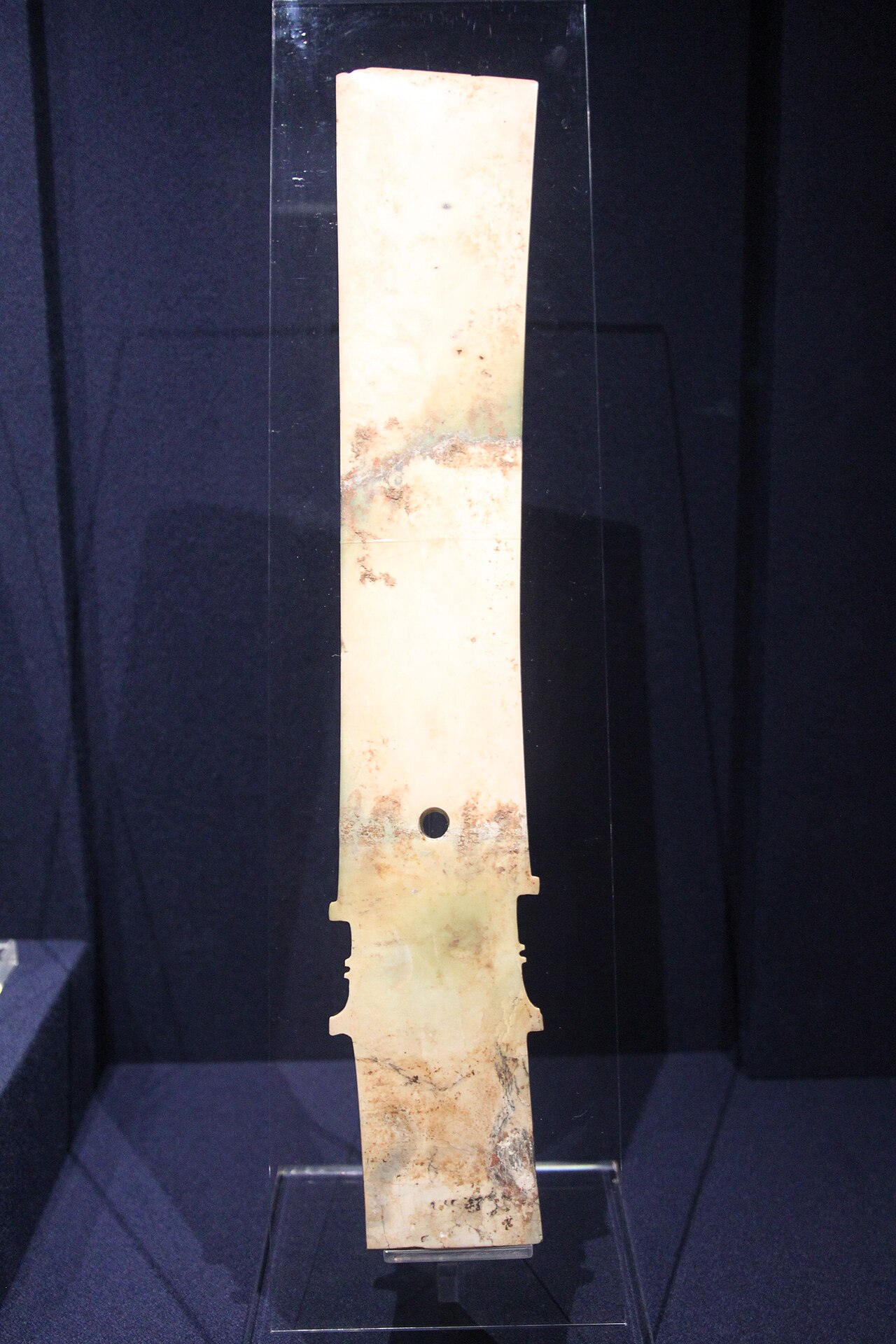
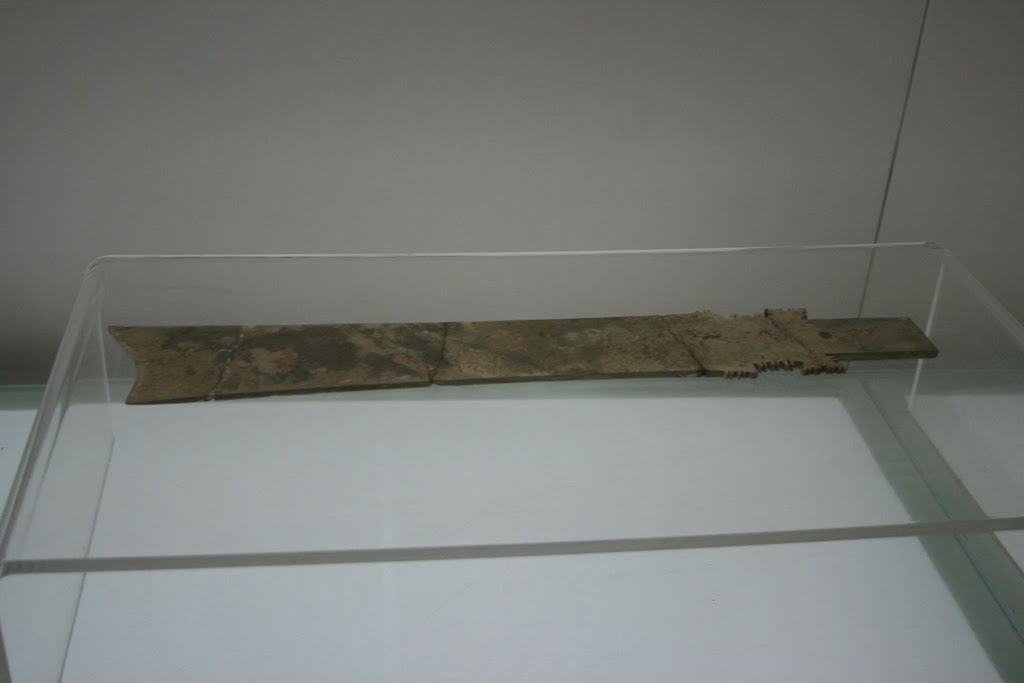
Scholars disagree on the Xia’s historicity. Many Western historians and Sinologists consider it legendary or unproven, while most Chinese archaeologists treat it as historical, linking it to the Erlitou culture (c. 1900–1500 BC). Traditional chronologies vary: Liu Xin calculated the Xia’s rule from 2205 to 1766 BC; the “current text” *Bamboo Annals* gives 1989 to 1558 BC; David Pankenier, with David Nivison, proposed 1953 to 1555 BC based on planetary conjunctions; and the Chinese government’s Xia–Shang–Zhou Chronology Project (1996) suggested 2070 to 1600 BC.
In traditional historiography, the Xia is described in several classics. Sima Qian’s *Shiji* and the *Book of Rites* state that Yu the Great was the grandson of Zhuanxu, who was the grandson of the Yellow Emperor. Other accounts, like Ban Gu’s, say Yu’s father was a fifth-generation descendant of Zhuanxu. The *Classic of Mountains and Seas* claims Yu’s father Gun was the son of Luoming, who was the son of the Yellow Emperor. Sima Qian traced the dynasty’s name to a fief granted to Yu, which he used as his surname and state name.
According to these texts, Gun, Yu’s father, is the earliest recorded member of the Xia clan. When the Yellow River flooded, Emperor Yao appointed Gun to stop it. Gun built large levees for nine years, but the floods worsened. Yao then gave the throne to Shun, who imprisoned Gun at Yushan (Feather Mountain, between modern Donghai County, Jiangsu, and Linshu County, Shandong). Shun then appointed Yu, who succeeded by organizing tribes to dig channels in major rivers, directing the water to the sea. This work took 13 years, during which Yu never returned home, even passing his house three times.
Yu’s success boosted agriculture and the Xia tribe’s power, making him leader of surrounding tribes. Shun sent Yu to suppress the Sanmiao tribe, which had been raiding borders. After defeating them, Yu exiled them south to the Han River area, further strengthening the Xia. As Shun aged, he chose Yu as his successor. Yu’s accession began the Xia dynasty. Near death, Yu passed the throne to his son Qi, rather than to the most capable candidate, establishing the hereditary system of dynastic rule. The capitals are believed to have included Zhenxun (modern Gongyi) and Yangcheng (modern Gaocheng).
According to Sima Qian, the third Xia king, Tai Kang, was an avid hunter but ineffective ruler. The *Bamboo Annals* record that Hou Yi, leader of the Youqiong tribe, attacked the Xia capital at Zhenxun while Tai Kang was hunting beyond the Luo River. This occupation began a significant interregnum. In the eighth year of the reign of Tai Kang’s nephew Xiang, Hou Yi was killed by his former chief minister Han Zhuo. Twenty years later, Han Zhuo’s forces killed King Xiang and seized the throne, but the royal family escaped. Xiang’s son Shao Kang was sheltered by a tribal chief, surviving as a fugitive despite Han Zhuo’s efforts to eliminate him. As an adult, Shao Kang organized local lords who opposed Han Zhuo’s rule, defeated him in battle, and Han Zhuo committed suicide. The reigns of Shao Kang and his son Zhu are traditionally characterized as a period of restoration.
- Traditional founder
- Yu the Great
- Traditional capital
- Zhenxun (modern Gongyi) and Yangcheng (modern Gaocheng)
- Successor
- Shang dynasty
Quick Facts
- Conventional Long Name
- Xia
- Life Span
- c. 2070 · 1600 BC
- Government Type
- Monarchy
- Year Start
- c. 2070 BC · lk=noname=XSZ · According to the Xia–Shang–Zhou Chronology Project.
- Year End
- c. 1600 BC · lk=noname=XSZ
- P1
- Three Sovereigns and Five Emperors
- S1
- Shang dynasty
- Capital
- Yangzhai (zh · 陽翟) (during Yu the Great's reign) / Yangcheng / Zhenxun (from Tai Kang's reign) / Shangqiu (from Xiang of Xia)
- Leader1
- Yu the Great (first)
- Leader2
- Jie of Xia (last)
- Title Leader
- King
Facts from the source article.
Lore & Background
According to traditional accounts, the Xia dynasty was founded by Yu the Great, who was appointed by Shun to stop a great flood. Yu succeeded by organizing people to dig channels and lead water to the sea, a task that took 13 years, during which he never returned home. His success increased agricultural production and the power of the Xia tribe, and after defeating the Sanmiao tribe, Shun relinquished the throne to Yu. Yu passed the throne to his son Qi, setting the precedent for dynastic rule. The Xia dynasty began a period of family or clan control. The third Xia king, Tai Kang, was described as an avid hunter but ineffective ruler. While he was hunting, Hou Yi of the Youqiong tribe attacked the capital Zhenxun, beginning a significant interregnum. Hou Yi was later killed by his minister Han Zhuo, who killed King Xiang and usurped the throne. Xiang's son Shao Kang survived as a fugitive, later organized local lords, defeated Han Zhuo, and restored the Xia. The reign of Shao Kang and his son Zhu is traditionally characterized as one of the most prosperous periods. The final king, Jie, was recorded as immoral, lascivious, and tyrannical. He was overthrown by Tang, who inaugurated the Shang dynasty. Tang gave the remnants of the Xia clan a fief comprising the small state of Qi, a practice referred to as 'the two crownings and the three respects.'
Reader's Guide
The Xia dynasty holds a foundational place in Chinese historiography as the first dynasty in the traditional narrative, establishing the concept of dynastic succession and the Mandate of Heaven. Its story, recorded in texts such as the Book of Documents, Bamboo Annals, and Sima Qian's Shiji, was promoted by the Confucian school in the Eastern Zhou period and became the official position of imperial historiography and ideology. The Xia's legendary founder, Yu the Great, is credited with flood control and the division of the state into nine provinces, a model that influenced later Chinese geography and governance. However, the historicity of the Xia is disputed. No contemporaneous records exist, and the earliest mentions appear only in Western Zhou texts. Many Western historians and Sinologists consider the Xia legendary or unsubstantiated, while most Chinese archaeologists identify it with the Erlitou culture (c. The Xia's legacy endures as a symbol of early Chinese civilization, though its precise historical reality remains a subject of scholarly debate.
Did You Know?
- The Xia dynasty is not mentioned in the earliest Chinese texts, the oracle bone inscriptions from the Late Shang period (13th century BC).
- The earliest mentions of the Xia occur in the oldest chapters of the Book of Documents, which date from the early Western Zhou period.
- According to tradition, Yu the Great passed the throne to his son Qi, setting the precedent for dynastic rule or the Hereditary System.
- The Xia dynasty's final king, Jie, was overthrown by Tang, who gave the remnants of the Xia clan a fief comprising the small state of Qi.
Roots in the Highlands: The Tangut Migration
The Tangut people trace their earliest homeland to the highlands of western Sichuan, within the broader Qinghai-Sichuan-Tibet region. Chinese chronicles, which called them the Dangxiang, linked their ancestry to the Western Qiang and placed them on the steppes around Qinghai Lake. Their early centuries were defined by betrayal at the hands of Chinese dynasties. In 608 they aided the Sui against the Tuyuhun, only to be looted by the very forces they had supported. In 635, serving as guides for Emperor Taizong's campaign, they were struck from an unexpected direction and had thousands of animals seized. Their retaliation killed thousands of Tang soldiers. Tibetan pressure drove them eastward in the 650s toward modern Shanxi and Shaanxi. Waves of submission followed: Tuoba Ningzong's group pledged to the Sui in 584, Xifeng Bulai's to the Tang in 628, and Tuoba Chici's surrender in 635 placed 340,000 Tanguts under 32 jimi prefectures. By the 750s they had become the dominant local power in the Ordos region. Yet repeated harassment by Tang frontier commanders—acknowledged in an 806 confession by the Acting Minister of Works Du You—pushed them into uneasy alliances with Tibetans and Uyghurs, a cycle of conflict that persisted into the 840s.
Masters of the Corridor: Military and Trade
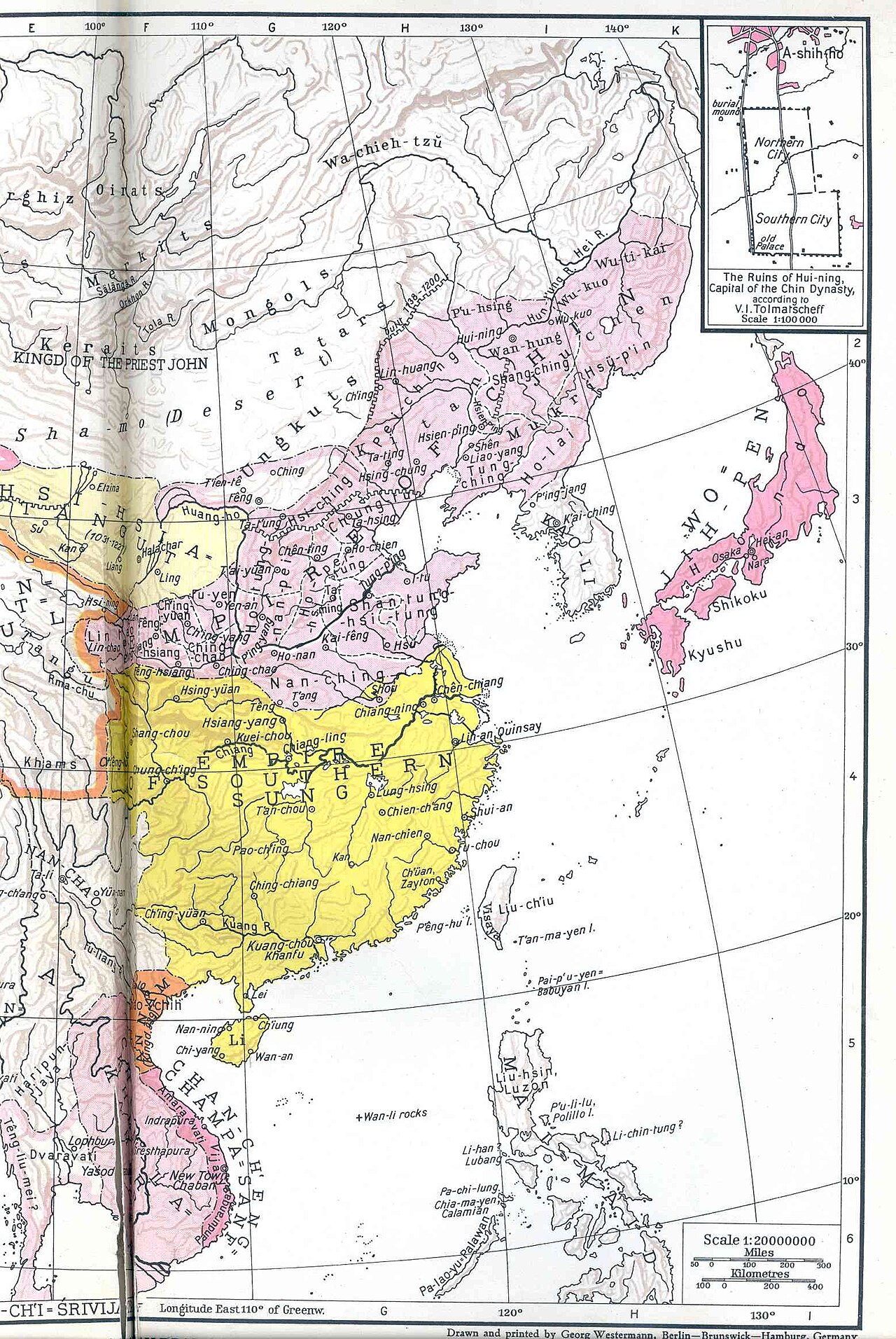
At its zenith, the Western Xia controlled roughly 800,000 square kilometres of north-central China, with its capital at Xingqing (today's Yinchuan) and a second major centre at Khara-Khoto. The empire's strategic weight rested heavily on its grip over the Hexi Corridor, the critical Silk Road artery linking northern China to Central Asia. This geographic advantage allowed the Tanguts to project power against the Liao, Song, and Jin dynasties simultaneously. Their military machine was notably diverse: cavalry units, chariot formations, archers, shield-bearers, and even artillery in the form of cannons mounted on camel backs all featured in their operational doctrine. Amphibious troops capable of fighting on both land and water rounded out the force. Beyond the battlefield, the Tanguts produced what contemporaries described as "shining and sparkling" achievements across literature, art, music, and architecture. The combination of commercial leverage along the trade corridor and a flexible, multi-domain military gave the Western Xia a longevity—nearly two centuries from 1038 to 1227—that rivaled its far larger neighbours.
A Name in Many Tongues
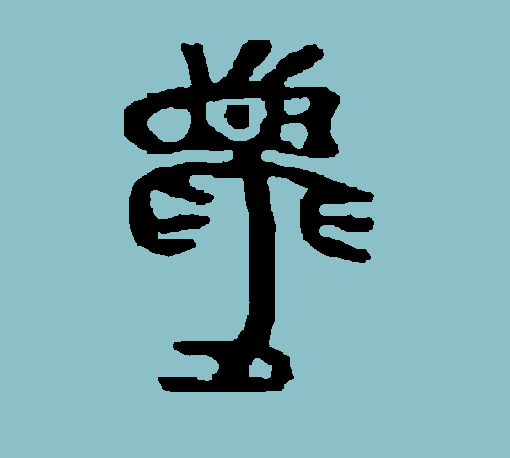
The Western Xia carried a web of names that reflected the many cultures who encountered them. In their own Tangut language, the state's full title—𗴂𗹭𘜶𗴲𗂧—unfolds as "white, high, great, summer, kingdom," or alternatively "white, high, kingdom, great." A parallel Chinese rendering, 白高大夏國, echoed the same elements. Chinese and Japanese scholars have often read the opening words as a reference to the upper reaches of the White River, likely the Yellow River, while the scholar Kepping in 1994 argued the name pointed to a specific peak in the Helan Mountains called the "White and Lofty Mother." The Tanguts themselves also called their realm Minyak (reconstructed as /mjɨ-njaa/) and, in a more enigmatic register, the "State of Ten Thousand Secrets." Chinese sources knew the Tanguts as Mianyao or Miyao; Tibetans used mi-nyag; the Tanguts called themselves Minag. The exonym "Tangut" first appears in Orkhon inscriptions dated to 735, transcribed in Chinese as Tangwu or Tangute, and persisted as a tribal label across the Amdo-Kokonor-Gansu region well into the nineteenth century. The familiar "Western Xia" simply encodes the state's position west of the Liao, Jin, and Song, with "Xia" inherited from the fifth-century Hu Xia dynasty.
Ashes and Fragments: The Empire's Erasure
The Mongol conquest of 1227 did not merely end the Western Xia; it attempted to erase it. The bulk of the empire's written archives, its distinctive architectural heritage, and much of its material culture were destroyed in the campaign's aftermath. For centuries afterward, the origins, internal history, and daily life of the Tangut state remained shrouded in obscurity, known to the outside world only through the fragmentary references of neighbouring Chinese, Tibetan, and Mongol sources. It was not until the twentieth century that sustained archaeological and philological work by both Chinese and Western scholars began to peel back that silence, recovering what could be salvaged from sites like Khara-Khoto and the capital at Xingqing. The Tangut language, with its own unique script, is now entirely extinct, and only scattered fragments of Tangut literature survive. The empire that once commanded 800,000 square kilometres and fielded armies of camel-mounted cannon and amphibious warriors now exists primarily as a puzzle of broken texts and buried foundations, a reminder of how completely a civilisation can be unmade.
Gallery
Frequently Asked Questions
What is the Xia dynasty?
The Xia dynasty is regarded in traditional Chinese historiography as the very first ruling house in China's imperial lineage. It is widely considered possibly legendary, as no surviving documents from its own era have ever been found.
Who founded the Xia dynasty?
According to tradition, Yu the Great received the throne from Shun, the last of the Five Emperors, and went on to establish the Xia line. Yu is celebrated in later texts for his legendary flood-control works.
Is the Xia dynasty historically confirmed?
No contemporaneous records of the Xia survive, and the dynasty is absent from the oldest Chinese writing, the Late Shang oracle bone inscriptions. The earliest textual references appear in the oldest chapters of the Book of Documents, which were composed well after the period in question.
More in Ancient Empires And Kingdoms 1-22
Spotted an error? Know more?
This is a living reference — every entry is fact-audited, and reader corrections feed straight into our audit queue. Suggest an edit · See this site's audit record