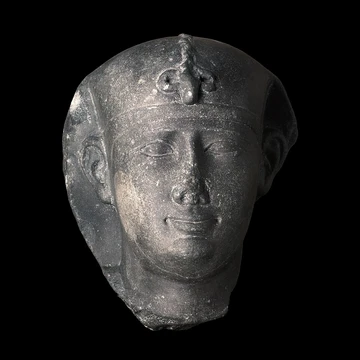
Pepi II Neferkare
King of Egypt's Sixth Dynasty whose reign saw the Old Kingdom's decline.

Pepi II Neferkare lived from around 2284 BC to about 2214 BC, ruling during the Sixth Dynasty of Egypt’s Old Kingdom. His name Neferkare means “Beautiful is the Ka of Re.” He became king at the age of six, following the death of Nemtyemsaf I. His time on the throne saw a steep decline in the Old Kingdom. As regional governors, known as nomarchs, gained more influence, the pharaoh’s authority weakened. Without a strong central government, local nobles started raiding each other’s lands, and the Old Kingdom ended just a few years after Pepi II’s reign, ushering in the First Intermediate Period, which spanned from the Seventh to the Tenth Dynasties.
The ancient historian Manetho, writing in the 4th century BC, claimed Pepi II ruled for 94 years, while the Turin King List from the 13th century BC gives 90 years. However, the most recent contemporary evidence from his reign dates to his 62nd year, so the longer figures are uncertain.
During his early reign, his mother Ankhesenpepi II likely acted as regent, possibly with help from her brother Djau, a vizier under the previous pharaoh. For a long time, scholars thought Pepi II was the son of Pepi I and Ankhesenpepi II, but many now believe his father was Merenre Nemtyemsaf I. Excavations at Saqqara in 1999–2000 uncovered royal seals and stone blocks in Ankhesenpepi II’s funerary temple. These blocks show she married Merenre after Pepi I’s death and held titles like “King’s Wife of the Pyramid of Pepy I, King’s Wife of the Pyramid of Merenre, King’s Mother of the Pyramid of Pepy II.” The South Saqqara Stone records Merenre ruling at least 11 years, making Pepi II likely his son and Pepi I’s grandson.
An alabaster statuette in the Brooklyn Museum shows a young Pepi II in full royal dress sitting on his mother’s lap. This piece is one of only three known sculptures of him. Some scholars think the scarcity of royal statues suggests the court struggled to keep skilled artisans.
A letter Pepi II wrote as a child to Harkhuf, a governor of Aswan who led expeditions into Nubia, offers a glimpse of his personality. Harkhuf captured a pygmy while trading for ivory, ebony, and other goods. The excited young king wrote back, promising a great reward if the pygmy were brought back alive, likely to serve as a court entertainer. This letter, preserved as a long inscription on Harkhuf’s tomb, is considered the first travelogue.
Pepi II had several wives over his long life. Neith may have been his cousin and half-sister, a daughter of Ankhesenpepi I. Iput II was his half-sister. Ankhesenpepi III was the daughter of Nemtyemsaf I and a granddaughter of Pepi I. Ankhesenpepi IV was the mother of King Neferkare, according to her tomb texts. Udjebten may have been a daughter of Pepi I. Meritites IV, once thought to be Pepi I’s wife, is now known to have been one of Pepi II’s consorts and a daughter of Pepi I. Queens Neith, Iput, and Udjebten each had their own small pyramids and mortuary temples within Pepi II’s pyramid complex at Saqqara. Ankhesenpepi III and Meritites IV were buried near the pyramid of Pepi I, and Ankhesenpepi IV was laid to rest in a chapel in Udjebten’s complex.
With Ankhesenpepi IV, Pepi II had a son named Neferkare, though it is unclear which Neferkare—several kings used that name during the First Intermediate Period, possibly Neferkare Nebi. With Neith, he may have had a son named Nemtyemsaf II, who died around 2213 BC. Other children include Nebkauhor-Idu and Ptahshepses (D), whose mothers are unknown.
In foreign policy, Pepi II followed his predecessors. Copper and turquoise were mined at Wadi Maghareh in the Sinai, and alabaster came from Hatnub. His name appears in inscriptions at the Phoenician city of Byblos. To the south, caravans traded with Nubians. Harkhuf, a governor of Upper Egypt, led several expeditions under Merenre and Pepi II. On his last trip to a place called Iam, he brought back a pygmy, as noted in his correspondence with the young king. Egypt received incense, ebony, animal skins, and ivory from Nubia. The Western desert had extensive caravan routes linking the Kharga, Selima, and Dakhla oases. At Ebla, an alabaster lid was found in the destruction layer of Mardikh IIB1.
Only a few pharaohs appear in ancient fiction, and Pepi II may be one. The tale “King Neferkare and General Sasenet” survives in three papyrus fragments from the late New Kingdom, though the story might be older. It describes secret nighttime meetings with a military commander named General Sasenet or Sisene. Some interpret this as hinting at a homosexual relationship, but it is disputed whether the text refers to Pepi II at all. R. S. Bianchi, for example, thinks it is a work of archaizing literature from the 25th Dynasty, referring to Shabaka Neferkare.
- born
- c. 2284 BC
- died
- c. 2214 BC
- field
- Pharaoh of Egypt
- nationality
- Egyptian
- known_for
- Long reign (possibly 90+ years); decline of the Old Kingdom; correspondence with
Lore & Background
Pepi II was likely the son of Merenre Nemtyemsaf I and Queen Ankhesenpepi II, based on 1999–2000 excavations at Saqqara that found royal seals and stone blocks in her funerary temple giving her the titles "King's Wife of the Pyramid of Pepy I, King's Wife of the Pyramid of Merenre, King's Mother of the Pyramid of Pepy II". His mother most likely ruled as regent in his early years, possibly helped by her brother Djau, a vizier under the previous pharaoh. An alabaster statuette in the Brooklyn Museum depicts a young Pepi II in full kingly regalia sitting on his mother's lap. A letter he wrote as a child to Harkhuf, a governor of Aswan, survives as a lengthy inscription on Harkhuf's tomb: the young king excitedly promised great rewards if a pygmy captured in Nubia were brought back alive to serve as an entertainer. Over his long life, Pepi II had several wives including Neith, Iput II, Ankhesenpepi III, Ankhesenpepi IV, Udjebten, and Meritites IV. Queens Neith, Iput, and Udjebten each had their own minor pyramids and mortuary temples as part of the king's pyramid complex in Saqqara. His children included Nemtyemsaf II (possibly with Neith) and Neferkare (with Ankhesenpepi IV), though which Neferkare is unknown. Foreign policy continued trade and mining at Wadi Maghareh in Sinai, Hatnub for alabaster, and caravans trading with Nubia for incense, ebony, animal skins, and ivory. An alabaster lid was found at Ebla in the destruction layer of Mardikh IIB1.
Reader's Guide
Pepi II's reign is significant primarily for the sharp decline of the Old Kingdom. As the power of nomarchs grew, the king's central authority weakened, leading to local nobles raiding each other's territories. The Old Kingdom ended within a couple of years after his death, ushering in the First Intermediate Period from the Seventh Dynasty to the 10th Dynasty. His reign length is a major point of debate: Manetho (4th century BC) claimed 94 years, and the Turin King List (13th century BC) gave 90+ years, but the latest contemporary documentary evidence dates only to his 62nd year of reign. Some Egyptologists therefore suggest he reigned no more than 64 years, based on the absence of higher attested dates beyond his Year after the 31st Count (Year 62 on a biannual cattle count). The tale of 'King Neferkare and General Sasenet' may refer to him, though some scholars think it is a work of archaizing literature from the 25th Dynasty referring to Shabaka Neferkare. His reign also saw a decentralization of power, with the vizier role split into two: one for Upper Egypt and one for Lower Egypt, and the southern vizier was based at Thebes.
Did You Know?
- Pepi II succeeded to the throne at age six after the death of Nemtyemsaf I.
- His mother Ankhesenpepi II most likely ruled as regent in his early years, possibly helped by her brother Djau.
- A letter from the young Pepi II to governor Harkhuf promised great rewards if a pygmy captured in Nubia were brought back alive.
- The latest contemporary documentary evidence for Pepi II dates from his 62nd year of reign, making the 90+ year claims questionable.
- The tale of 'King Neferkare and General Sasenet' may refer to Pepi II, but some scholars think it refers to Shabaka Neferkare of the 25th Dynasty.
More in Ancient Egyptian Pharaohs 1-18
Spotted an error? Know more?
This is a living reference — every entry is fact-audited, and reader corrections feed straight into our audit queue. Suggest an edit · See this site's audit record