
Riot V
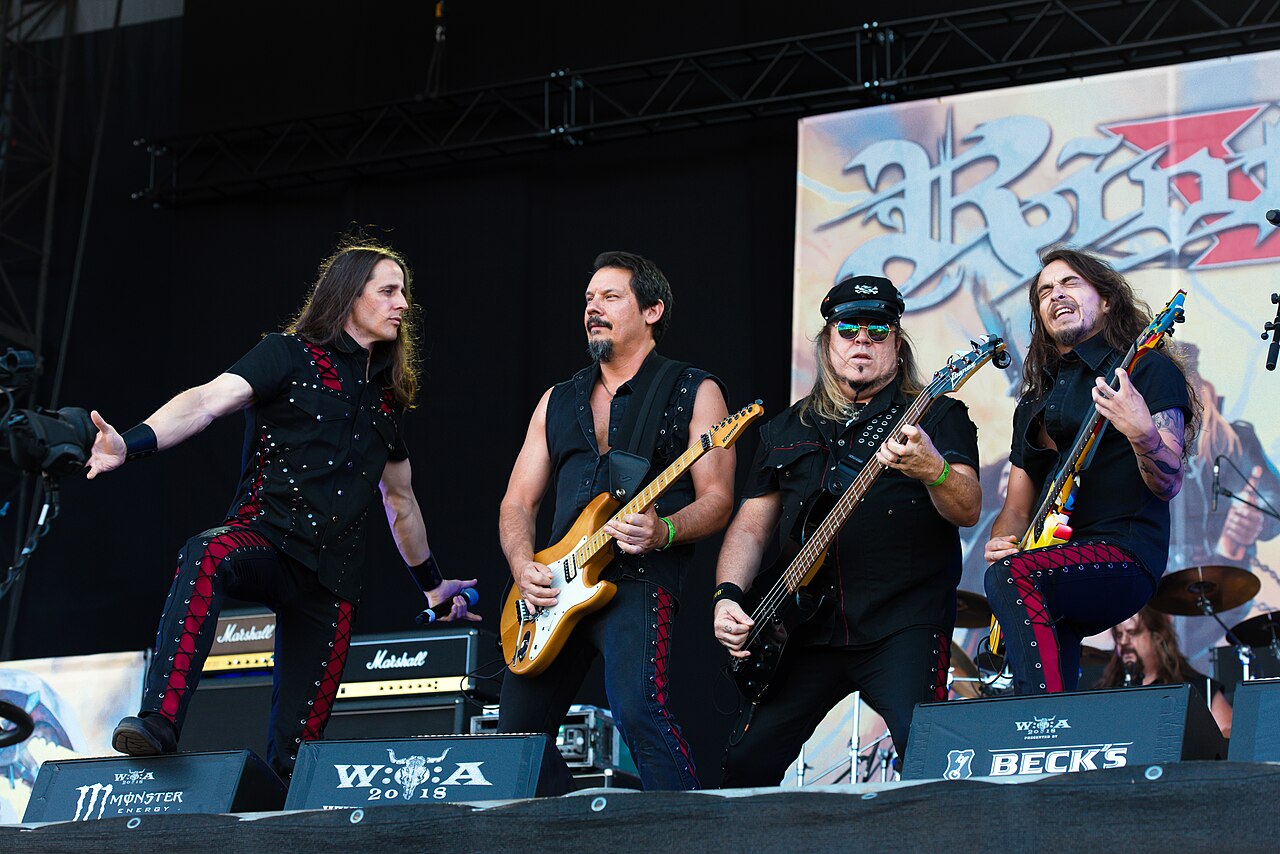
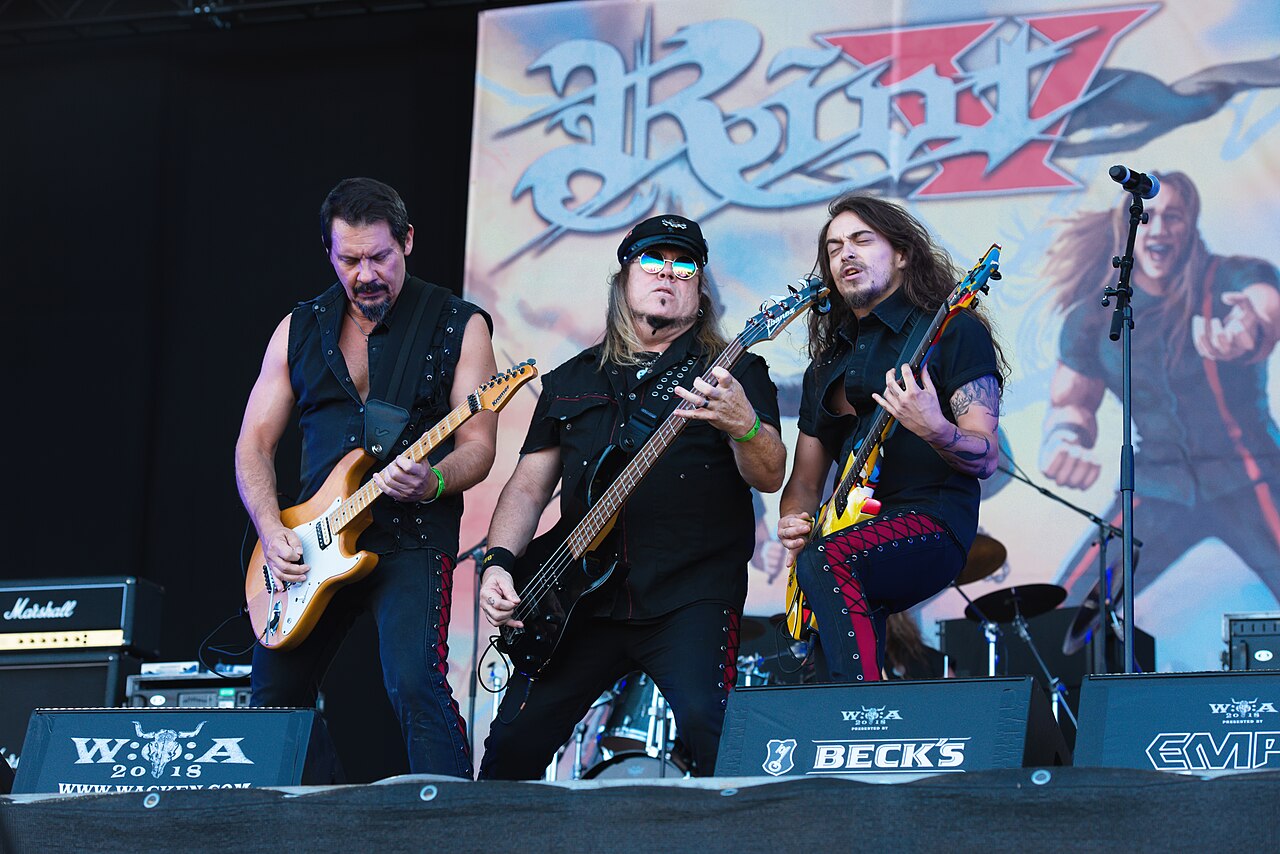
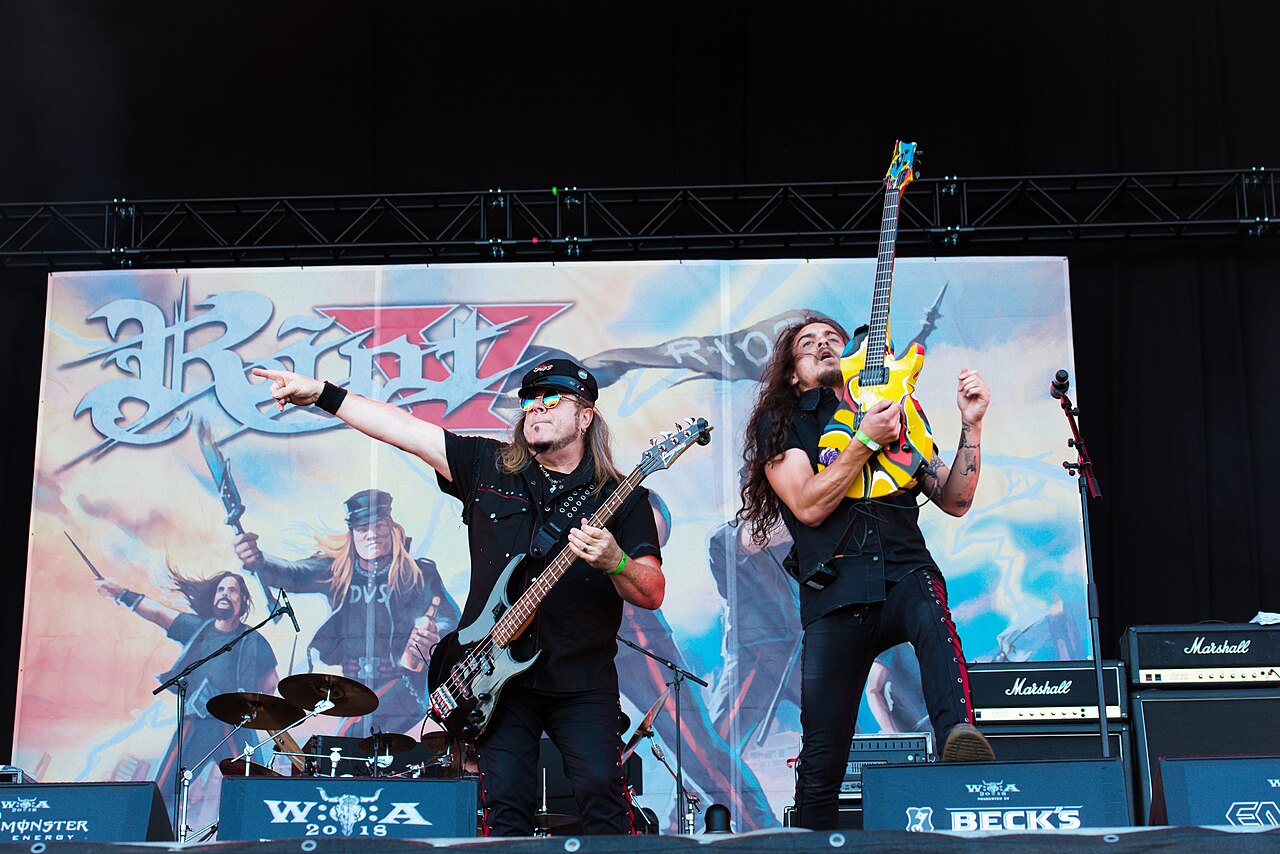
American heavy metal band reformed after founder's death.

Frank Schwichtenberg · CC BY-SA 4.0
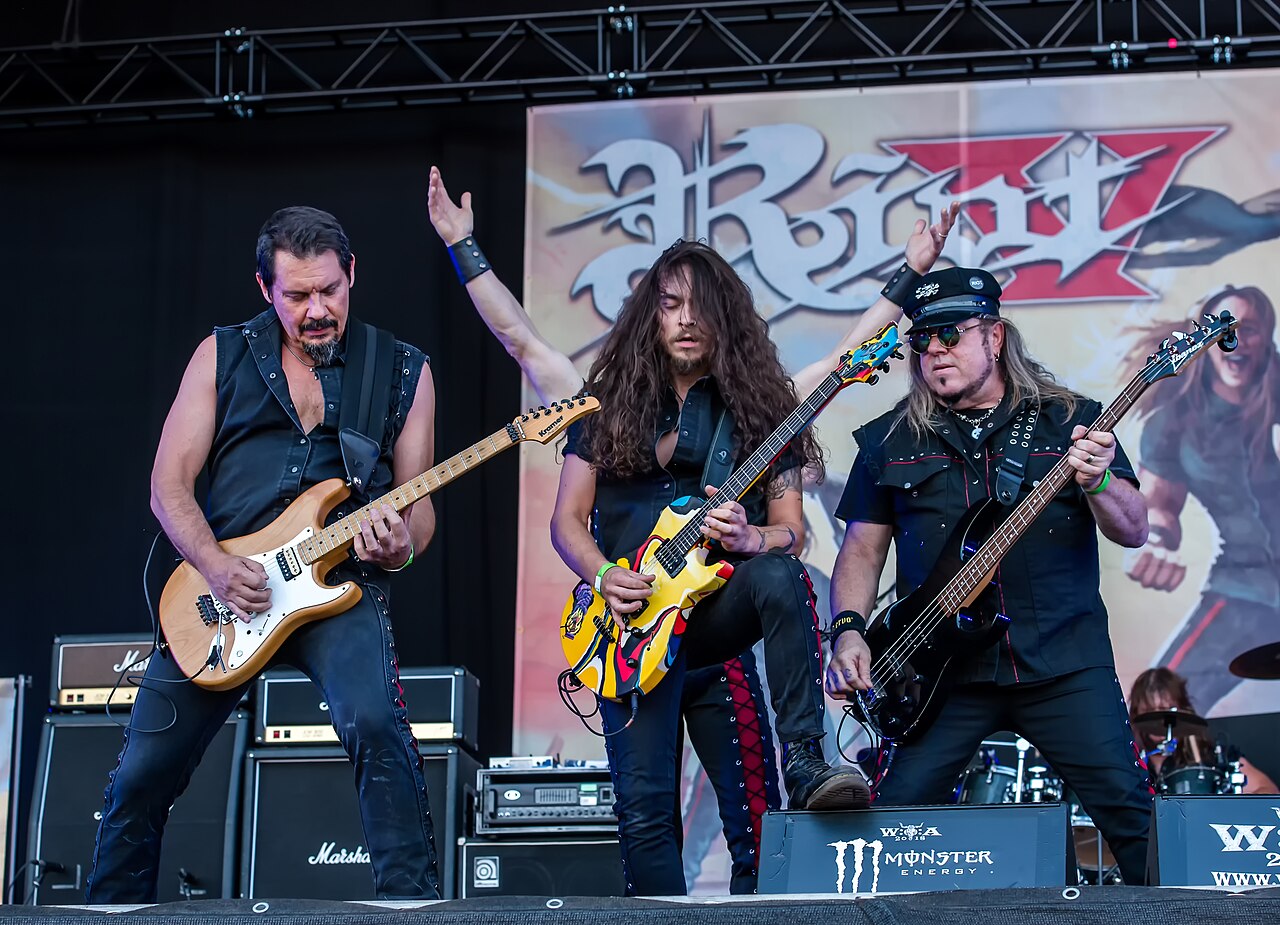
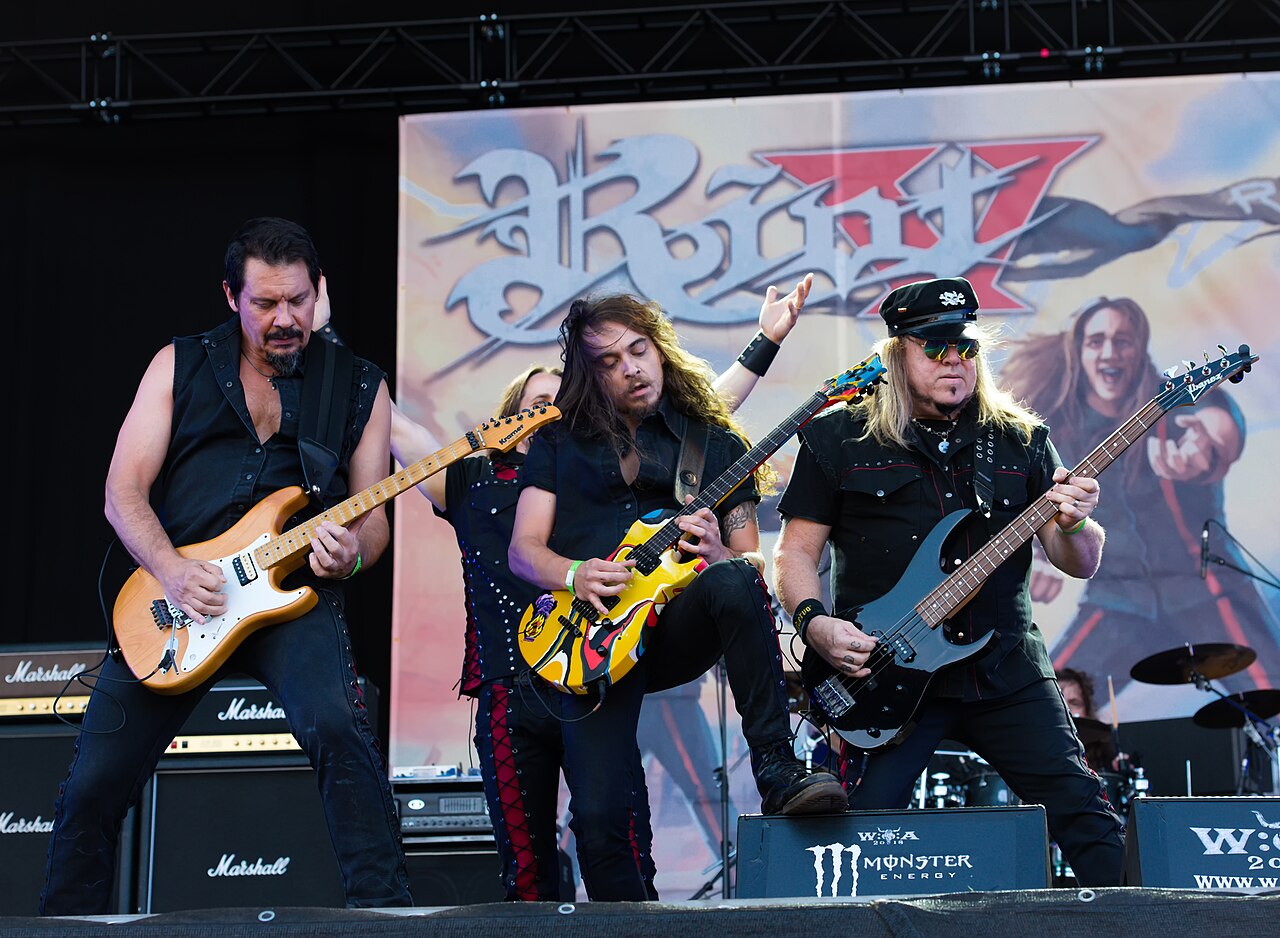
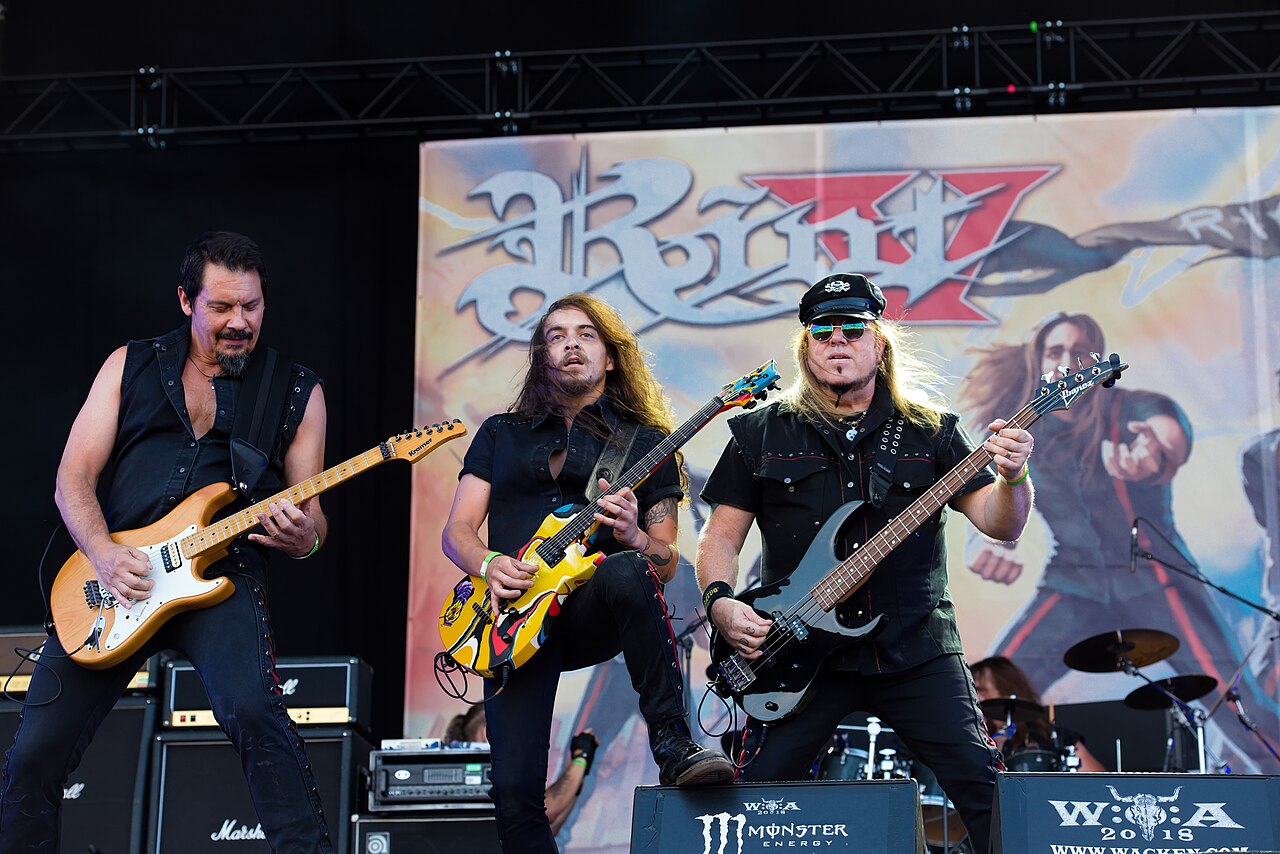
Riot V is an American heavy metal band formed in New York City in 1975 by guitarist Mark Reale. Originally known as Riot, the group achieved peak success and popularity during the early 1980s and has continued a long-running career. After the death of founder Mark Reale in 2013, surviving members reformed the band as Riot V. The band's style shifted from straightforward heavy metal to power metal beginning with their 1988 release Thundersteel.
Quick Facts
- Background
- group_or_band
- Alias
- Riot V(2012 - 2026)
- Origin
- New York City, U.S.
- Genre
- Heavy metal / power metal / speed metal / hard rock
- Discography
- Riot discography
- Years Active
- 1975–1984, 1986–2012, 2013–present (as Riot V)
- Label
- Nuclear Blast, Ward, Fire Sign, Capitol, Elektra, Quality, CBS, Sony, Zero, Toshiba-EMI, Metal Blade, Rising Sun, Metal Heaven
- Current Members
- Don Van Stavern / Mike Flyntz / Todd Michael Hall / Nick Lee / Frank Gilchriest
Facts from the source article.
Lore & Background
Riot was formed in 1975 when guitarist Mark Reale and drummer Peter Bitelli recruited bassist Phil Feit and vocalist Guy Speranza. After recording a four-track demo, they signed with producers Billy Arnell and Steve Loeb, who owned Greene Street Recording Studio and Fire-Sign Records. The band's debut album Rock City was released on Fire Sign Records. Despite early support slots with AC/DC and Molly Hatchet, the band nearly broke up by 1979. The new wave of British heavy metal revived interest, leading to the album Narita and a deal with Capitol Records. After being dropped by Capitol, a fan campaign helped secure a release for Fire Down Under through Elektra Records, which became their biggest-selling album.
Reader's Guide
Riot V's significance lies in their longevity and stylistic evolution from straightforward heavy metal to power metal, a shift marked by the 1988 album Thundersteel. The band faced numerous lineup changes and commercial challenges, including confusion with the more successful Quiet Riot in the 1980s. After founder Mark Reale's death in 2013, surviving members reformed as Riot V, continuing the band's legacy. Their use of a baby seal face as a logo on album covers is a distinctive visual trademark. The band maintained a strong following in Japan and produced a steady output of albums through the 1990s and 2000s.
Did You Know?
- A seal-like creature appears on some of Riot V's album covers, but the band's logo is a stylized 'Riot' wordmark.
- The band's 1982 album Restless Breed featured new vocalist Rhett Forrester, who replaced Guy Speranza due to Speranza's religious convictions.
- Fire Down Under was initially rejected by Capitol Records as 'commercially unacceptable' before being released by Elektra Records.
- The band's 1990 album The Privilege of Power included horns from the Brecker Brothers and Tower of Power.
Origins and the Fire Down Under Rescue
Riot was born in 1975 in New York City when guitarist Mark Reale and drummer Peter Bitelli recruited bassist Phil Feit and vocalist Guy Speranza. The quartet recorded a four-track demo hoping to land a spot on a compilation of new rock acts. That project never materialized, but their demos caught the ear of Billy Arnell and Steve Loeb, who ran Greene Street Recording Studio and Fire-Sign Records. They signed the band, who added a second guitarist and a new bassist before recording their debut, Rock City. After support slots with AC/DC and Molly Hatchet, momentum stalled and the group nearly dissolved by 1979. The new wave of British heavy metal then broke through, and influential DJ Neal Kay championed Riot in Britain, where fans imported copies of Rock City. Encouraged, Arnell and Loeb recorded Narita, which led to a Capitol Records deal tied to opening for Sammy Hagar. After the tour, Capitol dropped them. Arnell and Loeb spent the remaining advance on grassroots radio promotion, which eventually got Capitol to pick up another record. That album, Fire Down Under, was rejected by Capitol as commercially unacceptable. Fans worldwide picketed EMI offices, and Elektra Records stepped in, releasing the record into the Billboard 200.
Musical Evolution and the Power Metal Shift
Riot began as a straightforward heavy metal outfit, but their sound underwent a significant transformation beginning with the 1988 release of Thundersteel, which marked a clear pivot toward power metal. That album was recorded after a period of lineup churn: drummer Mark Edwards left to join his own group, Lion, and was replaced by Bobby Jarzombek, a San Antonio native formerly of Juggernaut, who cut the remaining drum tracks. The band also secured a worldwide deal through CBS Associated after producer Steve Loeb and manager Vince Perazzo brought them to the label's attention. Thundersteel was followed by the more experimental The Privilege of Power in 1990, which layered horns from the Brecker Brothers and Tower of Power over the band's heavy metal foundation. Joe Lynn Turner, known for his work with Rainbow, contributed a guest vocal on that record. Second guitarist Mike Flyntz joined for the 1989 Thundersteel tour of Japan, where Riot maintained their strongest subsequent following. Bassist Don Van Stavern departed after the U.S. leg of the Privilege of Power tour and was replaced by Pete Perez, a fellow Texan from the band Karion. This era solidified Riot's identity as a group willing to push beyond conventional metal boundaries while retaining their core intensity.
Turbulence, Name Confusion, and the Long Hiatus
Riot's trajectory was derailed by a series of internal and external pressures in the early 1980s. Original vocalist Guy Speranza struggled to reconcile his religious convictions with his role in the band and was replaced by Rhett Forrester for the 1982 album Restless Breed. Forrester was a striking frontman, but his erratic behavior on the road, combined with a leadership change at Elektra and the 1983 chart dominance of Quiet Riot's cover of "Cum on Feel the Noize," sank any hope of a major breakthrough. The next album, Born in America, was self-financed by Steve Loeb and released on the independent Canadian label Quality Records. A note on the back of the album attempted to clarify the name confusion between Riot and the now chart-topping Quiet Riot, but support melted away and the band disintegrated. Reale relocated to San Antonio, Texas, where he formed a short-lived band called Narita with former S.A. Slayer members. By 1986, he and bassist Don Van Stavern moved to Los Angeles to attempt a Riot resurrection, but the effort ultimately failed. Reale's death in 2013 ended the original chapter of the band's story.
The Riot V Reformation and Enduring Legacy
Following the death of founder, guitarist, primary songwriter, and leader Mark Reale in 2013, the surviving members of Riot reformed the band under the new name Riot V. This rebranding acknowledged the loss of the man who had driven the group's creative direction since its 1975 inception in New York City, while also signaling a new chapter for the remaining members. The group adopted a distinctive baby seal face as the logo on its album covers, giving the reformed act a fresh visual identity. Riot's story is one of remarkable longevity: despite peaking in popularity during the early 1980s, the band has maintained a long-running successful career spanning nearly four decades. Their journey from a four-track demo in a New York studio to support slots with AC/DC and Molly Hatchet, through the fan-driven rescue of Fire Down Under, to the power metal experiments of the late 1980s, reflects a group that consistently evolved. The Riot V name honors Reale's legacy while carrying forward the musical tradition he established, ensuring that the band's story continues beyond its creator.
Gallery
Frequently Asked Questions
Who is Riot V?
Riot V is an American heavy metal band that originated in New York City in 1975 under the name Riot, founded by guitarist Mark Reale. After Reale passed away in 2013, the surviving members carried the project forward under the new Riot V name.
Why did the band change its name from Riot to Riot V?
The name change came after the death of original founder Mark Reale in 2013. The remaining members chose to rebrand as Riot V to acknowledge the new chapter while honoring the legacy of the group Reale built.
How did Riot V's musical style change over the years?
The band started out playing straightforward, aggressive heavy metal in the mid-1970s. Beginning with their 1988 album Thundersteel, their sound evolved into a more melodic, galloping power metal approach that defined their later catalog.
Who founded Riot V and where did the band start?
Guitarist Mark Reale assembled the group in New York City in 1975. He was the creative driving force behind the band until his death in 2013.
When was Riot V at the height of its popularity?
The band's peak commercial and fan-base success came during the early 1980s, a period that remains their most celebrated era. They have maintained an active recording and touring career well beyond that window.
More in American speed metal musical groups 1-22
Spotted an error? Know more?
Reader corrections go straight into our review queue. Suggest an edit · How this site is sourced